Ammonium → Ethylene
反応式

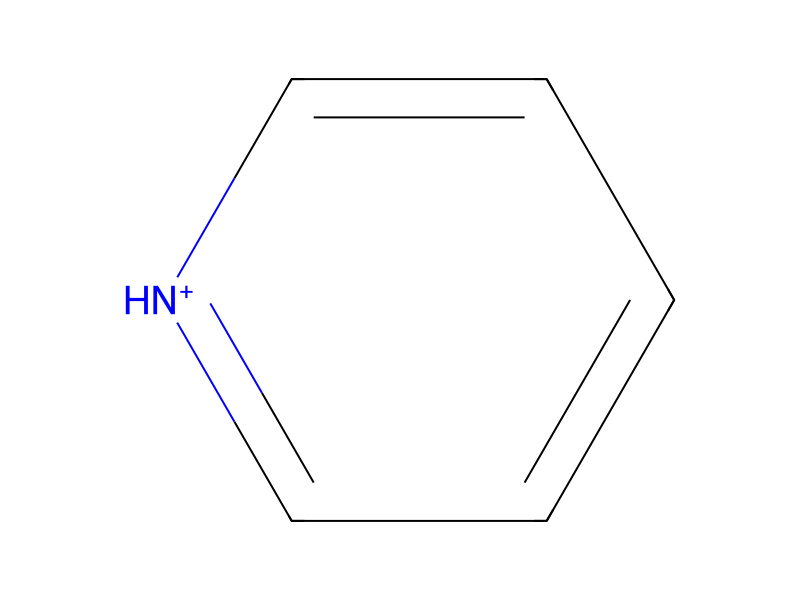
[NH+]1[CH:5]=[CH:4]N[CH:2]=1.[NH+]1[CH:11]=[CH:10][CH:9]=[CH:8][CH:7]=1.[NH4+].[PH4+].[Cl-].[NH+]1[CH:19]=[CH:18]NC=1>[Cl-].C([N+]1C=CN(C)C=1)C.[Al+3].[Cl-].[Cl-].[Cl-].C1C=CC=CC=1.C1(C)C=CC=CC=1>[CH2:4]=[CH2:5].[CH2:8]([C:9]1[CH:19]=[CH:18][CH:2]=[CH:11][CH:10]=1)[CH3:7]参加物







実験手順
An acidic reactant also known is an acidic ionic liquid, which is a salt having a melting point of less than 100° C., can be used in Friedel-Crafts reactions as well. The systems employed to date are those formed by adding a molar excess of a Lewis acid to the halide salt of an imidazolium, pyridinium, ammonium, or phosphonium ion. One example is a mixture of Imidazolium chloride salt with a molar excess of AlCl3. These acidic chloroaluminate molten substances are used to catalyze organic reactions in place of solid AlCl3, so that the disadvantage of the low solubility of AlCl3 in most organic solvents Is minimized. Examples in the literature include the reaction of benzene and toluene with various alkyl chlorides in a mixture of 1-ethyl-3-methylimidazolium chloride ([EMIM]Cl) and AlCl3 (4 parts [EMIM]Cl/6 parts AlCl3); and the alkylation of benzene with ethylene to form ethylbenzene using a liquid catalyst phase that is a mixture of an imidazolium chloride salt having a molar excess of AlCl3 or a molar excess of GaCl3.
後処理
- customthose formed
出典と根拠
- ORDレコード
- ord-0a7bf25d698049fe8b43d8a8e76b065e
- 出典データセット
- uspto-grants-2010_04
- 特許番号
- US07691180B2
反応ノート
読み込み中…