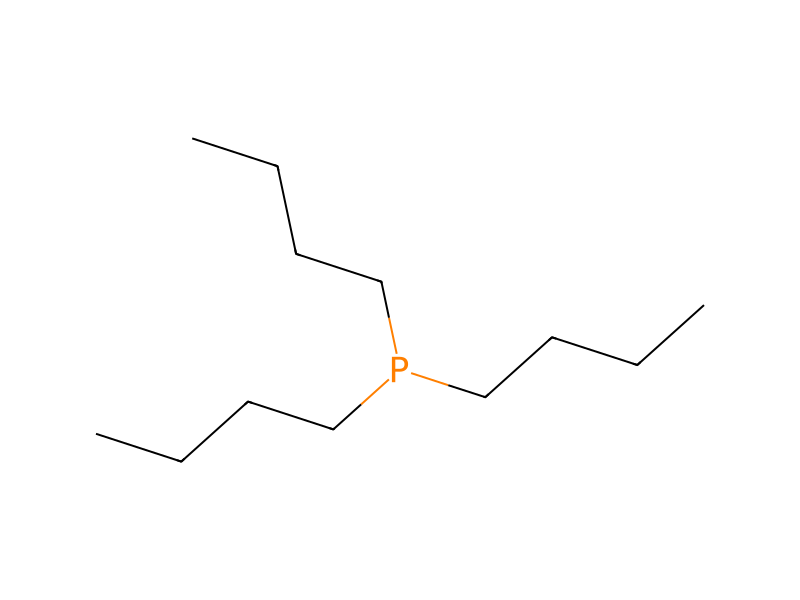
Br[C:2]1[S:3][C:4]2[CH:10]=[C:9]([O:11][CH3:12])[CH:8]=[CH:7][C:5]=2[N:6]=1.I[C:14]1[CH:19]=[CH:18][C:17]([N+:20]([O-:22])=[O:21])=[CH:16][CH:15]=1.C(=O)([O-])[O-].[Cs+].[Cs+].C(P(CCCC)CCCC)CCC>CN(C=O)C.C([O-])(=O)C.[Pd+2].C([O-])(=O)C.[Cu](Br)Br>[CH3:12][O:11][C:9]1[CH:8]=[CH:7][C:5]2[N:6]=[C:2]([C:14]3[CH:19]=[CH:18][C:17]([N+:20]([O-:22])=[O:21])=[CH:16][CH:15]=3)[S:3][C:4]=2[CH:10]=1Under N2, in a sealed tube, to 22 (19.7 mmol) in DMF 50 ml, 1-iodo-4-nitrobenzene (21.6 mmol), cesium carbonate (19.6 mmol), palladium acetate (0.98 mmol), copper bromide (0.2 mmol) and tributylphosphine (1.9 mmol) were added. The reaction was stirred at 150° C. overnight and, after cooling to room temperature, the mixture was extracted with ethyl acetate. The organic layer was then washed (3 times) with water, dried over Na2SO4 and the solvent removed via a rotary evaporator. The residue was purified by chromatography on silica gel using 9:1 hexane/ethyl acetate as the eluent to yield 4.62 g (81%) of 23 as a yellow solid.