反応式

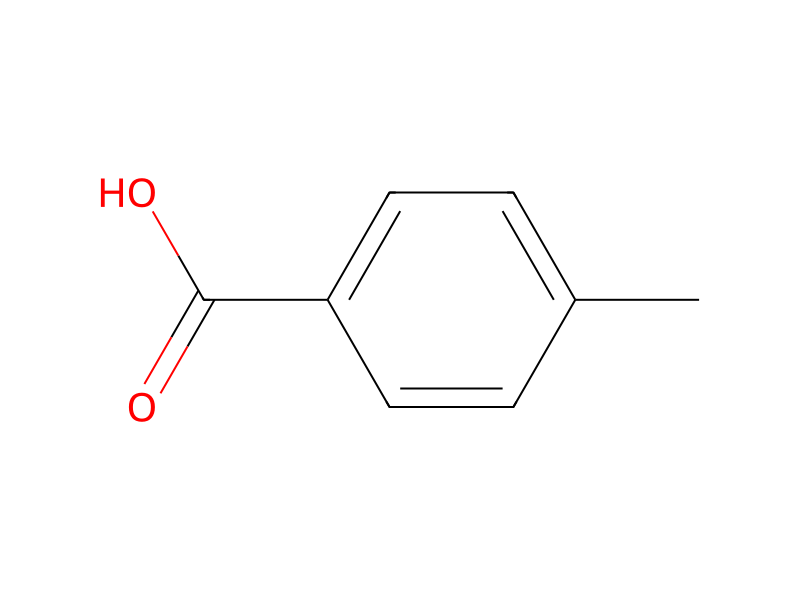
[CH3:1][CH:2]([NH:4][CH2:5][CH:6]([OH:19])[CH2:7][O:8][C:9]1[CH:10]=[CH:11][C:12]([CH2:15][C:16]([NH2:18])=[O:17])=[CH:13][CH:14]=1)[CH3:3].[CH3:20][C:21]1[CH:22]=[CH:23][C:24]([C:27]([OH:29])=[O:28])=[CH:25][CH:26]=1>CC(C)=O>[CH3:3][CH:2]([NH:4][CH2:5][CH:6]([OH:19])[CH2:7][O:8][C:9]1[CH:10]=[CH:11][C:12]([CH2:15][C:16]([NH2:18])=[O:17])=[CH:13][CH:14]=1)[CH3:1].[C:21]1([CH3:20])[CH:26]=[CH:25][C:24]([C:27]([O-:29])=[O:28])=[CH:23][CH:22]=1参加物



実験手順
The atenolol having low optical purity (1 mole) and p-toluic acid (1 mole) are dissolved in acetone (5 to 50 liters) with heating and the mixture is stirred at 0° to 15° C. for 5 to 24 hours. The precipitated crystals are removed by filtration, and the mother liquor is concentrated to give an optically active atenolol p-toluate with having higher optical purity, for example a salt having an optical purity of 98% ee or more from a salt having an optical purity of 91% ee in a yield of 50to 80%. In this method, when benzoic acid is used instead of p-toluic acid and chloroform is used instead of acetone, similar result is obtained. When p-t-butylbenzoic acid is used instead of p-toluic acid in the above method, the produced salt is hardly soluble in a solvent, and hence, it is necessary to use a solvent having higher solubility such as ethanol or 2-propanol instead of acetone.
後処理
- temperaturewith heating
- customThe precipitated crystals are removed by filtration
- concentrationthe mother liquor is concentrated
出典と根拠
- ORDレコード
- ord-689485422967476a86cb81a82ba04ac4
- 出典データセット
- uspto-grants-1992_07
- 特許番号
- US05130482
関連ノート
読み込み中…