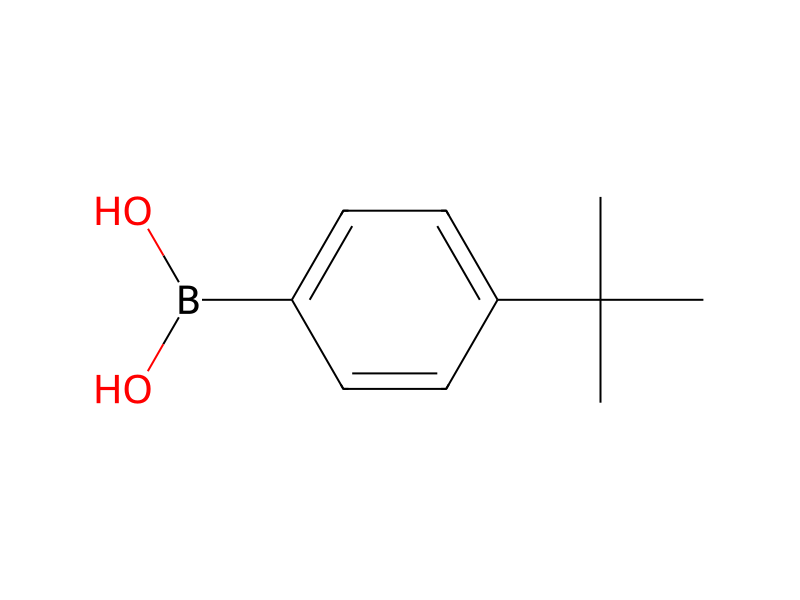
To a solution of 6-Chloro-pyridin-3-ol (3.10 g, 23.9 mmol) in toluene (30 ml) is added 4-tert-butyl-phenylboronic acid (5.46 g, 30.6 mmol), potassium fluoride (2.82 g, 47.9 mmol), and palladium tetrakis triphenylphosphine (1.20 g, 1.20 mmol). Water (15 mL) is added and the reaction mixture is heated to reflux overnight. After cooling to rt, the reaction mixture is partitioned between ethyl acetate and water. The aqueous layer is back-extracted with ethyl acetate, the combined organic layers are dried and concentrated. The resulting residue is applied to silica gel and eluted using hexanes with an ethyl acetate gradient to give the title compound (2.06 g).