反応式

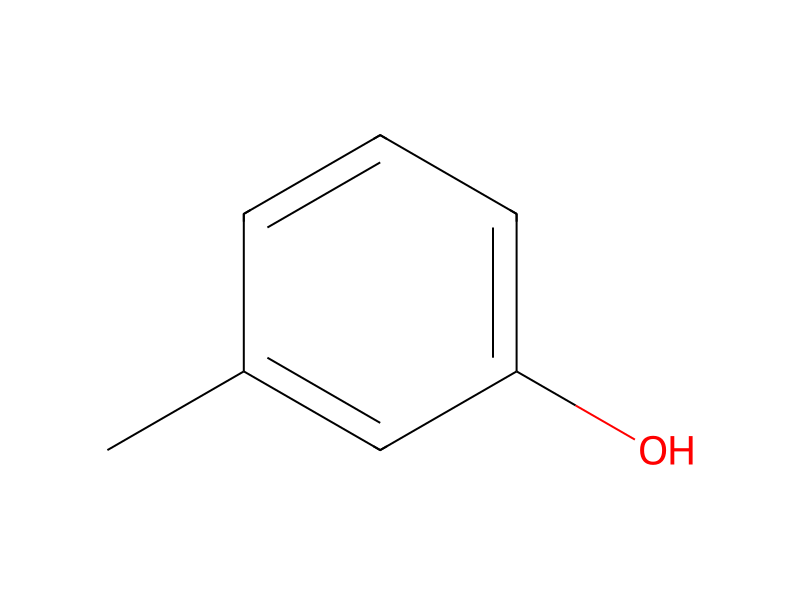
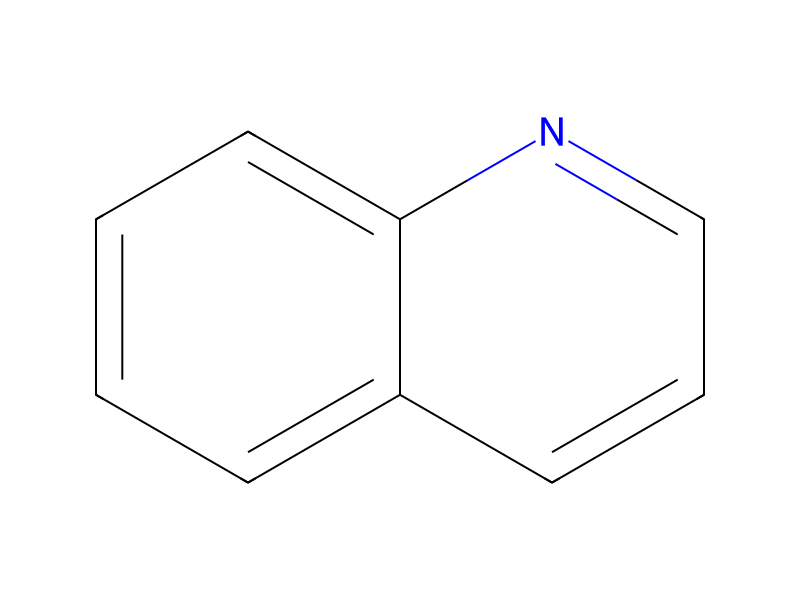
[CH:1]1[CH:10]=[CH:9][CH:8]=[C:7]2[C:2]=1[CH:3]=[C:4]1[C:17]3[C:12](=[CH:13][CH:14]=[CH:15]C=3)CC1=[N:6]2.N1C2C(=CC=CC=2)C=CC=1.[C:28]1(=[O:38])[C:36]2[C:31](=[CH:32][CH:33]=[CH:34][CH:35]=2)[C:30](=O)[CH2:29]1.P([O-])(OC1C=CC=CC=1)(OC1C=CC=CC=1)=O.C1C(O)=CC=CC=1C>C(N(CC)CC)C.CO>[C:4]1([C:3]2[C:2]3[CH:1]=[CH:10][CH:9]=[CH:8][C:7]=3[N:6]=[C:30]3[C:31]4[C:36]([C:28](=[O:38])[C:29]=23)=[CH:35][CH:34]=[CH:33][CH:32]=4)[CH:17]=[CH:12][CH:13]=[CH:14][CH:15]=1参加物


反応条件
- 温度
- 140 °C
実験手順
The 6H-indeno[2,1-b]quinoline derivative of the present invention can be synthesized at high percentage yield by performing non-metal catalytic Friedlämder reaction to obtain derivatives containing quinolin and ketone. The starting materials 1H-indene-1,3(2H)-dione (307 mg, 1.00 m), 2-amonobenzophenone (400 mg, 2.00 mmol), diphenyl phosphate (DPP, 751 mg, 3.00 mmol) and just-evaporated m-cresol are mixed in a round bottom flask and heated to 140° C. for two hours under nitrogen atmosphere. After reaction, 10% triethylamine/methanol is added into the crude product and then filtered to remove precipitates. Finally, 10-phenyl-11H-indeno[1,2-b]quinolin-11-one, appearing yellow, is separated from the mixture by using column chromatography with N-hexane:ethyl acetate =10:1. The percentage yield is 81.3%. 10-phenyl-11H-indeno[1,2-b]quinolin-11-one obtained here can be also used as starting materials to produce other 6H-indeno[2,1-b]quinoline derivatives.
後処理
- customyield
- customcatalytic Friedlämder reaction
- customto obtain derivatives
- additionare mixed in a round bottom flask
- filtrationfiltered
- customto remove
- customprecipitates
- customis separated from the mixture
出典と根拠
- ORDレコード
- ord-adea1f73966d4f6ab9f307d2f1d12bbc
- 出典データセット
- uspto-grants-2015_11
- 特許番号
- US09184396B2
関連ノート
読み込み中…