反応式

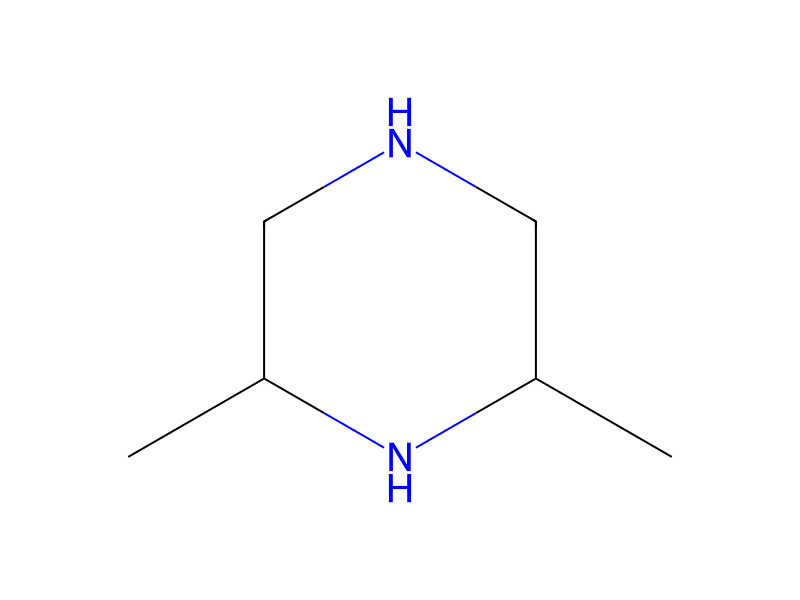
Cl[C:2]1[N:3]([C:13]2[CH:18]=[CH:17][CH:16]=[CH:15][CH:14]=2)[C:4]2[C:9]([C:10]=1[CH:11]=[O:12])=[CH:8][CH:7]=[CH:6][CH:5]=2.[CH3:19][CH:20]1[CH2:25][NH:24][CH2:23][CH:22]([CH3:26])[NH:21]1>>[CH3:19][CH:20]1[NH:21][CH:22]([CH3:26])[CH2:23][N:24]([C:2]2[N:3]([C:13]3[CH:18]=[CH:17][CH:16]=[CH:15][CH:14]=3)[C:4]3[C:9]([C:10]=2[CH:11]=[O:12])=[CH:8][CH:7]=[CH:6][CH:5]=3)[CH2:25]1参加物
3


実験手順
2-Chloro-1-phenyl-1H-indole-3-carboxaldehyde is reacted with 2,6-dimethylpiperazine as described in Step 2 of Example 29 to afford 2-(3,5-dimethylpiperazin-1-yl)-1-phenyl-1H-indole-3-carboxaldehyde as a solid. The solid is dissolved in methanol, treated with 1M ethereal hydrochloric acid and concentrated. The residue triturated with ether to give 2-(3,5-dimethylpiperazin-1-yl)-1-phenyl-1H-indole-3-carboxaldehyde hydrochloride (74% yield) as a purple solid. ESI/MS 334 (M+H); RT=2.52 min.
出典と根拠
- ORDレコード
- ord-5a921347532b4b4f89c56150f24850f5
- 出典データセット
- uspto-grants-2008_07
- 特許番号
- US07405300B2
関連ノート
読み込み中…