L-Lysine → Lysine hydrochloride, D-
反応式
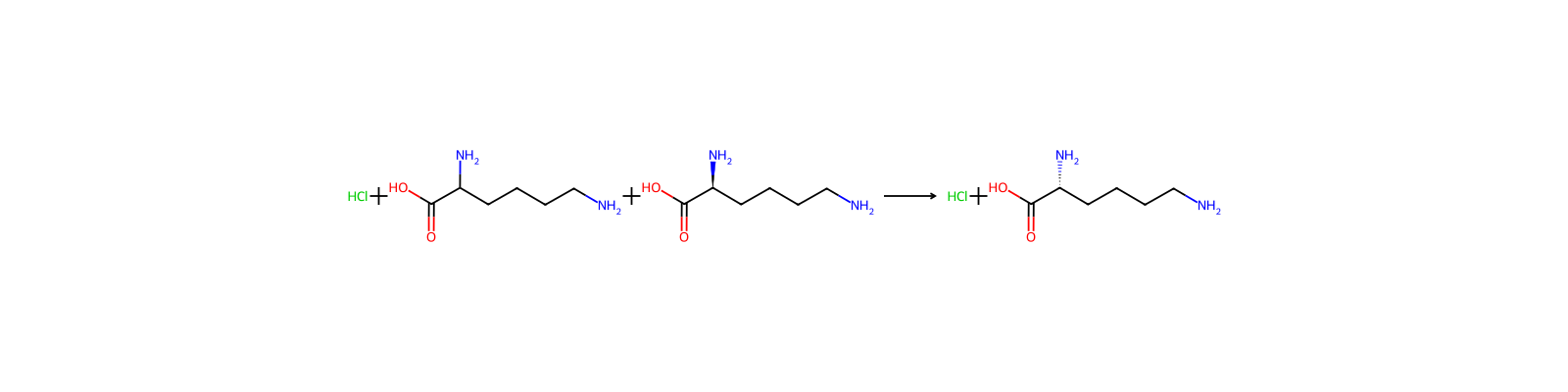
[ClH:1].[NH2:2][CH:3]([C:9]([OH:11])=[O:10])[CH2:4][CH2:5][CH2:6][CH2:7][NH2:8].N[C@H](C(O)=O)CCCCN>>[ClH:1].[NH2:2][C@@H:3]([C:9]([OH:11])=[O:10])[CH2:4][CH2:5][CH2:6][CH2:7][NH2:8]参加物
3
実験手順
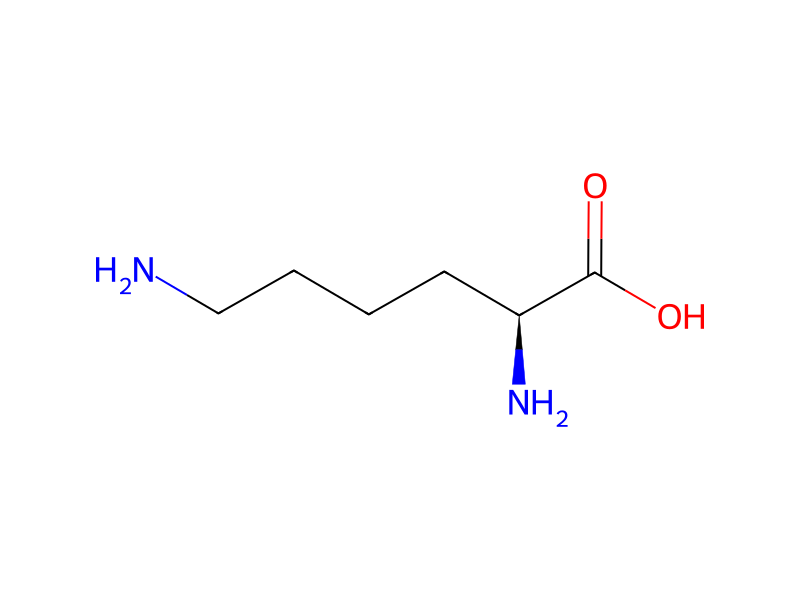
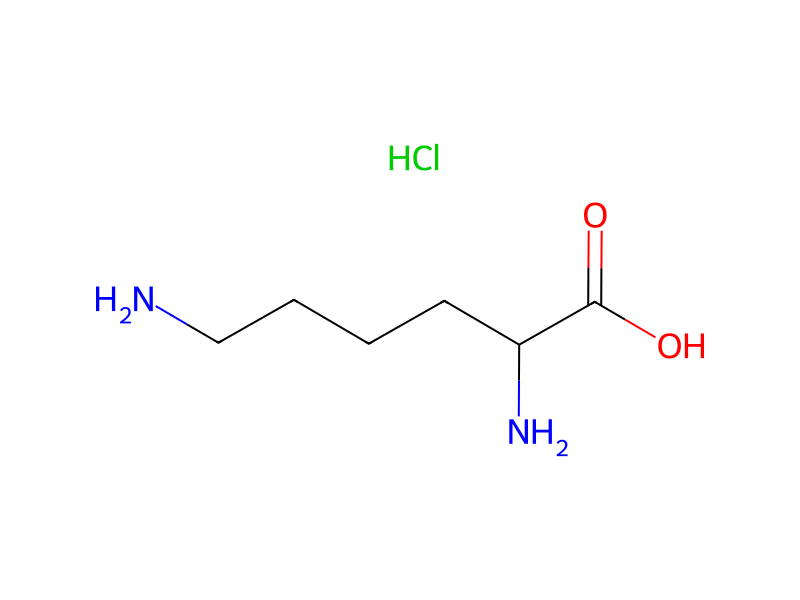
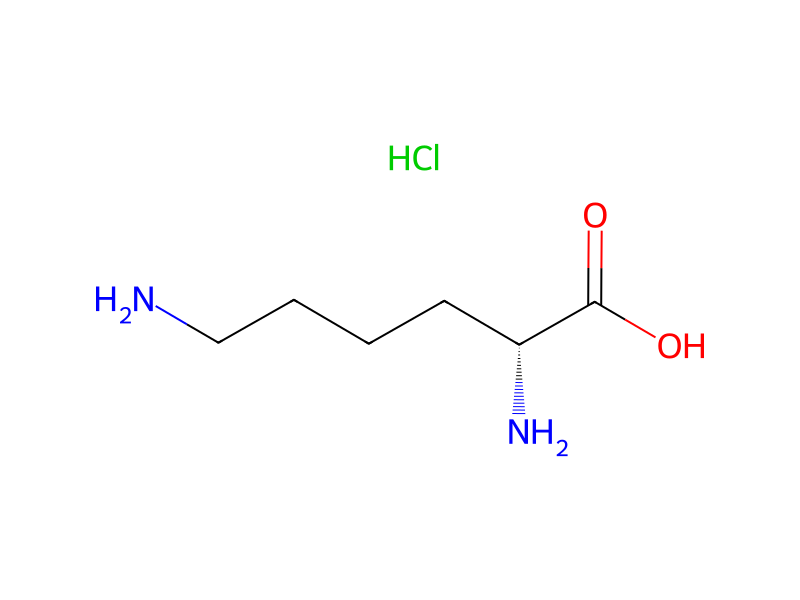
Into a shaking flask having a volume of 500 ml was charged ml of a medium (pH 7.0) comprising 0.5% of DL-lysine monohydrochloride, 1.0% of polypeptone, 1.0% of a yeast extract and 0.5% of sodium chloride, and the medium was sterilized at 120° C. for 10 minutes. A loopful of Pseudomonas sp. ATCC 14676 was inoculated into the medium and cultured at 30° C. for 20 hours. The cell collected from 1000 ml of the above culture broth by centrifugation was suspended in a physiological saline and then collected by centrifugation. To the cell was added 500 ml of a 50 mM phosphate buffer (pH 7.0) containing 50 g of DL-lysine monohydrochloride, and the mixture was reacted at 30° C. for 72 hours to degrade L-lysine completely. After the reaction, the cells were removed by centrifugation, and subsequent procedures were carried out in the same manner as in Example 1 to obtain 14.2 g of D-lysine monohydrochloride.
後処理
- customInto a shaking flask having