ホームMCPSkillsワークベンチOpenChem
ホームワークベンチ通知マイページ
llms.txt · skill.md · MCPガイドプライバシーポリシー · 利用規約 · サポートv1.8.6
  1. ホーム
  2. /反応

Water → 3-[(3R,4S)-3-Hydroxytetrahydro-2H-pyran-4-yl]-6-(4-morpholin-4-ylbenzyl)benzo[h]quinazolin-4(3H)-one

HRID 82452
印刷

反応式

Cl[C:2]1[CH:30]=[CH:29][C:5]([CH2:6][C:7]2[CH:8]=[C:9]3[C:14](=[C:15]4[CH:20]=[CH:19][CH:18]=[CH:17][C:16]=24)[N:13]=[CH:12][N:11]([C@H:21]2[CH2:26][CH2:25][O:24][CH2:23][C@@H:22]2[OH:27])[C:10]3=[O:28])=[CH:4][CH:3]=1.[NH:31]1[CH2:36][CH2:35][O:34][CH2:33][CH2:32]1.C(=O)([O-])[O-].[Cs+].[Cs+].O>CN(C=O)C.CC(C)([P](C(C)(C)C)([Pd][P](C(C)(C)C)(C(C)(C)C)C(C)(C)C)C(C)(C)C)C>[OH:27][C@@H:22]1[C@@H:21]([N:11]2[C:10](=[O:28])[C:9]3[C:14](=[C:15]4[CH:20]=[CH:19][CH:18]=[CH:17][C:16]4=[C:7]([CH2:6][C:5]4[CH:4]=[CH:3][C:2]([N:31]5[CH2:36][CH2:35][O:34][CH2:33][CH2:32]5)=[CH:30][CH:29]=4)[CH:8]=3)[N:13]=[CH:12]2)[CH2:26][CH2:25][O:24][CH2:23]1
参加物反応条件実験手順後処理出典と根拠反応ノート

参加物

7

反応物 4

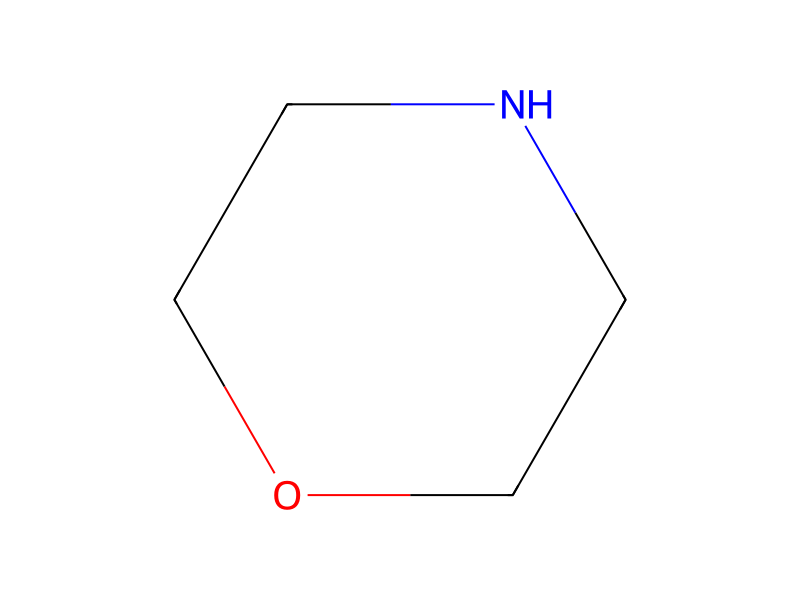
HCID 962WaterHCID 8083MorpholineHCID 10796Cesium carbonateHCID 679704906-(4-Chlorobenzyl)-3-[(3R,4S)-3-hydroxytetrahydro-2H-pyran-4-yl]benzo[h]quinazolin-4(3H)-one

生成物 1

HCID 510007823-[(3R,4S)-3-Hydroxytetrahydro-2H-pyran-4-yl]-6-(4-morpholin-4-ylbenzyl)benzo[h]quinazolin-4(3H)-one

試薬・触媒・溶媒 2

HCID 178418851
HCID 178418851、化合物
触媒
HCID 6228Dimethylformamide溶媒

反応条件

温度
65 °C

実験手順

To a solution of 6-(4-chlorobenzyl)-3-[(3R,4S)-3-hydroxytetrahydro-2H-pyran-4-yl]benzo[h]quinazolin-4(3H)-one (0.100 g, 0.238 mmol) in 2 mL of DMF under an atmosphere of nitrogen was added morpholine (0.083 g, 0.95 mmol), bis(tri-tert-butylphosphine)palladium(0) (0.012 g, 0.024 mmol), cesium carbonate (0.232 g, 0.713 mmol), and 0.2 mL of water. The mixture was warmed to 65° C. for 5 min, flushed with nitrogen, and irradiated in a microwave reactor at 130° C. for 25 min. The reaction was cooled to rt and diluted with water and dichloromethane. The aqueous layer was reextracted with dichloromethane and the combined organic fractions were dried over sodium sulfate, filtered, and concentrated in vacuo. The residue was purified via silica gel chromatography, eluting with 0-4% methanol in dichloromethane to provide the title compound that gave proton NMR spectra consistent with theory and a mass ion (ES+) of 471.9 for [M+H]+: 1H NMR (400 MHz, CDCl3) δ 9.01 (s, 1H), 8.30 (s, 1H), 8.01-7.98 (m, 2H), 7.65-7.59 (m, 2H), 7.07 (d, J=8.7 Hz, 2H), 7.77 (d, J=8.7 Hz, 2H), 4.89-4.82 (m, 1H), 4.35 (s, 2H), 4.22-4.18 (m, 1H), 4.13-4.08 (m, 2H), 3.79 (t, J=4.8 Hz, 4H), 3.59-3.52 (m, 1H), 3.34-3.28 (m, 1H), 3.06 (t, J=4.8 Hz, 4H), 2.66 (br 5, 1H), 2.32-2.22 (m, 1H), 2.03-1.99 (m, 1H).

後処理

  1. customflushed with nitrogen
  2. customirradiated in a microwave reactor at 130° C. for 25 min
  3. temperatureThe reaction was cooled to rt
  4. additiondiluted with water and dichloromethane
  5. dry with materialthe combined organic fractions were dried over sodium sulfate
  6. filtrationfiltered
  7. concentrationconcentrated in vacuo
  8. customThe residue was purified via silica gel chromatography
  9. washeluting with 0-4% methanol in dichloromethane

出典と根拠

ORDレコード
ord-ed9952d8612149a480852fa760966513
出典データセット
uspto-grants-2014_09
DOI
10.6084/m9.figshare.5104873.v1
特許番号
US08846702B2

反応ノート

このページの内容参加物反応条件実験手順後処理出典と根拠反応ノート