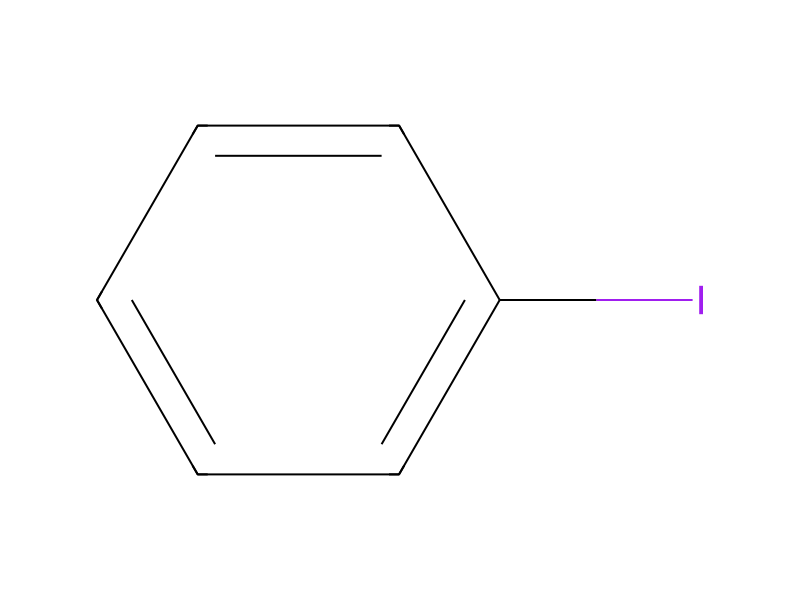
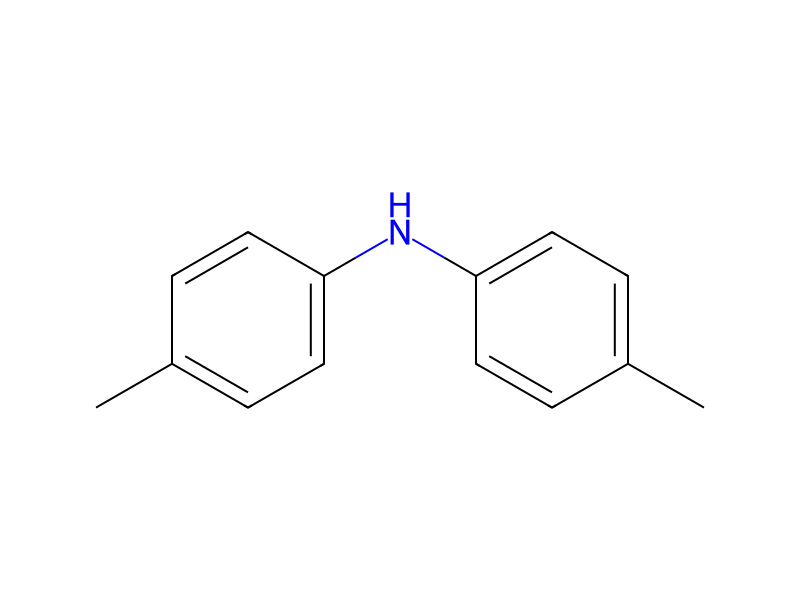
[CH3:1][C:2]1[CH:7]=[CH:6][C:5]([NH:8][C:9]2[CH:14]=[CH:13][C:12]([CH3:15])=[CH:11][CH:10]=2)=[CH:4][CH:3]=1.[OH-].[K+].N1[C:31]2[C:22](=[CH:23][CH:24]=[C:25]3[C:30]=2N=CC=C3)C=CC=1.IC1C=CC=CC=1>Cl[Cu].C1(C)C=CC=CC=1>[CH3:1][C:2]1[CH:3]=[CH:4][C:5]([N:8]([C:22]2[CH:31]=[CH:30][CH:25]=[CH:24][CH:23]=2)[C:9]2[CH:14]=[CH:13][C:12]([CH3:15])=[CH:11][CH:10]=2)=[CH:6][CH:7]=14,4′-dimethyldiphenylamine (0.99 g, 5.0 mmol), KOH (2.52 g, 45.0 mmol), CuCl (99 mg, 1.0 mmol) and 1,10-phenanthroline (180 mg, 1.0 mmol) were charged in a two-necked bottle. The bottle was deoxygenated and purged with nitrogen, and added dried toluene (12 mL) and iodobenzene (0.67 ml, 6.0 mmol). The reaction was heated to 120° C., and stirred for 12 hours. The resulting was filtered to remove metal and then concentrated under reduced pressure and the residue was purified by column chromatography (hexanes/CH2Cl2=1/1) to afford G (916 g, 67%) as white solid.