Potassium Carbonate → Methyl 3-(3-pyridinyl)benzoate
反応式

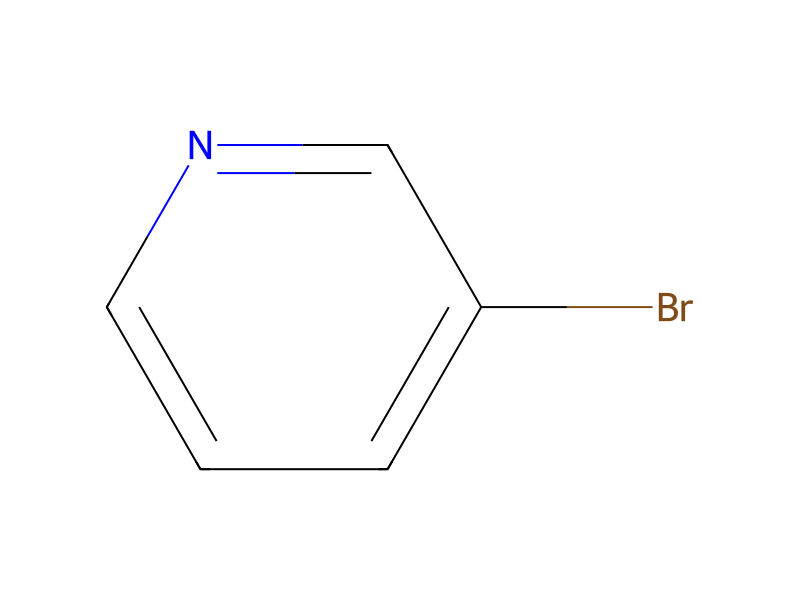
[CH3:1][O:2][C:3]([C:5]1[CH:6]=[C:7](B(O)O)[CH:8]=[CH:9][CH:10]=1)=[O:4].Br[C:15]1[CH:16]=[N:17][CH:18]=[CH:19][CH:20]=1.C([O-])([O-])=O.[K+].[K+].O1CCOCC1>C1C=CC(P(C2C=CC=CC=2)[C-]2C=CC=C2)=CC=1.C1C=CC(P(C2C=CC=CC=2)[C-]2C=CC=C2)=CC=1.Cl[Pd]Cl.[Fe+2].O>[N:17]1[CH:18]=[CH:19][CH:20]=[C:15]([C:7]2[CH:6]=[C:5]([CH:10]=[CH:9][CH:8]=2)[C:3]([O:2][CH3:1])=[O:4])[CH:16]=1参加物
7





反応条件
- 温度
- 120 °C
実験手順
A mixture of (3-(methoxycarbonyl)phenyl)boronic acid (600 mg, 3.33 mmol), 3-bromopyridine (479 mg, 3.0 mmol), K2CO3 (1.2 g, 9.0 mmol) and Pd(dppf)Cl2 (50 mg) in a solution of dioxane (10 mL) and H2O (2.5 mL) was stirred at 120° C. for 30 minutes with microwave heating under N2. The catalyst was then filtered and the filtrate concentrated. The residue was then purified by column chromatography to give the desired product and used directly in the next step. (630 mg Yield 90%).
後処理
- temperaturewith microwave heating under N2
- filtrationThe catalyst was then filtered
- concentrationthe filtrate concentrated
- customThe residue was then purified by column chromatography
出典と根拠
- ORDレコード
- ord-1847187d0eac452281a98d3d17245484
- 出典データセット
- uspto-grants-2015_03
- 特許番号
- US08993555B2
反応ノート
読み込み中…