Ammonia → Didodecylamine
反応式

[CH2:1](O)[CH2:2][CH2:3][CH2:4][CH2:5][CH2:6][CH2:7][CH2:8][CH2:9][CH2:10][CH2:11][CH3:12].N.CC1C2COC(=O)C=2C(O[C@@H]2O[C@H](C(O)=O)[C@@H](O)[C@H](O)[C@H]2O)=C(C/C=C(/CCC(O)=O)\C)C=1OC.[CH2:50]([NH2:62])[CH2:51][CH2:52][CH2:53][CH2:54][CH2:55][CH2:56][CH2:57][CH2:58][CH2:59][CH2:60][CH3:61]>>[CH2:1]([NH:62][CH2:50][CH2:51][CH2:52][CH2:53][CH2:54][CH2:55][CH2:56][CH2:57][CH2:58][CH2:59][CH2:60][CH3:61])[CH2:2][CH2:3][CH2:4][CH2:5][CH2:6][CH2:7][CH2:8][CH2:9][CH2:10][CH2:11][CH3:12]参加物
5



実験手順
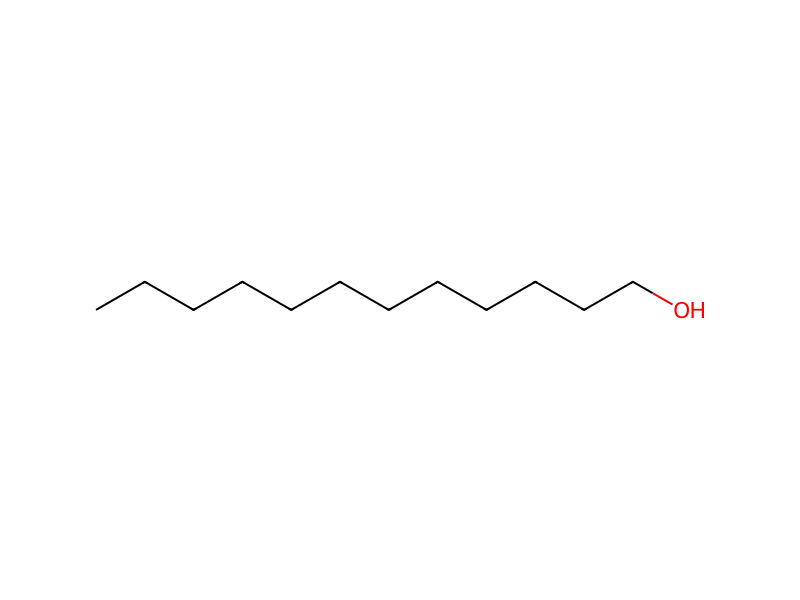
The same procedure as in Example 7 was repeated except for using 150 g (0.81 mol) of lauryl alcohol in place of stearyl alcohol and using ammonia in an amount of 69 g (4.06 mol), thereby conducting the reaction for 9 h. The initial maximum pressure as measured at a reaction temperature of 220° C. was 21 MPaG. The resultant reaction product was analyzed in the same manner as in Example 7. As a result, it was confirmed that the conversion of the raw alcohol was 97.9%, the selectivity to lauryl amine was 90.4%, the amount of dilauryl amine produced is 8.9%, and the amount of the other by-products produced was 0.6%.
後処理
- customthe reaction for 9 h
- customas measured at a reaction temperature of 220° C.
- customThe resultant reaction product
出典と根拠
- ORDレコード
- ord-558c43d2f2d74e21b7c1b91a65062ab9
- 出典データセット
- uspto-grants-2012_08
- 特許番号
- US08247611B2
反応ノート
読み込み中…