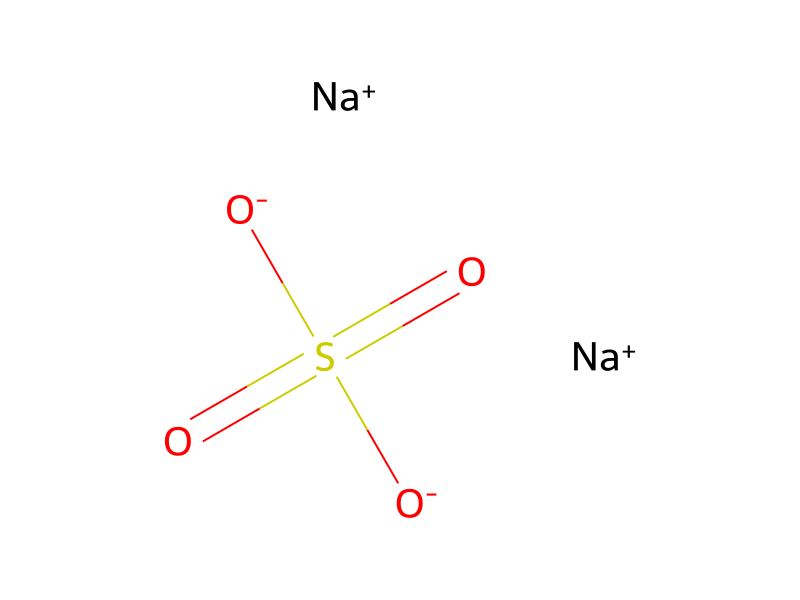
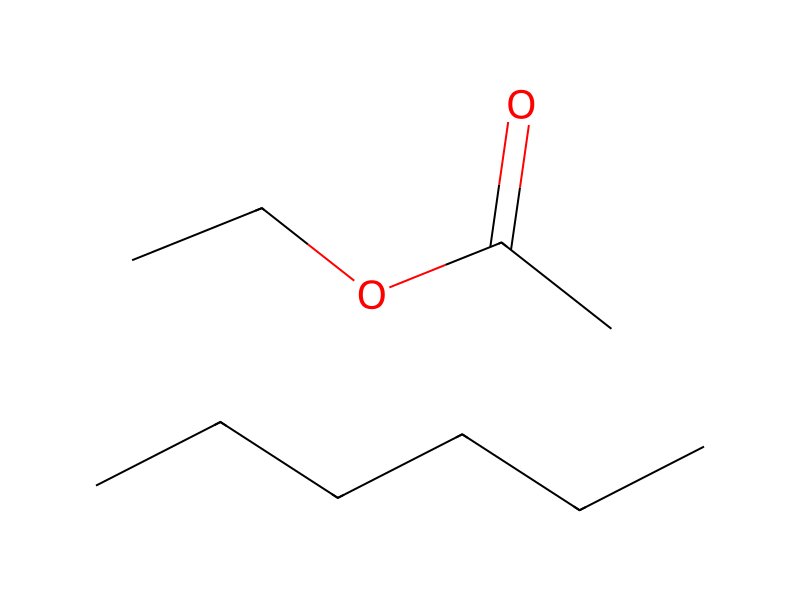
A mixture of 3-(2-chloro-phenyl)-6-fluoro-3,4-dihydro-quinazolin-4-one-2-carboxaldehyde (0.150 g, 0.50 mmol), glacial acetic acid (10 mL), 3-aminobenzonitrile (0.050 g, 0.42 mmol), and anhydrous sodium sulfate (0.71 g, 5 mmol) was stirred at ambient temperature overnight. Tlc indicated that the imine had formed (Rf=0.43 on silica gel tic developed with 30% ethyl acetate/hexane, UV detection). Sodium triacetoxyborohydride (0.267 g, 1.26 mmol) was added and the reaction was allowed to stir over the weekend (72 hours). The mixture was poured into saturated aqueous bicarbonate and repeatedly extracted with ethyl acetate. The combined organic layer was dried over magnesium sulfate and concentrated to afford a yellow solid. This solid was triturated with 50% ethyl ether/isopropyl ether to give 0.133 g (78%) of 3-{[3-(2-chloro-phenyl)-6-fluoro-4-oxo-3,4-dihydro-quinazolin-2-ylmethyl]-amino}-benzonitrile as an off white solid which had: mp 225-228° C.; 1H NMR δ 7.93 (dd, J=3, 8 Hz, 1 H), 7.87 (dd, J=4.5, 8.5 Hz, 1 H), 7.70 (dd, J=1.5, 7.5 Hz, 1 H), 7.62-7.52 (m, 4 H), 7.40 (dd, J=1.5, 7.5 Hz, 1 H), 7.20 (t, J=8 Hz, 1 H), 6.97 (d, J=7.5 Hz, 1 H), 6.80 (dd, J=2, 8 Hz, 1 H), 6.66 (s, 1 H), 3.88 (ABq, Δv1-3=39.5 Hz, J=17 Hz, 2 H). Analysis calculated for C22H14ClFN4O.0.5 H2O: C, 63.85; H, 3.65; N, 13.54. Found: C, 63.90; H, 3.31; N, 13.46.