反応式

[NH:1]([CH2:5][CH2:6][OH:7])[CH2:2][CH2:3][OH:4].[CH:8]([CH:20]1[CH2:25][C:24](=[O:26])[O:23][C:21]1=[O:22])=[CH:9][CH2:10][CH2:11][CH2:12][CH2:13][CH2:14][CH2:15]CCCC.O>C1(C)C=CC=CC=1>[OH:4][CH2:3][CH2:2][N:1]([CH2:5][CH2:6][OH:7])[C:24](=[O:26])[CH2:25][CH:20]([CH:8]=[CH:9][CH2:10][CH2:11][CH2:12][CH2:13][CH2:14][CH3:15])[C:21]([OH:23])=[O:22]参加物

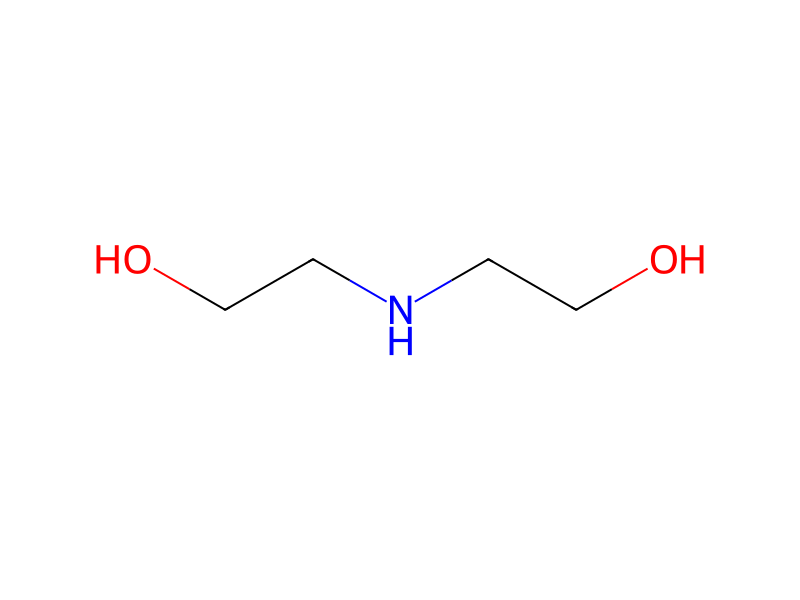



実験手順
A 500 ml, two-neck flask was charged with 52.6 g (500 mmol) diethanolamine and 50 ml toluene. A temperature probe was placed into this solution through one of the necks of the flask and the flask was immersed into a water bath. A solution of 105.2 g (500 mmol) dodecenylsuccinic anhydride dissolved in 200 ml toluene was dripped into the magnetically stirred solution diethanolamine solution over a 40-minute period. Ice was added to the water bath as required to prevent temperature of the reaction mixture from getting above 25° C. The mixture was then stirred for another 2.5 hours at room temperature. The complete disappearance of the anhydride functional group was confirmed by infrared spectroscopy. The FTIR trace on this compound had significant absorptions at 2957, 2924, 2858, 1733, 1616, 1560, 1415, 1160, 1069, 969, and 728 wavenumbers. The solution was concentrated down to 50% solids in toluene and was then set aside for later use.
後処理
- customthe flask was immersed into a water bath
- customfrom getting above 25° C
- concentrationThe solution was concentrated down to 50% solids in toluene
出典と根拠
- ORDレコード
- ord-81c3a10a6e46441dadd7ed913978c097
- 出典データセット
- uspto-grants-2011_09
- 特許番号
- US08013104B2
関連ノート
読み込み中…