反応式

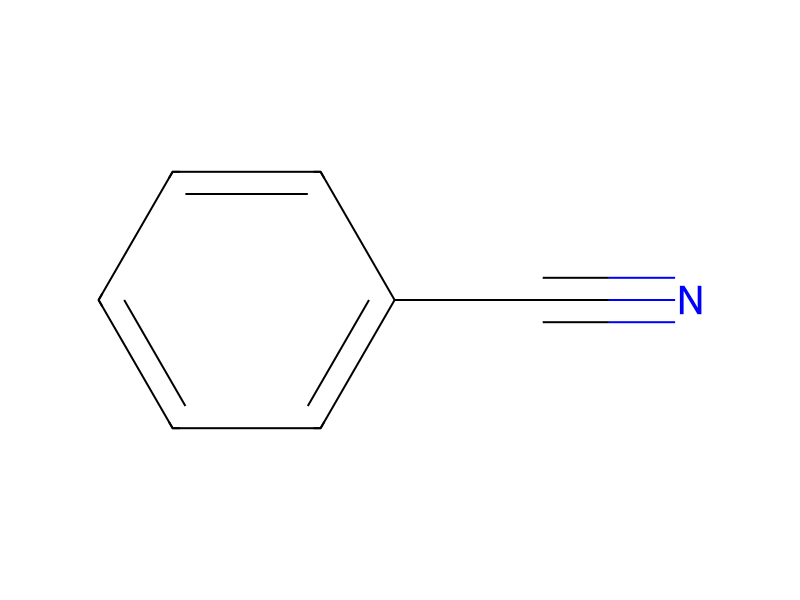
[Cl:1][C:2]1[CH:16]=[CH:15][C:5]([N:6]=[C:7](Cl)[C:8]2[CH:13]=[CH:12][CH:11]=[CH:10][CH:9]=2)=[CH:4][CH:3]=1.[C:17](#[N:24])[C:18]1[CH:23]=[CH:22][CH:21]=[CH:20][CH:19]=1.[Al](Br)(Br)Br>ClC1C=CC(Cl)=CC=1>[Cl:1][C:2]1[CH:16]=[C:15]2[C:5](=[CH:4][CH:3]=1)[N:6]=[C:7]([C:8]1[CH:13]=[CH:12][CH:11]=[CH:10][CH:9]=1)[N:24]=[C:17]2[C:18]1[CH:23]=[CH:22][CH:21]=[CH:20][CH:19]=1参加物


実験手順
The preparation of 4-phenylquinazolines from an N-benzylideneaniline type of Schiff base that is formed from aniline and benzaldehyde, as shown in the reaction between p-chloro-(α-chlorobenzylidene)aniline and benzonitrile in 1,4-dichlorobenzene at 140° C. in the presence of AlBr3 that afforded 69% of 6-chloro-2,4-diphenylquinazoline [23], and the reaction between N-[o-(triphenylphosphoranylideneamino)benzylidene]-p-toluidine and p-nitrobenzaldehyde when refluxed in xylene for 12 hours that gave 70% of 6-methyl-4-p-nitrophenyl-2-phenylquinazoline [24]. The latter reaction would afford dihydroquinazolines as well if other benzaldehydes rather than p-nitrobenzaldehyde are used. In addition, the reaction between 3,4-diphenyl-1,2,4-oxadiazol-5(4H)-one and benzylideneaniline also afforded 2,4-diphenylquinazoline [25];
出典と根拠
- ORDレコード
- ord-c0e426df2f6340d893cca63a4253db46
- 出典データセット
- uspto-grants-2016_03
- 特許番号
- US09273012B2
関連ノート
読み込み中…