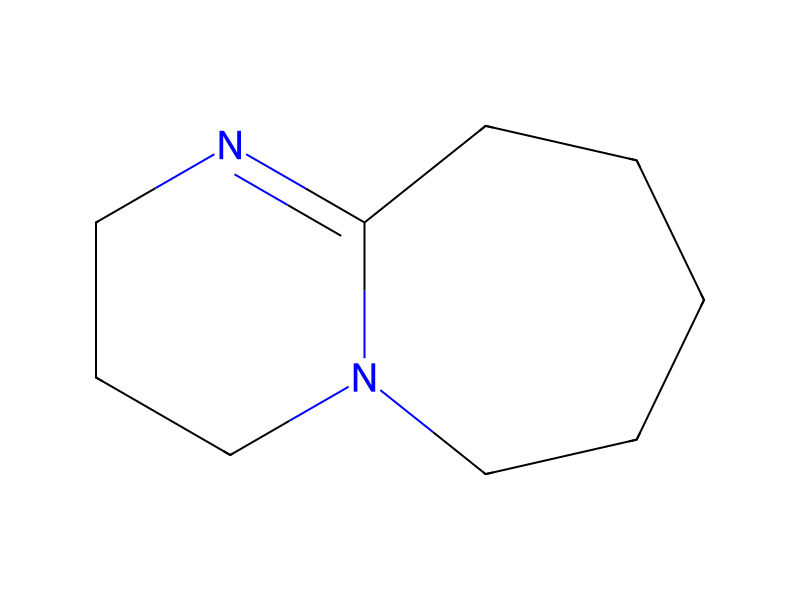
C([O:8][C:9](=O)[CH2:10][C:11](=O)[CH2:12][O:13][C:14]12[CH2:23][CH:18]3[CH2:19][CH:20]([CH2:22][CH:16]([CH2:17]3)[CH2:15]1)[CH2:21]2)C1C=CC=CC=1.Cl.[C:27]1([CH3:35])[CH:32]=[CH:31][CH:30]=[CH:29][C:28]=1[NH:33][NH2:34].CCN(CC)CC.N12CCCN=C1CCCCC2>CCO.CN(C=O)C>[C:14]12([O:13][CH2:12][C:11]3[CH:10]=[C:9]([OH:8])[N:33]([C:28]4[CH:29]=[CH:30][CH:31]=[CH:32][C:27]=4[CH3:35])[N:34]=3)[CH2:21][CH:20]3[CH2:19][CH:18]([CH2:17][CH:16]([CH2:22]3)[CH2:15]1)[CH2:23]2A mixture of 4-(adamantan-1-yloxy)-3-oxo-butyric acid benzyl ester (334 mg, 0.98 mmol), o-tolyl hydrazine hydrochloride (163 mg, 1.0 mmol), and NEt3 (140 μL, 1.0 mmol) in EtOH (6 mL) was stirred at room temperature for 1 hr. The mixture was evaporated and the residue partitioned between EtOAc (40 mL) and H2O (40 mL). The organic phase was separated, washed with brine (20 mL), and dried (MgSO4). Filtration and evaporation of the solvent gave the crude hydrazone. 1,8-Diazabicyclo[5.4.0]undec-7-ene (150 μl, 1.0 mmol) was added to a solution of the hydrazone in DMF (4 mL), and the solution stirred at room temperature for 17 h. The mixture was partitioned between 5% KHSO4 (60 mL) and EtOAc (60 mL). The organic layer was washed with brine (2×30 mL), and dried (MgSO4). Filtration and evaporation of the solvent gave the product as a solid which was triturated with ether, isolated by filtration and dried (170 mg, 51%).