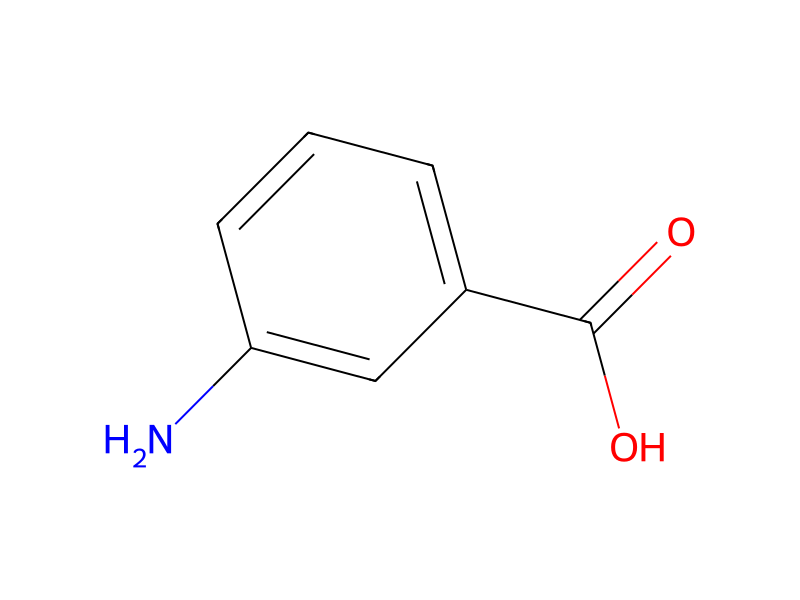
3-Aminobenzoic Acid → HCID 17986372、化合物
HRID 970449
反応式

[CH2:1]([O:8][C:9](=[O:25])[NH:10][CH2:11][CH2:12][CH2:13][CH2:14][CH2:15][NH:16][C:17]1[C:22]([Br:23])=[CH:21][N:20]=[C:19](Cl)[N:18]=1)[C:2]1[CH:7]=[CH:6][CH:5]=[CH:4][CH:3]=1.[NH2:26][C:27]1[CH:28]=[C:29]([CH:33]=[CH:34][CH:35]=1)[C:30]([OH:32])=[O:31]>C(#N)C.O>[CH2:1]([O:8][C:9]([NH:10][CH2:11][CH2:12][CH2:13][CH2:14][CH2:15][NH:16][C:17]1[C:22]([Br:23])=[CH:21][N:20]=[C:19]([NH:26][C:27]2[CH:28]=[C:29]([CH:33]=[CH:34][CH:35]=2)[C:30]([OH:32])=[O:31])[N:18]=1)=[O:25])[C:2]1[CH:7]=[CH:6][CH:5]=[CH:4][CH:3]=1参加物
4


実験手順
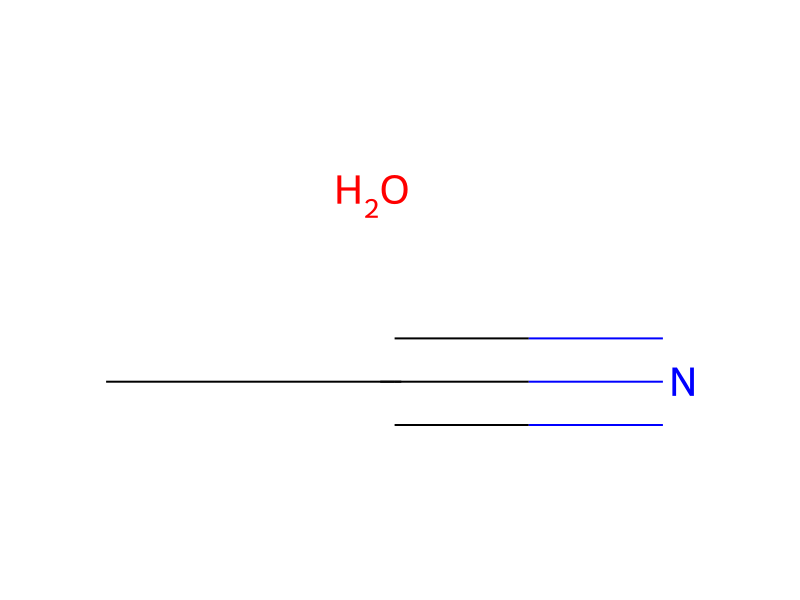
A reaction mixture of 1.20 g (2.8 mmol) of [5-(5-bromo-2-chloro-pynmidin-4-ylamino)-pentyl]-carbamic acid-benzyl ester and 0.37 g (2.7 mmol) of 3-aminobenzoic acid in acetonitrile/water (8 ml/1.5 ml) is stirred under reflux for 20 hours. The reaction mixture is spun in, and the remaining residue is purified by chromatography (dichloromethane/methanol 9:1, Flashmaster II). 1.27 g (2.4 mmol, corresponding to 86% of theory) of the product is obtained.