Cyanogen Bromide → 2-Amino-5-(4-fluorophenylsulfonyloxy)benzimidazole
反応式

[F:1][C:2]1[CH:7]=[CH:6][C:5]([S:8]([O:11][C:12]2[CH:25]=[CH:24][C:15]3[N:16]=[C:17]([NH:19]C(OC)=O)[NH:18][C:14]=3[CH:13]=2)(=[O:10])=[O:9])=[CH:4][CH:3]=1.N#CBr>CO>[NH2:19][C:17]1[NH:18][C:14]2[CH:13]=[C:12]([O:11][S:8]([C:5]3[CH:6]=[CH:7][C:2]([F:1])=[CH:3][CH:4]=3)(=[O:9])=[O:10])[CH:25]=[CH:24][C:15]=2[N:16]=1参加物
4
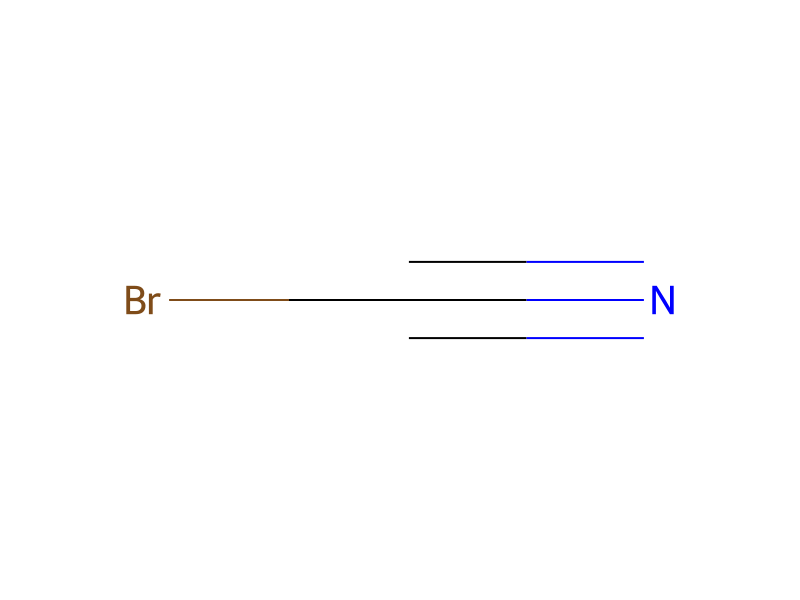



実験手順
14.1 g of 1,2-diamino-4-(4-fluorophenylsulfonyloxy)benzene (see Example 1) and 5.8 g of cyanogen bromide in 150 ml of methanol are heated to reflux for 6 h, then the mixture is cooled and concentrated. The residue is dissolved in water, and ammonia is added with cooling. The precipitated 2-aminobenzimidazole derivative is filtered off with suction, washed with water, dried and recrystallized from ethyl acetate and diisopropyl ether, with the addition of active charcoal; melting point 192° C.