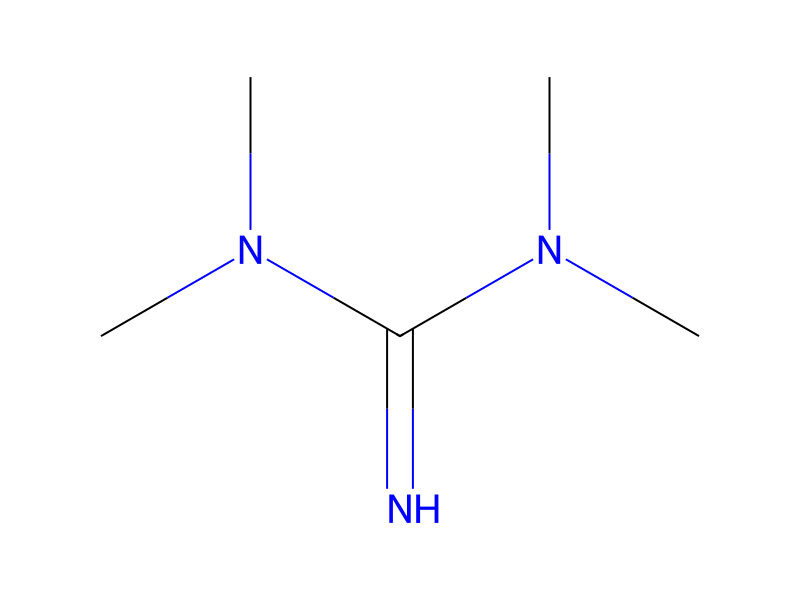
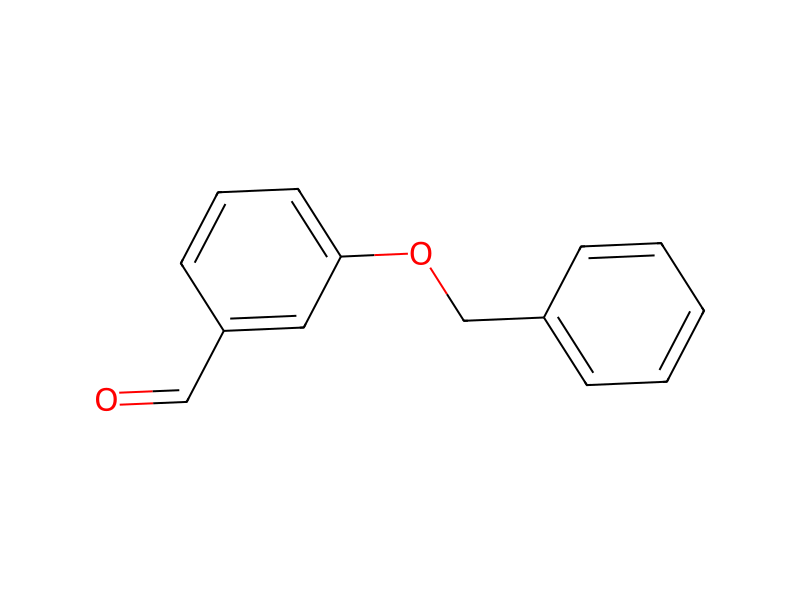
CN(C)C(=N)N(C)C.[CH2:9]([O:16][C:17]1[CH:18]=[C:19]([CH:22]=[CH:23][CH:24]=1)[CH:20]=O)[C:10]1[CH:15]=[CH:14][CH:13]=[CH:12][CH:11]=1.[Cl-].[CH2:26]([O:28][CH:29]([P+](C1C=CC=CC=1)(C1C=CC=CC=1)C1C=CC=CC=1)[C:30]([O:32][CH2:33][CH3:34])=[O:31])[CH3:27]>ClCCl>[CH2:33]([O:32][C:30](=[O:31])[C:29]([O:28][CH2:26][CH3:27])=[CH:20][C:19]1[CH:22]=[CH:23][CH:24]=[C:17]([O:16][CH2:9][C:10]2[CH:15]=[CH:14][CH:13]=[CH:12][CH:11]=2)[CH:18]=1)[CH3:34]Tetramethylguanidine (6.5 g; 56.6 mmole) was slowly added to a solution of 3-benzyloxybenzaldehyde (11.7 g; 55 mmole) and (1,2-diethoxy-2-oxoethyl)(triphenyl) phosphonium chloride (20.1 g; 46.8 mmole) in dichloromethane (200 ml) at 0° C. After stirring at room temperature overnight the solvent was evaporated in vacuo. Diethyl ether was added and insoluble material was filtered off. The filtrate was washed with sodium bicarbonate solution, dried (magnesium sulfate), filtered and the solvent was evaporated in vacuo. The residue was purified by chromatography on silica gel using THY (0.5%) in dichloromethane as eluant. The remaining aldehyde was removed by stirring with sodium bisulfite in water and diethyl ether for 2 days. The phases were separated and the organic phase was evaporated in vacuo to give 10.5 g (yield 69%) of the desired product.