Triphenylphosphine → (S)-2-ethoxy-3-(4-{2-[4-(phenylsulfanyl)phenyl]ethoxy}phenyl)propanoic acid ethyl ester
HRID 987325
反応式

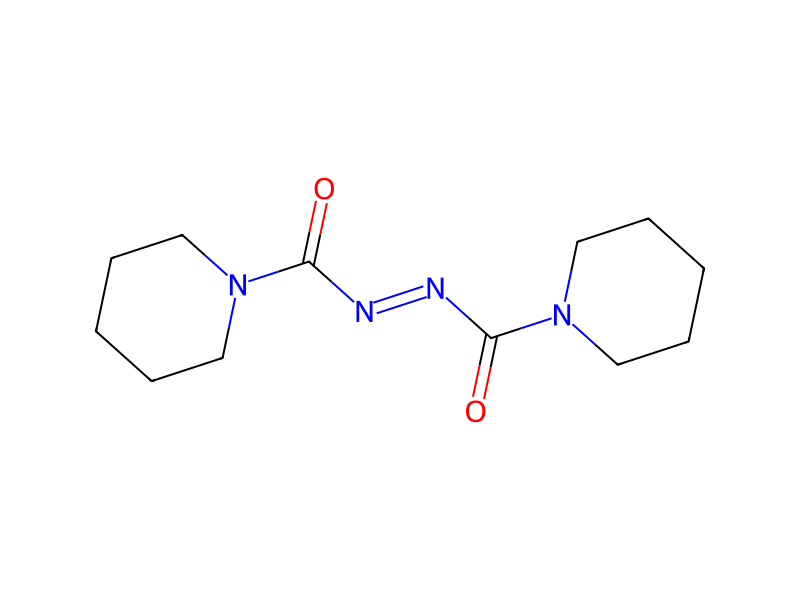
[C:1]1([S:7][C:8]2[CH:13]=[CH:12][C:11]([CH2:14][CH2:15][OH:16])=[CH:10][CH:9]=2)[CH:6]=[CH:5][CH:4]=[CH:3][CH:2]=1.[C:17]1(P(C2C=CC=CC=2)C2C=CC=CC=2)C=CC=C[CH:18]=1.N(C(N1CCCCC1)=O)=NC(N1CCCCC1)=O.[CH2:54]([O:56][C@@H:57]([CH2:61][C:62]1[CH:67]=[CH:66][C:65](O)=[CH:64][CH:63]=1)[C:58]([OH:60])=[O:59])[CH3:55]>ClCCl>[CH2:17]([O:60][C:58](=[O:59])[C@@H:57]([O:56][CH2:54][CH3:55])[CH2:61][C:62]1[CH:67]=[CH:66][C:65]([O:16][CH2:15][CH2:14][C:11]2[CH:12]=[CH:13][C:8]([S:7][C:1]3[CH:2]=[CH:3][CH:4]=[CH:5][CH:6]=3)=[CH:9][CH:10]=2)=[CH:64][CH:63]=1)[CH3:18]参加物
6