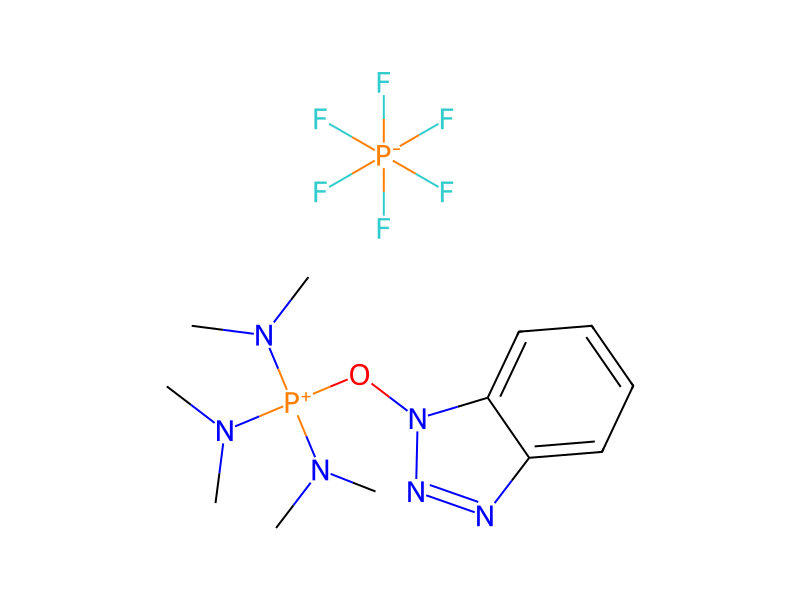
2,4-Dichloro-3-cyano aniline (6.0 g, 32.1 mmol), hexanoic diacid (9.5 mL, 138.3 mmol), BOP (28.4 g, 64.2 mmol, Isochem) and triethyl amine (27.0 mL, 192.6 mmol) was dissolved in 75 mL DMF. The reaction was allowed to stand for 2 days at room temperature. TLC showed an insufficient reaction and a new portion of BOP, hexanoic diacid and triethyl amine was added. The reaction was stirred for a day at room temperature. Water (750 mL) was added to the reaction. The crude mixture was extracted by dichloromethane (400 mL). The dichloromethane was extracted with sodium carbonate (10%, 3 times) and hydrochloric acid (6M, 3 times). The dichloromethane was dried with magnesium sulfate and the resulting solution was concentrated in vacuum to yield a crude oily product (6.0 g, 60%) which was used directly without further purification in the next step.