Glycol monoethyl ether → 4-(3-Bromoanilino)-8-nitro[1]benzothieno[3,2-b]pyridine-3-carbonitrile
HRID 989334
反応式

Cl[C:2]1[C:7]([C:8]#[N:9])=[CH:6][N:5]=[C:4]2[C:10]3[CH:16]=[C:15]([N+:17]([O-:19])=[O:18])[CH:14]=[CH:13][C:11]=3[S:12][C:3]=12.C(OCCO)C.Cl.N1C=CC=CC=1.[Br:33][C:34]1[CH:35]=[C:36]([CH:38]=[CH:39][CH:40]=1)[NH2:37]>>[Br:33][C:34]1[CH:35]=[C:36]([CH:38]=[CH:39][CH:40]=1)[NH:37][C:2]1[C:7]([C:8]#[N:9])=[CH:6][N:5]=[C:4]2[C:10]3[CH:16]=[C:15]([N+:17]([O-:19])=[O:18])[CH:14]=[CH:13][C:11]=3[S:12][C:3]=12参加物
5


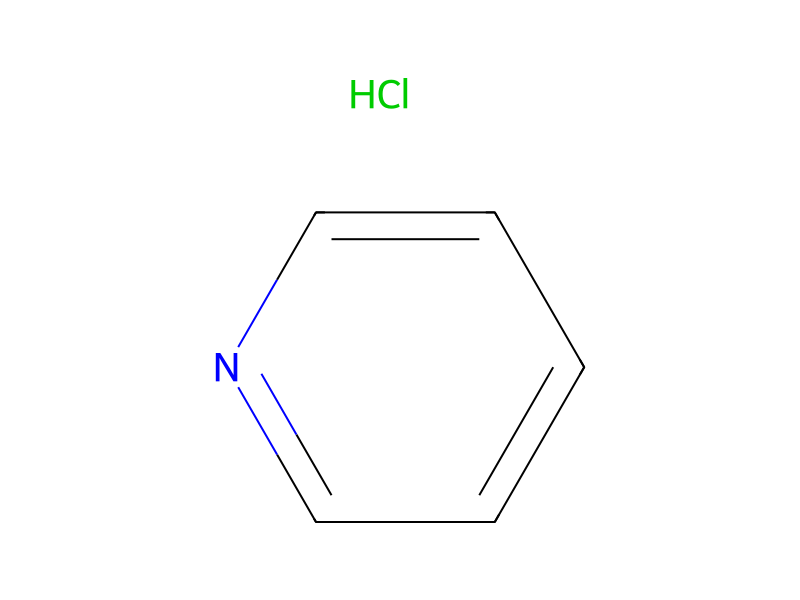


実験手順
A solution of 400 mg (1.38 mmol) of 4-chloro-8-nitrobenzo[4,5]thieno[3,2-b]pyridine-3-carbonitrile in 8 mL of 2-ethoxyethanol containing 160 mg (1.38 mmol) of pyridine hydrochloride and 0.180 mL (1.65 mmol) of 3-bromoaniline is heated at reflux for 4 hours. The reaction mixture is filtered hot and the solid is stirred with methanol and ammonium hydroxide. The mixture is poured into water and the solid is collected, washing with ethyl acetate to give 363 mg (62%) of 4-(3-bromoanilino)-8-nitro[1]benzothieno[3,2-b]pyridine-3-carbonitrile as a brown solid, mp>300° C.