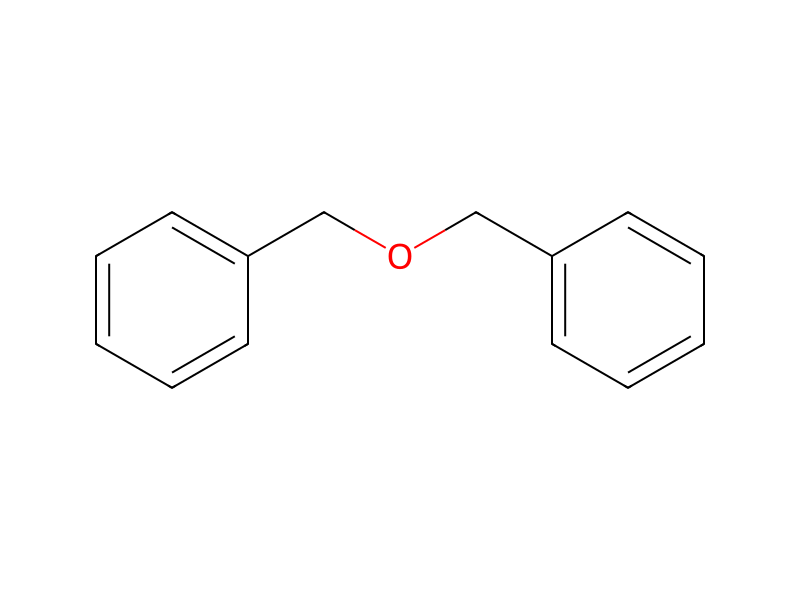
Dibenzyl ether → 3-(Propan-2-yl)cyclopentan-1-one
反応式

C1(=O)CCC=C1.C(OCC1C=CC=CC=1)C1C=CC=CC=1.[CH:22]([C:25]1[CH2:29][CH2:28][C:27](=[O:30])[CH:26]=1)([CH3:24])[CH3:23]>>[CH:22]([CH:25]1[CH2:29][CH2:28][C:27](=[O:30])[CH2:26]1)([CH3:24])[CH3:23]参加物


実験手順
Cyclopentenones designed to test the tolerance of the catalyst to functional groups and steric hindrance were subjected to the reduction conditions. A cyclopentenone that contained an isolated olefin was successfully reduced in high ee (entry 5). Substrates with either a benzyl ether (entry 6) or an ester (entry 7) were also reduced with high enantioselectivity. Examination of the tolerance of the catalyst to steric hindrance on the substrate revealed that longer reaction times were necessary as the steric bulk of the substituent on the β-carbon increased. For instance, the reduction of 3-isopropylcyclopentenone (entry 8) proceeded to 90% completion after 3 days to afford 3-isopropylcyclopentanone in 88% yield and 94% ee.13,14 To date, attempted reductions of cyclopentenones with vinyl or alkynyl groups conjugated to the enone to gave mixtures of products resulting from competing 1,4- and 1,6-reductions.
後処理
- customExamination of the tolerance of the catalyst to steric hindrance on the substrate revealed that longer reaction times
- temperatureincreased
出典と根拠
- ORDレコード
- ord-eeac5b3f9b32484abfd161843cf48daf
- 出典データセット
- uspto-grants-2002_10
- 特許番号
- US06465664B1
反応ノート
読み込み中…