
기본 정보
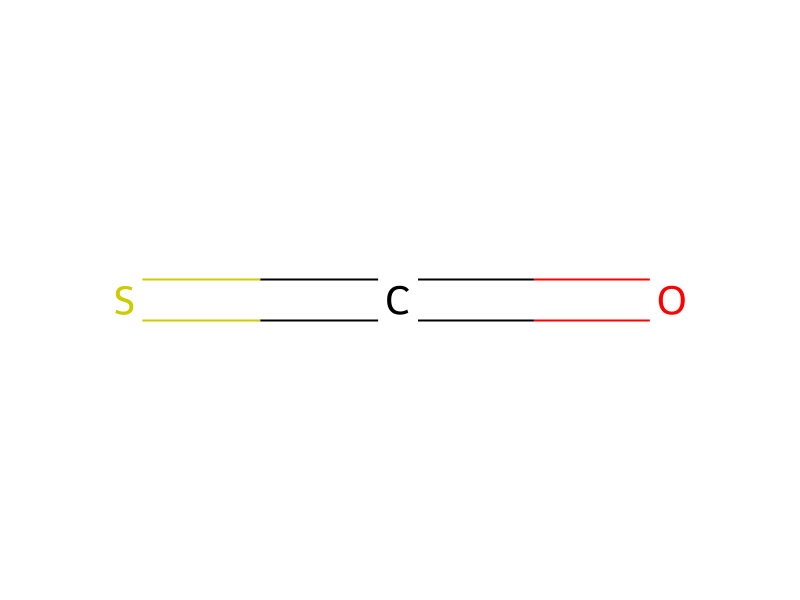
- 표준 SMILES
O=C=S- InChIKey
JJWKPURADFRFRB-UHFFFAOYSA-N- 분자식
- COS
- 평균 분자량
- 60.08 g/mol
- 단동위원소 질량
- 59.96698562
개요
Carbonyl sulfide is a colorless, poisonous, flammable gas with a distinct sulfide odor. The gas is toxic and narcotic in low concentrations and presents a moderate fire hazard. Under prolonged exposure to fire or intense heat the container may rupture violently or rocket. It is used in the synthesis of organic thio compounds.
이름 및 식별자
- 우선 이름
- Carbonyl Sulfide
- IUPAC
- sulfanylidenemethanone
- 현지명
- 카보닐 황화합물
- 영어명
- Carbonyl sulfide
- 분자식
- COS
- 분자량
- 60.07
이름 및 동의어
CARBONYL SULFIDECarbon oxysulfide463-58-1Carbonyl sulphideCarbon oxide sulfideOxycarbon sulfideCarbon monoxide monosulfideCarbon oxide sulfide (COS)DTXSID6023949871UI0ET21CHEBI:16573RefChem:123642
이름 더 보기
카보닐설파이드카보닐황화합물카보닐황화합물카보닐 설파이드카르보닐황화물COSthioforminOxothioxocarbonoxycarbonsulfideThioxo-methanoneOxomethanethione
DTXCID903949carbonyl sulfide;oxidosulfidocarbon207-340-0thioxomethanonecarbonylsulfideoxidosulfidocarbonC(O)SO=C=S
데이터베이스 식별자
- CAS
463-58-1- PubChem CID
- 10039
- DTXSID
DTXSID6023949- ChEBI
CHEBI:16573- UNII
- 871UI0ET21
- EC Number
- 207-340-0
- Nikkaji
- J2.591G
물성
구조 계산 물성
- XLogP
- 1.5
- 극성 표면적
- 49.2 Ų
- 수소 결합 공여자 수
- 0
- 수소 결합 수용자 수
- 2
- 회전 가능 결합 수
- 0
- 무거운 원자 수
- 3
- 형식 전하
- 0
- 복잡도
- 27.8
실험 및 물리화학적 성질
Chemical Classes
Hazardous Air Pollutants (HAPs)
Toxic Gases & Vapors -> Other Toxic Gases & Vapors
Flammable agents - 4th degree
SpringerMaterials PropertiesDunham energy parameter
PesticidesPesticide -> EPA IRIS
Odor
Odorless when very pure
Typical sulfide odor except when pure
Density
2.456 g/L
Liquid density (174 K): 1.274 g/cu cm. Vapor density (25 °C, 1 atm): 2.849 g/L
2.456 @25 °C
Color/FormColorless gas
Solubility
In water, 1,220 mg/L at 25 °C
Solubility at 1 atm (mL/mL): water 0.80 (12.5 °C)
Soluble in water
Soluble in ethanol
For more Solubility (Complete) data for Carbonyl sulfide (6 total), please visit the HSDB record page.
CorrosivityAttacks metals in the presence of moisture and is involved in atmospheric sulfur corrosion
Boiling Point
-50 °C
-50 °C @760 [mm Hg]
Decomposition
Hazardous decomposition products formed under fire conditions: Carbon oxides, sulfur oxides.
When heated to decomposition it emits toxic fumes of /carbon monoxide/.
Melting Point
-138.8 °C
-58.4 °F
-138.8 °C
Vapor Density2.1 (Air = 1) (gas)
물리화학적 성질
- 녹는점
- 138 °C · −138 °C(lit.)
- 끓는 점
- 50 °C · −50 °C(lit.)
- 밀도
- 1.274 · 1.274; 2.4849
- 증기 밀도
- 2.1 · 2.1 (20 °C, vs air)
- 증기압
- 9034 mm · 9034 mm Hg ( 21 °C)
- 굴절률
- 1.3785 · n 1.3785
- 용해도
- 2 O, · soluble in H2O, ethanol
- 물리적 상태
- 가스
- 색상
- 무색의
- Odor Threshold
- 0.055 ppm · 0.055ppm
- 폭발한계
- 11.9 · 11.9-29%
- 수용성
- 100 mL · mL/100mL H2O: 133.3(0°C), 56.1(20°C), 40.3(30°C) [LAN05]; H2O [COT88]에서 천천히 분해됩니다. 가용성 알코올 [HAW93]
- 비열
- 0.69 J/ · Cp(gas): 0.69 J/(g·K), at 25℃
- Henry's Law Constant
- 2 · 2.0×10-4 mol/(m3Pa) at 25℃, Burkholder et al. (2019)
- 안정성
- 안정적인. 습기가 있을 경우 일반 금속을 부식시킵니다. 산화제와 격렬하게 반응함. 가연성. 실린더로 흡입되면 파열될 수 있습니다.
- InChI
- 1S/COS/c2-1-3
- InChIKey
- JJWKPURADFRFRB-UHFFFAOYSA-N
- SMILES
- O=C=S
- EPA
- Carbonyl sulfide (463-58-1)
화학적 성질
Carbonyl sulfide is a colorless gas or cold liquid.
안전 및 규제
GHS 분류
GHS Classification
Danger
H220 (100%): Extremely flammable gas [Danger Flammable gases]
P203, P210, P222, P261, P264, P264+P265, P271, P280, P302+P352, P304+P340, P305+P351+P338, P316, P319, P321, P332+P317, P337+P317, P362+P364, P377, P381, P403, P403+P233, P405, P410+P403, and P501 (click each P-code to see the statement)
Aggregated GHS information provided per 196 reports by companies from 6 notifications to the ECHA C&L Inventory. Each notification may be associated with multiple companies.
Danger
H220: Extremely flammable gas [Danger Flammable gases]
유해성 정보
Hazards IdentificationToxic/poison by inhalation (TIH/PIH)
Regulatory Information
Chemical: Carbon oxide sulfide, (COS)
Hazard Traits - Neurotoxicity; Ocular Toxicity
Carbon oxide sulfide (COS) is listed on the EPA's Chemical Data Reporting (CDR) system. Manufacturers and importers of Carbon oxide sulfide (COS) are required to report information about their production and use of this chemical to the EPA under the Toxic Substances Control Act (TSCA). (40 eCFR Part 711)
Carbon oxide sulphide (carbonyl sulphide): HSNO Approval: HSR001057 Approved with controls
The New Jersey Worker and Community Right to Know Act requires public and private employers to provide information about hazardous substances at their workplaces. (N.J.S.A. 34:5A-1 et. seq.)
DOT LabelPoison Gas Flammable Gas
Fire Hazards
Excerpt from ERG Guide 119 [Gases - Toxic - Flammable]:
· Flammable; may be ignited by heat, sparks or flames.
Fire PotentialA very dangerous fire hazard and moderate explosive hazard when exposed to heat or flame.
Health Hazards
Excerpt from ERG Guide 119 [Gases - Toxic - Flammable]:
· TOXIC; may be fatal if inhaled or absorbed through skin. Some may cause severe skin burns and eye damage.
Hazards Summary
Carbonyl sulfide is used as an intermediate in organic compound synthesis. Limited information is available on the health effects of carbonyl sulfide. Acute (short-term) inhalation of high concentrations of carbonyl sulfide may cause narcotic effects in humans. Carbonyl sulfide may also irritate the eyes and skin in humans. No information is available on the chronic (long-term), reproductive, developmental, or carcinogenic effects of carbonyl sulfide in humans. EPA has not classified carbonyl sulfide with respect to potential carcinogenicity.
Liquefied gas can cause frostbite; [NJ-HSFS] TLV Basis = CNS impairment; Carbonyl sulfide is less toxic than hydrogen sulfide in animal experiments; A slight methemoglobinemia occurs in animals exposed to > 151 ppm; Adverse effects are due mainly to hydrogen sulfide; [ACGIH] Decomposes to hydrogen sulfide in moist air or lungs; [CHEMINFO MSDS] See Hydrogen sulfide.
DOT ID and Guide2204 119
Reactive GroupSulfides, Inorganic
Special ReportsHHS/ATSDR; Toxicological Profile for Hydrogen Sulfide and Carbonyl Sulfide 254 pp (November 2016).[Available from, as of January 11, 2018: http://www.atsdr.cdc.gov/toxprofiles/index.asp]
RCRA RequirementsD003; A solid waste containing sulfide cmpd may become characterized as a hazardous waste when subjected to testing for reactivity as stipulated in 40 CFR 261.23, and if so characterized, must be managed as a hazardous waste. /Sulfide cmpd/
Reactivity AlertsHighly Flammable
안전 및 보호
Fire FightingExcerpt from ERG Guide 119 [Gases - Toxic - Flammable]:
Accidental Release Measures
· CALL 911. Then call emergency response telephone number on shipping paper. If shipping paper not available or no answer, refer to appropriate telephone number listed on the inside back cover.
· ELIMINATE all ignition sources (no smoking, flares, sparks or flames) from immediate area.
First Aid
Excerpt from ERG Guide 119 [Gases - Toxic - Flammable]:
General First Aid:
Firefighting HazardsUnder prolonged exposure to fire or intense heat the container may rupture violently or rocket.
Exposure Control and Personal Protection
· Wear positive pressure self-contained breathing apparatus (SCBA).
TIH (Toxic Inhalation Hazard) - Term used to describe gases and volatile liquids that are toxic when inhaled. Some are TIH materials themselves, e.g., chlorine, and some release TIH gases when spilled in water, e.g., chlorosilanes. [ERG 2016].
Fire Fighting Procedures
Suitable extinguishing media: Use water spray, alcohol-resistant foam, dry chemical or carbon dioxide.
Advice for firefighters: Wear self-contained breathing apparatus for firefighting if necessary.
Use water spray to cool unopened containers.
Do not extinguish a leaking gas fire unless leak can be stopped. Small fire: Dry chemical, CO2, water spray or alcohol-resistant foam. Large fireE: Water spray, fog or alcohol-resistant foam. For chlorosilanes, do not use waterR; use AFFF alcohol-resistant medium-expansion foam. Move containers from fire area if you can do it without risk. Damaged cylinders should be handled only by specialists. Fire involving tanks: Fight fire from maximum distance or use unmanned hose holders or monitor nozzles. Cool containers with flooding quantities of water until well after fire is out. Do not direct water at source of leak or safety devices; icing may occur. Withdraw immediately in case of rising sound from venting safety devices or discoloration of tank. Always stay away from tanks engulfed in fire.
For more Fire Fighting Procedures (Complete) data for Carbonyl sulfide (6 total), please visit the HSDB record page.
Storage ConditionsKeep container tightly closed in a dry and well-ventilated place. Contents under pressure. Storage class (TRGS 510): Gases
Cleanup Methods
ACCIDENTAL RELEASE MEASURES: Personal precautions, protective equipment and emergency procedures: Wear respiratory protection. Avoid breathing vapors, mist or gas. Ensure adequate ventilation. Remove all sources of ignition. Evacuate personnel to safe areas. Beware of vapors accumulating to form explosive concentrations. Vapors can accumulate in low areas. Environmental precautions Prevent further leakage or spillage if safe to do so. Do not let product enter drains. Methods and materials for containment and cleaning up: Clean up promptly by sweeping or vacuum.
Eliminate all ignition sources (no smoking, flares, sparks or flames in immediate area). All equipment used when handling the product must be grounded. Fully encapsulating, vapor-protective clothing should be worn for spills and leaks with no fire. Do not touch or walk through spilled material. Stop leak if you can do it without risk. Do not direct water at spill or source of leak. Use water spray to reduce vapors or divert vapor cloud drift. Avoid allowing water runoff to contact spilled material. For chlorosilanes, use AFFF alcohol-resistant medium-expansion foam to reduce vapors. If possible, turn leaking containers so that gas escapes rather than liquid. Prevent entry into waterways, sewers, basements or confined areas. Isolate area until gas has dispersed.
Nonfire Spill ResponseExcerpt from ERG Guide 119 [Gases - Toxic - Flammable]:
Disposal Methods
Generators of waste (equal to or greater than 100 kg/mo) containing this contaminant, EPA hazardous waste number D003, must conform with USEPA regulations in storage, transportation, treatment and disposal of waste.
Product: Burn in a chemical incinerator equipped with an afterburner and scrubber but exert extra care in igniting as this material is highly flammable. Offer surplus and non-recyclable solutions to a licensed disposal company. Contact a licensed professional waste disposal service to dispose of this material. Contaminated packaging: Dispose of as unused product.
Preventive Measures
ACCIDENTAL RELEASE MEASURES: Personal precautions, protective equipment and emergency procedures: Wear respiratory protection. Avoid breathing vapors, mist or gas. Ensure adequate ventilation. Remove all sources of ignition. Evacuate personnel to safe areas. Beware of vapors accumulating to form explosive concentrations. Vapors can accumulate in low areas. Environmental precautions Prevent further leakage or spillage if safe to do so. Do not let product enter drains.
Precautions for safe handling: Avoid contact with skin and eyes. Avoid inhalation of vapor or mist. Use explosion-proof equipment. Keep away from sources of ignition - No smoking. Take measures to prevent the build up of electrostatic charge.
Appropriate engineering controls: Avoid contact with skin, eyes and clothing. Wash hands before breaks and immediately after handling the product.
Gloves must be inspected prior to use. Use proper glove removal technique (without touching glove's outer surface) to avoid skin contact with this product. Dispose of contaminated gloves after use in accordance with applicable laws and good laboratory practices. Wash and dry hands.
For more Preventive Measures (Complete) data for Carbonyl sulfide (8 total), please visit the HSDB record page.
Isolation and Evacuation
Excerpt from ERG Guide 119 [Gases - Toxic - Flammable]:
Immediate precautionary measure
Small spill:
Small spill:
독성 정보
Body Burden
Carbonyl sulfide was qualitatively detected in 1 of 8 samples of mother's milk obtained from residents of urban centers in PA, NJ, and LA(1). Carbonyl sulfide was found in 1 of 8 personal air samples of subjects monitored in Bayonne and Elizabeth, NJ(2).
Interactions
Carbonyl sulfide (COS) is acutely toxic to rats, with an LD50 of 22.5 mg/kg, ip. COS is partly metabolized in vivo to hydrogen sulfide. Pretreatment of rats with acetazolamide, reduced the blood levels of hydrogen sulfide and decreased the toxicity of COS. Sodium nitrite pretreatment also protected animals against COS toxicity. Acetazolamide had no effect on hydrogen sulfide toxicity per se.
Pre-exposure to acetazolamide (a carbonic anhydrase inhibitor) resulted in a decrease in mortality in rats exposed via intraperitoneal injection to a lethal dose of carbonyl sulfide ... There is also in vitro evidence that carbonyl sulfide is metabolized by the mixed-function oxidase enzyme system to carbon dioxide ... However, the metabolism was not inhibited by the cytochrome P-450 monooxygenase inhibitors (SKF 525-A, 4-methylpyrazole, metyrapone) or substrate (carbon disulfide).
... In microsomes, (CS2) metabolism was increased by phenobarbital pretreatment of the rats and decreased with pretreatment of the rats with cobaltous chloride. In both microsomes and hepatocytes, CS2 metabolism was inhibited by SKF-525A. Carbon dioxide (CO2) was the major volatile metabolite of CS2 in hepatocytes, and carbonyl sulfide (COS) was the major volatile metabolite in microsomal incubations. Addition of cytosol to microsomal incubations shifted the predominant volatile metabolite from COS to CO2 but did not change total volatile metabolite formation. Acetazolamide, a carbonic anhydrase inhibitor, significantly decreased COS metabolism but not CS2 metabolism in isolated hepatocytes or microsomes fortified with dialyzed cytosol. When [(18)O]H2O was included in incubations of microsomes and CS2, a substantial portion of the resulting COS was [(18)O] enriched.
Environmental Fate
TERRESTRIAL FATE: Based on a classification scheme(1), an estimated Koc value of 1(SRC), determined from a structure estimation method(2), indicates that carbonyl sulfide is expected to have very high mobility in soil(SRC). Volatilization of carbonyl sulfide from moist soil surfaces is expected to be an important fate process(SRC) given an estimated Henry's Law constant of 0.61 atm-cu m/mole(SRC), based upon its vapor pressure, 9.41X10+3 mm Hg(3), and water solubility, 1.22X10+3 mg/L(4). Carbonyl sulfide is not expected to volatilize from dry soil surfaces(SRC) based upon its vapor pressure(3). Biodegradation data in soil were not available(SRC, 2017).
AQUATIC FATE: Based on a classification scheme(1), an estimated Koc value of 1(SRC), determined from a structure estimation method(2), indicates that carbonyl sulfide is not expected to adsorb to suspended solids and sediment(SRC). Volatilization from water surfaces is expected(3) based upon an estimated Henry's Law constant of 0.61 atm-cu m/mole(SRC), derived from its vapor pressure, 9.41X10+3 mm Hg(4), and water solubility, 1.22X10+3 mg/L(5). Using this Henry's Law constant and an estimation method(3), volatilization half-lives for a model river and model lake are 2 hrs and 3 days, respectively(SRC). According to a classification scheme(6), an estimated BCF of 3(SRC), from an estimated log Kow of -1.33(2) and a regression-derived equation(2), suggests the potential for bioconcentration in aquatic organisms is low(SRC). Biodegradation data in water were not available(SRC, 2017).
ATMOSPHERIC FATE: According to a model of gas/particle partitioning of semivolatile organic compounds in the atmosphere(1), carbonyl sulfide, which has a vapor pressure of 9.41X10+3 mm Hg at 25 °C(2), is expected to exist solely as a gas in the ambient atmosphere. Gas-phase carbonyl sulfide is degraded in the atmosphere by reaction with photochemically-produced hydroxyl radicals(SRC); the half-life for this reaction in air is estimated to be 22 years(SRC), calculated from its rate constant of 2.0X10⁻¹⁵ cu cm/molecule-sec at 25 °C(3). Carbonyl sulfide did not absorb UV light at environmental wavelengths >290nm and, therefore, photolysis in the troposphere is negligible(4).
Adverse EffectsMethemoglobinemia - The presence of increased methemoglobin in the blood; the compound is classified as secondary toxic effect
Milk ConcentrationsCarbonyl sulfide was qualitatively detected in 1 of 8 samples of mother's milk obtained from residents of urban centers in PA, NJ, and LA(1).
Toxicity Summary
IDENTIFICATION AND USE: Carbonyl sulfide is a colorless gas. It is used as grain fumigant, and for small-scale synthesis and experiments. HUMAN STUDIES: There are no data available. ANIMAL STUDIES: Carbonyl sulfide is an odorless gas that produces highly reproducible lesions in the central nervous system. Carbonyl sulfide produced cortical and brainstem lesions and altered auditory neurophysiological responses to click stimuli in rats. In rats exposed to 500 or 600 ppm for up to 4 days, malacia and microgliosis were detected in numerous neuroanatomical regions of the brain by conventional optical microscopy and magnetic resonance microscopy. After a 2-week exposure to 400 ppm slight gait abnormality was detected in 50% of the rats and hypotonia was present in all rats. Continuous exposure of rabbits to approximately 50 ppm carbonyl sulfide for 7 weeks slightly elevated the mean serum cholesterol concentration. Serum triglyceride concentration was largely unaffected. Carbon sulfide is neither genotoxic nor a developmental toxicant but does reversibly impair male fertility. A decrease in pregnancy rate was observed in unexposed female rats mated with male rats exposed to 182 ppm carbonyl sulfide 6 hours/day, 5 days/week for 10 weeks and 6 hours/day, 7 days/week for a 3-week mating period. When the males were allowed to recover for 10 weeks prior to mating to unexposed females, no alterations in fertility were observed. ECOTOXICITY STUDIES: In insects, carbonic anhydrase has a key role in toxicity of carbonyl sulfide.
Ecotoxicity Excerpts
/OTHER TERRESTRIAL SPECIES/ Carbonyl sulfide (COS) is a ... fumigant used in phytosanitary treatments. It was developed as a potential alternative to methyl bromide, which is being phased out because of its ozone-depletion properties. To understand the molecular and cellular mechanisms occurring in fungal pathogens in response to COS fumigation, we cloned 510 cDNA fragments of Alternaria alternata (Fr.) Keissler genes that are differentially expressed; these genes were cloned using suppression subtractive hybridization. Changes in the levels of transcripts of 79 fragments were confirmed by microarray analysis and qRT-PCR. Further homology search revealed that they are highly homologous to 41 genes of other fungi, which were related to general metabolism, growth and division, defense, cellular transport, and signal transduction. These results provide an overview of differential expression profiles of A. alternata genes following COS treatment and some new clues about the mechanism of COS fungitoxicity.
/OTHER TERRESTRIAL SPECIES/ Carbonyl sulfide (COS) is a ... fumigant which has been a potential alternative to methyl bromide and phosphine in many applications. In this study, we investigated the fungitoxicity of COS towards the pathogen of pear black spot disease Alternaria alternata (Fr.) Keissler (A. alternata). Moreover, proteomic analysis and RT-PCR was performed and our results showed that during the fumigation, the regulation of 21 proteins in protein expression and mRNA accumulation levels is involved, which respond to growth inhibition caused by COS. These results provide new clues for the mechanism of the fungitoxicity of COS.
/OTHER TERRESTRIAL SPECIES/ The analogues carbon dioxide (CO(2)), carbonyl sulfide (COS) and carbon disulfide (CS(2)) have been useful as substrate probes for enzyme activities. Here we explored the affinity of the enzyme carbonic anhydrase for its natural substrate CO(2), as well as COS and CS(2) (1) by in vitro kinetic metabolism studies using pure enzyme and (2) through mortality bioassay of insects exposed to toxic levels of each of the gases during carbonic anhydrase inhibition. Hydrolysis of COS to form hydrogen sulfide was catalyzed rapidly showing parameters K(m) 1.86 mM and K(cat) 41 s(-1) at 25 degrees C; however, the specificity constant (K(cat)/K(m)) was 4000-fold lower than the reported value for carbonic anhydrase-catalyzed hydration of CO(2). Carbonic anhydrase-mediated CS(2) metabolism was a further 65,000-fold lower than COS. Both results demonstrate the deactivating effect toward the enzyme of sulfur substitution for oxygen in the molecule. We also investigated the role of carbonic anhydrases in CO(2), COS and CS(2) toxicity using a specific inhibitor, acetazolamide, administered to Tribolium castaneum (Herbst) larvae via the diet. CO(2) toxicity was greatly enhanced by up to seven-fold in acetazolamide-treated larvae indicating that carbonic anhydrases are a key protective enzyme in elevated CO(2) concentrations. Conversely, mortality was reduced by up to 12-fold in acetazolamide-treated larvae exposed to COS due to reduced formation of toxic hydrogen sulfide. CS(2) toxicity was unaffected by acetazolamide. These results show that carbonic anhydrase has a key role in toxicity of the substrates CO(2) and COS but not CS(2), despite minor differences in chemical formulae.
Ongoing Test Status
The following link will take the user to the National Toxicology Program (NTP) Test Status of Agents Search page, which tabulates the results and current status of tests such as "Short-Term Toxicity Studies", "Long-term Carcinogenicity Studies", "Developmental Studies", "Genetic Toxicology Studies", etc., performed with this chemical. Testing status for carbonyl sulfide is available.[Available from, as of March 27, 2018: https://ntpsearch.niehs.nih.gov/?e=True&ContentType=Testing+Status]
Effluent Concentrations
Annual Industrial emissions of carbonyl sulfide in the Netherlands, 1980, amounted to 46 ton/yr, all from stationary sources(1). The average concentration of carbonyl sulfide in the waste gas from two different shale oil retorting facilities were 394 ppm and 13 ppm(2). It was identified, not quantified, in one out of sixty-three effluent samples obtained from a wide range of chemical manufacturing plants in the USA(3). The tropospheric burden of carbonyl sulfide is estimated as 28 teragrams sulfur per year (Tg S/yr)(4). Estimated emissions of carbonyl sulfide from anthropogenic sources are 0.20 Tg/yr (range 0.4-0.15 (Tg/yr) from biomass burning and 0.06 Tg/yr (0.01-0.3 Tg/yr) from automobiles, chemical industries and sulfur recovery processes(5). Carbonyl sulfide concentration in biogas ranged from <1 to in Nov and Dec 2000 to 3, 9 and 2 g/cu cm in Feb, May 2001 and May 2002, respectively, from a biogas production plant in Linkoping, Sweden. Emissions prior to upgrade range from <1 to 1190 g/cu m(6). The compound as included in a sulfur compounds class was reported in gaseous emissions inside an unspecified mechanical biological treatment plant for municipal solid waste located in China. It was not detected in outdoor samples. The plant has a 1200 t/day capacity(7).
Major Hot Spots facilities which emitted COS in California in 2012. California Hot Spots is a 1987 Act which requires stationary sources of pollutants to report the types and quantities of certain substances)(1).[Table#5703]
EPA IRIS InformationCarbonyl sulfide
Soil Adsorption/Mobility
Using a structure estimation method based on molecular connectivity indices(1), the Koc of carbonyl sulfide can be estimated to be 1(SRC). According to a classification scheme(2), this estimated Koc value suggests that carbonyl sulfide is expected to have very high mobility in soil(SRC).
Natural Pollution Sources
Estimated emissions of carbonyl sulfide from natural sources total 2.7-3.5 teragrams sulfur per year (Tg S/yr). From oceanic emissions (0.4 Tg S/yr), salt marshes (0.12 Tg S/yr), inland swamps (1.85 Tg S/yr), soil and plants (0.2-1.0 Tg S/yr), burning of biomass (0.11 Tg S/yr) and volcanoes and fumaroles (0.01 Tg S/yr)(1). Total biogenic and anthropogenic output to the atmosphere can be estimated at 3 millions tons(1). Emissions of carbonyl sulfide have been associated with deciduous trees, coniferous trees, salt marshes and soils(2). The mean carbonyl sulfide emissions from a hardwood forest were 8.66 ug S/day and 19.86 ug S/day from a pine forest; the emission rate increased dramatically after the addition of fertilizer(3). The average emission of carbonyl sulfide from 5 different soil types was found to range from 0.0014 to 6.36 g S/cu m-yr(4).
Emission rates of the reduced sulfur gases carbonyl sulfide, dimethyl sulfide, and carbon disulfide from 12 representative soils in Germany have been examined by means of a dynamic gas emission chamber. The compounds were sampled by cryogenic technique and measured by subsequent gas chromatography/flame photometric detector analysis. Besides soil type, soil temperature is a major factor controlling carbonyl sulfide source strength. The emission of carbonyl sulfide does not show any clear dependence upon soil moisture, its fraction is about 35 to 40% of the total emission at all sampling sites. Dimethyl sulfide and carbonyl sulfide were the predominant gases emitted from organic soils. Carbonyl sulfide maximum emission rates reached 50 ng sulfur/sq m/min. Measurements of the diurnal variations of emission rates show daily patterns of dimethyl sulfide and carbonyl sulfide emission rates which coincide with the soil temperature curve. Sulfur fluxes of carbonyl sulfide from soil treated with liquid manure were enhanced by a factor of 5 to 6 compared to unfertilized soil of the same type(1).
규제 정보
RCRA RequirementsD003; A solid waste containing sulfide cmpd may become characterized as a hazardous waste when subjected to testing for reactivity as stipulated in 40 CFR 261.23, and if so characterized, must be managed as a hazardous waste. /Sulfide cmpd/
Atmospheric Standards
Listed as a hazardous air pollutant (HAP) generally known or suspected to cause serious health problems. The Clean Air Act, as amended in 1990, directs EPA to set standards requiring major sources to sharply reduce routine emissions of toxic pollutants. EPA is required to establish and phase in specific performance based standards for all air emission sources that emit one or more of the listed pollutants. Carbonyl sulfide is included on this list.
CERCLA Reportable Quantities
Persons in charge of vessels or facilities are required to notify the National Response Center (NRC) immediately, when there is a release of this designated hazardous substance, in an amount equal to or greater than its reportable quantity of 100 lb or 45.4 kg. The toll free number of the NRC is (800) 424-8802. The rule for determining when notification is required is stated in 40 CFR 302.4 (section IV.D.3.b).
DHS Chemicals of Interest (COI)
Carbon oxysulfide
1.00
10,000
Flammable chemical that can be released at a facility.
Carbonyl sulfide
56.67
안전 데이터
- wgk
- 3
- tsca
- TSCA listed
- rtecs
- FG6400000
- ridadr
- UN 2204
- 독성
- LD50 i.p. in rats: 22.5 mg/kg; LC50 by inhalation (mg/m3): 2940 in mice (35 min); 2650 in rats (4 h) (Bartholomaeus, Haritos)
- risk_code
- 11-20-36/37/38
- hazard_code
- F,Xn
- safety_code
- 16-26-38
- 위험 등급
- 2.3
- 기존화학 물질
- KE-04772
- Hazard Classifications
- Acute Tox. 2 InhalationEye Irrit. 2Flam. Gas 1BPress. Gas Liquefied gasSkin Irrit. 2STOT SE 3
- 스토리지 클래스
- 2A - Gases
- 유해 물질 데이터
- 463-58-1(Hazardous Substances Data)
화학 및 산업
약리 정보
Metabolism/Metabolites
In vitro studies suggest that carbonyl sulfide is metabolized to hydrogen sulfide and thiosulfate ... and in vivo evidence suggests that it is metabolized by carbonic anhydrase ... and the mixed function oxidase enzyme system to carbon dioxide.
Pre-exposure to acetazolamide (a carbonic anhydrase inhibitor) resulted in a decrease in mortality in rats exposed via intraperitoneal injection to a lethal dose of carbonyl sulfide ... There is also in vitro evidence that carbonyl sulfide is metabolized by the mixed-function oxidase enzyme system to carbon dioxide ... However, the metabolism was not inhibited by the cytochrome P-450 monooxygenase inhibitors (SKF 525-A, 4-methylpyrazole, metyrapone) or substrate (carbon disulfide).
... Studies on carbon disulfide metabolism using rat-liver microsomes ... demonstrated that carbonyl sulfide is an intermediate in formation of carbon dioxide ... The first step is microsomal cytochrome P450-mediated, NADPH-dependent ... & common by-product, atomic sulfur, seems ... Implicated in inhibition of P450 by carbon disulfide and by carbonyl sulfide.
Carbonyl sulfide is evidently metabolized to hydrogen sulfide by carbonic anhydrase. It is the hydrogen sulfide produced that is responsible for carbonyl sulfide toxicity.
... In microsomes, (CS2) metabolism was increased by phenobarbital pretreatment of the rats and decreased with pretreatment of the rats with cobaltous chloride. In both microsomes and hepatocytes, CS2 metabolism was inhibited by SKF-525A. Carbon dioxide (CO2) was the major volatile metabolite of CS2 in hepatocytes, and carbonyl sulfide (COS) was the major volatile metabolite in microsomal incubations. Addition of cytosol to microsomal incubations shifted the predominant volatile metabolite from COS to CO2 but did not change total volatile metabolite formation. Acetazolamide, a carbonic anhydrase inhibitor, significantly decreased COS metabolism but not CS2 metabolism in isolated hepatocytes or microsomes fortified with dialyzed cytosol. When [(18)O]H2O was included in incubations of microsomes and CS2, a substantial portion of the resulting COS was [(18)O] enriched.
Absorption, Distribution and Excretion
Carbonyl sulfide is absorbed via the respiratory tract based on the finding of histological damage in the brains of rats exposed to carbonyl sulfide gas.
Carbonyl sulfide, a new hydrophobic and volatile metabolite of disulfiram was found in blood samples from alcoholics treated with single or repeated doses of disulfiram. The dosage schedule included 400 mg of disulfiram every second or third day. After an interval of 3 days with no treatment, all were given a dose of 400 mg and blood samples taken before ingestion and 4 hr after ingestion. Of the samples take before this last dose, five had detectable concentrations of carbonyl sulfide (10 to 54 nmol/L) and the sixth was negative. In the samples taken after 4 hr, the carbony sulfide concentrations were higher in all subjects. Four subjects had carbonyl sulfide concentrations in the range 20 to 60 nmol/L. Two subjects showed 30-fold increases: from 10 to 28 nmol/L and from 16 to 540 nmol/L.
용도 및 제조
Uses
Carbonyl sulfide is used as an intermediate in the synthesis of organic sulfur compounds and alkyl carbonates.
Used as a chemical intermediate; Workers may be exposed during petroleum refining, coal destructive distillation, or rayon production; [HSDB] Produced naturally in soil and compost; Other sources are tobacco smoke, burning fossil fuels, gasification, and making petrochemicals; Also used as a grain fumigant and to make drugs, flavors, fragrances, pesticides, and rayon; [ACGIH]
Petroleum Production and Refining [Category: Industry]
Smoking cigarettes [Category: Food & Drugs]
The commercial importance of carbonyl sulfide is limited; it is not produced in large quantity, and is used principally for small-scale synthesis and experiments.
Carbonyl sulfide (COS) is a new grain fumigant which has been developed to replace methyl bromide, being phased out due to its ozone depletion properties, and to supplement phosphine gas which is experiencing increased insect resistance. Treatment of commodities with COS, a highly effective fumigant, results in residues that are near or indistinguishable to natural background levels of this compound.
U.S. Production
2023: 1,000,000 - <5,000,000 lb
(1977) AT LEAST 4.54X10+8 G (CAPTIVE PRODN)
Production volumes for non-confidential chemicals reported under the Inventory Update Rule.[Table#5704]
Non-confidential 2016 Chemical Data Reporting (CDR) information on the production and use of chemicals manufactured or imported into the United States. Chemical: Carbon oxide sulfide:
Consumer UsesFuel agents
Industry UsesFuel agents
Methods of Manufacturing
Hydrolysis of ammonium or potassium thiocyanate.
Production of carbonyl sulfide may be by the reaction of carbon monoxide with sulfur, reduction of sulfur dioxide with carbon, or hydrolysis of carbon disulfide. Small amounts of carbonyl sulfide invariably are formed when carbonaceous fuel is pyrolyzed in the presence of oxygen, steam, and sulfur compounds; the removal of carbonyl sulfide from these gas streams is the subject of many studies.
Reaction of phosgene with cadmium sulfide.
Formulations/Preparations97.5% minimum purity grade
General Manufacturing Information
Petroleum Refineries
Carbon oxide sulfide (COS): ACTIVE
Carbonyl sulfide occurs as a by-product in the manufacture of carbon disulfide and is an impurity in some natural gases, in many manufactured fuel gases and refinery gases, and in combustion products of sulfur-containing fuels.
CSIRO Australia and the global industrial gas company the BOC Group have signed a deal to deliver to the international market new alternative fumigants for treating soil, timber insect pests, weeds and diseases. CSIRO and BOC have agreed to commercialize ethanedinitrile (EDN) and carbonyl sulfide (COS) as alternatives for methyl bromide which is being phased out under the Montreal Protocol. EDN will initially be targeted to soil timber and devitilization of grain application in the label submitted with the registration data while COS is targeted to fumigation of durables. Applications targeting quarantine issues are being developed and will be added to the label as accepted by quarantines authorities. Data for registration was submitted in June 2005 to the Australian Pesticides and Veterinary Medicines Authority (APVMA) and the process is progressing. Negotiations for the supply of both fumigants are underway. BOC plan on introduce these alternatives, initially into the South Pacific market, to satisfy the needs of growers, fumigators and producers who have been willing to participate in the development phase. The driver for this has been due to problems being experienced with many of the current replacements for methyl bromide.
응용 분야
출처Carbonyl sulfide, COS, is now recognized as a component of the atmosphere at a tropospheric concentration of approximately 500 parts per trillion by volume, corresponding to a global burden of about 2.4 million tons. It is, therefore, a significant sulfur species in the atmosphere. It is possible that the HO• radicalinitiated oxidation of COS and carbon disulfide (CS2) would yield 8-12 million tons as S in atmospheric sulfur dioxide per year. Though this is a small yield compared to pollution sources, the HO•-initiated process could account for much of the SO2 burden in the remote troposphere. Both COS and CS2 are oxidized in the atmosphere by reactions initiated by the hydroxyl radical. The initial reactions are HO• + COS ® CO2 + HS• (11.10.1) HO• + CS2 ® COS + HS• (11.10.2) These reactions with hydroxyl radical initiate oxidation processes that occur through a series of atmospheric chemical reactions. The sulfur-containing products that are initially formed as shown by Reactions 11.10.1 and 11.10.2 undergo further reactions to sulfur dioxide and, eventually, to sulfate species.
용도carbonyl sulfide is use as a fumigant for durable commodities and structures was patented worldwide by Australia in 1992. It is effective on a wide range of pests, including the common stored product species at reasonable concentrations (less than 50 gm-3) and exposure times (1-5 days) . However, the egg stage of several insects showed tolerance to the fumigant. The other problems associated with the use of carbonyl sulfide include its high tainting odour on the treated products and reduction in the germination of seeds. Hydrogen sulphide, an impurity, present in fumigant product supply was reported to be responsible for the off-odour problem. Selective removal of hydrogen sulphide using absorbents like tertiary amine may solve the tainting issues with this fumigant.
일반 설명CARBONYL SULFIDE is a colorless, poisonous, flammable gas with a distinct sulfide odor. The gas is toxic and narcotic in low concentrations and presents a moderate fire hazard. Under prolonged exposure to fire or intense heat the container may rupture violently or rocket. CARBONYL SULFIDE is used in the synthesis of organic thio compounds.
상·하류 제품 정보
상류 원료
하류 제품
추가 설명
정의ChEBI: A one-carbon compound in which the carbon atom is attached to an oxygen and a sulfur atom via double bonds.
관련 반응
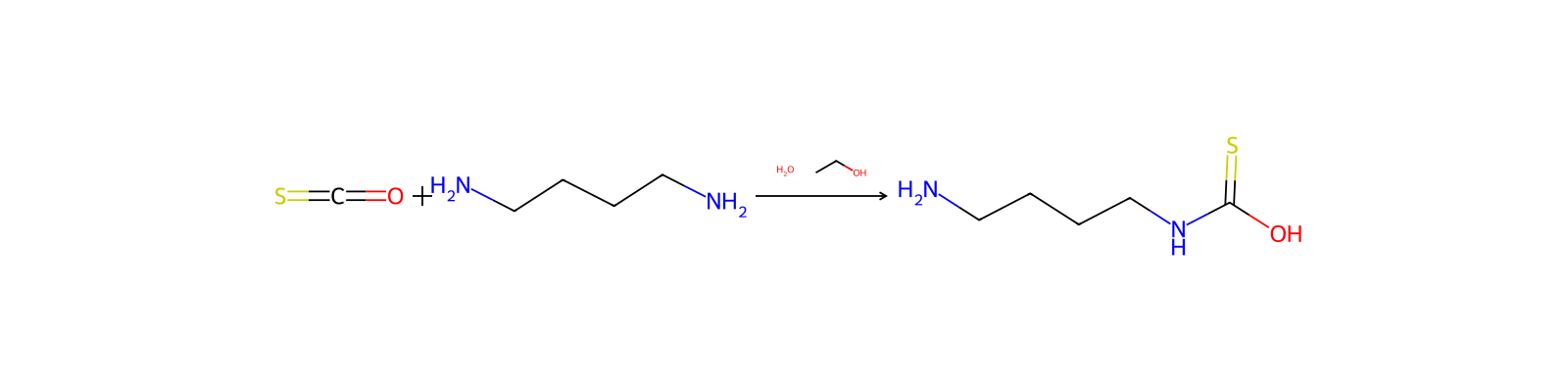
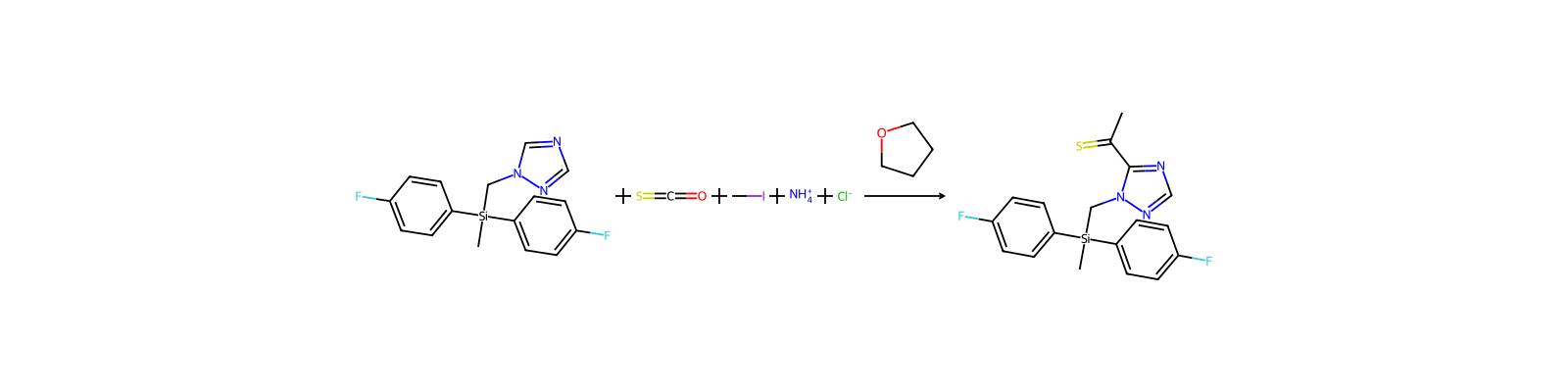
24건





연결된 노트
불러오는 중…