

기본 정보
- 표준 SMILES
CC(O)CO- InChIKey
DNIAPMSPPWPWGF-UHFFFAOYSA-N- 분자식
- C3H8O2
- 평균 분자량
- 76.09 g/mol
- 단동위원소 질량
- 76.0524295
개요
Propylene glycol is a synthetic liquid substance that absorbs water. Propylene glycol is also used to make polyester compounds, and as a base for deicing solutions. Propylene glycol is used by the chemical, food, and pharmaceutical industries as an antifreeze when leakage might lead to contact with food. The Food and Drug Administration (FDA) has classified propylene glycol as an additive that is "generally recognized as safe" for use in food. It is used to absorb extra water and maintain moisture in certain medicines, cosmetics, or food products. It is a solvent for food colors and flavors, and in the paint and plastics industries. Propylene glycol is also used to create artificial smoke or fog used in fire-fighting training and in theatrical productions. Other names for propylene glycol are 1,2-dihydroxypropane, 1,2-propanediol, methyl glycol, and trimethyl glycol. Propylene glycol is clear, colorless, slightly syrupy liquid at room temperature. It may exist in air in the vapor form, although propylene glycol must be heated or briskly shaken to produce a vapor. Propylene glycol is practically odorless and tasteless.
이름 및 식별자
- 우선 이름
- Propylene Glycol
- IUPAC
- propane-1,2-diol
- 영어명
- 1,2-Propanediol
- 분자식
- C3H8O2
- 분자량
- 76.09442
이름 및 동의어
propylene glycol1,2-propanediol57-55-6propane-1,2-diol1,2-Propylene glycol1,2-dihydroxypropane2-HydroxypropanolIsopropylene glycolDowfrostSirleneMethylethyl glycolMethylethylene glycol
이름 더 보기
Monopropylene glycolTrimethyl glycolPropylene Glycol USPSolar Winter BANSolargard Palpha-Propyleneglycoldl-Propylene glycolDL-1,2-Propanediol
데이터베이스 식별자
- CAS
25322-68-3、57-55-6、63625-56-9- PubChem CID
- 1030
- DTXSID
DTXSID0021206- ChEMBL
CHEMBL286398- ChEBI
CHEBI:16997- UNII
- 6DC9Q167V3
- EC Number
- 200-338-0、613-293-0
- Nikkaji
- J1.918F、J2.210A
물성
구조 계산 물성
- XLogP
- -0.9
- 극성 표면적
- 40.5 Ų
- 수소 결합 공여자 수
- 2
- 수소 결합 수용자 수
- 2
- 회전 가능 결합 수
- 1
- 무거운 원자 수
- 5
- 형식 전하
- 0
- 복잡도
- 20.9
실험 및 물리화학적 성질
DrugsPharmaceuticals
PolymersOther Classes -> Alcohols and Polyols, Other
Cosmetics
Cosmetic ingredients (PPG-12) -> CIR (Cosmetic Ingredient Review)
Cosmetic ingredients (PPG-15) -> CIR (Cosmetic Ingredient Review)
Cosmetic ingredients (PPG-17) -> CIR (Cosmetic Ingredient Review)
Cosmetic ingredients (PPG-20) -> CIR (Cosmetic Ingredient Review)
Cosmetic ingredients (PPG-26) -> CIR (Cosmetic Ingredient Review)
Cosmetic ingredients (PPG-30) -> CIR (Cosmetic Ingredient Review)
FragrancesFragrance Ingredient (Propylene glycol) -> IFRA transparency List
PesticidesPesticide -> EPA IRIS
LogP
log Kow = -0.92
-0.92
-0.99
OdorPractically odorless
TastePractically tasteless
Food Additives
ANTICAKING AGENT OR FREE-FLOW AGENT, ANTIMICROBIAL AGENT, ANTIOXIDANT, DRYING AGENT, EMULSIFIER OR EMULSIFIER SALT, FLAVOR ENHANCER, FLAVORING AGENT OR ADJUVANT, FORMULATION AID, HUMECTANT, SOLVENT OR VEHICLE -> FDA Substance added to food
Density
1.04 at 68 °F (USCG, 1999) - Denser than water; will sink
1.0361 g/cu cm at 20 °C
Relative density (water = 1): 1.04
1.04
1.0361 @ 20°C
Viscosity0.581 cP at 20 °C
Color/FormColorless viscous liquid
물리화학적 성질
- 녹는점
- -59 °C · -59 °C
- 끓는 점
- 188.2 °C · 188.2 °C
- 밀도
- 1.036 g/cm3 · 1.036 g/cm3(Temp: 25 °C)
- 산도 계수 (pKa)
- 14.49 · 14.49±0.20(Predicted)
안전 및 규제
GHS 분류
GHS Classification
This chemical does not meet GHS hazard criteria for 98% (6762 of 6899) of all reports.
Not Classified
Aggregated GHS information provided per 6899 reports by companies from 22 notifications to the ECHA C&L Inventory.
Danger
H336: May cause drowsiness or dizziness [Warning Specific target organ toxicity, single exposure; Narcotic effects]
P260, P261, P264, P270, P271, P304+P340, P308+P316, P319, P321, P403+P233, P405, and P501 (click each P-code to see the statement)
유해성 정보
Regulatory Information
Chemical: 1,2-Propanediol
Regulation (EC) No 1333/2008 (amended)
1,2-Propanediol is listed on the EPA's Chemical Data Reporting (CDR) system. Manufacturers and importers of 1,2-Propanediol are required to report information about their production and use of this chemical to the EPA under the Toxic Substances Control Act (TSCA). (40 eCFR Part 711)
Status: Active Update: 12-05-2023 https://echa.europa.eu/registration-dossier/-/registered-dossier/16001
1,2-Propanediol: Does not have an individual approval but may be used under an appropriate group standard
Other Safety InformationIMAP assessments - 1,2-Propanediol: Environment tier I assessment
Fire Hazards
This chemical is combustible. (NTP, 1992)
Combustible.
Fire PotentialCombustible liquid when exposed to heat or flame ...
Health HazardsLiquid may irritate eyes. (USCG, 1999)
Hazards Summary
Propylene glycol is a synthetic liquid substance that absorbs water. Propylene glycol is also used to make polyester compounds, and as a base for deicing solutions. Propylene glycol is used by the chemical, food, and pharmaceutical industries as an antifreeze when leakage might lead to contact with food. The Food and Drug Administration (FDA) has classified propylene glycol as an additive that is "generally recognized as safe" for use in food. It is used to absorb extra water and maintain moisture in certain medicines, cosmetics, or food products. It is a solvent for food colors and flavors, and in the paint and plastics industries. Propylene glycol is also used to create artificial smoke or fog used in fire-fighting training and in theatrical productions. Other names for propylene glycol are 1,2-dihydroxypropane, 1,2-propanediol, methyl glycol, and trimethyl glycol. Propylene glycol is clear, colorless, slightly syrupy liquid at room temperature. It may exist in air in the vapor form, although propylene glycol must be heated or briskly shaken to produce a vapor. Propylene glycol is practically odorless and tasteless.
Propylene glycol is designated by the FDA as GRAS (generally recognized as safe) for use as a food additive. It is commonly used in cosmetics and topical medications. Patch testing with propylene glycol is difficult because of irritant effects. It may cause allergic contact dermatitis in a small percentage of cases. It may also cause non-immunologic contact urticaria. [Marks, p. 156-7] Allergic contact dermatitis in a photographic developer using Flexicolor; [Kanerva, p. 1830] An eye irritant; [ICSC] Oral LD50 = 21,000 mg/kg in dogs; Causes CNS depression and coma in high-dose, animal-feeding studies; [AIHA] See Ethylene glycol.
FDA Requirements
Substance added directly to human food affirmed as generally recognized as safe (GRAS).
Propylene glycol used as an emulsifying agent in animal drugs, feeds, and related products is generally recognized as safe when used in accordance with good manufacturing or feeding practice.
Propylene glycol used as a general purpose food additive in animal drugs, feeds, and related products is generally recognized as safe when used in accordance with good manufacturing or feeding practice.
Drug products containing certain active ingredients offered over-the-counter (OTC) for certain uses. A number of active ingredients have been present in OTC drug products for various uses, as described below. However, based on evidence currently available, there are inadequate data to establish general recognition of the safety and effectiveness of these ingredients for the specified uses: propylene glycol is included in pediculicide drug products.
For more FDA Requirements (Complete) data for Propylene glycol (7 total), please visit the HSDB record page.
Reactive GroupAlcohols and Polyols
Special Reports
DHHS/NTP-CERHR; Propylene Glycol (CAS No. 57-55-6): Reproduction and Fertility Assessment in CD-1 Mice When Administered in Drinking Water, NTP Study No. RACB84068 (September 1985). NTP-CERHR monographs are transmitted to federal and state agencies, interested parties, and the public and are available in electronic PDF format on the CERHR web site and in printed text or CD-ROM from the CERHR.[Available from, as of August 14, 2002: http://ntp.niehs.nih.gov/index.cfm?objectid=0847F35A-0850-D1E7-B02ED4DDD150F990]
Organization for Economic Cooperation and Development; Screening Information Data Set for 1,2-Dihydroxypropane, CAS No. 57-55-6 (May 2001). This OECD Initial Assessment of HPV Chemicals is part of a series of OECD SIDS documents published by UNEP Chemicals to facilitate the access to information needed for health and environmental risk assessments of chemicals.[Available from, as of March 8, 2010: http://www.chem.unep.ch/irptc/sids/OECDSIDS/57-55-6.pdf]
European Commission, ESIS; IUCLID Dataset, Propane-1,2-diol (57-55-6) (2000 CD-ROM edition) contains information on use, toxicology, and environmental effects of this chemical as supplied to the European Union by industry.[Available from, as of January 12, 2009: http://esis.jrc.ec.europa.eu/]
IPCS; Poisons Information Monograph 443: Propylene glycol (May 1994). Poisons Information Monographs (PIM) are a global database with evaluated information on substances commonly involved in cases of poisoning.[Available from, as of March 8, 2010: http://www.inchem.org/documents/pims/chemical/pim443.htm]
For more Special Reports (Complete) data for Propylene glycol (9 total), please visit the HSDB record page.
EPA Safer ChemicalChemical: 1,2-Propanediol
FIFRA Requirements
Residues of propylene glycol are exempted from the requirement of a tolerance when used in accordance with good agricultural practice as inert (or occasionally active) ingredients in pesticide formulations applied to growing crops or to raw agricultural commodities after harvest. Use: solvent, cosolvent.
Residues of propylene glycol are exempted from the requirement of a tolerance when used in accordance with good agricultural practice as inert (or occasionally active) ingredients in pesticide formulations applied to animals. Use: solvent, cosolvent.
The Agency has completed its assessment of the dietary, drinking water, residential, ecological and occupational risks associated with the use of pesticide products containing the active ingredients propylene glycol and dipropylene glycol. Based on a review of these data, the Agency has sufficient information on the human health and ecological effects of propylene glycol and dipropylene glycol to make a decision as part of the tolerance reassessment process under FFDCA and reregistration under FIFRA, as amended by FQPA. The Agency has determined that propylene glycol and dipropylene glycol containing products are eligible for reregistration.
EPA has determined that the established exemption from a requirement for a tolerance for propylene glycol and dipropylene glycol, meet the safety standards under the FQPA amendments to section 408(b)(2)(C) of the FFDCA, that there is a reasonable certainty of no harm for infants and children. ... In determining whether or not infants and children are particularly susceptible to toxic effects from propylene glycol and dipropylene glycol residues, the Agency considered the completeness of the database for developmental and reproductive effects, the nature of the effects observed, and other information. The FQPA Safety Factor has been removed (i.e., reduced to 1X) for propylene glycol and dipropylene glycol because there is no pre- or post-natal evidence for increased susceptibility following exposure.
As the federal pesticide law FIFRA directs, EPA is conducting a comprehensive review of older pesticides to consider their health and environmental effects and make decisions about their future use. Under this pesticide reregistration program, EPA examines newer health and safety data for pesticide active ingredients initially registered before November 1, 1984, and determines whether the use of the pesticide does not pose unreasonable risk in accordance to newer saftey standards, such as those described in the Food Quality Protection Act of 1996. Pesticides for which EPA had not issued Registration Standards prior to the effective date of FIFRA '88 were divided into three lists based upon their potential for human exposure and other factors, with List B containing pesticides of greater concern than those on List C, and with List C containing pesticides of greater concern than those on List D. Propylene glycol is found on List C. Case No: 3126; Pesticide type: insecticide, fungicide, antimicrobial; Case Status: OPP is reviewing data from the pesticide's producers regarding its human health and/or environmental effects, or OPP is determining the pesticide's eligibility for reregistration and developing the Reregistration Eligibility Decision (RED) document.; Active ingredient (AI): Propylene glycol; Data Call-in (DCI) Date(s): 08/02/93; AI Status: The producers of the pesticide have made commitments to conduct the studies and pay the fees required for reregistration, and are meeting those commitments in a timely manner.
Reactivity Profile
PROPYLENE GLYCOL is hygroscopic. It is sensitive to excessive heat (tends to oxidize at high temperatures). This compound can react with oxidizing materials. It is incompatible with acid chlorides, acid anhydrides, chloroformates, and reducing agents. It dissolves many essential oils. A mixture of this compound with hydrofluoric acid and silver nitrate was put in a glass bottle which burst 30 minutes later. (NTP, 1992)
안전 및 보호
Fire Fighting
Fire Extinguishing Agents: Water fog, alcohol foam, carbon dioxide, dry chemical. (USCG, 1999)
Use water spray, powder, alcohol-resistant foam, carbon dioxide.
First Aid Measures
Fresh air, rest.
Remove contaminated clothes. Rinse skin with plenty of water or shower.
Rinse with plenty of water (remove contact lenses if easily possible).
Rinse mouth. Seek medical attention if you feel unwell.
First Aid
EYES: First check the victim for contact lenses and remove if present. Flush victim's eyes with water or normal saline solution for 20 to 30 minutes while simultaneously calling a hospital or poison control center. Do not put any ointments, oils, or medication in the victim's eyes without specific instructions from a physician. IMMEDIATELY transport the victim after flushing eyes to a hospital even if no symptoms (such as redness or irritation) develop.
Safe StorageSeparated from strong oxidants and alkalis. Dry. Well closed. Ventilation along the floor.
Firefighting HazardsVapor is heavier than air.
Fire Fighting Procedures
Water fog, alcohol foam, carbon dioxide, dry chemical.
In case of fire, keep drums, etc, cool by spraying water.
Storage Conditions
Propylene glycol is hygroscopic and should be stored in a well-closed container, protected from light, in a cool, dry place.
Propylene glycol, dipropylene glycol, and tripropylene glycol are stable materials that require no special handling procedures. They are noncorrosive and can be transported or stored in stainless steel, aluminum, and lined steel containers. Carbon steel is also acceptable, although slight iron contamination may occur upon extended periods of storage. U.S.P.-grade propylene glycol is typically stored in stainless steel.
Cleanup Methods
SRP: Wastewater from contaminant suppression, cleaning of protective clothing/equipment, or contaminated sites should be contained and evaluated for subject chemical or decomposition product concentrations. Concentrations shall be lower than applicable environmental discharge or disposal criteria. Alternatively, pretreatment and/or discharge to a permitted wastewater treatment facility is acceptable only after review by the governing authority and assurance that "pass through" violations will not occur. Due consideration shall be given to remediation worker exposure (inhalation, dermal and ingestion) as well as fate during treatment, transfer and disposal. If it is not practicable to manage the chemical in this fashion, it must be evaluated in accordance with EPA 40 CFR Part 261, specifically Subpart B, in order to determine the appropriate local, state and federal requirements for disposal.
Collect leaking and spilled liquid in sealable containers as far as possible. Wash away spilled liquid with plenty of water.
Nonfire Spill Response
SMALL SPILLS AND LEAKAGE: If you should spill this chemical, use absorbent paper to pick up all liquid spill material. Seal the absorbent paper, as well as any of your clothing which may be contaminated, in a vapor-tight plastic bag for eventual disposal. Wash any surfaces you may have contaminated with a soap and water solution. Do not reenter the contaminated area until the Safety Officer (or other responsible person) has verified that the area has been properly cleaned.
Disposal Methods
SRP: The most favorable course of action is to use an alternative chemical product with less inherent propensity for occupational harm/injury/toxicity or environmental contamination. Recycle any unused portion of the material for its approved use or return it to the manufacturer or supplier. Ultimate disposal of the chemical must consider: the material's impact on air quality; potential migration in soil or water; effects on animal and plant life; and conformance with environmental and public health regulations.
Spillage DisposalAbsorb liquid in sand or inert absorbent. Then store and dispose of according to local regulations.
Preventive Measures
SRP: The scientific literature for the use of contact lenses by industrial workers is inconsistent. The benefits or detrimental effects of wearing contact lenses depend not only upon the substance, but also on factors including the form of the substance, characteristics and duration of the exposure, the uses of other eye protection equipment, and the hygiene of the lenses. However, there may be individual substances whose irritating or corrosive properties are such that the wearing of contact lenses would be harmful to the eye. In those specific cases, contact lenses should not be worn. In any event, the usual eye protection equipment should be worn even when contact lenses are in place.
SRP: Local exhaust ventilation should be applied wherever there is an incidence of point source emissions or dispersion of regulated contaminants in the work area. Ventilation control of the contaminant as close to its point of generation is both the most economical and safest method to minimize personnel exposure to airborne contaminants. Ensure that the local ventilation moves the contaminant away from the worker.
Above 99 °C use a closed system, ventilation.
Propylene glycol should be handled in a well-ventilated environment; eye protection is recommended.
독성 정보
Toxicological InformationCDC-ATSDR Toxicological Profile
Interactions
The effects of propylene-glycol (PG) alone and the interactions between PG and calcium channel blockers were investigated on the inward calcium current at motor nerve terminals in mice. Phrenic nerve/diaphragm preparations from male ICR-mice were used. Examining the effect of 5% PG on the potassium current at the nerve terminal showed two positive spikes generated by treatment with d-tubocurarine (d-Tc) at the terminal part of the nerve terminal. The second positive spike is ascribed to the outward potassium current. PG did not change this spike at all, suggesting that this compound had no effect on the potassium channels. Pretreatments with d-Tc, tetraethylammonium (TEA), and 3,4-diaminopyridine (DAP) evoked the prolonged negative component of the action potential at the terminal part of the nerve terminal. PG augmented this component which is ascribed to the inward calcium current. The effects of calcium channel blockers were examined to determine whether the calcium channel blockers antagonize PG. Cumulative addition of cadmium-chloride, manganese-chloride, or cobalt-chloride suppressed the prolonged negative component that had been augmented by treatment with PG.
Target OrgansRespiratory (From the Nose to the Lungs)
Ecotoxicity Values
EC50; Species: Selenastrum capricornutum (green algae); Concentration: 19,000 mg/L for 96 hr; Effect: 14-day growth rate /Conditions of bioassay not specified/
EC50; Species: Selenastrum capricornutum (green algae); Concentration: 18,100 mg/L for 14 days; Effect: 14-day growth rate /Conditions of bioassay not specified/
EC50; Species: Daphnia magna (Water flea, age 6-24 hr); Conditions: freshwater, static, 20 °C, pH > or =7.0; Concentration: >10000000 ug/L for 24, 48 hr; Effect: intoxication, immobilization /formulation/
LC50; Species: Daphnia magna (water flea); Conditions: static; Concentration: 43,500 mg/L for 48 hr
For more Ecotoxicity Values (Complete) data for Propylene glycol (23 total), please visit the HSDB record page.
Environmental Fate
TERRESTRIAL FATE: Based on a classification scheme(1), an estimated Koc value of 1(SRC), determined from a log Kow of -0.92(2) and a regression-derived equation(3), indicates that propylene glycol is expected to have very high mobility in soil(SRC). Volatilization of propylene glycol from moist soil surfaces is not expected to be an important fate process(SRC) given an estimated Henry's Law constant of 1.3X10⁻⁸ atm-cu m/mole(SRC), derived from its vapor pressure, 0.13 mm Hg(4), and assigned value for water solubility of 1X10+6 mg/L (miscible)(5). Propylene glycol is not expected to volatilize from dry soil surfaces(SRC) based upon its vapor pressure(4). Laboratory experiments using agricultural soils from South Carolina conducted at 22 °C and a fortification of 1,000 ppm propylene glycol, yielded 73-78% mineralization during a 51 day incubation period(6), suggesting that biodegradation will be an important fate process in soils(SRC).
AQUATIC FATE: Based on a classification scheme(1), an estimated Koc value of 1(SRC), determined from a log Kow of -0.92(2) and a regression-derived equation(3), indicates that propylene glycol is not expected to adsorb to suspended solids and sediment(SRC). Volatilization from water surfaces is not expected(3) based upon an estimated Henry's Law constant of 1.3X10⁻⁸ atm-cu m/mole(SRC), derived from its vapor pressure, 0.13 mm Hg(5), and assigned value for water solubility of 1X10+6 mg/L (miscible)(6). According to a classification scheme(7), an estimated BCF of 3(SRC), from its log Kow(2) and a regression-derived equation(8), suggests the potential for bioconcentration in aquatic organisms is low(SRC). Numerous screening studies using wastewater or sewage inoculum as seed, suggests that propylene glycol will be degraded readily under aqueous environments(9-11).
ATMOSPHERIC FATE: According to a model of gas/particle partitioning of semivolatile organic compounds in the atmosphere(1), propylene glycol, which has a vapor pressure of 0.13 mm Hg at 25 °C(2), is expected to exist solely as a vapor in the ambient atmosphere. Vapor-phase propylene glycol is degraded in the atmosphere by reaction with photochemically-produced hydroxyl radicals(SRC); the half-life for this reaction in air is estimated to be 32 hours(SRC), calculated from its rate constant of 1.2X10⁻¹¹ cu cm/molecule-sec at 25 °C(3). Propylene glycol does not contain chromophores that absorb at wavelengths >290 nm and therefore is not expected to be susceptible to direct photolysis by sunlight(4).
Adverse EffectsNeurotoxin - Acute solvent syndrome
Toxicity Summary
The CIR Expert Panel concluded that ... PPG-12 and any PG >= 3 are safe as cosmetic ingredients in present practices of use and concentration as described in this safety assessment when formulated to be nonirritating.
Safe for use in cosmetics, with qualifications
The CIR Expert Panel concluded that ... PPG-15 and any PG >= 3 are safe as cosmetic ingredients in present practices of use and concentration as described in this safety assessment when formulated to be nonirritating.
Safe for use in cosmetics, with qualifications
The CIR Expert Panel concluded that ... PPG-17 and any PG >= 3 are safe as cosmetic ingredients in present practices of use and concentration as described in this safety assessment when formulated to be nonirritating.
Safe for use in cosmetics, with qualifications
Ecotoxicity Excerpts
/BIRDS and MAMMALS/ Due to the low likelihood of exposure and low toxicity of propylene glycol ..., the /Environmental Protection/ Agency expects no effects to listed species or critical habitats and therefore makes a "No Effect" determination for this chemical.
/AQUATIC SPECIES/ The very low toxicity of propylene glycol to aquatic organisms, as indicated by the high LC50 values ..., further supports the unlikelihood of adverse effects to fish and aquatic invertebrates.
/AQUATIC SPECIES/ ...This research investigated the contributions of environmentally significant concentrations of selected /aircraft deicing fluid/ (ADF) components to the toxicity of ADF-containing waste streams, and to the inhibition of biodegradation of propylene glycol (PG), the most important component of ADF. The component chemicals studied were PG, the corrosion inhibitor 4(5)-methylbenzotriazole (MeBT; common name: tolyltriazole), and proprietary mixes of corrosion inhibitors, buffers, and surfactants referred to as the additive package or AdPack. Relative to PG alone, the different additives increased the toxicity of ADF and decreased PG biodegradation rates. In enrichments of soil microorganisms acclimated to ADF, the MeBT component significantly decreased cell growth rates and yields, and inhibited PG biodegradation to a greater extent than the AdPack. Microtox tests indicated that MeBT is the ADF component most toxic to microorganisms. However, acute aquatic toxicity tests indicated that the AdPack components were more toxic than MeBT to Ceriodaphnia dubia and Pimephales promelas, although both components were more toxic than PG alone. /Aircraft deicing fluid/
/AQUATIC SPECIES/ Streams receiving runoff from General Mitchell International Airport (GMIA), Milwaukee, Wisconsin, USA, were studied to assess toxic impacts of aircraft and runway deicers. Elevated levels of constituents related to deicing (propylene glycol, ethylene glycol, and ammonia) were observed in stream samples. The LC50s of type I deicer for Ceriodaphnia dubia, Pimephelas promelas, Hyalela azteca, and Chironimus tentans and the EC50 for Microtox were less than 5,000 mg/L of propylene glycol. Concentrations up to 39,000 mg/L were observed at airport outfall sites in samples collected during deicing events. The IC25s of type I deicer for C. dubia and P. promelas were less than 1,500 mg/L of propylene glycol. Concentrations up to 960 mg/L were observed in low-flow samples at an airport outfall site. Measured toxicity of stream water was greatest during winter storms when deicers were applied. Chronic toxicity was observed at airport outfall samples from low-flow periods in the winter and the summer, with the greater toxic impacts from the winter sample. All forms of toxicity in stream-water samples decreased as downstream flows increased. /Aircraft and runway deicers/
/AQUATIC SPECIES/ ... Many of the /aircraft/ deicers are formulated mixtures of ethylene glycol (EG) or propylene glycol (PG) and a variety of additives. Because these deicers may be intentionally or accidentally released into aquatic ecosystems, the possibility exists for direct and indirect adverse effects on aquatic organisms. Laboratory studies evaluated the comparative toxicity of formulated glycol deicers and pure materials on the water flea, Ceriodaphnia dubia, and fathead minnow, Pimephales promelas. Acute (48 hr and 96 hr) and short-term chronic tests were performed according to USEPA guidelines. The formulated mixtures were found to be substantially more toxic than either of the pure glycol materials. The 48 hr LC50s for C. dubia were 13,140 mg/L and 1,020 mg/L using formulated EG and PG, and 34,400 mg/L and 18,340 mg/L using pure EG and PG, respectively. The 96 hr LC50s for P. promelas were 8,050 mg/L and 710 mg/L using formulated EG and PG, and 72,860 mg/L and 55,770 mg/L using pure EG and PG, respectively. Chronic IC25s for C. dubia were 3,960 mg/L and 640 mg/L using formulated EG and PG, 12,310 mg/L and 13,470 mg/L using pure EG and PG. Chronic IC25s for P. promelas were 3,660 mg/L and 110 mg/L using formulated EG and PG, 22,520 mg/L and 6,940 mg/L using pure EG and PG. For airports that have stormwater discharge permits, numerical limits for EG and PG are generally listed, potential toxicity is assumed to be due to the glycol materials. However, other compounds in the mixtures may either contribute substantially to, or in some cases overshadow, the toxicity of the glycol materials.
Signs and Symptoms
Dry throat. Cough.
Dryness of eyes. Pain. Itching.
See Effects of short-term exposure
Acute Toxicity LinkChemical: PROPYLENE GLYCOL
Effluent ConcentrationsPropylene glycol was identified, not quantified, in a wastewater effluent from a chemical plant in Memphis, TN in Aug 1974(1).
EPA IRIS InformationPropylene glycol
규제 정보
FDA Requirements
Substance added directly to human food affirmed as generally recognized as safe (GRAS).
Propylene glycol used as an emulsifying agent in animal drugs, feeds, and related products is generally recognized as safe when used in accordance with good manufacturing or feeding practice.
Propylene glycol used as a general purpose food additive in animal drugs, feeds, and related products is generally recognized as safe when used in accordance with good manufacturing or feeding practice.
Drug products containing certain active ingredients offered over-the-counter (OTC) for certain uses. A number of active ingredients have been present in OTC drug products for various uses, as described below. However, based on evidence currently available, there are inadequate data to establish general recognition of the safety and effectiveness of these ingredients for the specified uses: propylene glycol is included in pediculicide drug products.
For more FDA Requirements (Complete) data for Propylene glycol (7 total), please visit the HSDB record page.
FIFRA Requirements
Residues of propylene glycol are exempted from the requirement of a tolerance when used in accordance with good agricultural practice as inert (or occasionally active) ingredients in pesticide formulations applied to growing crops or to raw agricultural commodities after harvest. Use: solvent, cosolvent.
Residues of propylene glycol are exempted from the requirement of a tolerance when used in accordance with good agricultural practice as inert (or occasionally active) ingredients in pesticide formulations applied to animals. Use: solvent, cosolvent.
The Agency has completed its assessment of the dietary, drinking water, residential, ecological and occupational risks associated with the use of pesticide products containing the active ingredients propylene glycol and dipropylene glycol. Based on a review of these data, the Agency has sufficient information on the human health and ecological effects of propylene glycol and dipropylene glycol to make a decision as part of the tolerance reassessment process under FFDCA and reregistration under FIFRA, as amended by FQPA. The Agency has determined that propylene glycol and dipropylene glycol containing products are eligible for reregistration.
EPA has determined that the established exemption from a requirement for a tolerance for propylene glycol and dipropylene glycol, meet the safety standards under the FQPA amendments to section 408(b)(2)(C) of the FFDCA, that there is a reasonable certainty of no harm for infants and children. ... In determining whether or not infants and children are particularly susceptible to toxic effects from propylene glycol and dipropylene glycol residues, the Agency considered the completeness of the database for developmental and reproductive effects, the nature of the effects observed, and other information. The FQPA Safety Factor has been removed (i.e., reduced to 1X) for propylene glycol and dipropylene glycol because there is no pre- or post-natal evidence for increased susceptibility following exposure.
As the federal pesticide law FIFRA directs, EPA is conducting a comprehensive review of older pesticides to consider their health and environmental effects and make decisions about their future use. Under this pesticide reregistration program, EPA examines newer health and safety data for pesticide active ingredients initially registered before November 1, 1984, and determines whether the use of the pesticide does not pose unreasonable risk in accordance to newer saftey standards, such as those described in the Food Quality Protection Act of 1996. Pesticides for which EPA had not issued Registration Standards prior to the effective date of FIFRA '88 were divided into three lists based upon their potential for human exposure and other factors, with List B containing pesticides of greater concern than those on List C, and with List C containing pesticides of greater concern than those on List D. Propylene glycol is found on List C. Case No: 3126; Pesticide type: insecticide, fungicide, antimicrobial; Case Status: OPP is reviewing data from the pesticide's producers regarding its human health and/or environmental effects, or OPP is determining the pesticide's eligibility for reregistration and developing the Reregistration Eligibility Decision (RED) document.; Active ingredient (AI): Propylene glycol; Data Call-in (DCI) Date(s): 08/02/93; AI Status: The producers of the pesticide have made commitments to conduct the studies and pay the fees required for reregistration, and are meeting those commitments in a timely manner.
Atmospheric Standards
This action promulgates standards of performance for equipment leaks of Volatile Organic Compounds (VOC) in the Synthetic Organic Chemical Manufacturing Industry (SOCMI). The intended effect of these standards is to require all newly constructed, modified, and reconstructed SOCMI process units to use the best demonstrated system of continuous emission reduction for equipment leaks of VOC, considering costs, non air quality health and environmental impact and energy requirements. Propylene glycol is produced, as an intermediate or a final product, by process units covered under this subpart.
State Drinking Water Standards(NY) NEW YORK 1,000 ug/L
State Drinking Water Guidelines(NH) NEW HAMPSHIRE 140,000 ug/ L
화학 및 산업
약리 정보
ATC CodeQA - Alimentary tract and metabolism
Biological Half-Life
Whole body: 1.4-30.5 hours (longer in infants and shorter in adults); [TDR, p. 1056]
Intravenous administration of propylene glycol in amounts of 3-15 g/sq m is followed by plasma concentration of 60 to 425 ug/mL, respectively, with a half-life of 1.8 to 3.3 hours ...
/Infant, premature/ Oral: Mean half-life in premature infants was 19.3 hours (range 108-30.5).
/Infant/ Dermal: 16.9 hours in an 8-month-old infant.
Parenteral: 2.4 - 5.2 hr, 1.4 - 3.3 hr (mean 2.3 +/- 0.7 hr).
For more Biological Half-Life (Complete) data for Propylene glycol (7 total), please visit the HSDB record page.
Metabolism/Metabolites
Propylene glycol undergoes metabolic oxidation to pyruvic acid, acetic acid, lactic acid, and propionaldehyde.
In what is considered to be the main pathway of propylene glycol metabolism in mammals, propylene glycol is oxidized by alcohol dehydrogenase to lactaldehyde, then to lactate by aldehyde dehydrogenase. The lactate is further metabolized to pyruvate, carbon dioxide, and water. Lactate also contributes to glucose formation through gluconeogenic pathways. Lactate, via phosphoenol pyruvate, can be detoxified into glucose and stored as glycogen ... Excess production of lactic acid resulting from very large exposures to propylene glycol can produce a metabolic anion gap [anion gap = (Na+) - (Cl - + total CO2)] and metabolic acidosis. Serum levels of >180 mg/L [2.37mM] can result in toxicity.
Synthesis of propylene glycol results in a 1:1 ratio of D and L stereoisomer forms. There is some, although incomplete, information in the literature about stereospecificity of the enzymes in the propylene glycol metabolic pathways ... In the main metabolic pathway, D and L forms of lactaldehyde and lactate are formed. In the horse and rabbit, ADH will oxidize the L form of propylene glycol and lactaldehyde more efficiently than the D form. L-lactic acidosis has been observed in both humans and animals following exposure to propylene glycol). The conversion of lactaldehyde to methylglyoxal by ADH and then to D-lactate by glyoxalase and reduced glutathione is thought to be an alternate route of metabolism ... D-lactate is cleared more slowly than L-lactate and is considered a poor substrate for gluconeogenesis. Methylglyoxal synthetase can convert the substrate, dihydroxyacetone phosphate, to methylglyoxal. However, in conditions where ketone levels are high, such as diabetes or starvation, methylglyoxal synthetase activity is increased, producing more methylglyoxal and D-lactate. Excessive production of D-lactate may result in its accumulation, especially in the brain, which has a low level of catabolizing enzymes. Therefore, in cases of ketosis, excess levels of D-lactate may be exacerbated by propylene glycol. In a third possible metabolic pathway, propylene glycol can be phosphorylated, converted to acetol phosphate, lactaldehyde phosphate, lactyl phosphate, and lactic acid ... Metabolism of D and L forms of propylene glycol in this pathway is species-specific. The rabbit converts the L form of phosphorylated propylene glycol to lactic acid, whereas the rat and mouse can convert both forms. /D and L isomers/
Studies in humans and rodents suggest that the placenta has extremely limited capacity to metabolize propylene glycol. Class III ADH /was isolated/ from full term human placenta and found /to have/ low activity for ethanol and a Km value for octanol that was 100-times higher than the Class I ADH enzyme found in human liver ... ALDH from full-term human placentas had a lower activity and Vmax, and a higher Km value than ALDH isoenzymes from liver. In rats, placenta was found to have no ADH activity and ALDH activity in placenta was found to be 4-7% of liver activity
For more Metabolism/Metabolites (Complete) data for Propylene glycol (12 total), please visit the HSDB record page.
MeSH Pharmacological Classification
Liquids that dissolve other substances (solutes), generally solids, without any change in chemical composition, as, water containing sugar. (Grant & Hackh's Chemical Dictionary, 5th ed)
A carrier or inert medium used as a solvent (or diluent) in which the medicinally active agent is formulated and or administered. (Dictionary of Pharmacy, 1986)
Absorption, Distribution and Excretion
Absorption of orally administered propylene glycol from the gastrointestinal tract, and its removal from the body, follow first order kinetics. Clearance from blood is rapid in humans, with a mean half-life of approx. 2 hr. Its metabolism is inhibited by pyrazole, indicating a role for alcohol dehydrogenase in this process. Once absorbed it is readily converted into lactic and pyruvic acids, which then enter the general metabolic pool.
Propylene glycol is readily absorbed from the GI tract and distributed throughout total body water. Propylene glycol accumulation is reported to differ significantly among people maintained on a repetitive oral dosing schedule, due to intersubject variability in clearance.
The uptake of propylene glycol mist by humans was studied using 10% solution in labeled deionized water nebulized into a mist tent. Less than 5% of the mist entered the body, and of this 90% lodged in the nasopharynx and rapidly disappeared into the stomach. Very little was found in the lungs.
Intravenous administration of propylene glycol in amounts of 3-15 g/sq m is followed by plasma concentration of 60 to 425 ug/mL, respectively, with ... a volume of distribution of 0.51 to 0.88 L/kg, and a clearance rate of about 300 mL/min/1.73 sq m. Cerebrospinal fluid concentrations are as high as 85% of the serum concentrations.
For more Absorption, Distribution and Excretion (Complete) data for Propylene glycol (20 total), please visit the HSDB record page.
용도 및 제조
Uses
CIR ingredient: PPG-12
CIR ingredient: PPG-15
CIR ingredient: PPG-17
CIR ingredient: PPG-20
CIR ingredient: PPG-26
CIR ingredient: PPG-30
Impurities... Impurities of propylene glycol include chlorides (1 ppm max), iron (1.0 ppm max), water (0.2 wt% max), and dipropylene glycol (<0.2%).
U.S. Exports
(1972) 4.90 X 10+10 g
(1976) 2.91 X 10+10 g
(1984) 2.18 X 10+11 g
(1986-1989) avg 75,000 tons/yr
For more U.S. Exports (Complete) data for Propylene glycol (10 total), please visit the HSDB record page.
U.S. Imports
(1984) 2.56 X 10+11 g
CHEMICAL PROFILE: Propylene glycol. US Imports: 1994: 12 million pounds.
CHEMICAL PROFILE: Propylene glycol. US Imports: 1996: 31 million pounds; averaged 10 million pounds per year for the five year period 1992-1996.
CHEMICAL PROFILE: Propylene glycol. US Imports: 1999: 43 million pounds; 2000: 32 million pounds.
For more U.S. Imports (Complete) data for Propylene glycol (6 total), please visit the HSDB record page.
U.S. Production
2023: 1,000,000,000 - <2,500,000,000 lb
(1972) 2.60 X 10+11 g
(1975) 1.77 X 10+11 g
(1984) 2.10 X 10+10+11 g
(1989) Western Europe produced 708 million pounds (325 kilotons) and consumed 660 million pounds (300 kilotons).
For more U.S. Production (Complete) data for Propylene glycol (23 total), please visit the HSDB record page.
Consumption Patterns
52% for polyester resins; 11% exported(1973); 8.5% for cellophane; 7.5% as a tobacco humectant; 7% for synthesis of polymeric plasticizers; 4% as a component of brake and other functional fluids; 10% for misc applications (1973)
Unsaturated polyester resins, 47%; Foods, pharmaceuticals, cosmetics, 11%; Pet foods, 10%; Tobacco, 6%; Plasticizers, 3%; Cellophane, 3%; Functional fluids, 8%; Coatings, 6%; Miscellaneous and other, 6% (1983)
CHEMICAL PROFILE: Propylene Glycol. US End-use Pattern for Propylene Glycol in 1986.
CHEMICAL PROFILE: Propylene Glycol. US End-use Pattern for Propylene Glycol in 1989.
For more Consumption Patterns (Complete) data for Propylene glycol (21 total), please visit the HSDB record page.
Consumer UsesHeat transferring agent
Industry UsesPlasticizer
Methods of Manufacturing
Preparation of levorotary propylene glycol from hydroxyacetone by yeast reduction.
Propylene glycol is produced by the non-catalytic liquid-phase hydration of propylene oxide at 100-200 °C
Manufactured by treating propylene with chlorinated water to form the chlorohydrin, which is converted to the glycol by treatment with sodium carbonate solution. It is also prepared by heating glycerol with sodium hydroxide.
The only industrial process for manufacturing propylene glycol is direct hydrolysis of propylene oxide with water. Dipropylene glycol and tripropylene glycol are formed by sequential addition of propylene oxide to propylene glycol. Consequently, all three products are produced simultaneously and separated by distillation.
For more Methods of Manufacturing (Complete) data for Propylene glycol (6 total), please visit the HSDB record page.
Formulations/Preparations
GRADE: refined, technical, USP, FCC, feed
Both the industrial-grade and USP grade have at least 99.5% purity. /From table/
Household ProductsInformation on 2231 consumer products that contain Propylene glycol in the following categories is provided:
Use Classification
EPA Safer Chemical Functional Use Classes -> Enzymes and Enzyme Stabilizers;Solvents
Safer Chemical Classes -> Green half-circle - The chemical is expected to be of low concern
Food additives
Fragrance Ingredients
Food Additives -> CARRIER_SOLVENT; GLAZING_AGENT; HUMECTANT -> JECFA Functional Classes
Food Additives -> CARRIER_SOLVENT; GLAZING_AGENT; HUMECTANT -> JECFA Functional Classes
공급사50 곳
国药集团化学试剂有限公司86-21-63210123 · [email protected]
北京华美互利生物化工010-56205725 · [email protected]
梯希爱(上海)化成工业发展有限公司021-67121386 · [email protected]
衢州润东化工有限公司0570-8789886 18892685668 · [email protected]
上海阿拉丁生化科技股份有限公司400-6206333 13167063860 · [email protected]
上海协瑞实业发展有限公司021-64695700 · [email protected]
山东飞扬化工有限公司18954855616 · [email protected]
南京兰亚化工贸易有限公司+86-25-8331-5620 · [email protected]
韶远科技(上海)有限公司021-50795510 4000665055 · [email protected]
上海迈瑞尔生化科技有限公司4006356688 18621169109 · [email protected]
江苏普乐司生物科技有限公司0513-66017706 18551496367 · [email protected]
天津中信凯泰化工有限公司022-66880623 · [email protected]
大连美仑生物技术有限公司0411-62910999 13889544652 · [email protected]
阿法埃莎(中国)化学有限公司400-6106006 · [email protected]
安耐吉化学&3A(安徽泽升科技股份有限公司)400-0056266 · [email protected]
上海瀚鸿科技股份有限公司021-54306202 13764082696 · [email protected]
上海柯维化学技术有限公司021-64609169 18901607656 · [email protected]
嘉兴市艾森化工有限公司0573-85285100 18627885956 · [email protected]
池州捷峰生物科技有限公司0566-8928158 · [email protected]
超彩实业有限公司0574-83851061 · [email protected]
上海泰坦科技股份有限公司400-6009262 15618770481 · [email protected]
合肥天健化工有限公司551-65418679 15856988503;15837135945 · [email protected]
武汉丰泰威远科技有限公司027-87465837 19945049750 · [email protected]
山东西亚化学有限公司13355009207 13355009207 · [email protected]
玛雅试剂+86 (573) 82222445 (0)18006601000 452520369 · [email protected]
四川库利南科技有限公司400-1166-196 18981987031 · [email protected]
天津希恩思生化科技有限公司400 638 7771 · [email protected]
湖南汇百侍生物科技有限公司0731-85526065 13308475853 · [email protected]
南京维奥化工有限公司Please Send Email 18652950785 · [email protected]
斯百全化学(上海)有限公司021-021-021-67601398-809-809-809 15221380277 · [email protected]
北京泰亚杰科技有限公司021-33690831-8001 13552411790;18616022633 · [email protected]
泰州志诚化工科技有限公司0523-82837785 13914525028 · [email protected]
上海源叶生物科技有限公司13636370518 · [email protected]
艾科试剂4008-755-333 18080918076 · [email protected]
赛默飞世尔科技(中国)有限公司800-810-5118 · [email protected]
北京伊诺凯科技有限公司400-810-7969 010-59572699 · [email protected]
上海健超生物科技有限公司150-2103-5486 18017383231 · [email protected]
TCI AMERICA800-4238616 · [email protected]
TOKYO CHEMICAL INDUSTRY CO., LTD.03-36680489 · [email protected]
TCI Europe320-37350700 · [email protected]
深圳振强药物研发有限公司0755-66853366 13670046396 · [email protected]
南京生利德生物科技有限公司025-57798810 18652991625 · [email protected]
上海汇凯化学科技有限公司021-61995394 18916691159 · [email protected]
北京环宇世纪化学科技有限公司hysj_bj.com
湖北鑫源顺医药化工有限公司13971561712, 13995564702, 027-50664929 · [email protected]
上海将来实业股份有限公司400-0066400 13621662912 · [email protected]
上海将来实业股份有限公司021-61552785 · [email protected]
安徽科迪达化工有限公司0554-2106669 · [email protected]
日照力德士化工有限公司010-51268198 · [email protected]
上海石洋化工有限公司021-56795766 · [email protected]
관련 반응
323건
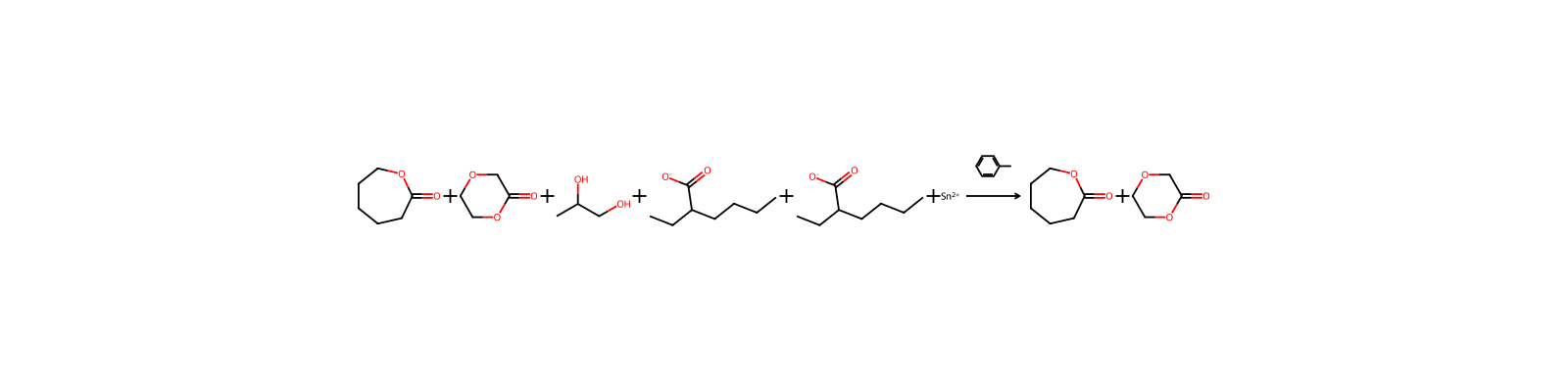


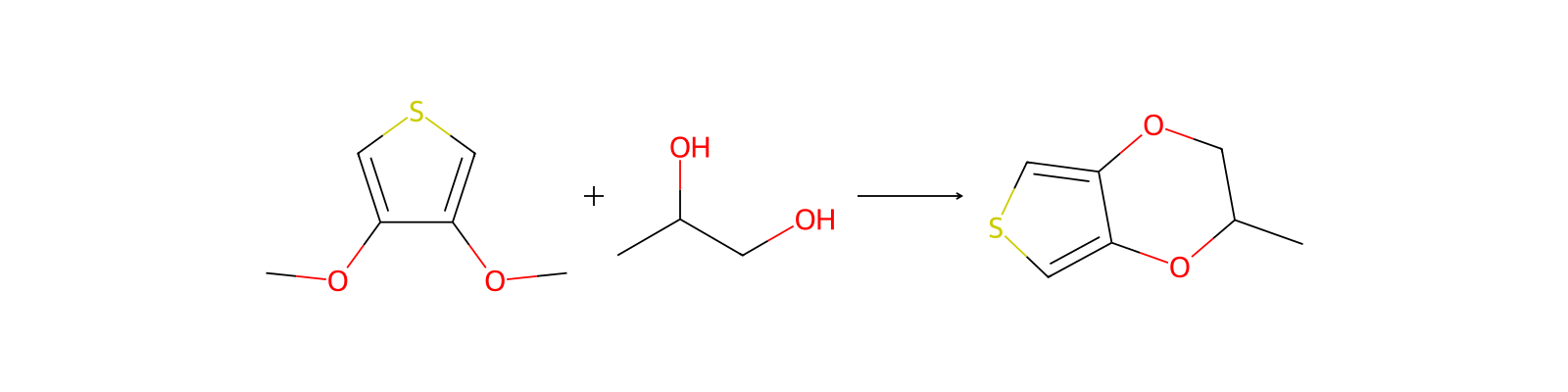

연결된 노트
불러오는 중…