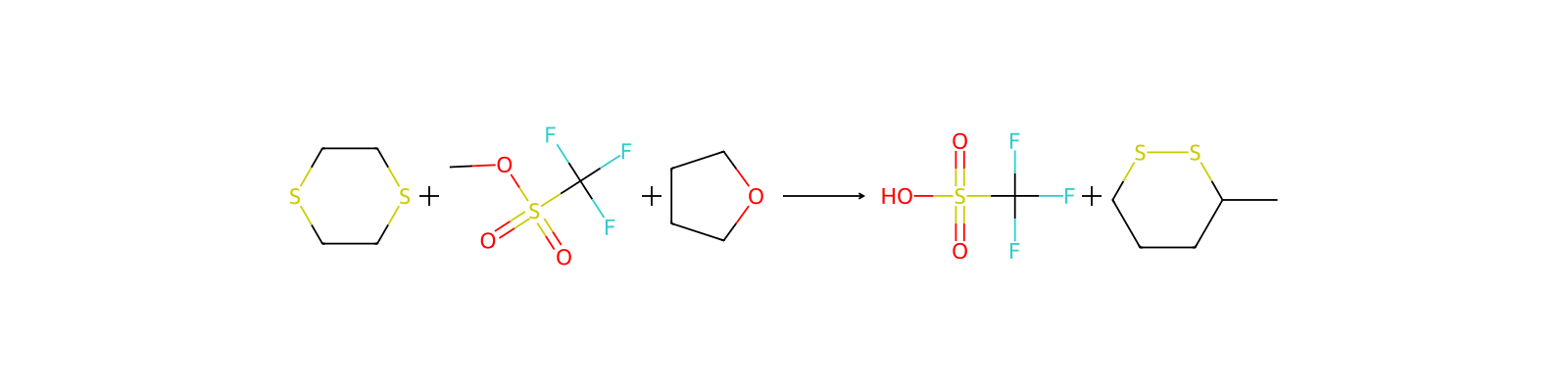
1,4-Dithiane

기본 정보
- CAS
505-29-3- 표준 SMILES
C1CSCCS1- InChIKey
LOZWAPSEEHRYPG-UHFFFAOYSA-N- 분자식
- C4H8S2
- 평균 분자량
- 120.2 g/mol
- 단동위원소 질량
- 120.0067426
개요
1,4-dithiane is a dithiane that is cyclohexane in which the -CH2- units at positions 1 and 2 have been replaced by sulfur atoms.
이름 및 식별자
- 우선 이름
- 1,4-Dithiane
- IUPAC
- 1,4-dithiane
- 영어명
- 1,4-Dithiane
- 분자식
- C4H8S2
- 분자량
- 120.24
이름 및 동의어
1,4-DITHIANE505-29-3p-Dithiane1,4-DithiacyclohexaneDiethylene disulfidep-Dithanep-Dithiin, tetrahydro-DTXSID3024077NSC-24178CHEBI:5403274B1T5A0DTXCID304077
이름 더 보기
FEMA 38311,4-DITHIANE 98%1,4-dithioalkane1 4-DITHIANE 97+%diethylenedisulfideDIETHYLENEDISULPHIDE
FEMA NO. 3831RefChem:73347208-007-2para-Dithiane1,4-Dithiin, tetrahydro-1,4-dithian[1,4]dithianeCCRIS 3240
데이터베이스 식별자
- CAS
505-29-3- PubChem CID
- 10452
- DTXSID
DTXSID3024077- ChEMBL
CHEMBL3183037- ChEBI
CHEBI:540- UNII
- 3274B1T5A0
- EC Number
- 208-007-2
- Nikkaji
- J6.222G
물성
구조 계산 물성
- XLogP
- 1.3
- 극성 표면적
- 50.6 Ų
- 수소 결합 공여자 수
- 0
- 수소 결합 수용자 수
- 2
- 회전 가능 결합 수
- 0
- 무거운 원자 수
- 6
- 형식 전하
- 0
- 복잡도
- 26.5
실험 및 물리화학적 성질
Chemical ClassesOther Classes -> Sulfur Compounds
SpringerMaterials PropertiesBoiling point
PesticidesPesticide -> EPA IRIS
LogP
log Kow = 0.77
0.77
Food AdditivesFLAVORING AGENT OR ADJUVANT -> FDA Substance added to food
Flavoring AgentsEU Flavoring substances
Color/FormWhite crystals
Solubility
Soluble in ethanol, ether, carbon tetrachloride, acetic acid and carbon disulfide.
In water, 3,000 mg/L at 25 °C
3 mg/mL at 25 °C
slightly soluble in hot water;soluble in hot alcohol, oil
(in ethanol)
Boiling Point
115.6 °C at 60 mm Hg
199.00 to 200.00 °C. @ 760.00 mm Hg
199-200 °C
DecompositionWhen heated to decomposition it emits toxic vapors of /sulfur oxides/.
안전 및 규제
안전 정보는 참고용이며, 공급업체의 물질안전보건자료(SDS), 관련 법규 및 전문가 평가를 대체하지 않습니다.
GHS 분류
GHS Classification
Warning
H315 (100%): Causes skin irritation [Warning Skin corrosion/irritation]
P261, P264, P264+P265, P271, P280, P302+P352, P304+P340, P305+P351+P338, P319, P321, P332+P317, P337+P317, P362+P364, P403+P233, P405, and P501 (click each P-code to see the statement)
Aggregated GHS information provided per 77 reports by companies from 4 notifications to the ECHA C&L Inventory. Each notification may be associated with multiple companies.
유해성 정보
Regulatory Information1,4-Dithiane: Does not have an individual approval but may be used under an appropriate group standard
Hazards Summary
A contaminant of mustard gas; Occupational exposure may occur where mustard gas has been used or stored; Causes ataxia, lacrimation, and crusts on eyes and nose in acute lethal studies of rats; Anatomic changes to nose, liver, and kidneys observed in 90-day gavage study of rats; [HSDB] Safe when used as a flavoring agent in food; [JECFA] Causes changes in bladder and spleen weight in 90-day intermittent oral studies of rats; [RTECS]
Hazard Classes and CategoriesSkin Irrit. 2 (100%)
안전 및 보호
Disposal Methods
SRP: The most favorable course of action is to use an alternative chemical product with less inherent propensity for occupational exposure or environmental contamination. Recycle any unused portion of the material for its approved use or return it to the manufacturer or supplier. Ultimate disposal of the chemical must consider: the material's impact on air quality; potential migration in soil or water; effects on animal, aquatic, and plant life; and conformance with environmental and public health regulations.
화학 및 산업
약리 정보
Cellular LocationsCytoplasm
용도 및 제조
Uses
Associated with production and storage of munitions; [ChemIDplus] Used in organic synthesis; [HSDB] Used as flavoring agent; [JECFA]
Used in organic synthesis
Methods of ManufacturingInteraction of dichloroethyl sulfide with sodium or potassium sulfide.
Use Classification
Flavouring Agent -> FLAVOURING_AGENT -> JECFA Functional Classes
Flavoring Agents -> JECFA Flavorings Index
Flavouring Agent -> FLAVOURING_AGENT -> JECFA Functional Classes
Flavouring Agent -> FLAVOURING_AGENT -> JECFA Functional Classes
General Manufacturing Information
1,4-Dithiane: ACTIVE
A common degradation product of HD (purified form of sulfur mustard) that persists in the environment.
응용 분야
용도1,4-Dithiane has been studied to be used as a way for more efficient rechargeable iron-air and nickel-iron batteries through small addition of organo-sulur compounds to metal electrodes.
상·하류 제품 정보
상류 원료
하류 제품
관련 반응
1건
화합물 노트
불러오는 중…