D-글루코스-UL-14C
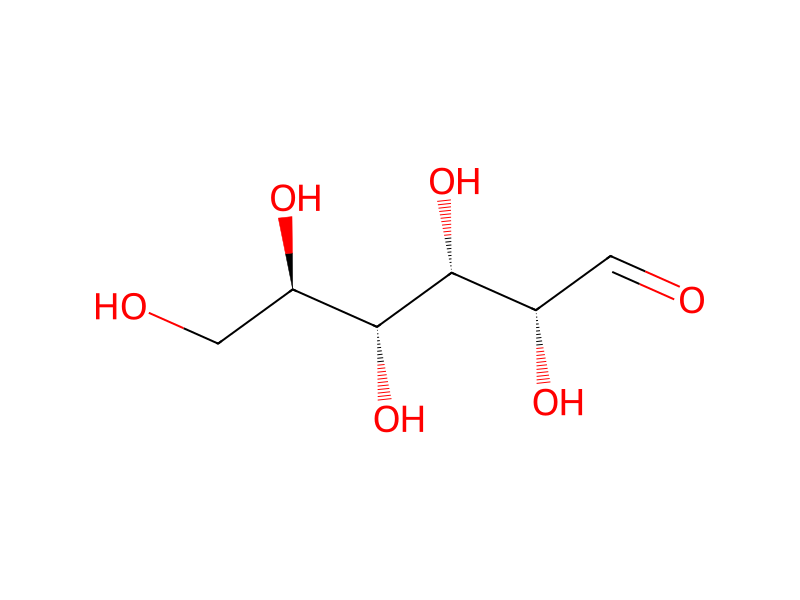
(2R,3S,4R,5R)-2,3,4,5,6-pentahydroxyhexanal
데이터를 보충하는 중입니다. 잠시 후 페이지를 새로 고치면 최신 내용을 볼 수 있습니다
기본 정보
- CAS
19030-38-7- 표준 SMILES
O=C[C@H](O)[C@@H](O)[C@H](O)[C@H](O)CO- InChIKey
GZCGUPFRVQAUEE-SLPGGIOYSA-N- 분자식
- C6H12O6
- 평균 분자량
- 180.16 g/mol
- 단동위원소 질량
- 180.0633881
개요
Aldehydo-D-glucose is the open chain form of D-glucose. It is a D-glucose and an aldehydo-glucose. It is an enantiomer of an aldehydo-L-glucose.
이름 및 식별자
- 우선 이름
- (2R,3S,4R,5R)-2,3,4,5,6-pentahydroxyhexanal
- IUPAC
- (2R,3S,4R,5R)-2,3,4,5,6-pentahydroxyhexanal
- 현지명
- D-글루코스-UL-14C
- 영어명
- D-GLUCOSE-UL-14C
- 분자식
- C6H12O6
- 분자량
- 180.16
이름 및 동의어
(2R,3S,4R,5R)-2,3,4,5,6-pentahydroxyhexanalRefChem:934733GlyTouCan:G59743JOG59743JOD-(+)-GlucoseDL-Glucosealdehydo-D-glucose58367-01-4Glucose [JAN]DTXSID4048729815-92-9Glucose, liquid
이름 더 보기
D-글루코스-UL-14CD-GLUCOSE-UL-14CD-[U-14C]GLUCOSED-GLUCOSE, [U-14C]GLUCOSE, D-[14C(U)]-D-Glucose, labeled with carbon-14D-GLUCOSE-UL-14C 2-10 MCI PER MMOL*AQUEO US SOLUTION
Glucopur(14C)-Glucose(14C)D-Glucose(C13)D-Glucose(U-14C)GlucoseGlucose (C-13)Glucose (C-14)D-(U-14C)Glucose
데이터베이스 식별자
- CAS
19030-38-7、28823-03-2、50-99-7、58367-01-4、8027-56-3、815-92-9- PubChem CID
- 107526
- DTXSID
DTXSID4048729- ChEMBL
CHEMBL448805- ChEBI
CHEBI:42758- UNII
- 5SL0G7R0OK
- Nikkaji
- J4.109B
물성
구조 계산 물성보충 중
- XLogP
- -2.9
- 극성 표면적
- 118 Ų
- 수소 결합 공여자 수
- 5
- 수소 결합 수용자 수
- 6
- 회전 가능 결합 수
- 5
- 무거운 원자 수
- 12
- 형식 전하
- 0
- 복잡도
- 138
실험 및 물리화학적 성질
DrugsPharmaceuticals -> Listed in ZINC15
SpringerMaterials PropertiesChemical shift
LogP-1.88
SolubilitySoluble
물리화학적 성질
- 인화점
- 20 °C · 20 °C
- 저장 조건
- 2 · 2-8°C
- 물리적 상태
- 수용액
안전 및 규제
안전 정보는 참고용이며, 공급업체의 물질안전보건자료(SDS), 관련 법규 및 전문가 평가를 대체하지 않습니다.
유해성 정보
Regulatory Information
Chemical: Liquid glucose
Liquid glucose: Does not have an individual approval but may be used as a component in a product covered by a group standard. It is not approved for use as a chemical in its own right.
Other Safety InformationIMAP assessments - Liquid glucose: Human health tier I assessment
안전 데이터
- wgk
- 3
- ridadr
- UN 2910 7
- risk_code
- 11-36/37/38
- hazard_code
- R,F,Xi
- safety_code
- 16-26-36
화학 및 산업
약리 정보
Pharmacodynamics
Blood glucose is an obligatory energy source for humans involved in various cellular activities, and it also acts as a signaling molecule for diverse glucose-sensing molecules and proteins. Glucose undergoes oxidation into carbon dioxide, water, and yields energy molecules in the process of glycolysis and subsequent citric cycle and oxidative phosphorylation. Glucose is readily converted into fat in the body which can be used as a source of energy as required. Under a similar conversion into storage of energy, glucose is stored in the liver and muscles as glycogen. Glucose stores are mobilized in a regulated manner, depending on the tissues' metabolic demands. Oral glucose tablets or injections serve to increase the supply of glucose and oral glucose administration is more effective in stimulating insulin secretion because it stimulates the incretin hormones from the gut, which promotes insulin secretion.
Mechanism of Action
Glucose supplies most of the energy to all tissues by generating energy molecules ATP and NADH during a series of metabolism reactions called glycolysis. Glycolysis can be divided into two main phases where the preparatory phase is initiated by the phosphorylation of glucose by hexokinase to form glucose 6-phosphate. The addition of the high-energy phosphate group activates glucose for the subsequent breakdown in later steps of glycolysis and is the rate-limiting step. Products end up as substrates for following reactions, to ultimately convert C6 glucose molecule into two C3 sugar molecules. These products enter the energy-releasing phase where the total of 4ATP and 2NADH molecules are generated per one glucose molecule. The total aerobic metabolism of glucose can produce up to 36 ATP molecules. These energy-producing reactions of glucose are limited to D-glucose as L-glucose cannot be phosphorylated by hexokinase. Glucose can act as precursors to generate other biomolecules such as vitamin C. It plays a role as a signaling molecule to control glucose and energy homeostasis. Glucose can regulate gene transcription, enzyme activity, hormone secretion, and the activity of glucoregulatory neurons. The types, number, and kinetics of glucose transporters expressed depends on the tissues and fine-tunes glucose uptake, metabolism, and signal generation to preserve cellular and whole body metabolic integrity.
Biological Half-Life
The approximate half-life is 14.3 minutes following intravenous infusion. Gut glucose half-life was markedly higher in females (79 ± 2 min) than in males (65 ± 3 min, P < 0.0001) and negatively related to body height (r = -0.481; P < 0.0001).
관련 반응
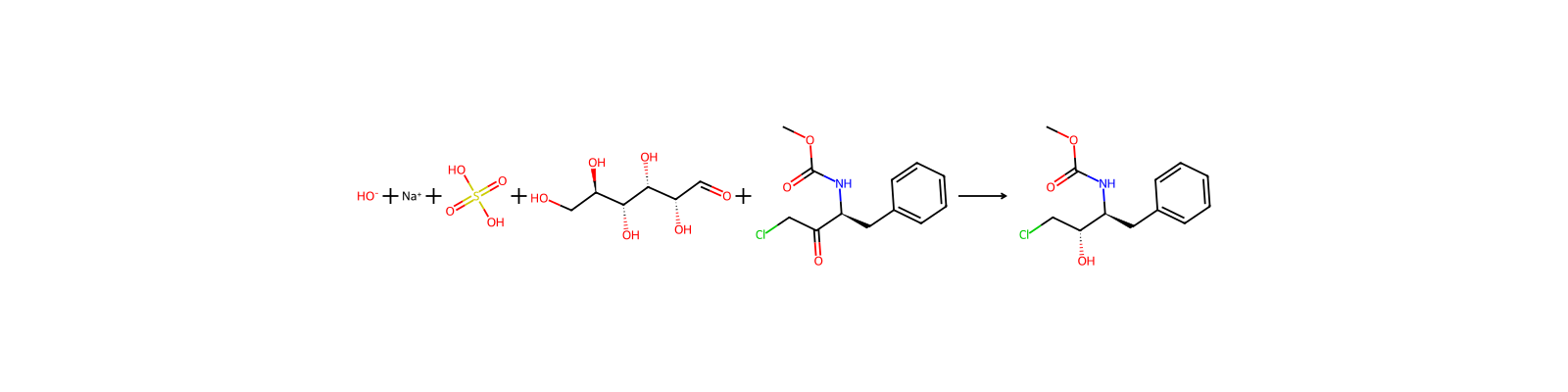
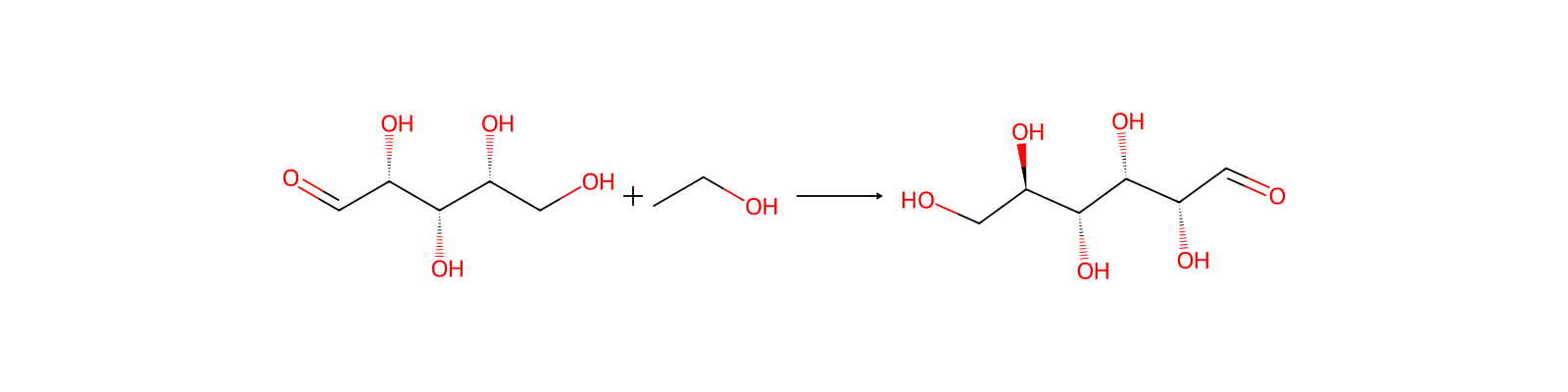
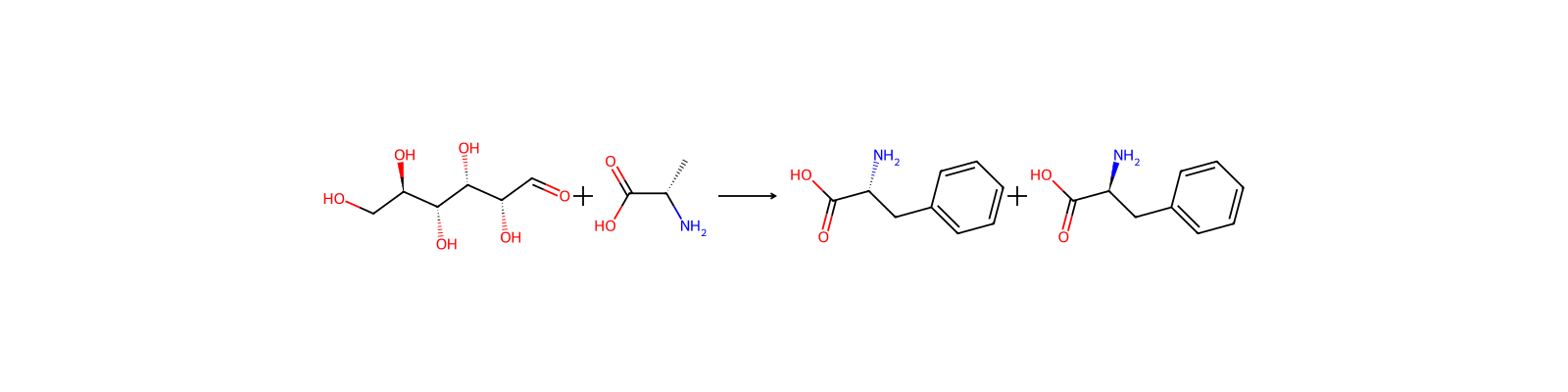
1,051건


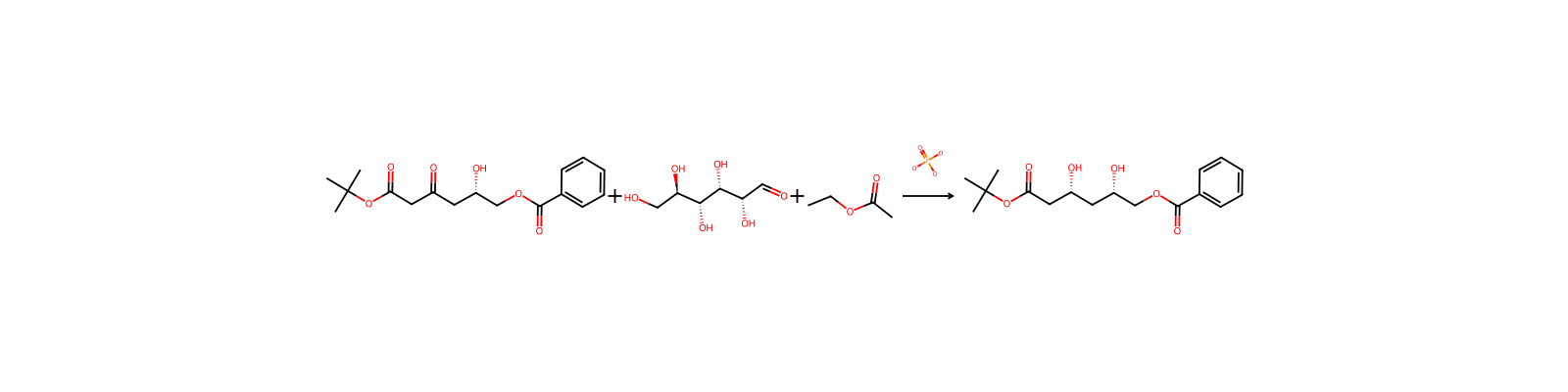
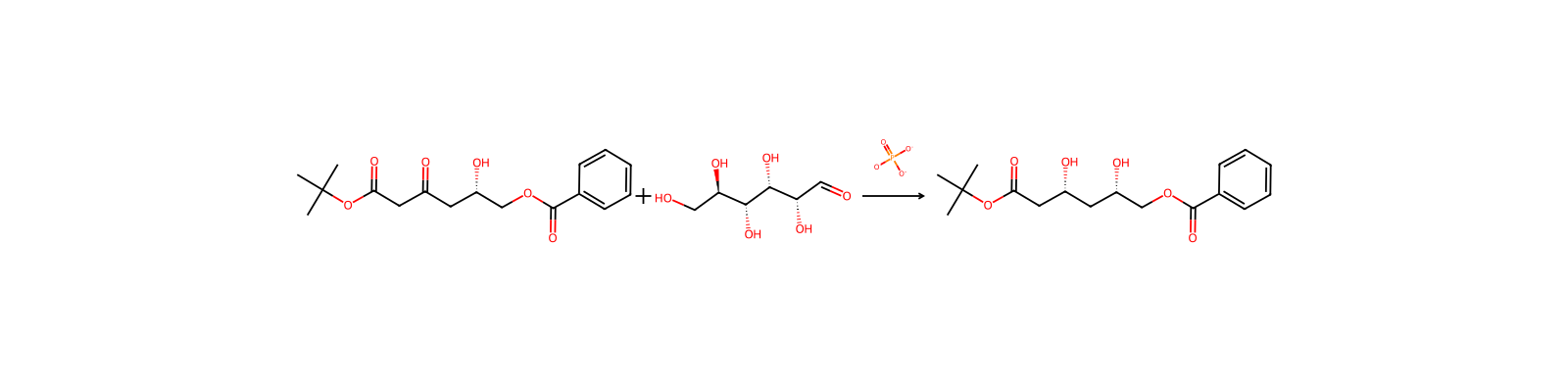

화합물 노트
불러오는 중…