홈MCP워크벤치Skills
홈워크벤치알림마이페이지
llms.txt · MCP 가이드개인정보처리방침 · 이용약관 · 지원v1.8.0
  1. 홈
  2. /화합물

알릴 에테르

Diallyl ether

HCID 11194
새 노트새 반응견적 요청하기
인쇄 미리보기
기본 정보개요이름 및 식별자물성안전 및 규제화학 및 산업관련 반응화합물 노트
부분 구조 검색유사 구조 찾기

기본 정보

CAS
557-40-4
표준 SMILES
C=CCOCC=C
InChIKey
ATVJXMYDOSMEPO-UHFFFAOYSA-N
분자식
C6H10O
평균 분자량
98.14 g/mol
단동위원소 질량
98.07316494

개요

Diallyl ether appears as a liquid with an odor of radishes. Less dense than water. May be toxic by ingestion, skin absorption, and inhalation, and may irritate skin and eyes. Vapors heavier than air. Used to make other chemicals.

이름 및 식별자

우선 이름
Diallyl ether
IUPAC
3-prop-2-enoxyprop-1-ene
현지명
알릴 에테르
영어명
Allyl ether
분자식
C6H10O
분자량
98.14

이름 및 동의어

ALLYL ETHERDiallyl etherAllyletherEther, diallyl1-Propene, 3,3'-oxybis-Ether, propenylUNII-GI3WXY29NQGI3WXY29NQNSC 7619EINECS 209-174-4BRN 1736015AI3-02894
이름 더 보기
다이알릴에테르프로펜일에테르디알릴에테르알릴에테르알릴에테르(ALLYLETHER)다이알릴 에테르3-(2-프로펜옥시)프로펜Allylic EtherAllylethersether,diallylpropenyletherether,propenylAllyl ether 98%Allyl ether,99%
Allyl ether (8CI)NSC-7619ALLYL ETHER [MI]4-01-00-02086 (Beilstein Handbook Reference)3,3'-oxybis(prop-1-ene)(CH2=CHCH2)2ODTXSID8060321UN 2360

데이터베이스 식별자

CAS
557-40-4
PubChem CID
11194
DTXSID
DTXSID8060321
UNII
GI3WXY29NQ
EC Number
209-174-4
Nikkaji
J6.485H

물성

구조 계산 물성

XLogP
1.4
극성 표면적
9.2 Ų
수소 결합 공여자 수
0
수소 결합 수용자 수
1
회전 가능 결합 수
4
무거운 원자 수
7
형식 전하
0
복잡도
49.2

실험 및 물리화학적 성질

Chemical ClassesFlammable agents - 3rd degree
SpringerMaterials PropertiesDensity
LogP0.7 (calculated)
DensityRelative density (water = 1): 0.8
SolubilitySolubility in water: none
Flash Point · 2건

20 °F (NFPA, 2010)

-6 °C

Boiling Point94 °C
Melting Point-6 °C
Vapor DensityRelative vapor density (air = 1): 3.4
Vapor PressureVapor pressure, kPa at 20 °C: 5.79
Physical Description · 2건

Diallyl ether appears as a liquid with an odor of radishes. Less dense than water. May be toxic by ingestion, skin absorption, and inhalation, and may irritate skin and eyes. Vapors heavier than air. Used to make other chemicals.

COLOURLESS LIQUID WITH CHARACTERISTIC ODOUR.

안전 및 규제

안전 정보는 참고용이며, 공급업체의 물질안전보건자료(SDS), 관련 법규 및 전문가 평가를 대체하지 않습니다.

GHS 분류

GHS Classification · 4건

Danger

H225 (100%): Highly Flammable liquid and vapor [Danger Flammable liquids]

P210, P233, P240, P241, P242, P243, P261, P262, P264, P264+P265, P270, P271, P280, P301+P317, P302+P352, P303+P361+P353, P304+P340, P305+P351+P338, P316, P317, P319, P321, P330, P332+P317, P337+P317, P361+P364, P362+P364, P370+P378, P403+P233, P403+P235, P405, and P501 (click each P-code to see the statement)

Aggregated GHS information provided per 40 reports by companies from 3 notifications to the ECHA C&L Inventory. Each notification may be associated with multiple companies.

유해성 정보

Regulatory Information · 2건

Chemical: 1-Propene, 3,3'-oxybis-

The New Jersey Worker and Community Right to Know Act requires public and private employers to provide information about hazardous substances at their workplaces. (N.J.S.A. 34:5A-1 et. seq.)

DOT LabelFlammable Liquid Poison
Fire Hazards · 3건

Excerpt from ERG Guide 131 [Flammable Liquids - Toxic; polymerization hazard]:

· HIGHLY FLAMMABLE: Will be easily ignited by heat, sparks or flames.

Highly flammable. Vapour/air mixtures are explosive. Risk of fire and explosion on contact with acids or oxidizing agents.

Health Hazards · 2건

Excerpt from ERG Guide 131 [Flammable Liquids - Toxic; polymerization hazard]:

· TOXIC; may be fatal if inhaled, ingested or absorbed through skin.

DOT ID and Guide2360 131P
Reactive GroupEthers
UN ClassificationUN Hazard Class: 3; UN Subsidiary Risks: 6.1; UN Pack Group: II

화학 및 산업

용도 및 제조

General Manufacturing Information1-Propene, 3,3'-oxybis-: ACTIVE

응용 분야

일반 설명A liquid with an odor of radishes. Less dense than water. Flash point 20°F. May be toxic by ingestion, skin absorption, and inhalation, and may irritate skin and eyes. Vapors heavier than air. Used to make other chemicals.

상·하류 제품 정보

하류 제품

[[o-(알릴옥시)페녹시]메틸]옥시란유게놀Nedocromil알릴부틸에테르Allyl benzoate

관련 반응

57건
반응 기록 만들기
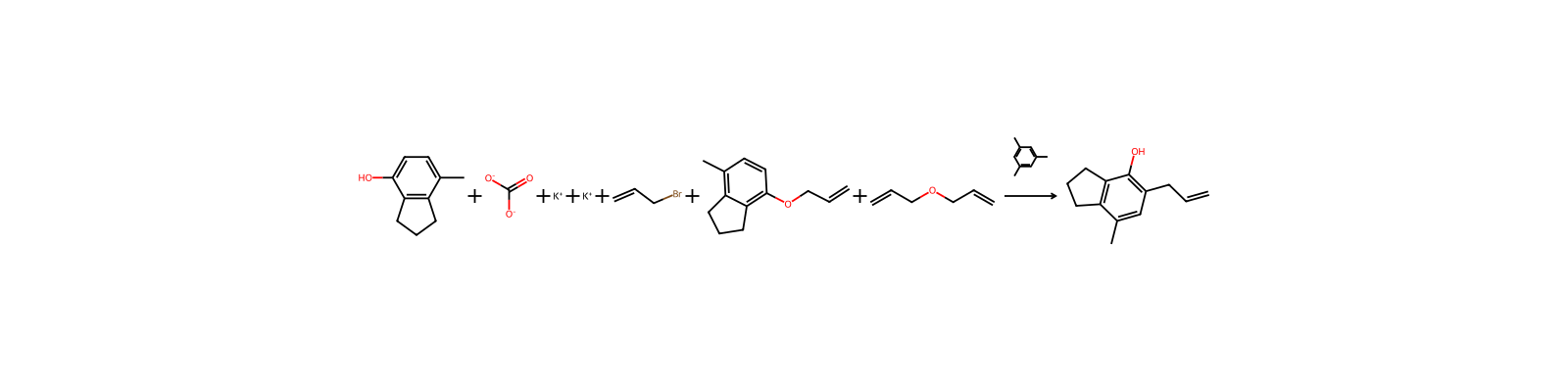
HRID 13924 반응식
HRID 13924반응물로uspto-grants-2010_06
HRID 13935 반응식
HRID 13935반응물로uspto-grants-2010_06
HRID 13954 반응식
HRID 13954반응물로uspto-grants-2010_06
HRID 134422 반응식
HRID 134422반응물로Training data from https://doi.org/10.1039/C8SC04228D (9/10)
HRID 210574 반응식
HRID 210574반응물로Training data from https://doi.org/10.1039/C8SC04228D (6/10)
HRID 235678 반응식
HRID 235678반응물로uspto-grants-1987_02
HRID 298941 반응식
HRID 298941반응물로Training data from https://doi.org/10.1039/C8SC04228D (8/10)
HRID 311239 반응식
HRID 311239반응물로Training data from https://doi.org/10.1039/C8SC04228D (8/10)
1 / 8 페이지

화합물 노트

불러오는 중…

이 페이지에서기본 정보개요이름 및 식별자물성안전 및 규제화학 및 산업관련 반응화합물 노트
더보기
새 노트새 반응견적 요청하기

물리화학적 성질

녹는점
-6 °C · -6°C
끓는 점
94 °C · 94 °C
밀도
0.803 g/mL · 0.803 g/mL at 25 °C(lit.)
굴절률
1.415 · 1.415-1.417
인화점
-7 °C · -7 °C
저장 조건
Refrigerator (+4°C) + Flammables area
용해도
에 용해됨클로로포름, 메탄올 (약간 용해됨)
물리적 상태
투명한 액체
색상
무색 내지 거의 무색
냄새
Pungent odor, reminiscent of Radish
수용성
불용성
Merck
14 · 14,292
InChI
1S/C6H10O/c1-3-5-7-6-4-2/h3-4H,1-2,5-6H2
InChIKey
ATVJXMYDOSMEPO-UHFFFAOYSA-N
SMILES
C=CCOCC=C
NIST
2 · (CH2=CHCH2)2O(557-40-4)
EPA
1 · 1-Propene, 3,3'-oxybis- (557-40-4)

화학적 성질

clear colorless liquid

Reactivity AlertsHighly Flammable
Reactivity Profile · 1건

Ethers, such as DIALLYL ETHER can act as bases. They form salts with strong acids and addition complexes with Lewis acids. The complex between diethyl ether and boron trifluoride is an example. Ethers may react violently with strong oxidizing agents. In other reactions, which typically involve the breaking of the carbon-oxygen bond, ethers are relatively inert.

Chemical DangersThe substance can form explosive peroxides. Reacts violently with acids and oxidants. This generates fire and explosion hazard.
Physical DangersThe vapour is heavier than air and may travel along the ground; distant ignition possible. As a result of flow, agitation, etc., electrostatic charges can be generated.
DOT Hazard Classification · 5건

Diallylether

UN2360

Class 3 Flammable and combustible liquid (49 eCFR § 173.120)

Class 3 Flammable and combustible liquid (49 eCFR § 173.120)

PG II: the degree of danger presented by the material is medium

안전 및 보호

Fire Fighting · 2건

Excerpt from ERG Guide 131 [Flammable Liquids - Toxic; polymerization hazard]:

Use water spray, powder, alcohol-resistant foam, carbon dioxide. In case of fire: keep drums, etc., cool by spraying with water.

First Aid Measures · 4건

Fresh air, rest. Refer for medical attention.

Remove contaminated clothes. Rinse and then wash skin with water and soap.

First rinse with plenty of water for several minutes (remove contact lenses if easily possible), then refer for medical attention.

Rinse mouth. Refer for medical attention .

Accidental Release Measures · 2건

· CALL 911. Then call emergency response telephone number on shipping paper. If shipping paper not available or no answer, refer to appropriate telephone number listed on the inside back cover.

· ELIMINATE all ignition sources (no smoking, flares, sparks or flames) from immediate area.

First Aid · 2건

Excerpt from ERG Guide 131 [Flammable Liquids - Toxic; polymerization hazard]:

General First Aid:

Safe StorageFireproof. Separated from acids and oxidants. See Chemical Dangers. Store only if stabilized. Cool. Keep in the dark.
Exposure Control and Personal Protection· Wear positive pressure self-contained breathing apparatus (SCBA).
Nonfire Spill ResponseExcerpt from ERG Guide 131 [Flammable Liquids - Toxic; polymerization hazard]:
Spillage Disposal · 1건

Personal protection: filter respirator for organic gases and vapours adapted to the airborne concentration of the substance. Ventilation. Remove all ignition sources. Collect leaking and spilled liquid in sealable containers as far as possible. Absorb remaining liquid in sand or inert absorbent. Then store and dispose of according to local regulations. Do NOT wash away into sewer.

Isolation and Evacuation · 2건

Excerpt from ERG Guide 131 [Flammable Liquids - Toxic; polymerization hazard]:

Immediate precautionary measure

Eye PreventionWear face shield or eye protection in combination with breathing protection.
Fire Prevention · 1건

NO open flames, NO sparks and NO smoking. Closed system, ventilation, explosion-proof electrical equipment and lighting. Do NOT use compressed air for filling, discharging, or handling. Use non-sparking handtools. Prevent build-up of electrostatic charges (e.g., by grounding).

Inhalation RiskNo indication can be given about the rate at which a harmful concentration of this substance in the air is reached on evaporation at 20 °C.

독성 정보

Exposure RoutesThe substance can be absorbed into the body by inhalation, through the skin and by ingestion.
Signs and Symptoms · 4건

Cough. Drowsiness. Unconsciousness.

Dry skin. Redness. Pain.

Redness. Pain.

Dullness. Nausea. Drowsiness. Unconsciousness.

ICSC Environmental DataEnvironmental effects from the substance have not been investigated adequately.

안전 데이터

wgk
3
tsca
TSCA listed
rtecs
KN7525000
ridadr
UN 2360
독성
LD50 orally in rats: 0.32 g/kg (Smyth)
HS 번호
2909.19.1800
risk_code
36/37/38-20/21/22-11
hazard_code
Xn-F,Xn,F
safety_code
9-36/37/39-33-26-16-45
포장분류
II
위험 등급
3
기존화학 물질
KE-27724
Hazard Classifications
Acute Tox. 4 OralEye Irrit. 2Flam. Liq. 2Skin Irrit. 2STOT SE 3
스토리지 클래스
3 - Flammable liquids