
기본 정보
- 표준 SMILES
BrC(Br)(Br)Br- InChIKey
HJUGFYREWKUQJT-UHFFFAOYSA-N- 분자식
- CBr4
- 평균 분자량
- 331.63 g/mol
- 단동위원소 질량
- 327.6733484
개요
Carbon tetrabromide appears as a colorless crystalline solid. Much more dense than water and insoluble in water. Toxic by ingestion. Vapors are narcotic in high concentration. Used to make other chemicals.
이름 및 식별자
- 우선 이름
- Carbon tetrabromide
- IUPAC
- tetrabromomethane
- 현지명
- 테트라브로모메테인
- 영어명
- Carbon tetrabromide
- 분자식
- CBr4
- 분자량
- 331.63
이름 및 동의어
Carbon tetrabromideTETRABROMOMETHANE558-13-4Methane, tetrabromo-Carbon bromideCBr4Methane tetrabromideCarbon bromide (CBr4)Bromid uhlicityTetrabrommethanMethane, tetrabromidetetrabromidocarbon
이름 더 보기
사브로민화탄소사브롬화탄소테트라브로모메탄테트라브로모메테인사브롬화탄소PERBROMOMETHANETETRABROMOETHANETetrabroMoMethCarbon tetrabroMide, 98% 100GRcarbonbromidebromiduhlicity
TetrabromkohlenstoffKohlenstofftetrabromidNLH657095LNSC-6179DTXSID8060327CHEBI:47875Carboneum BromatumRefChem:58674
데이터베이스 식별자
- CAS
558-13-4- PubChem CID
- 11205
- DTXSID
DTXSID8060327- ChEBI
CHEBI:47875- UNII
- NLH657095L
- EC Number
- 209-189-6
- Nikkaji
- J2.667K
물성
구조 계산 물성
- XLogP
- 3.4
- 극성 표면적
- 0 Ų
- 수소 결합 공여자 수
- 0
- 수소 결합 수용자 수
- 0
- 회전 가능 결합 수
- 0
- 무거운 원자 수
- 5
- 형식 전하
- 0
- 복잡도
- 19.1
실험 및 물리화학적 성질
SolventsSolvents -> Brominated Solvents
SpringerMaterials PropertiesSchoenflies notation
LogP
log Kow= 3.42
3.42
Odor
Slight odor.
Lacrymator
Density
3.42 (NIOSH, 2024) - Denser than water; will sink
2.9608 @ 100 °C/4 °C
Relative density (water = 1): 3.42
3.42
3.42
Color/Form
Colorless, monoclinic tablets
Colorless crystals
Colorless to yellow-brown crystals.
Solubility
0.02 % (NIOSH, 2024)
Sol in alcohol, ether, chloroform
Soluble in ethanol, chloroform, and ethyl ether.
In water, 0.024 g/100 ml @ 30 °C
Solubility in water: none
0.02%
Boiling Point
374 °F at 760 mmHg (NIOSH, 2024)
189.5 °C
190 °C
374 °F
374 °F
DecompositionWhen heated to decomp it emits toxic fumes of /hydrogen bromide/.
Melting Point
194 °F (NIOSH, 2024)
90.1 °C
90 °C
194 °F
194 °F
Vapor Density
11.4
Relative vapor density (air = 1): 11.4
Vapor Pressure
40 mmHg at 205 °F (NIOSH, 2024)
0.72 [mmHg]
0.72 mm Hg @ 25 °C
Vapor pressure, kPa at 96 °C: 5.33
40 mmHg at 205 °F
(205 °F): 40 mmHg
물리화학적 성질
- 녹는점
- 88 · 88-90 °C(lit.)
- 끓는 점
- 190 °C · 190 °C(lit.)
- 밀도
- 3 · 3,42 g/cm3
- 증기압
- 40 mm · 40 mm Hg ( 96 °C)
- 굴절률
- 1.5942 · 1.5942
- 인화점
- 190 °C · 190°C
- 저장 조건
- 30 °C · Store below +30°C.
- 용해도
- 클로로포름에 용해됨
- 물리적 상태
- 결정질 고체
- 색상
- 흰색에서 황백색까지
- 수용성
- 불용성
- 비열
- 0.44 J/ · Cp(crystal): 0.44 J/(g·K); Cp(gas): 0.28 J/(g·K), at 25℃
- BRN
- 1732799 · 1732799
- Henry's Law Constant
- 2 · 2.0×10-2 mol/(m3Pa) at 25℃, Duchowicz et al. (2020)
- Dielectric constant
- 7 · 7(22.0℃)
- InChI
- 1S/CBr4/c2-1(3,4)5
- InChIKey
- HJUGFYREWKUQJT-UHFFFAOYSA-N
- SMILES
- BrC(Br)(Br)Br
- NIST
- Carbon tetrabromide(558-13-4)
- EPA
- Carbon tetrabromide (558-13-4)
화학적 성질
Carbon tetrabromide, is a colorless powder, white crystalline solid, or yellow-brown crystals. Slight odor
안전 및 규제
GHS 분류
GHS Classification
Danger
H302 (100%): Harmful if swallowed [Warning Acute toxicity, oral]
P261, P264, P264+P265, P270, P271, P280, P301+P317, P302+P352, P304+P340, P305+P354+P338, P317, P319, P321, P330, P332+P317, P362+P364, P403+P233, P405, and P501 (click each P-code to see the statement)
Aggregated GHS information provided per 111 reports by companies from 11 notifications to the ECHA C&L Inventory. Each notification may be associated with multiple companies.
Danger
H302: Harmful if swallowed [Warning Acute toxicity, oral]
유해성 정보
Regulatory Information
Chemical: Methane, tetrabromo-
Carbon tetrabromide: Does not have an individual approval but may be used under an appropriate group standard
The New Jersey Worker and Community Right to Know Act requires public and private employers to provide information about hazardous substances at their workplaces. (N.J.S.A. 34:5A-1 et. seq.)
DOT LabelPoison
Fire Hazards
Excerpt from ERG Guide 151 [Substances - Toxic (Non-Combustible)]:
· Non-combustible, substance itself does not burn but may decompose upon heating to produce corrosive and/or toxic fumes.
Not combustible. Gives off irritating or toxic fumes (or gases) in a fire.
Fire PotentialNot flammable by standard tests in air
Health Hazards
Excerpt from ERG Guide 151 [Substances - Toxic (Non-Combustible)]:
· Highly toxic, may be fatal if inhaled, ingested or absorbed through skin.
Hazards Summary
In an acute study of mice, carbon tetrabromide was determined to be 2.2 times more toxic to the liver than carbon tetrachloride. It causes significant eye irritation (tearing) in workers even at lower exposure levels. [ACGIH] A lachrymator; [HSDB] Inhalation of high concentrations can cause CNS depression; Causes corrosive burns to eyes [ICSC]
DOT ID and Guide
2516 151
2516 151
Reactive GroupHalogenated Organic Compounds
UN ClassificationUN Hazard Class: 6.1; UN Pack Group: III
Reactivity ProfileCARBON TETRABROMIDE is incompatible with the following: Strong oxidizers, hexacyclohexyldilead, lithium (NIOSH, 2024).
Atmospheric Standards
This action promulgates standards of performance for equipment leaks of Volatile Organic Compounds (VOC) in the Synthetic Organic Chemical Manufacturing Industry (SOCMI). The intended effect of these standards is to require all newly constructed, modified, and reconstructed SOCMI process units to use the best demonstrated system of continuous emission reduction for equipment leaks of VOC, considering costs, non air quality health and environmental impact and energy requirements. Carbon tetrabromide is produced, as an intermediate or a final product, by process units covered under this subpart.
Chemical DangersDecomposes on heating. This produces toxic and corrosive fumes. Reacts with alkali metals. This generates explosion hazard.
안전 및 보호
Fire Fighting
Excerpt from ERG Guide 151 [Substances - Toxic (Non-Combustible)]:
In case of fire in the surroundings, use appropriate extinguishing media.
First Aid Measures
Fresh air, rest. Refer for medical attention.
Remove contaminated clothes. Rinse skin with plenty of water or shower. Refer for medical attention .
First rinse with plenty of water for several minutes (remove contact lenses if easily possible), then refer for medical attention.
Rinse mouth. Refer for medical attention .
Accidental Release Measures
· CALL 911. Then call emergency response telephone number on shipping paper. If shipping paper not available or no answer, refer to appropriate telephone number listed on the inside back cover.
· Do not touch damaged containers or spilled material unless wearing appropriate protective clothing.
First Aid
Excerpt from NIOSH Pocket Guide for Carbon tetrabromide:
General First Aid:
(General first aid procedures)
Safe StorageWell closed.
Exposure Control and Personal Protection· Wear positive pressure self-contained breathing apparatus (SCBA).
Cleanup MethodsCollect on paper and evaporate on a glass dish in a hood. Burn the paper.
Nonfire Spill ResponseExcerpt from ERG Guide 151 [Substances - Toxic (Non-Combustible)]:
Disposal Methods
SRP: At the time of review, criteria for land treatment or burial (sanitary landfill) disposal practices are subject to significant revision. Prior to implementing land disposal of waste residue (including waste sludge), consult with environmental regulatory agencies for guidance on acceptable disposal practices.
Spillage Disposal
Personal protection: particulate filter respirator adapted to the airborne concentration of the substance. Sweep spilled substance into covered containers. If appropriate, moisten first to prevent dusting. Carefully collect remainder. Then store and dispose of according to local regulations.
Preventive Measures
Respirators may be used when engineering and work practice controls are not technically feasible, when such controls are in the process of being installed, or when they fail and need to be supplemented. Respirators may also be used for operations which require entry into tanks or closed vessels, and in emergency situations. ... Non-impervious clothing which becomes contaminated with bromoform should be removed promptly and not reworn until the bromoform is removed from the clothing. /Bromoform/
The worker should wash daily at the end of each work shift.
Workers whose clothing may have become contaminated should change into uncontaminated clothing before leaving the work premises.
Isolation and Evacuation
Excerpt from ERG Guide 151 [Substances - Toxic (Non-Combustible)]:
Immediate precautionary measure
독성 정보
Treatment
EYES: irrigate opened eyes for several minutes under running water. INGESTION: do not induce vomiting. Rinse mouth with water (never give anything by mouth to an unconscious person). Seek immediate medical advice. SKIN: should be treated immediately by rinsing the affected parts in cold running water for at least 15 minutes, followed by thorough washing with soap and water. If necessary, the person should shower and change contaminated clothing and shoes, and then must seek medical attention. INHALATION: supply fresh air. If required provide artificial respiration.
Target OrgansEyes, skin, respiratory system, liver, kidneys
Health Effects
Bromine vapour causes irritation and direct damage to the mucous membranes. Elemental bromine also burns the skin. The bromide ion is a central nervous system depressant and chronic exposure produces neuronal effects. This is called bromism and can result in central reactions reaching from somnolence to coma, cachexia, exicosis, loss of reflexes or pathologic reflexes, clonic seizures, tremor, ataxia, loss of neural sensitivity, paresis, papillar edema of the eyes, abnormal speech, cerebral edema, delirium, aggressiveness, and psychoses. (L625, L626, L627)
Environmental Fate
TERRESTRIAL FATE: Based on a classification scheme(1), an estimated Koc value of 49(SRC), determined from a structure estimation method(2), indicates that tetrabromomethane is expected to have very high mobility in soil(SRC). Volatilization of tetrabromomethane from moist soil surfaces may be an important fate process(SRC) given an estimated Henry's Law constant of 4.9X10⁻⁴ atm-cu m/mole(SRC), from its vapor pressure, 0.72 mm Hg(3) and water solubility, 240 mg/l(4). Tetrabromomethane is not expected to volatilize from dry soil surfaces(SRC) based upon a vapor pressure of 0.72 mm Hg(4). Based upon the highly halogenated structure of tetrabromomethane, biodegradation is expected to be slow(5).
AQUATIC FATE: Based on a classification scheme(1), an estimated Koc value of 49(SRC), determined from a structure estimation method(2), indicates that tetrabromomethane is not expected to adsorb to suspended solids and sediment in water(SRC). Volatilization from water surfaces may occur based on an estimated Henry's Law constant of 4.9X10⁻⁴ atm-cu m/mole(SRC), from its vapor pressure, 0.72 mm Hg(4) and water solubility, 240 mg/l(5). Using this Henry's Law constant and an estimation method(3), volatilization half-lives for a model river and model lake are 4.0 hrs and 8.2 days, respectively(SRC). According to a classification scheme(6), an estimated BCF of 86(SRC), from its log Kow value of 3.42(7) and a regression-derived equation(8), suggests the potential for bioconcentration in aquatic organisms is moderate. Based upon the highly halogenated structure of tetrabromomethane, biodegradation is expected to be slow(9).
ATMOSPHERIC FATE: According to a model of gas/particle partitioning of semivolatile organic compounds in the atmosphere(1), tetrabromomethane, which has a vapor pressure of 0.72 mm Hg at 30 °C(2), is expected to exist solely as a vapor in the ambient atmosphere. The rate constant for the vapor-phase reaction of tetrabromomethane with photochemically-produced hydroxyl radicals could not be estimated but is expected to be very slow since there are no abstractable hydrogens(3).
Adverse EffectsNeurotoxin - Acute solvent syndrome
Exposure Routes
The substance can be absorbed into the body by inhalation and by ingestion.
inhalation, ingestion, skin and/or eye contact
Oral (L626) ; inhalation (L626) ; dermal (L626)
Toxicity Summary
Bromine is a powerful oxidizing agent and is able to release oxygen free radicals from the water in mucous membranes. These free radicals are also potent oxidizers and produce tissue damage. In additon, the formation of hydrobromic and bromic acids will result in secondary irritation. The bromide ion is also known to affect the central nervous system, causing bromism. This is believed to be a result of bromide ions substituting for chloride ions in the in actions of neurotransmitters and transport systems, thus affecting numerous synaptic processes. (L626, L627, A543)
Signs and Symptoms
Cough. Drowsiness. Lethargy. Laboured breathing. Shortness of breath. Sore throat.
Redness. Pain.
Redness. Pain. Blurred vision. Severe deep burns.
Abdominal pain. Diarrhoea. Dullness. Sore throat. See Inhalation.
irritation eyes, skin, respiratory system; lacrimation (discharge of tears); lung, liver, kidney injury; In Animals: corneal damage
Bromine vapour causes irritation and direct damage to the mucous membranes. Symptoms include lacrimation, rhinorrhoea, eye irritation with mucous secretions from the oropharyngeal and upper airways, coughing, dyspnoea, choking, wheezing, epistaxis, and headache. The bromide ion is a central nervous system depressant producing ataxia, slurred speech, tremor, nausea, vomiting, lethargy, dizziness, visual disturbances, unsteadiness, headaches, impaired memory and concentration, disorientation and hallucinations. This is called bromism. (L626, L627)
Soil Adsorption/Mobility
Using a structure estimation method based on molecular connectivity indices(1), the Koc for tetrabromomethane can be estimated to be about 49(SRC). According to a classification scheme(2), this estimated Koc value suggests that tetrabromomethane is expected to have very high mobility in soil.
TSCA Test Submissions
Carbon tetrabromide (CAS # 558-13-4) was evaluated for acute oral toxicity in 5 groups of fasted Sprague-Dawley rats (3 male, 2 female rats/group) administered single doses (unspecified) anticipated to produce partial mortality (based on initial range-finding study) in at least 2 groups. Mortality occurred from 24 to 96 hours post-dosing and, according to a method of Berkson, an oral LD50 for carbontetrabromide 60TC (20% in corn oil) was 4,471 mg/kg (fiducial limits: 2,875-6,953 mg/kg). Symptoms included diarrhea, chromodacryorrhea, and lethargy. No further information regarding methods or results was provided.
Carbon tetrabromide (CAS # 558-13-4) was evaluated for acute dermal toxicity in 6 rabbits (strain unspecified) administered single occluded applications of 2 g/kg (volume unspecified) upon clipped, intact skin for 24 hours. All rabbits (6/6) died within 2 to 48 hours and signs of toxicity included expression of pain and inability to stand. No further information regarding methods or results was provided.
Natural Pollution SourcesCarbon tetrabromide has been isolated from red algae, Asparagopsis toxiformis, found in the ocean near Hawaii.
Human Toxicity Excerpts
ACUTE EXPOSURES TO HIGH CONCN CAUSE UPPER RESP IRRITATION & INJURY TO LUNGS, LIVER & KIDNEYS. CHRONIC EXPOSURE EFFECTS @ VERY LOW LEVELS WILL BE ALMOST ENTIRELY LIMITED TO LIVER INJURY. THE MATERIAL IS A POTENT LACHRIMATOR EVEN @ LOW EXPOSURE CONCENTRATIONS.
CNS DEPRESSANT IN HIGH CONCN.
규제 정보
Atmospheric Standards
This action promulgates standards of performance for equipment leaks of Volatile Organic Compounds (VOC) in the Synthetic Organic Chemical Manufacturing Industry (SOCMI). The intended effect of these standards is to require all newly constructed, modified, and reconstructed SOCMI process units to use the best demonstrated system of continuous emission reduction for equipment leaks of VOC, considering costs, non air quality health and environmental impact and energy requirements. Carbon tetrabromide is produced, as an intermediate or a final product, by process units covered under this subpart.
안전 데이터
- OEB
- B
- OEL
- TWA: 0.1 ppm (1.4 mg/m3), STEL: 0.3 ppm (4 mg/m3)
- wgk
- 3
- tsca
- TSCA listed
- rtecs
- FG4725000
- ridadr
- UN 2516
- HS 번호
- 29033036
- risk_code
- 37/38-41-36-26-52/53-22
- hazard_code
- Xi,T+,N,Xn
- safety_code
- 26-36-45-27-24-61
- 포장분류
- III
- 위험 등급
- 6.1
- 기존화학 물질
- KE-05-0313
- Hazard Classifications
- Acute Tox. 4 OralEye Dam. 1Skin Irrit. 2STOT SE 3
- 스토리지 클래스
- 6.1C - Combustible acute toxic Cat.3toxic compounds or compounds which causing chronic effects
- 유해 물질 데이터
- 558-13-4(Hazardous Substances Data)
화학 및 산업
약리 정보
Mechanism of ActionCardiac arrhythmia, possibly aggravated by elevated levels of catecholamines due to stress ... is suggested as the cause of these adverse responses, which may lead to death. /Fluorocarbons/
Biological Half-LifeFor bromide (depends on compound and route of administration) whole body: 1 hour to 12 days; [TDR, p. 214]
Metabolism/Metabolites
UNDER ANAEROBIC REDUCING CONDITIONS POLYHALOGENATED METHANES, CBR4, FORM COMPLEXES WITH FERROUS CYTOCHROME P450. CARBON MONOXIDE DETECTED AS A METABOLIC PRODUCT OF THE INTERACTION.
Carbon tetrabromide is metabolized in vitro to produce carbon monoxide but the in vivo significance has not been established.
Bromine is mainly absorbed via inhalation, but may also enter the body through dermal contact. Bromine salts can be ingested. Due to its reactivity, bromine quickly forms bromide and may be deposited in the tissues, displacing other halogens. (L626)
용도 및 제조
Uses
Used in organic syntheses; [ACGIH]
Organic synthesis
CHEMICAL INTERMEDIATE
It is used as a solvent for greases, waxes and oils, in plastic and rubber industry for blowing, vulcanization, and polymerization, as a sedative and as an intermediate in manufacturing agrochemicals. Due to its non-flammability it is used as an ingredient in fire resistant chemicals. It is also used for separating minerals because of its high density. Diatomic bromine does not occur naturally, but bromine salts can be found in crustal rock.
General Manufacturing InformationMethane, tetrabromo-: ACTIVE
응용 분야
개요Carbon tetrabromide is considered a highly toxic chemical, may be fatal if inhaled, swallowed, or absorbed through skin. It is metabolized in vitro to produce carbon monoxide but the in vivo significance has not been established. Under anaerobic reducing conditions it forms complexes with ferrous cytochrome P450. Carbon monoxide is detected as a metabolic product of the interaction. Carbon tetrabromide’s production and use in organic syntheses may result in its release to the environment through various waste streams. Carbon tetrabromide has been isolated from red algae, Asparagopsis toxiformis, found in the ocean near Hawaii. It was detected in water from treated chlorinated seawater used for drinking at oil platforms. Occupational exposure to carbon tetrabromide may occur through inhalation and dermal contact with this compound at workplaces where it is produced or used. The general population may be exposed to carbon tetrabromide via ingestion of drinking water. Acute exposures to high concentrations may cause upper respiratory tract irritation and injury to lungs, liver (hepatotoxicity) and kidneys (nephrotoxicity). Chronic exposure effects at very low levels will be almost entirely limited to liver injury. It is a potent lachrymator even at low exposure concentrations. Although carbon tetrabromide may release bromine ions during metabolism, clinical bromism is not expected to occur.
용도Carbon tetrabromide is used to a limited extent as a chemical intermediate. It has been isolated from red algae, Asparagopsis toxiformis, found in the ocean near Hawaii.
일반 설명A colorless crystalline solid. Much more dense than water and insoluble in water. Toxic by ingestion. Vapors are narcotic in high concentration. Used to make other chemicals.
상·하류 제품 정보
상류 원료
하류 제품
공급사50 곳
国药集团化学试剂有限公司86-21-63210123 · [email protected]
梯希爱(上海)化成工业发展有限公司021-67121386 · [email protected]
上海阿拉丁生化科技股份有限公司400-6206333 13167063860 · [email protected]
上海伟聂化工科技有限公司13046668259 · [email protected]
上海泰矶林实业有限公司02150630626 17717886015 · [email protected]
爱斯特(成都)生物制药股份有限公司+86-28-85122536 85324413 · [email protected]
Dayang Chem (Hangzhou) Co.,Ltd.+86-0571-88938639 17705817739 · [email protected]
科瑞迪化学400-821-5857 021-64326257 · [email protected]
上海迈瑞尔生化科技有限公司4006356688 18621169109 · [email protected]
阿法埃莎(中国)化学有限公司400-6106006 · [email protected]
安耐吉化学&3A(安徽泽升科技股份有限公司)400-0056266 · [email protected]
上海瀚鸿科技股份有限公司021-54306202 13764082696 · [email protected]
山东洛克化工有限公司17653113209 13065062079 · [email protected]
上海景颜化工科技有限公司13817811078 · [email protected]
嘉兴市艾森化工有限公司0573-85285100 18627885956 · [email protected]
上海隆盛化工有限公司58099637 13585536065 · [email protected]
上海忆嵘生物科技有限公司18049974220 · [email protected]
玛雅试剂+86 (573) 82222445 (0)18006601000 452520369 · [email protected]
四川库利南科技有限公司400-1166-196 18981987031 · [email protected]
天津希恩思生化科技有限公司400 638 7771 · [email protected]
河南萬象化工有限公司(优势生产供应!)0371-56669001 13949088811 · [email protected]
南京维奥化工有限公司Please Send Email 18652950785 · [email protected]
斯百全化学(上海)有限公司021-021-021-67601398-809-809-809 15221380277 · [email protected]
上海思域化工科技有限公司86-21-34053660 · [email protected]
赛默飞世尔科技(中国)有限公司800-810-5118 · [email protected]
北京伊诺凯科技有限公司400-810-7969 010-59572699 · [email protected]
江苏艾康生物医药研发有限公司025-66113011 13913916777 · [email protected]
TOKYO CHEMICAL INDUSTRY CO., LTD.03-36680489 · [email protected]
上海贤鼎生物科技有限公司4009209199 · [email protected]
深圳康特腾科技有限公司86-0755-86635001 · [email protected]
越林试剂021-62960152 · [email protected]
无锡市乾丰化工科技有限公司0510-82860650 · [email protected]
上海灏云化工科技有限公司021-68367562 · [email protected]
上海泽信化工科技有限公司021-60136491 15901897992
北京环宇世纪化学科技有限公司hysj_bj.com
上海湄水化工科技有限公司021-60549325 18616193163
上海将来实业股份有限公司021-61552785 · [email protected]
美岚实业(上海)有限公司021-58958189 · [email protected]
成都零六生物科技有限公司400-1166-196 13458535857 · [email protected]
上海御略医药科技有限公司021-60345187 13671753212 · [email protected]
上海麦克林生化科技股份有限公司15221275939 15221275939 · [email protected]
杭州杰恒化工有限公司0571-87396432 · [email protected]
上海嵩爰化工科技有限公司010-1234567 18521000990 · [email protected]
上海有朋化工有限公司021-69005955 13701776567 · [email protected]
上海凯赛化工有限公司021-33516722 13701817765 · [email protected]
上海彤源化工有限公司021-021-69182866 13701855675 · [email protected]
凯试(上海)科技有限公司021-50135380 · [email protected]
上海蓝润化学有限公司021-69515658 ; 69515628 13701998368 · [email protected]
上海容立化学科技有限公司021-69992220 13701886816 · [email protected]
上海康拓化工有限公司021-69185552 13701777608 · [email protected]
추가 설명
정의ChEBI: A one-carbon compound substituted by 4 bromo groups.
관련 반응
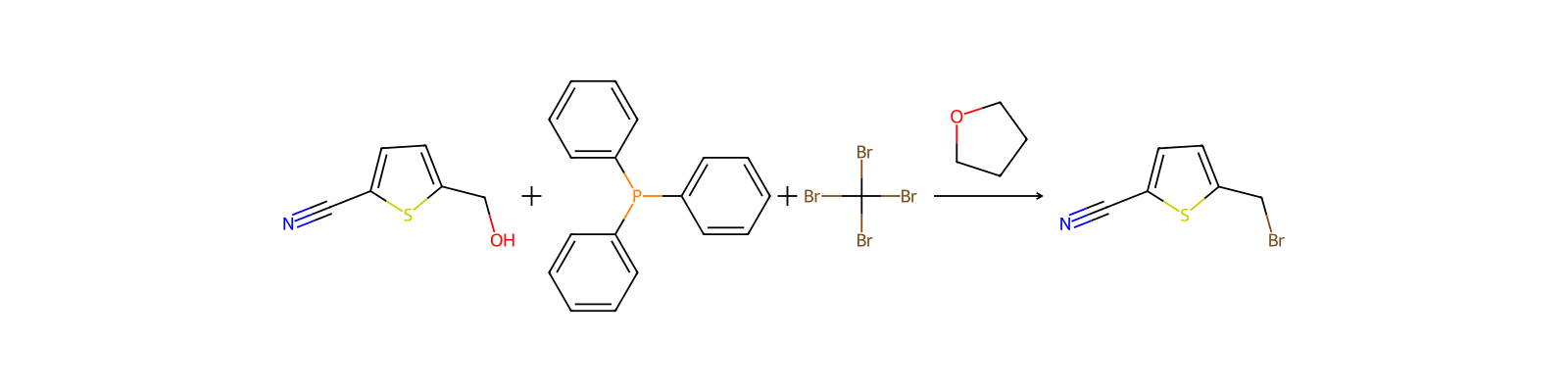
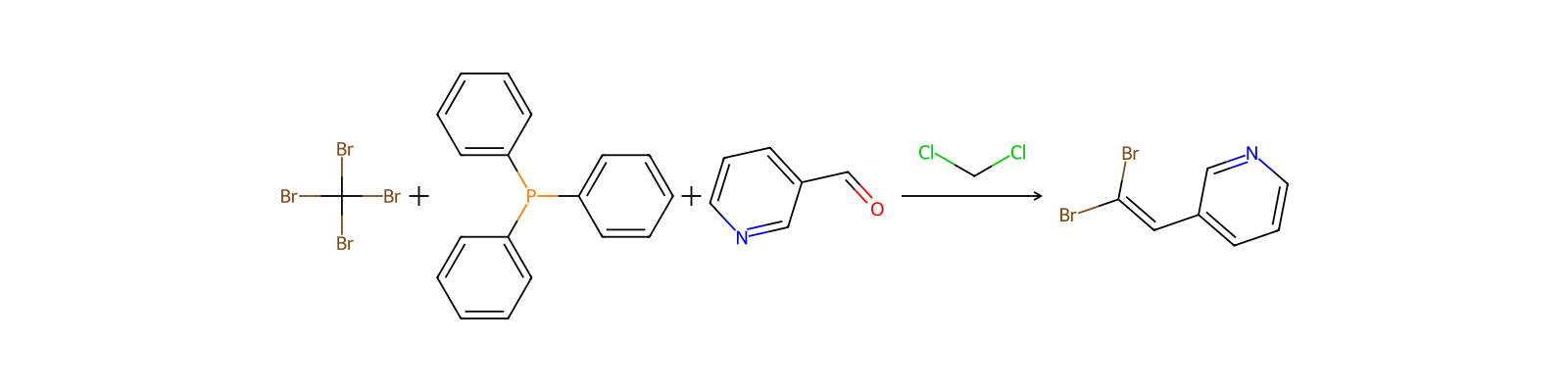
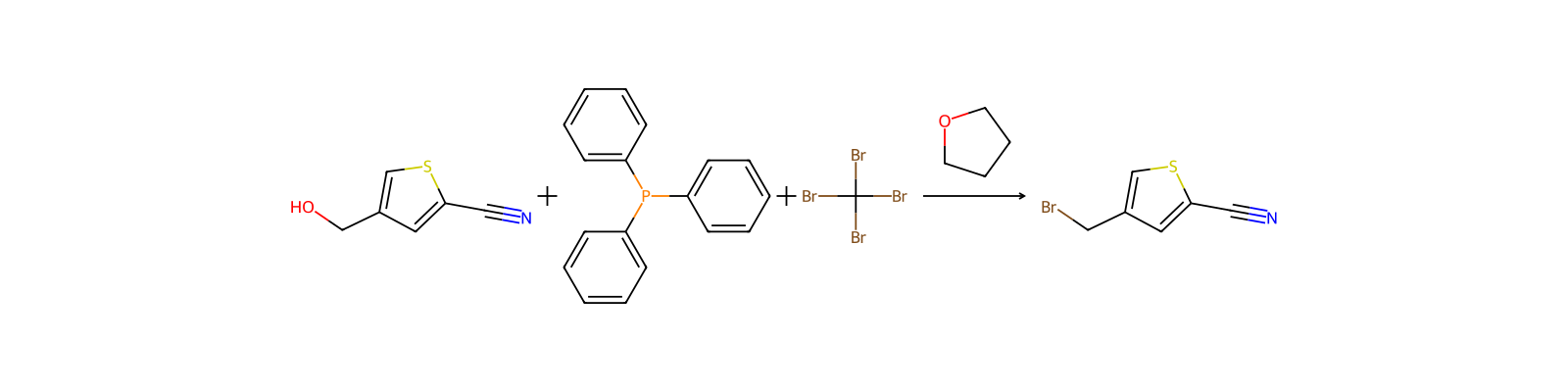
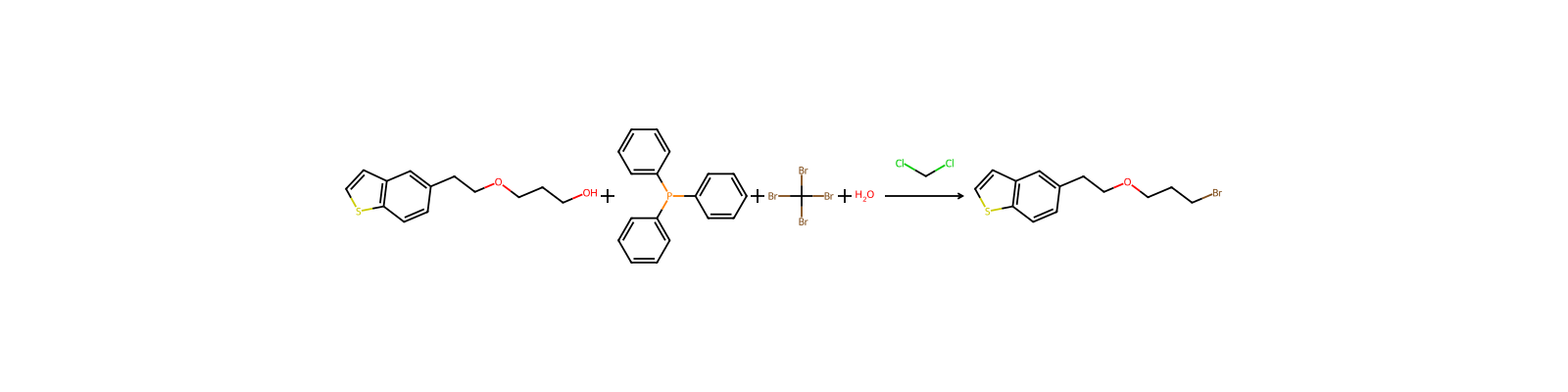
2,879건




연결된 노트
불러오는 중…