

기본 정보
- 표준 SMILES
Oc1ccc2ccc(O)cc2c1- InChIKey
DFQICHCWIIJABH-UHFFFAOYSA-N- 분자식
- C10H8O2
- 평균 분자량
- 160.17 g/mol
- 단동위원소 질량
- 160.0524295
개요
2,7-naphthalenediol has been reported in Magnolia liliiflora with data available.
이름 및 식별자
- 우선 이름
- 2,7-Naphthalenediol
- IUPAC
- naphthalene-2,7-diol
- 현지명
- 2,7-나프탈렌다이올
- 영어명
- 2,7-Dihydroxynaphthalene
- 분자식
- C10H8O2
- 분자량
- 160.17
이름 및 동의어
2,7-DIHYDROXYNAPHTHALENE2,7-Naphthalenediol582-17-2Naphthalenediol-2,7CI 76645C.I. 766452,7-naphthalene diol0TO8E448UDDTXSID2060387NSC-407541CI-76645C.I.-76645
이름 더 보기
2,7-나프탈렌다이올2,7-나프탈렌다이올및그염류2,7-디하이드록시나프탈렌2,7-DONc.i.766452,7-Dihydroxy2,7-Naphthelendiol2,7-Naphtalenediol
RefChem:446004DTXCID4042337209-478-7Naphthalene-2,7-diolMFCD00004085NSC 4075412,7-NaphthalindiolNaphthalenediol-2,7 [French]
데이터베이스 식별자
- CAS
582-17-2- PubChem CID
- 11397
- DTXSID
DTXSID2060387- ChEMBL
CHEMBL205165- UNII
- 0TO8E448UD
- EC Number
- 209-478-7
- Nikkaji
- J70.178E
물성
구조 계산 물성
- XLogP
- 2.3
- 극성 표면적
- 40.5 Ų
- 수소 결합 공여자 수
- 2
- 수소 결합 수용자 수
- 2
- 회전 가능 결합 수
- 0
- 무거운 원자 수
- 12
- 형식 전하
- 0
- 복잡도
- 142
실험 및 물리화학적 성질
Chemical ClassesOther Classes -> Naphthols
CosmeticsHair dyeing
SpringerMaterials Properties13C nuclear magnetic resonance spectrum
Physical DescriptionLight grey or slightly yellow solid; [EC: Opinion of the SCCP on 2,7-naphthalenediol] Grey powder; [Alfa Aesar MSDS]
물리화학적 성질
- 녹는점
- 185 · 185-190 °C (lit.)
- 끓는 점
- 246.06 °C · 246.06°C (rough estimate)
- 밀도
- 1.0924 · 1.0924 (rough estimate)
- 굴절률
- 1.5418 · 1.5418 (estimate)
- 저장 조건
- 30 °C · Store below +30°C.
- 용해도
- DMSO(약간 용해됨), 메탄올(약간 용해됨)
- 물리적 상태
- 가루
- 산도 계수 (pKa)
- 9.14 · 9.14±0.40(Predicted)
- 색상
- 회색
- 수용성
- 불용성
- BRN
- 2042383 · 2042383
- 화장품 원료 기능
- 머리 염색
- InChI
- 1S/C10H8O2/c11-9-3-1-7-2-4-10(12)6-8(7)5-9/h1-6,11-12H
- InChIKey
- DFQICHCWIIJABH-UHFFFAOYSA-N
- SMILES
- Oc1ccc2ccc(O)cc2c1
- LogP
- 1.98 · 1.980 (est)
- NIST
- 2 · 2,7-Naphthalenediol(582-17-2)
- EPA
- 2 · 2,7-Naphthalenediol (582-17-2)
화학적 성질
Light yellow to grey needle crystal
안전 및 규제
GHS 분류
GHS Classification
This chemical does not meet GHS hazard criteria for 1.2% (1 of 81) of reports.
Danger
H302 (14.8%): Harmful if swallowed [Warning Acute toxicity, oral]
P261, P264, P264+P265, P270, P271, P272, P273, P280, P301+P317, P302+P352, P304+P340, P305+P351+P338, P305+P354+P338, P317, P319, P321, P330, P332+P317, P333+P317, P337+P317, P362+P364, P391, P403+P233, P405, and P501 (click each P-code to see the statement)
Aggregated GHS information provided per 81 reports by companies from 14 notifications to the ECHA C&L Inventory. Each notification may be associated with multiple companies.
Danger
유해성 정보
Regulatory Information
Chemical: 2,7-Naphthalenediol
2,7-Naphthalene diol: Does not have an individual approval but may be used under an appropriate group standard
Other Safety InformationIMAP assessments - 2,7-Naphthalenediol: Human health tier II assessment
Hazards Summary
Not irritating to rabbit skin; Highly irritating and corrosive to rabbit eyes; A moderate skin sensitizer using the mouse local lymph node assay (LLNA); Changes in hematology (reduced hemoglobin in males and higher MCV and MCH values in females), clinical chemistry (increased GGT in males and ALT in females), and histopathological changes in liver and kidney observed in 90-day oral study of rats; Hematological changes and histopathology of liver and kidney reversed within four week recovery period; No evidence of teratogenicity in rats; Not likely to have mutagenic potential in vivo; [EC: SCCP] A skin and strong eye irritant; [Alfa Aesar MSDS] See 1-Napththol and 2-Naphthol.
Hazard Classes and Categories
Acute Tox. 4 (14.8%)
Eye damage - category 1
독성 정보
Adverse EffectsOccupational hepatotoxin - Secondary hepatotoxins: the potential for toxic effect in the occupational setting is based on cases of poisoning by human ingestion or animal experimentation.
안전 데이터
- wgk
- 2
- tsca
- TSCA listed
- rtecs
- QJ4780000
- HS 번호
- 29072900
- risk_code
- 36/37/38
- hazard_code
- Xi
- safety_code
- 26-36-37/39
- Hazard Classifications
- Eye Irrit. 2Skin Irrit. 2STOT SE 3
- 스토리지 클래스
- 11 - Combustible Solids
화학 및 산업
용도 및 제조
Uses
Used in oxidative hair dye formulations; [EC: SCCP]
Dressing Hair [Category: Other]
Use ClassificationCosmetics -> Hair dyeing
General Manufacturing Information2,7-Naphthalenediol: ACTIVE
응용 분야
용도2,7-Dihydroxynaphthalene can be used as starting material for the synthesis of sulfonic acids and divinylnaphthalenes.
상·하류 제품 정보
하류 제품
공급사50 곳
国药集团化学试剂有限公司86-21-63210123 · [email protected]
梯希爱(上海)化成工业发展有限公司021-67121386 · [email protected]
衢州润东化工有限公司0570-8789886 18892685668 · [email protected]
上海阿拉丁生化科技股份有限公司400-6206333 13167063860 · [email protected]
无锡市凯立生物科技有限公司0510-80721533 13327925606 · [email protected]
INTATRADE GmbH+49 3493/605464 · [email protected]
北京安司莫森技术有限公司010-82954736 13391601435 · [email protected]
上海迈瑞尔生化科技有限公司4006356688 18621169109 · [email protected]
北京华威锐科化工有限公司0757-86329057 18934348241 · [email protected]
阿法埃莎(中国)化学有限公司400-6106006 · [email protected]
太原市瑞和丰科贸有限公司+86 351 7031519 · [email protected]
安耐吉化学&3A(安徽泽升科技股份有限公司)400-0056266 · [email protected]
石家庄斯迪亚诺精细化工有限公司0311-89250318 13582355795 · [email protected]
上海瀚鸿科技股份有限公司021-54306202 13764082696 · [email protected]
嘉兴市艾森化工有限公司0573-85285100 18627885956 · [email protected]
Pure Chemistry Scientific Inc.001-857-928-2050 or 1-888-588-9418 · [email protected]
孝感深远化工有限公司15527621225; 15527621225 · [email protected]
Beckmann-Kenko GmbH+49 4241 9308 88 · [email protected]
山东西亚化学有限公司13355009207 13355009207 · [email protected]
玛雅试剂+86 (573) 82222445 (0)18006601000 452520369 · [email protected]
四川库利南科技有限公司400-1166-196 18981987031 · [email protected]
天津希恩思生化科技有限公司400 638 7771 · [email protected]
南京维奥化工有限公司Please Send Email 18652950785 · [email protected]
河南多贝化工有限公司0370-2785118 17550508557 · [email protected]
斯百全化学(上海)有限公司021-021-021-67601398-809-809-809 15221380277 · [email protected]
上海源叶生物科技有限公司13636370518 · [email protected]
艾科试剂4008-755-333 18080918076 · [email protected]
上海思域化工科技有限公司86-21-34053660 · [email protected]
赛默飞世尔科技(中国)有限公司800-810-5118 · [email protected]
北京伊诺凯科技有限公司400-810-7969 010-59572699 · [email protected]
上海特伯化学科技有限公司+86-21-60341587 · [email protected]
江苏艾康生物医药研发有限公司025-66113011 13913916777 · [email protected]
TCI AMERICA800-4238616 · [email protected]
TOKYO CHEMICAL INDUSTRY CO., LTD.03-36680489 · [email protected]
TCI Europe320-37350700 · [email protected]
深圳康特腾科技有限公司86-0755-86635001 · [email protected]
上海将来实业股份有限公司400-0066400 13621662912 · [email protected]
上海将来实业股份有限公司021-61552785 · [email protected]
安徽科迪达化工有限公司0554-2106669 · [email protected]
HBCChem, Inc.+1-510-219-6317 · [email protected]
日照力德士化工有限公司010-51268198 · [email protected]
郑州鸿晟医药科技有限公司0371-0371-13526885213 15637198702 · [email protected]
美岚实业(上海)有限公司021-58958189 · [email protected]
上海石洋化工有限公司021-56795766 · [email protected]
重庆星灿医药科技有限公司13594048950 19923294409 · [email protected]
成都零六生物科技有限公司400-1166-196 13458535857 · [email protected]
广拓化学(上海)有限公司021-60899189-8001 18918189673 · [email protected]
上海御略医药科技有限公司021-60345187 13671753212 · [email protected]
天津安浩生物科技有限公司[email protected]
上海麦克林生化科技股份有限公司15221275939 15221275939 · [email protected]
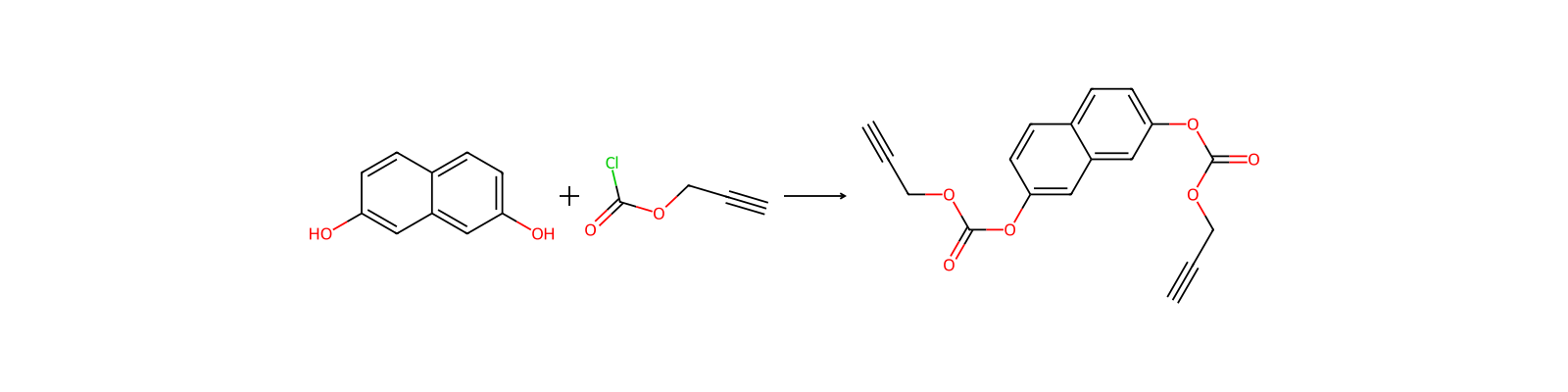
관련 반응
31건




연결된 노트
불러오는 중…