홈MCP워크벤치Skills
홈워크벤치알림마이페이지
llms.txt · MCP 가이드개인정보처리방침 · 이용약관 · 지원v1.8.0
  1. 홈
  2. /화합물

트리메틸아민옥사이드

Trimethylamine oxide
HCID 1145
새 노트새 반응견적 요청하기
인쇄 미리보기
기본 정보개요이름 및 식별자물성안전 및 규제화학 및 산업관련 반응화합물 노트
부분 구조 검색유사 구조 찾기

기본 정보

CAS
1184-78-7
표준 SMILES
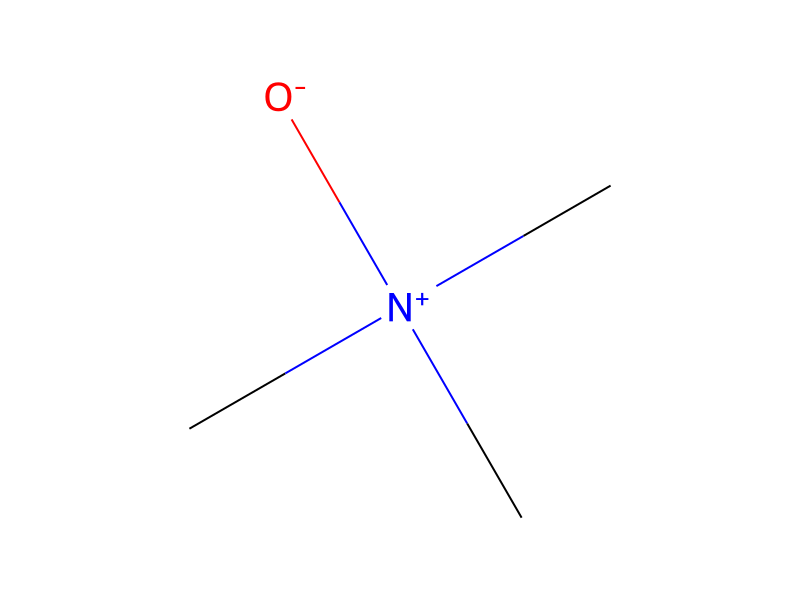
C[N+](C)(C)[O-]
InChIKey
UYPYRKYUKCHHIB-UHFFFAOYSA-N
분자식
C3H9NO
평균 분자량
75.11 g/mol
단동위원소 질량
75.06841391

개요

Trimethylamine N-oxide is a tertiary amine oxide resulting from the oxidation of the amino group of trimethylamine. It has a role as a metabolite, an osmolyte and an Escherichia coli metabolite. It is functionally related to a trimethylamine. It is a conjugate base of a hydroxytrimethylaminium.

이름 및 식별자

우선 이름
Trimethylamine oxide
IUPAC
N,N-dimethylmethanamine oxide
현지명
트리메틸아민옥사이드
영어명
Trimethylamine N-oxide
분자식
C3H9NO
분자량
75.11

이름 및 동의어

TRIMETHYLAMINE N-OXIDETrimethylamine oxide1184-78-7N,N-dimethylmethanamine oxideTrioxTrimethyloxamineTMAON,N-Dimethylmethanamine N-oxideMethanamine, N,N-dimethyl-, N-oxidetrimethylammonium oxide(CH3)3NOFLD0K1SJ1A
이름 더 보기
트리메틸아민N-옥사이드트리메틸아민옥사이드트라이메틸아민옥사이드트라이메틸아민 N-산화물Trimetlylamine OxideTrimethylamine N-Oxide AnhydrousTMANO AnhydrousTRIMETHYLAMINOXIDErimethylamineN-oxide
NSC-408426CHEBI:15724FEMA NO. 4245RefChem:933449214-675-6Trimethylamine N-oxide dihydratetrimethylamine-N-oxideTrimethylamine, N-oxide

데이터베이스 식별자

CAS
1184-78-7、85408-49-7
PubChem CID
1145
DTXSID
DTXSID8049678
ChEBI
CHEBI:15724
UNII
FLD0K1SJ1A
EC Number
214-675-6、287-011-6
Nikkaji
J7.304K

물성

구조 계산 물성

XLogP
-0.3
극성 표면적
18.1 Ų
수소 결합 공여자 수
0
수소 결합 수용자 수
1
회전 가능 결합 수
0
무거운 원자 수
5
형식 전하
0
복잡도
28.4

실험 및 물리화학적 성질

Chemical ClassesNitrogen Compounds -> Amine Oxides
DrugsPharmaceuticals -> Metabolite of Levocarnitine
SpringerMaterials PropertiesSchoenflies notation
LogP-2.570
Food AdditivesFLAVORING AGENT OR ADJUVANT -> FDA Substance added to food
Flavoring AgentsEU Flavoring substances
Solubility · 3건

454 mg/mL

Soluble in water

Soluble (in ethanol)

Melting Point95 - 99 °C
Physical Description · 4건

Liquid

Colorless solid; Highly hygroscopic; [Merck Index]

Solid

Colourless to yellow solid; Odourless

물리화학적 성질

녹는점
220 · 220-222 °C (lit.)

안전 및 규제

안전 정보는 참고용이며, 공급업체의 물질안전보건자료(SDS), 관련 법규 및 전문가 평가를 대체하지 않습니다.

GHS 분류

GHS Classification · 6건

Danger

H302 (71.8%): Harmful if swallowed [Warning Acute toxicity, oral]

P264, P264+P265, P270, P273, P280, P301+P317, P302+P352, P305+P354+P338, P317, P321, P330, P332+P317, P362+P364, P391, and P501 (click each P-code to see the statement)

Aggregated GHS information provided per 188 reports by companies from 6 notifications to the ECHA C&L Inventory. Each notification may be associated with multiple companies.

Warning

H302+H332 (31.5%): Harmful if swallowed or if inhaled [Warning Acute toxicity, oral; acute toxicity, inhalation]

유해성 정보

Regulatory Information · 5건

Commission Regulation (EC) No 1565/2000 (Repealed by Com. Implementing Reg. (EU) No 872/2012)

Methanamine, N,N-dimethyl-, N-oxide is listed on the EPA's Chemical Data Reporting (CDR) system. Manufacturers and importers of Methanamine, N,N-dimethyl-, N-oxide are required to report information about their production and use of this chemical to the EPA under the Toxic Substances Control Act (TSCA). (40 eCFR Part 711)

Status: Active Update: 03-04-2023 https://echa.europa.eu/registration-dossier/-/registered-dossier/25104

Methanamine, N,N-dimethyl-, N-oxide: Does not have an individual approval but may be used under an appropriate group standard

Amines, C12-16-alkyldimethyl, N-oxides: Does not have an individual approval but may be used as a component in a product covered by a group standard. It is not approved for use as a chemical in its own right.

Hazards SummaryThe dihydrate is CAS# 62637-93-8; May cause skin, eye, and respiratory tract irritation; [Merck Index] Safe when used as a flavoring agent in food; [JECFA] A skin and strong eye irritant; [Sigma-Aldrich MSDS]
Hazard Classes and Categories · 2건

Acute Tox. 4 (57.6%)

Acute Tox. 4 (71.8%)

안전 및 보호

화학 및 산업

약리 정보

Metabolism/Metabolites · 1건

Trimethylamine-N-oxide is biosynthesized in the liver from trimethylamine (TMA), which is derived from choline. Flavin monooxygenase 3 (FMO3) has been implicated in the oxidation of TMA since individuals with mutations in FMO3 present with accumulation of TMA levels, causing fish malodor syndrome. TMAO is secreted in the urine and is not metabolized any further.

MeSH Pharmacological ClassificationElectron-accepting molecules in chemical reactions in which electrons are transferred from one molecule to another (OXIDATION-REDUCTION).
Tissue LocationsEpidermis
Cellular LocationsCytoplasm

용도 및 제조

Uses · 2건

Present in marine organisms; Used in organic synthesis (oxidizing agent); [Merck Index] Used to make quaternary ammonium compounds, as an insect attractant, and a warning agent for flammable gas; [ChemIDplus] Used as flavoring agent or adjuvant; [FDA]

TMAO is produced endogenously in the body. High levels are found in fish. It is a uremic toxic and an atherotoxin or atherogenic. It is also an osmolyte.

U.S. Production2020: <50,000 lb
Industry UsesNot Known or Reasonably Ascertainable
Use Classification · 2건

Flavouring Agent -> FLAVOURING_AGENT -> JECFA Functional Classes

Flavoring Agents -> JECFA Flavorings Index

General Manufacturing Information · 2건

Not Known or Reasonably Ascertainable

Methanamine, N,N-dimethyl-, N-oxide: ACTIVE

관련 반응

146건
반응 기록 만들기
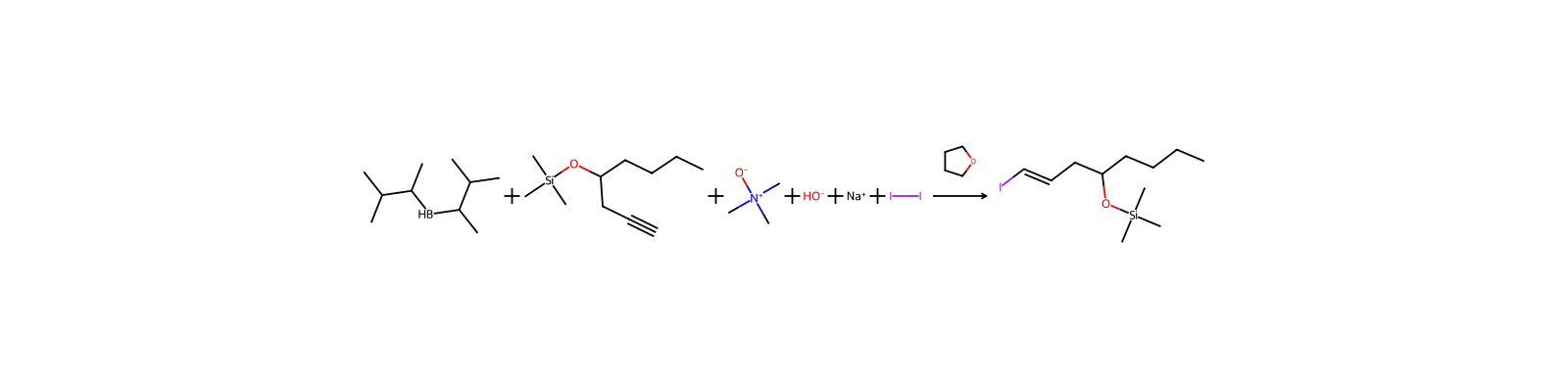
HRID 54580 반응식
HRID 54580반응물로uspto-grants-1997_04
HRID 66402 반응식
HRID 66402반응물로uspto-grants-1978_12
HRID 67014 반응식
HRID 67014반응물로uspto-grants-1982_08
HRID 67031 반응식
HRID 67031반응물로uspto-grants-1982_08
HRID 75087 반응식
HRID 75087반응물로uspto-grants-2014_09
HRID 76299 반응식
HRID 76299반응물로uspto-grants-2014_09
HRID 76300 반응식
HRID 76300반응물로uspto-grants-2014_09
HRID 76302 반응식
HRID 76302반응물로uspto-grants-2014_09
1 / 19 페이지

화합물 노트

불러오는 중…

이 페이지에서기본 정보개요이름 및 식별자물성안전 및 규제화학 및 산업관련 반응화합물 노트
더보기
새 노트새 반응견적 요청하기
끓는 점
133.8 °C · 133.8°C (rough estimate)
밀도
0.9301 · 0.9301 (rough estimate)
증기압
23.5 Pa · 23.5Pa at 20℃
굴절률
1.4698 · 1.4698 (estimate)
FEMA
4245 · 4245 | TRIMETHYLAMINE OXIDE
저장 조건
Hygroscopic, Room Temperature, under inert atmosphere
용해도
클로로포름, DMSO, 메탄올(약간 용해됨)
산도 계수 (pKa)
4.65 · 4.65(at 25℃)
물리적 상태
고체
색상
옅은 노랑
냄새
냄새 없는
수용성
793 g/L · 793g/L at 24.5℃
Merck
14 · 14,9711
JECFA Number
1614 · 1614
안정성
흡습성
InChI
1S/C3H9NO/c1-4(2,3)5/h1-3H3
InChIKey
UYPYRKYUKCHHIB-UHFFFAOYSA-N
SMILES
C[N+](C)(C)[O-]
LogP
-2.79 · -2.79
EPA
Methanamine, N,N-dimethyl-, N-oxide (1184-78-7)

화학적 성질

White crystalline powder

Minimum Risk Level>75 uM in blood

독성 정보

Treatment · 1건

Kidney dialysis is usually needed to relieve the symptoms of uremic syndrome until normal kidney function can be restored. Treatments for atherosclerosis may include lifestyle changes (exercise, eating fruits and vegetables), medicines (statins), and medical procedures or surgery (angioplasty).

Health Effects · 1건

High endogenous levels of TMAO in the blood (>100 uM) can lead to uremia which can lead to a number of conditions including renal damage, chronic kidney disease and cardiovascular disease. Chronically high levels of TMAO in the blood can also lead to the development of atherosclerosis and atherosclerotic plaques.

Exposure RoutesEndogenous, Ingestion
Toxicity Summary · 1건

Uremic toxins such as TMAO are actively transported into the kidneys via organic ion transporters (especially OAT3). Increased levels of uremic toxins can stimulate the production of reactive oxygen species. This seems to be mediated by the direct binding or inhibition by uremic toxins of the enzyme NADPH oxidase (especially NOX4 which is abundant in the kidneys and heart) (5). Reactive oxygen species can induce several different DNA methyltransferases (DNMTs) which are involved in the silencing of a protein known as KLOTHO. KLOTHO has been identified as having important roles in anti-aging, mineral metabolism, and vitamin D metabolism. A number of studies have indicated that KLOTHO mRNA and protein levels are reduced during acute or chronic kidney diseases in response to high local levels of reactive oxygen species (6). TMAO appears to contribute to the development of atherosclerosis in part by promoting cholesterol accumulation within macrophages, perhaps by inducing scavenger receptors such as CD36 and SRA1, both of which are involved in the uptake of modified lipoproteins (A15344).

Signs and Symptoms · 1건

As a uremic toxin, TMAO can cause uremic syndrome. Uremic syndrome may affect any part of the body and can cause nausea, vomiting, loss of appetite, and weight loss. It can also cause changes in mental status, such as confusion, reduced awareness, agitation, psychosis, seizures, and coma. Abnormal bleeding, such as bleeding spontaneously or profusely from a very minor injury can also occur. Heart problems, such as an irregular heartbeat, inflammation in the sac that surrounds the heart (pericarditis), and increased pressure on the heart can be seen in patients with uremic syndrome. Shortness of breath from fluid buildup in the space between the lungs and the chest wall (pleural effusion) can also be present. Symptoms of atherosclerosis include angina, chest pain, breathlessness, nausea, dizziness, leg pains, weakness or numbness in the legs, erectile dysfunction, hairloss on legs or feet and leg sores that never heal.

Carcinogen ClassificationNo indication of carcinogenicity to humans (not listed by IARC).
Toxicity Data>100 uM in blood is usually indicative of uremia

안전 데이터

wgk
3
tsca
TSCA listed
HS 번호
2904.20.5000
risk_code
36/37/38
hazard_code
Xi
safety_code
26-37/39
Hazard Classifications
Acute Tox. 4 InhalationAcute Tox. 4 Oral
스토리지 클래스
11 - Combustible Solids
응용 분야 · 3건

개요Trimethylamine N-oxide (TMAO) is a metabolite of choline, phosphatidylcholine, and L-carnitine . It is formed by gut microbiota-mediated metabolism of choline, phosphatidylcholine, and L-carnitine to TMA followed by oxidation of TMA by flavin-containing monooxygenase 3 (FMO3) in the liver. Dietary administration of TMAO (0.12% w/w) increases renal tubulointerstitial fibrosis, collagen deposition, and Smad3 phosphorylation in mice and increases aortic lesion area in atherosclerosis-prone ApoE-/- mice. Plasma levels of TMAO are elevated in patients with chronic kidney disease and decreased in patients with active, compared with inactive, ulcerative colitis. Elevated plasma levels of TMAO are associated with increased risk of cardiovascular disease.

용도TrimethylamineN-oxide can be used:As a demetallationand decarbonylationreagent for organometallic compounds.To prepare azomethine ylide by reaction with lithium di-isopropylamide. This, in turn, may be reacted with simple alkenes to obtain corresponding pyrrolidines.To mediate the conversion of thiols to disulfides.

일반 설명TrimethylamineN-oxide is an organic compound that belongs to the class of amine oxides. It is generally found in the tissues of marine organisms, wherein it helps protect them from harsh conditions like salinity, hydrostatic pressure, temperature, and high urea.

상·하류 제품 정보

상류 원료

과산화 수소톨루엔트라이메틸아민(트리메틸아민)

하류 제품

엔,엔-디메틸피페라진2-디메틸아미노메틸페놀(페놀함유)(1-메틸피롤리딘-3-일)메탄올

추가 설명

정의ChEBI: An N-oxide derived from triethylamine.