
기본 정보
- 표준 SMILES
O=C1C[C@@H](c2ccc(O)cc2)Oc2cc(O)ccc21- InChIKey
FURUXTVZLHCCNA-AWEZNQCLSA-N- 분자식
- C15H12O4
- 평균 분자량
- 256.25 g/mol
- 단동위원소 질량
- 256.07355886
개요
Liquiritigenin is a dihydroxyflavanone compound having the two hydroxy substituents at the 4'- and 7-positions. Isolated from the root of Glycyrrhizae uralensis, it is a selective agonist for oestrogen receptor beta. It has a role as a hormone agonist and a plant metabolite.
이름 및 식별자
- 우선 이름
- Liquiritigenin
- IUPAC
- (2S)-7-hydroxy-2-(4-hydroxyphenyl)-2,3-dihydrochromen-4-one
이름 및 동의어
Liquiritigenin578-86-9(2S)-liquiritigenin7,4'-Dihydroxyflavanone(-)-liquiritigenin(2S)-7-hydroxy-2-(4-hydroxyphenyl)-2,3-dihydrochromen-4-oneT194LKP9W6(2S)-7-Hydroxy-2-(4-hydroxyphenyl)-2,3-dihydro-4H-1-benzopyran-4-oneCHEBI:28777DTXSID902064934H-1-Benzopyran-4-one, 2,3-dihydro-7-hydroxy-2-(4-hydroxyphenyl)-, (2S)-4H-1-Benzopyran-4-one, 2,3-dihydro-7-hydroxy-2-(4-hydroxyphenyl)-, (S)-
이름 더 보기
RefChem:41450DTXCID90128984(S)-7-Hydroxy-2-(4-hydroxyphenyl)chroman-4-one5-DEOXYFLAVANONELIQUIRTIGENINMFCD00287289(S)-liquiritigenin7-hydroxy-2-(4-hydroxy-phenyl)-chroman-4-one
데이터베이스 식별자
- CAS
578-86-9- PubChem CID
- 114829
- DTXSID
DTXSID90206493- ChEMBL
CHEMBL252642- ChEBI
CHEBI:28777- UNII
- T194LKP9W6
- Nikkaji
- J22.604A
물성
구조 계산 물성
- XLogP
- 2.2
- 극성 표면적
- 66.8 Ų
- 수소 결합 공여자 수
- 2
- 수소 결합 수용자 수
- 4
- 회전 가능 결합 수
- 1
- 무거운 원자 수
- 19
- 형식 전하
- 0
- 복잡도
- 335
실험 및 물리화학적 성질
DrugsPharmaceuticals -> Listed in ZINC15
LipidsPolyketides [PK] -> Flavonoids [PK12] -> Flavanones [PK1214]
SpringerMaterials PropertiesChemical shift
Endocrine DisruptorsPotential endocrine disrupting compound
Melting Point203 - 205 °C
Physical DescriptionSolid
화학 및 산업
약리 정보
Mechanism of Action
MF101 promoted ERbeta, but not ERalpha, activation of an estrogen response element (ERE) upstream of the luciferase reporter gene. MF101 also selectively regulates transcription of endogenous genes through ERbeta. The ERbeta-selectivity was not due to differential binding, since MF101 binds equally to ERalpha and ERbeta. Fluorescence resonance energy transfer and protease digestion studies showed that MF101 produces a different conformation in ERalpha from ERbeta, when compared with the conformations produced by estradiol. The specific conformational change induced by MF101 allows ERbeta to bind to an ERE and recruit coregulatory proteins that are required for gene activation. MF101 did not activate the ERalpha-regulated proliferative genes, c-myc and cyclin D1, or stimulate MCF-7 breast cancer cell proliferation or tumor formation in a mouse xenograft model.
Cellular LocationsMembrane
관련 반응
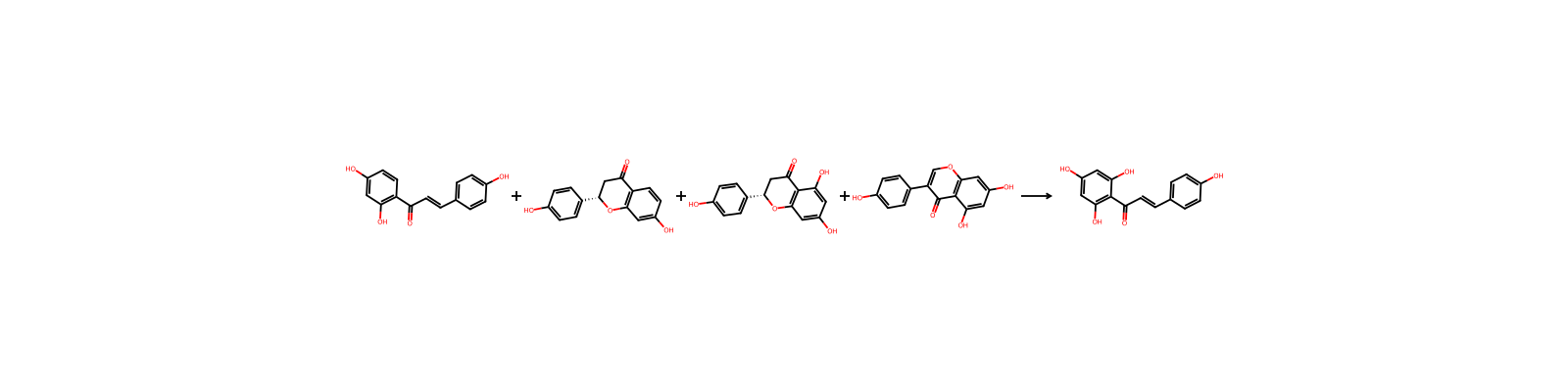
1건
연결된 노트
불러오는 중…