
기본 정보
- CAS
6011-14-9- 표준 SMILES
Cl.N#CCN- InChIKey
XFKYKTBPRBZDFG-UHFFFAOYSA-N- 분자식
- C2H4N2.ClH
- 평균 분자량
- 92.53 g/mol
- 단동위원소 질량
- 92.01412584
이름 및 식별자
- 우선 이름
- Aminoacetonitrile hydrochloride
- IUPAC
- 2-aminoacetonitrile;hydrochloride
- 현지명
- 아미노아세토나이트릴 수화염화물
- 영어명
- Aminoacetonitrile hydrochloride
- 분자식
- C2H5ClN2
- 분자량
- 92.53
이름 및 동의어
Aminoacetonitrile hydrochloride6011-14-92-aminoacetonitrile HydrochlorideAminoacetonitrile HClGlycinonitrile hydrochlorideAcetonitrile, amino-, monohydrochlorideAminoacetonitrile monohydrochlorideGLYCINONITRILE, MONOHYDROCHLORIDES8L3V1KSB7Acetonitrile, 2-amino-, hydrochloride (1:1)DTXSID10884212AMINOACETONITRILE HYDROCHLORIDE [MI]
이름 더 보기
아미노아세토나이트릴수화염화물아미노아세토나이트릴수화염화물e hydrochLGlycinonitrileHClAminoacetonitrile hy2-Amino-acetonitrile HClAminonitrilehydrochlorideAcetonitrile hydrochlorideCyanomethylazanium chloridecyanomethanaminium chloride
EINECS 227-865-9.ALPHA.-AMINOACETONITRILE HYDROCHLORIDERefChem:557530DTXCID401023667ALPHA-AMINOACETONITRILE HYDROCHLORIDE227-865-92-aminoacetonitrile;hydrochlorideAMINO ACETONITRILE HCl
데이터베이스 식별자
- CAS
6011-14-9- PubChem CID
- 11491918
- DTXSID
DTXSID10884212- ChEMBL
CHEMBL545492- UNII
- S8L3V1KSB7
- EC Number
- 227-865-9
물성
구조 계산 물성
- 극성 표면적
- 49.8 Ų
- 수소 결합 공여자 수
- 2
- 수소 결합 수용자 수
- 2
- 회전 가능 결합 수
- 0
- 무거운 원자 수
- 5
- 형식 전하
- 0
- 복잡도
- 39.2
물리화학적 성질
- 녹는점
- 172 · 172-174°C
- 저장 조건
- Inert atmosphere,Room Temperature
- 용해도
- 메탄올(소량으로 용해, 난방), 물
- 물리적 상태
- 가루
- 색상
- 흰색에서 황백색까지
- 수용성
- 20 °C, · 물 20°C, 1000g/L에 용해됩니다.
- Merck
- 14 · 14,412
- InChI
- InChI=1S/C2H4N2.ClH/c3-1-2-4;/h1,3H2;1H
- InChIKey
- XFKYKTBPRBZDFG-UHFFFAOYSA-N
- SMILES
- C(N)C#N.Cl
- EPA
- Aminoacetonitrile hydrochloride (6011-14-9)
화학적 성질
White to light brown solid
안전 및 규제
안전 정보는 참고용이며, 공급업체의 물질안전보건자료(SDS), 관련 법규 및 전문가 평가를 대체하지 않습니다.
GHS 분류
GHS Classification
Danger
H301 (12.3%): Toxic if swallowed [Danger Acute toxicity, oral]
P261, P264, P264+P265, P270, P271, P280, P301+P316, P301+P317, P302+P352, P304+P340, P305+P351+P338, P317, P319, P321, P330, P332+P317, P337+P317, P362+P364, P403+P233, P405, and P501 (click each P-code to see the statement)
Aggregated GHS information provided per 57 reports by companies from 13 notifications to the ECHA C&L Inventory. Each notification may be associated with multiple companies.
유해성 정보
Regulatory Information
Chemical: Acetonitrile, amino-, monohydrochloride
Status: Active Update: 21-08-2017 https://echa.europa.eu/registration-dossier/-/registered-dossier/20345
Acetonitrile, amino-, monohydrochloride: Does not have an individual approval but may be used under an appropriate group standard
Hazard Classes and CategoriesAcute Tox. 3 (12.3%)
안전 데이터
- tsca
- TSCA listed
- ridadr
- 3439
- HS 번호
- 29269090
- risk_code
- 20/21/22-36/37/38-25
- safety_code
- 22-36/37-45-26
- 포장분류
- III
- 위험 등급
- 6.1
- 기존화학 물질
- KE-01154
화학 및 산업
용도 및 제조
General Manufacturing InformationAcetonitrile, 2-amino-, hydrochloride (1:1): ACTIVE
응용 분야
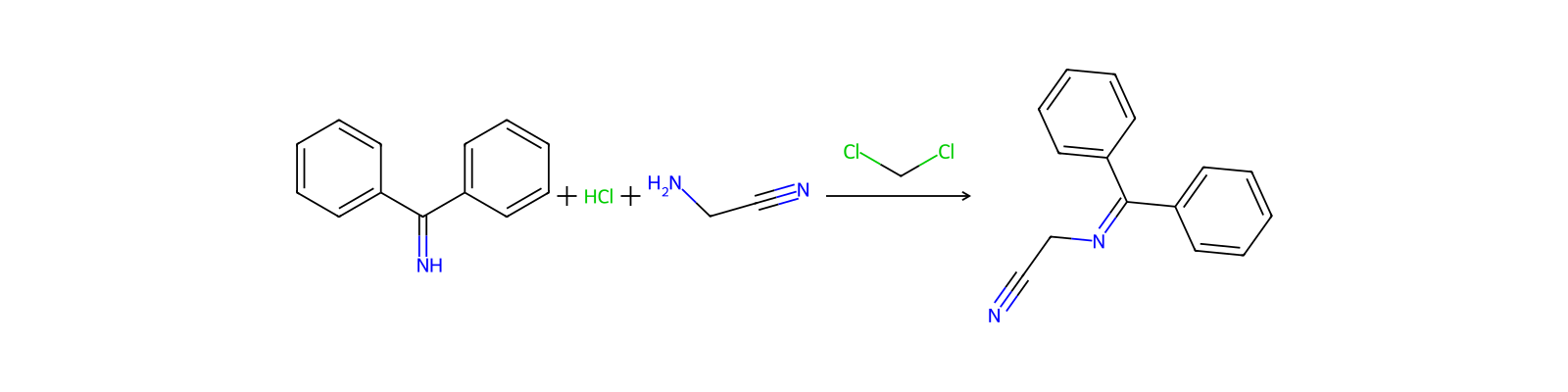
용도Used as pharmaceutical intermediates, organic synthetic raw material transportation.
제조 방법
Synthesis of Aminoacetonitrile Hydrochloride by Reaction of Aminoacetonitrile with Hydrogen Chloride in Methanol: mixing the aminoacetonitrile with hydrogen chloride methanol solution, reacting at 45-50°C for 1-2 hours, cooling to below 5°C, filtering, and centrifugalizing to obtain the aminoacetonitrile hydrochloride, wherein in the hydrogen chloride methanol solution, the content of hydrogen chloride is 30-50 wt%, and the water content is less than or equal to 1%.Preparation method of aminoacetonitrile hydrochloride
상·하류 제품 정보
하류 제품
관련 반응
160건


화합물 노트
불러오는 중…