홈MCP워크벤치Skills
홈워크벤치알림마이페이지
llms.txt · MCP 가이드개인정보처리방침 · 이용약관 · 지원v1.8.0
  1. 홈
  2. /화합물

자일렌-알파-올

4-Methylbenzyl alcohol

HCID 11505
새 노트새 반응견적 요청하기
인쇄 미리보기

데이터를 보충하는 중입니다. 잠시 후 페이지를 새로 고치면 최신 내용을 볼 수 있습니다

기본 정보개요이름 및 식별자물성안전 및 규제화학 및 산업관련 반응화합물 노트
부분 구조 검색유사 구조 찾기

기본 정보

CAS
31831-37-5
표준 SMILES
Cc1ccc(CO)cc1
InChIKey
KMTDMTZBNYGUNX-UHFFFAOYSA-N
분자식
C8H10O
평균 분자량
122.16 g/mol
단동위원소 질량
122.07316494

개요

P-methyl benzyl alcohol appears as needles or off-white crystalline powder. (NTP, 1992)

이름 및 식별자

우선 이름
4-Methylbenzyl alcohol
IUPAC
(4-methylphenyl)methanol
현지명
자일렌-알파-올
영어명
xylene-alpha-ol
분자식
C8H10O
분자량
122.1644

이름 및 동의어

4-Methylbenzyl alcohol589-18-4(4-Methylphenyl)methanolp-TolylcarbinolP-METHYLBENZYL ALCOHOLBenzenemethanol, 4-methyl-4-Tolylcarbinol4-(Hydroxymethyl)toluenep-Toluyl alcohol4-methylbenzenemethanolalpha-Hydroxy-p-xyleneBenzyl alcohol, p-methyl-
이름 더 보기
자일렌-알파-올xylene-alpha-olar-Methylbenzenemethanol
p-Methylbenzylalcohol4-Methyl-benzenemethanol4-Methyl benzenemethanolDTXSID5025574DTXCID205574P-TOLUALCOHOLEXZ915A627P-TOLUIC ALCOHOL

데이터베이스 식별자

CAS
31831-37-5、589-18-4
PubChem CID
11505
DTXSID
DTXSID5025574
ChEMBL
CHEMBL90100
ChEBI
CHEBI:1895
UNII
EXZ915A627
EC Number
209-639-1、250-826-2
Nikkaji
J28.550A

물성

구조 계산 물성보충 중

XLogP
1.6
극성 표면적
20.2 Ų
수소 결합 공여자 수
1
수소 결합 수용자 수
1
회전 가능 결합 수
1
무거운 원자 수
9
형식 전하
0
복잡도
72.6

실험 및 물리화학적 성질

PolymersOther Classes -> Alcohols and Polyols, Other
SpringerMaterials Properties13C nuclear magnetic resonance spectrum
LogP · 3건

log Kow = 1.58

1.580

1.59

Food AdditivesFLAVORING AGENT OR ADJUVANT -> FDA Substance added to food
Density · 2건

0.978 at 72 °F (NTP, 1992) - Less dense than water; will float

0.978 g/cu cm at 22 °C

Color/Form · 2건

Needles from ligroin

White crystalline powder

Solubility · 6건

1 to 10 mg/mL at 70.7 °F (NTP, 1992)

Very soluble in ether, ethanol

In water, 0.063 M (7,710 mg/L) at 25 °C

7710 mg/L @ 25 °C (exp)

Practically insoluble or insoluble in water

Soluble (in ethanol)

Boiling Point · 3건

423 °F at 760 mmHg (NTP, 1992)

217 °C

217.00 to 218.00 °C. @ 760.00 mm Hg

Decomposition

안전 및 규제

안전 정보는 참고용이며, 공급업체의 물질안전보건자료(SDS), 관련 법규 및 전문가 평가를 대체하지 않습니다.

GHS 분류

GHS Classification · 4건

Warning

H315 (16.4%): Causes skin irritation [Warning Skin corrosion/irritation]

P261, P264, P264+P265, P271, P280, P302+P352, P304+P340, P305+P351+P338, P319, P321, P332+P317, P337+P317, P362+P364, P403+P233, P405, and P501 (click each P-code to see the statement)

Aggregated GHS information provided per 287 reports by companies from 8 notifications to the ECHA C&L Inventory. Each notification may be associated with multiple companies.

유해성 정보

Regulatory Information · 3건

Chemical: Benzenemethanol, 4-methyl-

Status: Active Update: 02-05-2018 https://echa.europa.eu/registration-dossier/-/registered-dossier/25413

Benzenemethanol, 4-methyl-: Does not have an individual approval but may be used under an appropriate group standard

Other Safety InformationEvaluation - Chemicals that are unlikely to require further regulation to manage risks to environment
Fire HazardsFlash point data for this chemical are not available. It is probably combustible. (NTP, 1992)
Health HazardsACUTE/CHRONIC HAZARDS: When heated to decomposition this compound emits acrid smoke and toxic fumes of carbon monoxide and carbon dioxide. (NTP, 1992)
Hazards Summary · 1건

A severe skin irritant; [RTECS] A moderate to severe skin irritant in rabbits; No irritation or sensitization observed when tested at 4% in petrolatum on human volunteers; [HSDB] A skin and strong eye irritant; [Alfa Aesar MSDS] See Benzyl alcohol.

Reactive GroupAlcohols and Polyols
Reactivity ProfileP-METHYL BENZYL ALCOHOL can react with acids, acid chlorides, acid anhydrides and oxidizing agents. (NTP, 1992)

화학 및 산업

약리 정보

Metabolism/Metabolites · 2건

/OTHER TOXICITY INFORMATION/ Pulmonary metabolites of p-xylene, p-methylbenzyl alcohol (PMBA) and 2,5-dimethylphenol (DMP), were employed to investigate the divergent effects of p-xylene on pulmonary and hepatic metabolism. Rats were given PMBA, DMP, or 10% cremophore (control) ip daily for 3 days, and effects on hepatic and pulmonary microsomal metabolism were determined 12 hours later. Both PMBA and DMP mimic the decrease in pulmonary benzyloxyresorufin-O-debenzylase activity previously reported for p-xylene, but neither could account for the potent induction of cytochrome P450 in the liver. Only PMBA had a consistent effect on P450IIB apoprotein levels, decreasing them in both the liver and lung. These data suggest that PMBA may have a significant role in the inhibition of pulmonary P450 caused by p-xylene.

4-Methylbenzylalcohol is a known human metabolite of p-xylene.

Cellular LocationsCytoplasm

용도 및 제조

Uses · 3건

A pulmonary metabolite of para-xylene. [ChemIDplus] Used in fragrances, flavoring, and as a laboratory reagent; [HSDB]

Perfumery, flavoring dyes, laboratory reagent.

It is used mainly in fragrances... .

Methods of Manufacturingp-Tolyl alcohol is commercially prepared by reducing p-tolyl aldehyde.
Use Classification · 2건

Flavouring Agent -> FLAVOURING_AGENT -> JECFA Functional Classes

Flavoring Agents -> JECFA Flavorings Index

General Manufacturing InformationBenzenemethanol, 4-methyl-: ACTIVE

관련 반응

54건
반응 기록 만들기
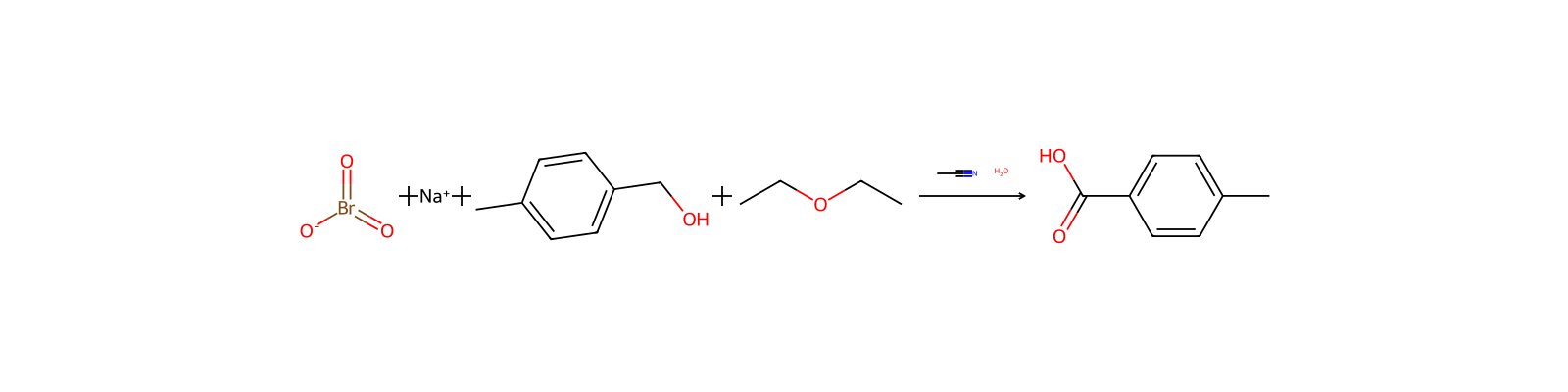
HRID 13740 반응식
HRID 13740반응물로uspto-grants-2010_06
HRID 26457 반응식
HRID 26457반응물로uspto-grants-1979_04
HRID 74389 반응식
HRID 74389반응물로uspto-grants-2014_09
HRID 89140 반응식
HRID 89140반응물로Training data from https://doi.org/10.1039/C8SC04228D (2/10)
HRID 163130 반응식
HRID 163130반응물로Training data from https://doi.org/10.1039/C8SC04228D (9/10)
HRID 167839 반응식
HRID 167839반응물로Training data from https://doi.org/10.1039/C8SC04228D (9/10)
HRID 172051 반응식
HRID 172051반응물로Training data from https://doi.org/10.1039/C8SC04228D (9/10)
HRID 229482 반응식
HRID 229482반응물로uspto-grants-2009_07
1 / 7 페이지

화합물 노트

불러오는 중…

이 페이지에서기본 정보개요이름 및 식별자물성안전 및 규제화학 및 산업관련 반응화합물 노트
더보기
새 노트새 반응견적 요청하기
When heated to decomposition it emits acrid smoke and irritating fumes.
Melting Point · 3건

138 to 142 °F (NTP, 1992)

61.5 °C

61 - 62 °C

Vapor Pressure · 2건

0.01 [mmHg]

0.053 mm Hg at 25 °C

Physical Description · 4건

P-methyl benzyl alcohol appears as needles or off-white crystalline powder. (NTP, 1992)

White solid; [HSDB] White crystalline solid; [Alfa Aesar MSDS]

Solid

White solid; Weak floral aroma

물리화학적 성질

EPA
ar-Methylbenzenemethanol (31831-37-5)
Air and Water ReactionsSlightly soluble in water.
Hazard Classes and CategoriesSkin Irrit. 2 (16.4%)

안전 및 보호

Fire FightingFires involving this material can be controlled with a dry chemical, carbon dioxide or Halon extinguisher. (NTP, 1992)
First Aid · 1건

EYES: First check the victim for contact lenses and remove if present. Flush victim's eyes with water or normal saline solution for 20 to 30 minutes while simultaneously calling a hospital or poison control center. Do not put any ointments, oils, or medication in the victim's eyes without specific instructions from a physician. IMMEDIATELY transport the victim after flushing eyes to a hospital even if no symptoms (such as redness or irritation) develop.

Nonfire Spill Response · 1건

SMALL SPILLS AND LEAKAGE: Should a spill occur while you are handling this chemical, FIRST REMOVE ALL SOURCES OF IGNITION, then you should dampen the solid spill material with 60-70% ethanol and transfer the dampened material to a suitable container. Use absorbent paper dampened with 60-70% ethanol to pick up any remaining material. Seal the absorbent paper, and any of your clothes, which may be contaminated, in a vapor-tight plastic bag for eventual disposal. Solvent wash all contaminated surfaces with 60-70% ethanol followed by washing with a soap and water solution. Do not reenter the contaminated area until the Safety Officer (or other responsible person) has verified that the area has been properly cleaned.

Disposal Methods · 1건

SRP: The most favorable course of action is to use an alternative chemical product with less inherent propensity for occupational exposure or environmental contamination. Recycle any unused portion of the material for its approved use or return it to the manufacturer or supplier. Ultimate disposal of the chemical must consider: the material's impact on air quality; potential migration in soil or water; effects on animal, aquatic, and plant life; and conformance with environmental and public health regulations.

Personal Protective Equipment (PPE) · 1건

RECOMMENDED RESPIRATOR: Where the neat test chemical is weighed and diluted, wear a NIOSH-approved half face respirator equipped with an organic vapor/acid gas cartridge (specific for organic vapors, HCl, acid gas and SO2) with a dust/mist filter. (NTP, 1992)

독성 정보

Ecotoxicity ValuesEC50; Species: Tetrahymena pyriformis (Ciliate, GL-C strain); Conditions: freshwater, static; Concentration: 379800 ug/L for 48 hr (95% confidence interval: 305380-456640 ug/L); Effect: decreased population, population changes, general
Environmental Fate · 3건

TERRESTRIAL FATE: Based on a classification scheme(1), an estimated Koc value of 32(SRC), determined from a water solubility of 7,710 mg/L(2) and a regression-derived equation(3), indicates that 4-methylbenzyl alcohol is expected to have very high mobility in soil(SRC). Volatilization of 4-methylbenzyl alcohol from moist soil surfaces is expected(SRC) given a Henry's Law constant of 1.1X10⁻⁶ atm-cu m/mole(SRC), derived from its vapor pressure, 0.53 mm Hg (4), and water solubility, 7,710 mg/L(2). 4-Methylbenzyl alcohol is not expected to volatilize from dry soil surfaces(SRC) based upon its vapor pressure. Biodegradation data were not available(SRC, 2008).

AQUATIC FATE: Based on a classification scheme(1), an estimated Koc value of 32(SRC), determined from a water solubility of 7,710 mg/L(2) and a regression-derived equation(3), indicates that 4-methylbenzyl alcohol is not expected to adsorb to suspended solids and sediment(SRC). Volatilization from water surfaces is expected(4) based upon a Henry's Law constant estimated as 1.1X10⁻⁶ atm-cu m/mole(SRC), derived from its vapor pressure, 0.53 mm Hg(5), and water solubility, 7,710 mg/L(2). Using this Henry's Law constant and an estimation method(3), volatilization half-lives for a model river and model lake are 37 and 270 days, respectively(SRC). 4-Methylbenzyl alcohol is not expected to undergo hydrolysis in the environment due to the lack of functional groups that hydrolyze under environmental conditions(SRC). According to a classification scheme(6), an estimated BCF of 0.7(SRC), from its log Kow of 1.58(7) and a regression-derived equation(8), suggests the potential for bioconcentration in aquatic organisms is low(SRC). Biodegradation data were not available(SRC, 2008).

ATMOSPHERIC FATE: According to a model of gas/particle partitioning of semivolatile organic compounds in the atmosphere(1), 4-methylbenzyl alcohol, which has a vapor pressure of 0.53 mm Hg at 25 °C(2), is expected to exist solely as a vapor in the ambient atmosphere. Vapor-phase 4-methylbenzyl alcohol is degraded in the atmosphere by reaction with photochemically-produced hydroxyl radicals(SRC); the half-life for this reaction in air is estimated to be 1.6 days(SRC), calculated from its rate constant of 9.7X10⁻¹² cu cm/molecule-sec at 25 °C(SRC) that was derived using a structure estimation method(3). 4-Methylbenzyl alcohol is not expected to be susceptible to direct photolysis by sunlight(SRC), since benzyl alcohol, which has a similar structure, is not susceptible to direct photolysis by sunlight(4).

Food Survey Values · 1건

The volatile components of different meats of a commonly consumed crab (Charybdis feriatus) in Asia were measured; 4-methylbenzyl alcohol concentrations were 3.2 and 38.5 ug/kg dry weight in the body and carapace, respectively(1). 4-Methylbenzyl alcohol was not detected in the legs and claws(1).

Ongoing Test Status · 1건

The following link will take the user to the National Toxicology Program (NTP) Test Agent Search Results page, which tabulates all of the "Standard Toxicology & Carcinogenesis Studies", "Developmental Studies", and "Genetic Toxicity Studies" performed with this chemical. Clicking on the "Testing Status" link will take the user to the status (i.e., in review, in progress, in preparation, on test, completed, etc.) and results of all the studies that the NTP has done on this chemical.[Available from: http://ntp-apps.niehs.nih.gov/ntp_tox/index.cfm?fuseaction=ntpsearch.searchresults&searchterm=589-18-4]

Effluent Concentrations · 1건

4-Methylbenzyl alcohol was measured at a concentration of 0.95 ug/cu m in the emissions of a municipal waste incineration plant(1). Concentrations of organic wastes were measured in observation wells after subsurface injection of organic wastes by a plant near Wilmington, NC; an average concentration of less than 0.5 mg/L DOC was reported for 4-methylbenzyl alcohol in 3 waste samples obtained during 1972-1973(2).

Soil Adsorption/Mobility · 1건

The Koc of 4-methylbenzyl alcohol is estimated as 32(SRC), using a water solubility of 7,710 mg/L(1) and a regression-derived equation(2). According to a classification scheme(3), this estimated Koc value suggests that 4-methylbenzyl alcohol is expected to have very high mobility in soil.

Human Toxicity Excerpts/HUMAN EXPOSURE STUDIES/ When tested at 4% in petrolatum, p-tolyl alcohol was not irritating and did not produce a sensitization reaction in human volunteers.
Artificial Pollution Sources4-Methylbenzyl alcohol's production and use in fragrances(1) may result in its release to the environment through various waste streams(SRC).
Environmental Bioconcentration · 1건

An estimated BCF of 0.7 was calculated in fish for 4-methylbenzyl alcohol(SRC), using a log Kow of 1.58(1) and a regression-derived equation(2). According to a classification scheme(3), this BCF suggests the potential for bioconcentration in aquatic organisms is low(SRC).

Volatilization from Water/Soil · 1건

The Henry's Law constant for 4-methylbenzyl alcohol is estimated as 1.1X10⁻⁶ atm-cu m/mole(SRC) derived from its vapor pressure, 0.053 mm Hg(1), and water solubility, 7,710 mg/L(2). This Henry's Law constant indicates that 4-methylbenzyl alcohol is expected to volatilize from water surfaces(3). Based on this Henry's Law constant, the volatilization half-life from a model river (1 m deep, flowing 1 m/sec, wind velocity of 3 m/sec)(3) is estimated as 37 days(SRC). The volatilization half-life from a model lake (1 m deep, flowing 0.05 m/sec, wind velocity of 0.5 m/sec)(3) is estimated as 270 days(SRC). 4-Methylbenzyl alcohol's estimated Henry's Law constant indicates that volatilization from moist soil surfaces may occur(SRC). 4-Methylbenzyl alcohol is not expected to volatilize from dry soil surfaces(SRC) based upon its vapor pressure(1).

Non-Human Toxicity Excerpts · 3건

/LABORATORY ANIMALS: Acute Exposure/ p-Tolyl alcohol was moderately to severely irritating to intact or abraded rabbit skin when applied for 24 hr under occluded conditions.

/GENOTOXICITY/ p-Methyl benzyl alcohol was negative in Salmonella mutagenicity tests using strains TA 1535, TA 100, TA 97, TA 98 and TA 1537 with or without S-9 metabolic activation

/OTHER TOXICITY INFORMATION/ Pulmonary metabolites of p-xylene, p-methylbenzyl alcohol (PMBA) and 2,5-dimethylphenol (DMP), were employed to investigate the divergent effects of p-xylene on pulmonary and hepatic metabolism. Rats were given PMBA, DMP, or 10% cremophore (control) ip daily for 3 days, and effects on hepatic and pulmonary microsomal metabolism were determined 12 hours later. Both PMBA and DMP mimic the decrease in pulmonary benzyloxyresorufin-O-debenzylase activity previously reported for p-xylene, but neither could account for the potent induction of cytochrome P450 in the liver. Only PMBA had a consistent effect on P450IIB apoprotein levels, decreasing them in both the liver and lung. These data suggest that PMBA may have a significant role in the inhibition of pulmonary P450 caused by p-xylene.

Environmental Abiotic Degradation · 1건

The rate constant for the vapor-phase reaction of 4-methylbenzyl alcohol with photochemically-produced hydroxyl radicals has been estimated as 9.7X10⁻¹² cu cm/molecule-sec at 25 °C(SRC) using a structure estimation method(1). This corresponds to an atmospheric half-life of about 1.6 days at an atmospheric concentration of 5X10+5 hydroxyl radicals per cu cm(1). 4-Methylbenzyl alcohol is not expected to undergo hydrolysis in the environment due to the lack of functional groups that hydrolyze under environmental conditions(2). 4-Methylbenzyl alcohol is not expected to be susceptible to direct photolysis by sunlight(SRC), since benzyl alcohol, which has a similar structure, is not susceptible to direct photolysis by sunlight(3).

안전 데이터

tsca
TSCA listed