

기본 정보
- 표준 SMILES
N#[C][Hg][C]#N- InChIKey
FQGYCXFLEQVDJQ-UHFFFAOYSA-N- 분자식
- C2HgN2
- 평균 분자량
- 252.63 g/mol
- 단동위원소 질량
- 253.976791
개요
Mercuric cyanide appears as odorless tetragonal crystals or white powder. Toxic by inhalation (dust, and the hydrogen cyanide from decomposition) and by ingestion. Toxic oxides of nitrogen are produced in fires.
이름 및 식별자
- 우선 이름
- Mercuric cyanide
- IUPAC
- dicyanomercury
- 현지명
- 시안화 수은
- 영어명
- MERCURIC CYANIDE
- 분자식
- C2HgN2
- 분자량
- 252.62
이름 및 동의어
Mercury(II) cyanideMERCURIC CYANIDEDicyanomercury592-04-1Mercury dicyanideMercury cyanideMercurius cyanatusCyanure de mercureHydrargyrum cyanatumCianurinaHg(CN)2Mercury cyanide (Hg(CN)2)
이름 더 보기
시안화수은시안화수은수은(II) 사이아나이드수은(II)시안화물mercurydicyanidecyanuredemercureDicyanomercury(II)MERCURY(+2)CYANIDE
RWG7BD1032DTXSID3060457CHEBI:36573(Hg(CN)2)[Hg(CN)2]mercurydicarbonitrileMercurius cyanatus 6Mercurius cyanatus 8
데이터베이스 식별자
- CAS
592-04-1- PubChem CID
- 11591
- DTXSID
DTXSID3060457- ChEBI
CHEBI:36573- EC Number
- 209-741-6
- Nikkaji
- J6.760A
물성
구조 계산 물성
- 극성 표면적
- 47.6 Ų
- 수소 결합 공여자 수
- 0
- 수소 결합 수용자 수
- 2
- 회전 가능 결합 수
- 0
- 무거운 원자 수
- 5
- 형식 전하
- 0
- 복잡도
- 85.3
실험 및 물리화학적 성질
Chemical Classes
Metals -> Mercury Compounds, Inorganic
Reactive agents - 1st degree
OdorOdorless
Density
4 at 68 °F (USCG, 1999) - Denser than water; will sink
4.00 g/cu cm @ 20 °C
3.996 @25 °C
Color/Form
Colorless, tetragonal crystals or white powder
Transparent prisms
Solubility
1 g/13 ml water; 1 g/2 ml boiling water
1 g /13 ml alcohol; 1 g/4 ml methanol
Slightly soluble in ether.
9.3 G SOL IN 100 ML WATER @ 14 °C
For more Solubility (Complete) data for MERCURIC CYANIDE (8 total), please visit the HSDB record page.
Boiling PointDecomposes
Decomposition
WHEN HEATED TO DECOMPOSITION IT EMITS VERY TOXIC FUMES OF /MERCURY, NITROGEN OXIDES AND HYDROGEN CYANIDE/.
May decompose on exposure to light.
Toxic gases and vapors (such as hydrogen cyanide and carbon monoxide) may be released when cyanide decomposes. /Cyanide/
Decomposes prior to melting. ... If involved in a fire decomposes to produce hydrogen cyanide, mercury and mercuric oxide fumes, oxides of nitrogen.
Melting PointDecomposes at 320 °C
Refractive IndexINDEX OF REFRACTION: 1.645
Physical Description
Mercuric cyanide appears as odorless tetragonal crystals or white powder. Toxic by inhalation (dust, and the hydrogen cyanide from decomposition) and by ingestion. Toxic oxides of nitrogen are produced in fires.
Colorless to white powder that darkens with light exposure; [Merck Index] Soluble in cold water (9.3 g/100 ml); [Sullivan, p. 707]
Other Experimental Properties
Light sensitive
When heated, it decomposes to mercury and cyanide and may explode if detonated.
물리화학적 성질
- 녹는점
- 46.85 °C · 46.85°C
- 밀도
- 3.996 g/mL · 3.996 g/mL at 25 °C(lit.)
- 저장 조건
- Poison room
- 용해도
- Methanol (Slightly), THF (Soluble)
- 물리적 상태
- 미세 결정성 분말
- 색상
- 하얀색
- Specific Gravity
- 3.996 · 3.996
- 수용성
- 100 g · g/100g 용액 H2O: 6.31(0°C), 10.06±0.06(25°C), 35.05(101.1°C) [KRU93]; 1g은 알코올 13mL, 메탄올 4mL에 용해됩니다. 약간 용해성 에테르; 천천히 용해되는 글리세롤 [MER06]
- Merck
- 13 · 13,5903
- BRN
- 4652800 · 4652800
- 안정성
- Acid Sensitive, Light Sensitive
- InChI
- 1S/2CN.Hg/c2*1-2;
- InChIKey
- FQGYCXFLEQVDJQ-UHFFFAOYSA-N
- SMILES
- N#C[Hg]C#N
- EPA
- Mercuric cyanide (592-04-1)
화학적 성질
Mercuric cyanide is an odorless, white crystalline solid; turns gray to dark brown when exposed to light
안전 및 규제
GHS 분류
GHS Classification
Danger
H300+H310+H330 (92.7%): Fatal if swallowed, in contact with skin or if inhaled [Danger Acute toxicity, oral; acute toxicity, dermal; acute toxicity, inhalation]
P260, P262, P264, P270, P271, P273, P280, P284, P301+P316, P302+P352, P304+P340, P316, P319, P320, P321, P330, P361+P364, P391, P403+P233, P405, and P501 (click each P-code to see the statement)
Aggregated GHS information provided per 41 reports by companies from 2 notifications to the ECHA C&L Inventory. Each notification may be associated with multiple companies.
Danger
H300: Fatal if swallowed [Danger Acute toxicity, oral]
유해성 정보
Regulatory Information
Chemical: Mercury cyanide (Hg(CN)2)
Mercury cyanide (Hg(CN)2): Does not have an individual approval but may be used under an appropriate group standard
The New Jersey Worker and Community Right to Know Act requires public and private employers to provide information about hazardous substances at their workplaces. (N.J.S.A. 34:5A-1 et. seq.)
Other Safety InformationIMAP assessments - Mercury cyanide (Hg(CN)2): Human health tier I assessment
DOT LabelPoison
Fire Hazards
Special Hazards of Combustion Products: Fumes from fire may contain toxic mercury and hydrogen cyanide. (USCG, 1999)
· Non-combustible, substance itself does not burn but may decompose upon heating to produce corrosive and/or toxic fumes.
Fire PotentialNot flammable
Health Hazards
Symptoms of both cyanide and mercury intoxication can occur. Acute poisoning has resulted from inhaling dust concentrations of 1.2-8.5 mg/m 3 of air; symptoms include tightness and pain in chest, coughing, and difficul ty in breathing; cyanide poisoning can cause anxiety, confusion, dizziness, and shortness of breath, with possible unconsciousness, convulsions, and paralysis; breath may smell like bitter almonds. Ingestion causes necrosis, pain, vomiting, an d severe purging, plus the above symptoms. Contact with eyes causes ulceration of conjunctiva and cornea. Contact with skin causes irritation and possible dermatitis; systemic poisoning can occur by absorption through skin. (USCG, 1999)
· TOXIC and/or CORROSIVE; inhalation, ingestion or skin contact with material may cause severe injury or death.
Hazards SummaryCan cause both cyanide and mercury poisoning; [HSDB] Toxic by skin absorption, inhalation, and ingestion; [CAMEO] See Mercury, inorganic compounds and the linked occupational disease. See CYANIDES.
DOT ID and Guide1636 154
Reactive GroupCyanides, Inorganic
Special Reports
USEPA; Ambient Water Quality Criteria Doc: Cyanides (1980) EPA 440/5-80-037
Nat'l Research Council Canada; Effects of Cyanides on Aquatic Organisms with Emphasis Upon Fresh Water Fishes (1982) NRCC No.19246
USEPA; Ambient Water Quality Criteria Doc: Cyanide (1984) EPA 440/5-84-028
NIOSH; Criteria Document: Hydrogen Cyanide and Cyanide Salts (1976) DHEW Pub. NIOSH 77-108
DHHS/ATSDR; Toxicological Profile for Cyanide (Update) TP-92/09 (1993)
RCRA Requirements
P030; As stipulated in 40 CFR 261.33, when mercuric cyanide, as a commercial chemical product or manufacturing chemical intermediate or an off-specification commercial chemical product or a manufacturing chemical intermediate, becomes a waste, it must be managed according to federal and/or state hazardous waste regulations. Also defined as a hazardous waste is any container or inner liner used to hold this waste or any residue, contaminated soil, water, or other debris resulting from the cleanup of a spill, into water or on dry land, of this waste. Generators of small quantities of this waste may qualify for partial exclusion from hazardous waste regulations (40 CFR 261.5(e)). /Cyanides (soluble salts), NOS/
/SRP:/ D003; A solid waste containing cyanide may become characterized as a hazardous waste when subjected to testing for reactivity as stipulated in 40 CFR 261.23, and if so characterized, must be managed as a hazardous waste. /Cyanide/
D009; A solid waste containing mercury may or may not become characterized as a hazardous waste when subjected to the Toxicity Characteristic Leaching Procedure listed in 40 CFR 261.24, and if so characterized, must be managed as a hazardous waste. /Mercury/
OSHA Standards
Permissible Exposure Limit: Table Z-1 8-hr Time-Weighted Avg: 5 mg/cu m. Skin Designation. /Cyanides, as CN/
Vacated 1989 OSHA PEL still enforced in some states: Hg vapor, TWA 0.05 mg/cu m, skin; Non-alkyl cmpds, Ceiling 0.1 mg/cu m, skin. /Mercury cmpd, as Hg, (except (organo) alkyls)/
안전 및 보호
Fire FightingExcerpt from ERG Guide 154 [Substances - Toxic and/or Corrosive (Non-Combustible)]:
Accidental Release Measures
· CALL 911. Then call emergency response telephone number on shipping paper. If shipping paper not available or no answer, refer to appropriate telephone number listed on the inside back cover.
· ELIMINATE all ignition sources (no smoking, flares, sparks or flames) from immediate area.
First Aid
Act quickly; call physician.
General First Aid:
Exposure Control and Personal Protection
· Wear positive pressure self-contained breathing apparatus (SCBA).
0.02 [mg/m3], as Hg, inhalable fraction (2 mg/m3, as CN, inhalable fraction)[German Research Foundation (DFG)]
Fire Fighting Procedures
Approach fire from upwind to avoid hazardous vapors and toxic decomposition products. Extinguish fire using agent suitable for surrounding fire. Use water spray to keep fire-exposed containers cool.
If material involved in fire: Extinguish fire using agent suitable for type of surrounding fire. (Material itself does not burn or burns with difficulty.) Use water in flooding quantities as fog. Use "alcohol" foam, dry chemical or carbon dioxide.
Carbon dioxide fire extinguishers must not be used where cyanide salts are present. /Cyanide salts/
Storage Conditions
Store in a cool, dry, well-ventilated location. Separate from acids.
PROTECT FROM LIGHT
Storage temperature: Ambient
ALL CONTAINERS OF CYANIDE SALTS SHOULD BE KEPT COVERED OR IN EXHAUSTED HOOD WHEN NOT IN USE. /CYANIDE SALTS/
For more Storage Conditions (Complete) data for MERCURIC CYANIDE (7 total), please visit the HSDB record page.
Cleanup Methods
Environmental considerations: Land spill; Dig a pit, pond, lagoon, or holding area to contain liquid or solid material. /SRP: If time permits, pits, ponds, lagoons, soak holes, or holding areas should be sealed with an impermeable flexible membrane liner./ Cover solids with a plastic sheet to prevent dissolving in rain or fire-fighting water.
Environmental considerations: Water spill; Add caustic soda (sodium hydroxide). If dissolved, apply sodium sulfide solution to precipitate heavy metals. Add calcium hypochlorite. If dissolved, in region of 10 ppm or greater concentration, apply activated carbon at ten times the spilled amount. Adjust pH to neutral (pH 7). Use mechanical dredges or lifts to remove immobilized masses of pollutants and precipitates.
WASTE CYANIDE SALTS FROM CASE HARDENING OF STEEL ARE DESTROYED BY REACTING THE SALTS AT 650-700 DEG WITH WASTE FERRIC HYDROXIDE SLUDGES FROM VARIOUS SOURCES. /Cyanide salts/
Spills of cyanide salts should be immediately and carefully cleaned up by shoveling the material into a proper container. Care must be exercised to minimize any dispersal of cyanide dust into the air. /Cyanide salts/
For more Cleanup Methods (Complete) data for MERCURIC CYANIDE (9 total), please visit the HSDB record page.
Nonfire Spill ResponseExcerpt from ERG Guide 154 [Substances - Toxic and/or Corrosive (Non-Combustible)]:
Disposal Methods
Generators of waste (equal to or greater than 100 kg/mo) containing this contaminant, EPA hazardous waste number P030, D003, must conform with USEPA regulations in storage, transportation, treatment and disposal of waste.
Generators of waste (equal to or greater than 100 kg/mo) containing this contaminant, EPA hazardous waste number D009, must conform with USEPA regulations in storage, transportation, treatment and disposal of waste.
Cyanide salts should not be flushed into any drain which may contain or subsequently receive acid waste. ... Cyanide process waste solutions and flushings from spills should be passed through a cyanide waste disposal system. /Cyanide salts/
Preventive Measures
PERSONS WHO WORK WITH & AROUND CYANIDE PREPN SHOULD BE GIVEN SPECIFIC DETAILED INSTRUCTIONS ON MANAGEMENT OF CYANIDE POISONING. /CYANIDES/
Eyewash facilities and emergency showers shall be provided in areas where contact with ... cyanide salts as either solids or solutions is likely. Work clothing which has been contaminated by absorption of, or contact with, cyanide shall be thoroughly laundered before it is worn again. /Hydrogen cyanide & cyanide salts/
If the clothing is to be laundered or otherwise cleaned to remove the cyanide, the person performing the operation should be informed of cyanide's hazardous properties. /Cyanides/
Two physician's treatment kits shall be immediately available to trained medical personnel at each plant where there is a potential for the release of, accidental or otherwise, or for contact with, hydrogen cyanide or cyanide salts. ... First-aid kits shall be immediately available at workplaces where there is potential for the release, accidental or otherwise, of hydrogen cyanide or a potential for exposure to cyanide salts. ... Pertinent medical records shall be maintained for 5 years following the last exposure to hydrogen cyanide or cyanide salts. /Hydrogen cyanide & cyanide salts/
For more Preventive Measures (Complete) data for MERCURIC CYANIDE (13 total), please visit the HSDB record page.
Isolation and Evacuation
Excerpt from ERG Guide 154 [Substances - Toxic and/or Corrosive (Non-Combustible)]:
Immediate precautionary measure
Minimum Risk LevelChronic Inhalation: 0.0002 mg/m3 (Mercury) (L134)
독성 정보
Treatment
Mercury poisoning is treated by immediate decontamination and chelation therapy using DMSA, DMPS, DPCN, or dimercaprol. Antidotes to cyanide poisoning include hydroxocobalamin and sodium nitrite, which release the cyanide from the cytochrome system, and rhodanase, which is an enzyme occurring naturally in mammals that combines serum cyanide with thiosulfate, producing comparatively harmless thiocyanate. Oxygen therapy can also be administered. (A7, L97)
Health Effects
Mercury mainly affects the nervous system. Exposure to high levels of metallic, inorganic, or organic mercury can permanently damage the brain, kidneys, and developing fetus. Effects on brain functioning may result in irritability, shyness, tremors, changes in vision or hearing, and memory problems. Acrodynia, a type of mercury poisoning in children, is characterized by pain and pink discoloration of the hands and feet. Mercury poisoning can also cause Hunter-Russell syndrome and Minamata disease. Exposure to high levels of cyanide for a short time harms the brain and heart and can even cause coma, seizures, apnea, cardiac arrest and death. Chronic inhalation of cyanide causes breathing difficulties, chest pain, vomiting, blood changes, headaches, and enlargement of the thyroid gland. Skin contact with cyanide salts can irritate and produce sores. (L7, L96, L97)
Ecotoxicity Values
Incipient Inhibition Scenedesmus quadricauda (green algae) 150 ug/l/96 hr /Conditions of bioassay not specified/
Incipient Inhibition Microregma heterostoma (protozoa) 160 ug/l/28 hr /Conditions of bioassay not specified/
EC50 Daphnia magna (cladoceran) 20 ug/l/48 hr /Conditions of bioassay not specified/
Adverse EffectsNeurotoxin - Sensorimotor
Exposure RoutesOral (L7) ; inhalation (L7); dermal (L7)
Toxicity Summary
High-affinity binding of the divalent mercuric ion to thiol or sulfhydryl groups of proteins is believed to be the major mechanism for the activity of mercury. Through alterations in intracellular thiol status, mercury can promote oxidative stress, lipid peroxidation, mitochondrial dysfunction, and changes in heme metabolism. Mercury is known to bind to microsomal and mitochondrial enzymes, resulting in cell injury and death. For example, mercury is known to inhibit aquaporins, halting water flow across the cell membrane. It also inhibits the protein LCK, which causes decreased T-cell signalling and immune system depression. Mercury is also believed to inhibit neuronal excitability by acting on the postsynaptic neuronal membrane. It also affects the nervous system by inhibiting protein kinase C and alkaline phosphatase, which impairs brain microvascular formation and function, as well as alters the blood-brain barrier. Mercury also produces an autoimmune response, likely by modification of major histocompatibility complex (MHC) class II molecules, self peptides, T-cell receptors, or cell-surface adhesion molecules.Organic nitriles decompose into cyanide ions both in vivo and in vitro. Consequently the primary mechanism of toxicity for organic nitriles is their production of toxic cyanide ions or hydrogen cyanide. Cyanide is an inhibitor of cytochrome c oxidase in the fourth complex of the electron transport chain (found in the membrane of the mitochondria of eukaryotic cells). It complexes with the ferric iron atom in this enzyme. The binding of cyanide to this cytochrome prevents transport of electrons from cytochrome c oxidase to oxygen. As a result, the electron transport chain is disrupted and the cell can no longer aerobically produce ATP for energy. Tissues that mainly depend on aerobic respiration, such as the central nervous system and the heart, are particularly affected. Cyanide is also known produce some of its toxic effects by binding to catalase, glutathione peroxidase, methemoglobin, hydroxocobalamin, phosphatase, tyrosinase, ascorbic acid oxidase, xanthine oxidase, succinic dehydrogenase, and Cu/Zn superoxide dismutase. Cyanide binds to the ferric ion of methemoglobin to form inactive cyanmethemoglobin. (L7, A8, A25, A26, L97)
Signs and Symptoms
Common symptoms include peripheral neuropathy (presenting as paresthesia or itching, burning or pain), skin discoloration (pink cheeks, fingertips and toes), edema (swelling), and desquamation (dead skin peels off in layers). Cyanide poisoning is identified by rapid, deep breathing and shortness of breath, general weakness, giddiness, headaches, vertigo, confusion, convulsions/seizures and eventually loss of consciousness. (A5, L96, L97)
Medical Surveillance
Initial medical examination /should include/: a complete history and physical examination ... to detect existing conditions that might place the exposed employee at incr risk & to establish a baseline for future health monitoring. ... Examination of cardiovascular, nervous, & upper resp systems, & thyroid should be stressed. The skin should be exam for evidence of chronic disorders. ... The aforementioned medical exam should be repeated on an annual basis. ... /Cyanides/
Pre-placement and periodic examinations should include the cardiovascular and central nervous systems, liver and kidney function, blood, history of fainting and dizzy spells. Blood cyanide levels may be useful during acute intoxication. Urinary thiocyanate levels have been used but are nonspecific and are elevated in smokers.
Methemoglobin Measurement: Measurement of methemoglobin may be useful for assessing exposure. However, methemoglobin levels may be artificially low if not analyzed within a few hours after drawing the blood. Methemoglobin levels have been found to correlate with clinical symptoms in most cases. /Cyanide/
Arterial Blood Gases: Arterial blood gases may be useful for monitoring of metabolic acidosis that can occur from cyanide poisoning. /Cyanide/
For more Medical Surveillance (Complete) data for MERCURIC CYANIDE (8 total), please visit the HSDB record page.
Atmospheric Concentrations
In the atmosphere, particulate bound mercury constitutes only approximately 2% of total mercury in the air and has normally been found to be less than 0.1 ng/cu m in regions unaffected by local sources(1). Some other mercury compounds which may exist in the atmosphere are mercuric chloride, mercuric bromide, mercuric hydroxide, mercuric sulfide, and mercuric cyanide(1). The rest is elemental mercury in the gaseous phase. In remote areas over the Atlantic and Pacific oceans, mercury bound to particulate matter concns are generally at or below the picogram per cubic meter level(1).
Human Toxicity Excerpts
MOST SPECIFIC PATHOLOGICAL FINDING IN ACUTE CASES /OF CYANIDE POISONING/ IS BRIGHT RED COLOR OF VENOUS BLOOD. THIS IS STRIKING, VISIBLE EVIDENCE OF INABILITY OF TISSUE CELLS TO UTILIZE OXYGEN ... VENOUS BLOOD IS ONLY ABOUT 1 VOL% LOWER IN OXYGEN CONTENT THAN ARTERIAL BLOOD ... /CYANIDES/
SYMPTOMATOLOGY: 1. Massive doses may produce, without warning, sudden loss of consciousness and prompt death from respiratory arrest. With smaller but still lethal doses, the illness may be prolonged for 1 or more hours. 2. Upon ingestion, a bitter, acrid, burning taste is sometimes noted, followed by a feeling of constriction or numbness in the throat. Salivation, nausea and vomiting are not unusual ... 3. Anxiety, confusion, vertigo, giddiness, and often a sensation of stiffness in the lower jaw. 4. Hyperpnea and dyspnea. Respirations become very rapid and then slow and irregular. Inspiration is characteristically short while expiration is greatly prolonged. 5. The odor of bitter almonds may be noted on the breath or vomitus ... 6. In the early phases of poisoning, an increase in vasoconstrictor tone causes a rise in blood pressure and reflex slowing of the heart rate. Thereafter the pulse becomes rapid, weak, and sometimes irregular. ... A bright pink coloration of the skin due to high concentrations of oxyhemoglobin in the venous return may be confused with that of carbon monoxide poisoning. /Cyanide/
SYMPTOMATOLOGY: 7. Unconsciousness, followed promptly by violent convulsions, epileptiform, or tonic, sometimes localized but usually generalized. Opisthotono and trismus may develop. Involuntary micturition and defecation occur. 8. Paralysis follows the convulsive stage. The skin is covered with sweat. The eyeballs protrude, and the pupils are dilated and unreactive. The mouth is covered with foam, which is sometimes bloodstained. ... The skin color may be brick red. Cyanosis is not prominent in spite of weak and irregular gasping. In the unconscious patient, bradycardia and the absence of cyanosis may be key diagnostic signs. 9. Death from respiratory arrest. As long as the heart beat continues, prompt and vigorous treatment offers some promise of survival. /Cyanide/
... IT IS POSSIBLE FOR CYANIDE TO CAUSE BLINDNESS & TO DAMAGE OPTIC NERVES & RETINA. /CYANIDE/
For more Human Toxicity Excerpts (Complete) data for MERCURIC CYANIDE (19 total), please visit the HSDB record page.
Carcinogen ClassificationNo indication of carcinogenicity to humans (not listed by IARC).
Non-Human Toxicity Excerpts
IN EXPTL ANIMALS, DEMONSTRATION OF EFFECTS OF CYANIDE POISONING ON RETINA & OPTIC NERVE HAS BEEN SUCCESSFUL PRINCIPALLY WITH ACUTE SEVERE, NEAR-LETHAL OR LETHAL POISONINGS. /CYANIDES/
IN RABBITS, AFTER SUBLETHAL DOSES OF CYANIDE, CHANGES IN ELECTRORETINOGRAM HAVE BEEN OBSERVED. /CYANIDE/
IN THE CASE OF HYDROCYANIC ACID AND CYANIDES /IN VERY HIGH DOSES/, DEATH USUALLY OCCURS /IN ANIMALS/ WITHIN A FEW SECONDS: THERE MAY BE CONVULSIONS, PARALYSIS, STUPOR, & CESSATION OF RESPIRATION BEFORE THAT OF HEARTBEATS. /CYANIDES/
Except for the more sensitive invertebrate species, such as Daphnia pulex and Gammarus pseudolimnaeus, invertebrate species are usually more tolerant of cyanide than are freshwater fish species, which have most acute values clustered between 50 to 200 ug/l. A long-term survival and two life cycle test with fish gave chronic values of 7.9, 14, and 16 ug/l, respectively, with Gammarus pseudolimnaeus being comparable to fish in sensitivity and isopods being considerably more tolerant. /Free cyanide: HCN and CN-/
... /THERE IS A/ COMBINED EFFECT OF PULMONARY EDEMA AND THE INTERFERENCE OF CELLULAR METABOLISM BY THE CYANIDE RADICAL. /CYANIDE ION/
규제 정보
RCRA Requirements
P030; As stipulated in 40 CFR 261.33, when mercuric cyanide, as a commercial chemical product or manufacturing chemical intermediate or an off-specification commercial chemical product or a manufacturing chemical intermediate, becomes a waste, it must be managed according to federal and/or state hazardous waste regulations. Also defined as a hazardous waste is any container or inner liner used to hold this waste or any residue, contaminated soil, water, or other debris resulting from the cleanup of a spill, into water or on dry land, of this waste. Generators of small quantities of this waste may qualify for partial exclusion from hazardous waste regulations (40 CFR 261.5(e)). /Cyanides (soluble salts), NOS/
/SRP:/ D003; A solid waste containing cyanide may become characterized as a hazardous waste when subjected to testing for reactivity as stipulated in 40 CFR 261.23, and if so characterized, must be managed as a hazardous waste. /Cyanide/
D009; A solid waste containing mercury may or may not become characterized as a hazardous waste when subjected to the Toxicity Characteristic Leaching Procedure listed in 40 CFR 261.24, and if so characterized, must be managed as a hazardous waste. /Mercury/
Atmospheric Standards
Listed as a hazardous air pollutant (HAP) generally known or suspected to cause serious health problems. The Clean Air Act, as amended in 1990, directs EPA to set standards requiring major sources to sharply reduce routine emissions of toxic pollutants. EPA is required to establish and phase in specific performance based standards for all air emission sources that emit one or more of the listed pollutants. Mercuric cyanide is included on this list.
CERCLA Reportable Quantities
Persons in charge of vessels or facilities are required to notify the National Response Center (NRC) immediately, when there is a release of this designated hazardous substance, in an amount equal to or greater than its reportable quantity of 1 lb or 0.454 kg. The toll free number of the NRC is (800) 424-8802; In the Washington D.C. metropolitan area (202) 426-2675. The rule for determining when notification is required is stated in 40 CFR 302.4 (section IV. D.3.b).
Clean Water Act Requirements
Mercuric cyanide is designated as a hazardous substance under section 311(b)(2)(A) of the Federal Water Pollution Control Act and further regulated by the Clean Water Act Amendments of 1977 and 1978. These regulations apply to discharges of this substance. This designation includes any isomers and hydrates, as well as any solutions and mixtures containing this substance.
Toxic pollutant designated pursuant to section 307(a)(1) of the Clean Water Act and is subject to effluent limitations. /Cyanides/
State Drinking Water Guidelines
(AZ) ARIZONA 3 ug/l /Mercury/
(AZ) ARIZONA 220 ug/l /Cyanide ion/
(ME) MAINE 154 ug/l /Cyanide ion/
(MN) MINNESOTA 100 ug/l /Cyanide ion/
Federal Drinking Water Standards
EPA 2 ug/l /Mercury/
EPA 200 ug/l /Cyanide ion/
Federal Drinking Water Guidelines
EPA 2 ug/l /Mercury/
EPA 200 ug/l /Cyanide ion/
안전 데이터
- wgk
- 3
- tsca
- TSCA listed
- rtecs
- OW1515000
- ridadr
- UN 1636
- HS 번호
- 28521000
- risk_code
- 26/27/28-32-50/53
- hazard_code
- T+,N
- safety_code
- 7-28-29-45-60-61
- 포장분류
- II
- 위험 등급
- 6.1
- 기존화학 물질
- KE-23123
- F 고인화성물질
- 8
- Hazard Classifications
- Acute Tox. 1 DermalAcute Tox. 2 InhalationAcute Tox. 2 OralAquatic Acute 1Aquatic Chronic 1STOT RE 2
- 스토리지 클래스
- 6.1B - Non-combustible acute toxic Cat. 1 and 2very toxic hazardous materials
- 유해 물질 데이터
- 592-04-1(Hazardous Substances Data)
- 함량 및 규제정보
- 물질구분: 유독물질; 혼합물(제품)함량정보: 수은 또는 그 화합물과 수은화합물을 1% 이상 함유한 혼합물. 다만 황화 제이수은(Mercuric sulfide), 요오드화 제일수은(Mercuric iodide), 오레인산 수은(Mercuric oleate), 아미노 염화 제이수은(Amino mercury(II) chloride), 뇌산 제이수은(Mercury(II) fulminate) 및 그 중 하나를 함유한 혼합물은 제외
- 유해화학물질 필터링
- 97-1-140
화학 및 산업
약리 정보
Mechanism of Action
CYANIDE HAS VERY HIGH AFFINITY FOR IRON IN FERRINC STATE. WHEN ABSORBED /CYANIDE/ ... REACTS READILY WITH ... IRON OF CYTOCHROME OXIDASE IN MITOCHONDRIA; CELLULAR RESPIRATION IS THUS INHIBITED & CYTOTOXIC HYPOXIA RESULTS. SINCE UTILIZATION OF OXYGEN IS BLOCKED, VENOUS BLOOD IS OXYGENATED AND IS ALMOST AS BRIGHT RED AS ARTERIAL BLOOD. RESPIRATION IS STIMULATED BECAUSE CHEMORECEPTIVE CELLS RESPOND AS THEY DO TO DECREASED OXYGEN. A TRANSIENT STAGE OF CNS STIMULATION WITH HYPERPNEA AND HEADACHE IS OBSERVED; FINALLY THERE ARE HYPOXIC CONVULSIONS AND DEATH DUE TO RESPIRATORY ARREST. /CYANIDE/
THE CORTICAL GRAY MATTER, HIPPOCAMPUS (H1), CORPORA STRIATA, & SUBSTANTIA NIGRA ARE COMMONLY AFFECTED /BY CYANIDE/. ... CYANIDE ALSO HAS PROPENSITY FOR DAMAGING WHITE MATTER, PARTICULARLY CORPUS CALLOSUM. CYANIDE INHIBITS CYTOCHROME OXIDASE & PRODUCES CYTOTOXIC ANOXIA, BUT ALSO CAUSES HYPOTENSION THROUGH ITS EFFECTS ON HEART. /CYANIDE/
SINGLE DOSES OF CYANIDE PRODUCE ALTERATIONS IN PATTERN OF BRAIN METABOLITES CONSISTENT WITH DECR IN OXIDATIVE METABOLISM & INCR IN GLYCOLYSIS. DECR IN BRAIN GAMMA-AMINOBUTYRIC ACID ... HAVE BEEN ASCRIBED TO CYANIDE INHIBITION OF GLUTAMIC ACID DECARBOXYLASE. /CYANIDE/
The cyanide ion (CN-) forms complexes with a number of other chemicals (eg, in tissues) and has a strong affinity for cobalt. /Cyanide ion/
/CYANIDE/ ... REACTS ... WITH TRIVALENT IRON OF CYTOCHROME OXIDASE IN MITOCHONDRIA TO FORM THE CYTOCHROME OXIDASE-CN COMPLEX ... THE CYTOCHROME-OXIDASE-CN COMPLEX IS DISSOCIABLE; THE MITOCHONDRIAL ENZYME SULFURTRANSFERASE ... MEDIATES TRANSFER OF SULFUR FROM THIOSULFATE TO CYANIDE ION. THUS, THIOCYANATE IS FORMED ... KINETIC STUDIES INDICATE THAT THE CLEAVAGE OF THE THIOSULFATE SULFUR-SULFUR BOND IS THE RATE-LIMITING STEP IN THIS REACTION. RELATIVELY MINOR PATHWAYS INCL COMBINATION WITH CYSTINE TO FORM 2-IMINO-THIAZOLIDINE-4-CARBOXYLIC ACID, OXIDATION TO CARBON DIOXIDE & FORMATE, & FORMATION OF CYANOCOBALAMIN. /CYANIDE/
Biological Half-LifeHalf-life for the conversion of cyanide to thiocyanate from a non-lethal dose in man is between 20 min and 1 hr. /Cyanide/
Metabolism/Metabolites
... CYANIDE ION IS CONJUGATED WITH SULFUR TO FORM THIOCYANATE. ... CONJUGATION IS CATALYZED BY ... RHODANESE WHICH IS WIDELY DISTRIBUTED IN MOST ANIMAL TISSUES ... /LIVER/ PARTICULARLY ACTIVE. ... RHODANESE MECHANISM IS CAPABLE OF DETOXICATING ONLY LIMITED AMT OF CYANIDE, SUCH AS ARE FORMED DURING NORMAL METAB. /SRP: ANOTHER SULFUR DONOR IS 3-MERCAPTOPYRUVATE. THE ENZYME, MERCAPTOSULFUR TRANSFERASE IS LOCALIZED IN CYTOSOL./ /CYANIDE/
/ONE OF/ THE MAJOR MECHANISM/S/ FOR REMOVING CYANIDE FROM THE BODY IS ITS ENZYMATIC CONVERSION, BY THE MITOCHONDRIAL ENZYME RHODANESE (TRANSSULFURASE), TO THIOCYANATE, WHICH IS RELATIVELY ... /LESS TOXIC/. /CYANIDE/
Mercury is absorbed mainly via ingestion and inhalation, then distributed throughout the body via the bloodstream, where a portion binds to sulfhydryl groups on haemoglobin. Mercury can undergo oxidation to mercuric mercury, which takes place via the catalase-hydrogen peroxide pathway. The mercury atom is able to diffuse down the cleft in the catalase enzyme to reach the active site where the heme ring is located. Oxidation most likely occurs in all tissue, as the catalase hydrogen peroxide pathway is ubiquitous. Following oxidation, mercury tends to accumulate in the kidneys. Mercury is excreted mainly by exhalation and in the faeces. Cyanide is rapidly alsorbed through oral, inhalation, and dermal routes and distributed throughout the body. Cyanide is mainly metabolized into thiocyanate by either rhodanese or 3-mercaptopyruvate sulfur transferase. Cyanide metabolites are excreted in the urine. (A6, L7, L96)
Absorption, Distribution and Excretion
CYANIDE ION IS READILY ABSORBED AFTER ORAL OR PARENTERAL ADMIN. PROLONGED LOCAL CONTACT WITH CYANIDE SOLN OR WITH HYDROGEN CYANIDE MAY RESULT IN ABSORPTION OF TOXIC AMT THROUGH SKIN. ... PART OF ABSORBED CYANIDE IS EXCRETED UNCHANGED BY THE LUNG. LARGER PORTION ... CONVERTED BY ... SULFURTRANSFERASE TO RELATIVELY NONTOXIC THIOCYANATE ION. /CYANIDE/
IN 30 DAYS, 72% OF (14)C FROM IP DOSE OF (14)C-CYANIDE TO MICE WAS EXCRETED IN URINE & FECES, 25% IN EXPIRED AIR, & 3% WAS RETAINED ... PEAK EXCRETION OCCURRED WITHIN 10 MIN IN EXPIRED AIR & WITHIN 6-24 HR IN URINE & FECES. /CYANIDE/
CYANIDES ARE RAPIDLY ABSORBED FROM SKIN & ALL MUCOSAL SURFACES & ARE MOST DANGEROUS WHEN INHALED, BECAUSE TOXIC AMT ARE ABSORBED THROUGH BRONCHIAL MUCOSA & ALVEOLI. /CYANIDES/
Cyanide is distributed to all organs and tissues via the blood, where its concn in red cells is greater than that in plasma by a factor of two or three. Presumably, the accumulation of cyanide in erythrocytes is a reflection of its binding to methemoglobin. /Cyanides/
For more Absorption, Distribution and Excretion (Complete) data for MERCURIC CYANIDE (7 total), please visit the HSDB record page.
용도 및 제조
Uses
Use in antiseptic soaps, photography, and to make cyanogen gas; [HSDB]
Using Disinfectants or Biocides [Category: Clean]
In germicidal soaps; manufacturing cyanogen gas; in photography
Has been used as a topical antiseptic (vet)
MEDICATION (VET)
Mercuric cyanide is used as a laboratory reagent and occasionally as an antiseptic in veterinary medicine. (L465)
U.S. Imports
(1984) 1.73X10+7 g
(1986) 44 lb
Methods of Manufacturing
Obtained by evaporating solution of mercuric oxide in aq hydrogen cyanide: Biltz, Z; Anorg Allgem Chem 170: 161 (1928).
Interaction of mercuric oxide and an aqueous solution of hydrogen cyanide.
Formulations/Preparations
Grades of purity: Reagent
Grades: Technical, CP
THE COMMERCIAL SALT OF MERCURY OXYCYANIDE IS OFTEN A MIX OF THE OXYCYANIDE (1/3) AND MERCURY CYANIDE (2/3).
General Manufacturing InformationMercury cyanide (Hg(CN)2): ACTIVE
응용 분야
용도Mercuric cyanide finds veterinary application as a topical antiseptic for cats and other animals.
일반 설명Odorless tetragonal crystals or white powder. Toxic by inhalation (dust, and the hydrogen cyanide from decomposition) and by ingestion. Toxic oxides of nitrogen are produced in fires. It is used in medicine, germicidal soaps, photography, and in making cyanogen gas.
제조 방법
One part of HgO is digested for a few hours on a water bath with one part of Prussian blue and 10 parts of H2O. The mercuric cyanide crystals separate on evaporation of the solution.
상·하류 제품 정보
하류 제품
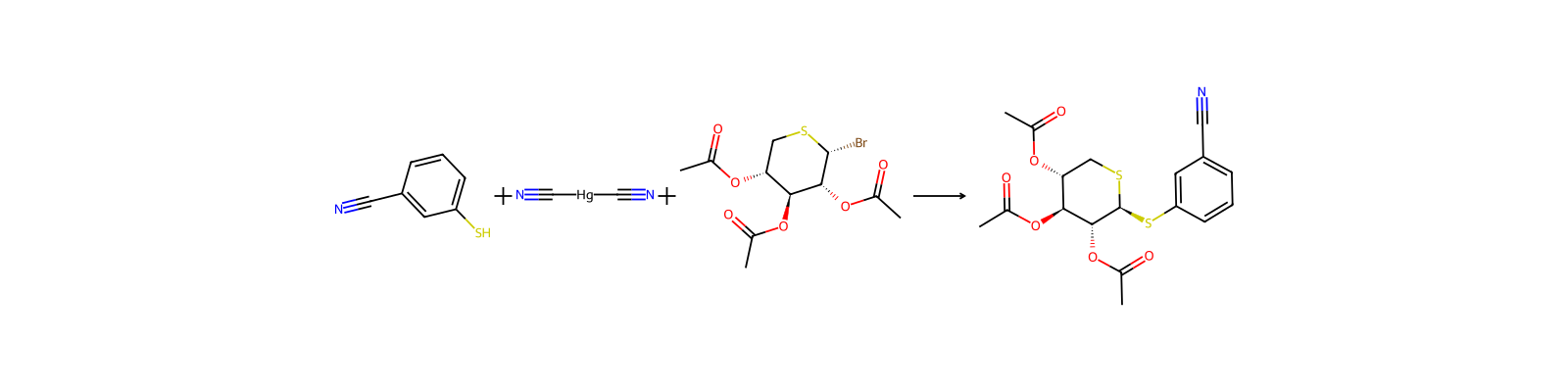
관련 반응
38건




연결된 노트
불러오는 중…