1,3-디클로로-2-니트로벤젠
1,3-Dichloro-2-nitrobenzene
HCID 11759
데이터를 보충하는 중입니다. 잠시 후 페이지를 새로 고치면 최신 내용을 볼 수 있습니다

기본 정보
- CAS
601-88-7- 표준 SMILES
O=[N+]([O-])c1c(Cl)cccc1Cl- InChIKey
VITSNECNFNNVQB-UHFFFAOYSA-N- 분자식
- C6H3Cl2NO2
- 평균 분자량
- 192 g/mol
- 단동위원소 질량
- 190.9540837
이름 및 식별자
- 우선 이름
- 1,3-Dichloro-2-nitrobenzene
- IUPAC
- 1,3-dichloro-2-nitrobenzene
- 현지명
- 1,3-디클로로-2-니트로벤젠
- 영어명
- 2,6-Dichloronitrobenzene
- 분자식
- C6H3Cl2NO2
- 분자량
- 192
이름 및 동의어
1,3-Dichloro-2-nitrobenzene601-88-72,6-Dichloronitrobenzene1,3-Dichloro-2-nitro-benzeneBenzene, 1,3-dichloro-2-nitro-EINECS 210-009-3J43L7QJM9M2,6-DICHLORO-1-NITROBENZENEDTXSID00208847RefChem:72620DTXCID50131338210-009-3
이름 더 보기
1,3-디클로로-2-니트로벤젠2,6-디클로로니트로벤젠2,6-Dichloronitrobenezene1-Nitro-2,6-dichlorobenzene1,3-DICHLORO-3-NITROBENZENE1,3-Dichloro-2-nitrobenzene>TIANFUCHEM--High purity 2,6-Dichloronitrobenzene factory price
Benzene, 1,3-dichloronitro-MFCD004567952,6-dichloro-nitrobenzeneUNII-J43L7QJM9MSCHEMBL670917AKOS006221384CS-W007920DS-17028
데이터베이스 식별자
- CAS
601-88-7- PubChem CID
- 11759
- DTXSID
DTXSID00208847- UNII
- J43L7QJM9M
- EC Number
- 210-009-3
- Nikkaji
- J134.682B
물성
구조 계산 물성보충 중
- XLogP
- 3
- 극성 표면적
- 45.8 Ų
- 수소 결합 공여자 수
- 0
- 수소 결합 수용자 수
- 2
- 회전 가능 결합 수
- 0
- 무거운 원자 수
- 11
- 형식 전하
- 0
- 복잡도
- 149
실험 및 물리화학적 성질
SpringerMaterials PropertiesCrystal structure
LogP3.1 (calculated)
DensityRelative density (water = 1): 1.6
Boiling Pointat 1.1kPa: 130 °C
Melting Point72.5 °C
Vapor DensityRelative vapor density (air = 1): 6.6
Physical DescriptionCRYSTALS.
물리화학적 성질
- 녹는점
- 71 °C · 71 °C
- 끓는 점
- 130 °C · 130 °C / 8mmHg
- 밀도
- 1.603 · 1.6030
- 굴절률
- 1.5929 · 1.5929 (estimate)
- 저장 조건
- Sealed in dry,Room Temperature
- 용해도
- 클로로포름(약간 용해됨), DMSO(약간 용해됨), 메탄올(약간 용해됨)
- 물리적 상태
- 고체
안전 및 규제
안전 정보는 참고용이며, 공급업체의 물질안전보건자료(SDS), 관련 법규 및 전문가 평가를 대체하지 않습니다.
GHS 분류
GHS Classification
Danger
H302 (95.3%): Harmful if swallowed [Warning Acute toxicity, oral]
P203, P261, P262, P264, P270, P272, P273, P280, P301+P317, P302+P352, P316, P318, P321, P330, P333+P317, P361+P364, P362+P364, P391, P405, and P501 (click each P-code to see the statement)
Aggregated GHS information provided per 43 reports by companies from 6 notifications to the ECHA C&L Inventory. Each notification may be associated with multiple companies.
유해성 정보
Regulatory Information
Chemical: Benzene, 1,3-dichloro-2-nitro-
Status: Active Update: 08-07-2016 https://echa.europa.eu/registration-dossier/-/registered-dossier/18028
Fire HazardsCombustible.
Chemical DangersDecomposes on heating. This produces toxic and corrosive fumes including nitrogen oxides and hydrogen chloride. Reacts with strong bases and strong oxidants.
Hazard Classes and CategoriesAcute Tox. 4 (95.3%)
안전 및 보호
Fire FightingUse powder, alcohol-resistant foam, water spray, carbon dioxide.
First Aid Measures
Fresh air, rest.
Rinse and then wash skin with water and soap.
Rinse with plenty of water (remove contact lenses if easily possible).
Rinse mouth.
Safe StorageSeparated from bases and strong oxidants.
Spillage Disposal
화학 및 산업
응용 분야
용도1,3-Dichloro-2-nitrobenzene is an olfactory mucosa (OM) toxicants.Also, it is a starting material for 9-Chloro Quetiapine (C366040), which is an impurity of Quetiapine hemifumarate (Q510000), a dibenzothiazepine antipsychotic medication used in the treatment of schizophrenia.
상·하류 제품 정보
상류 원료
하류 제품
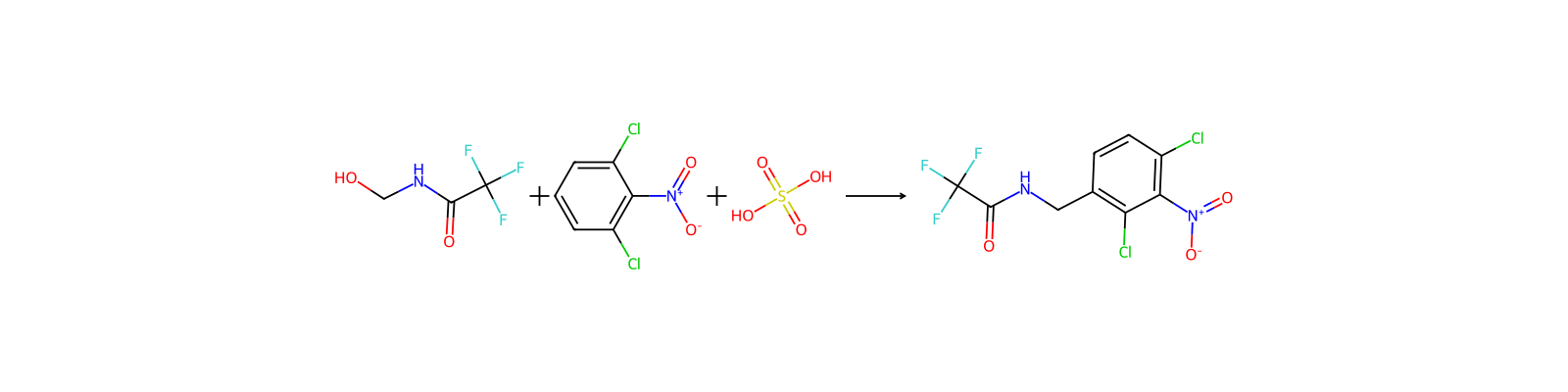
관련 반응
25건