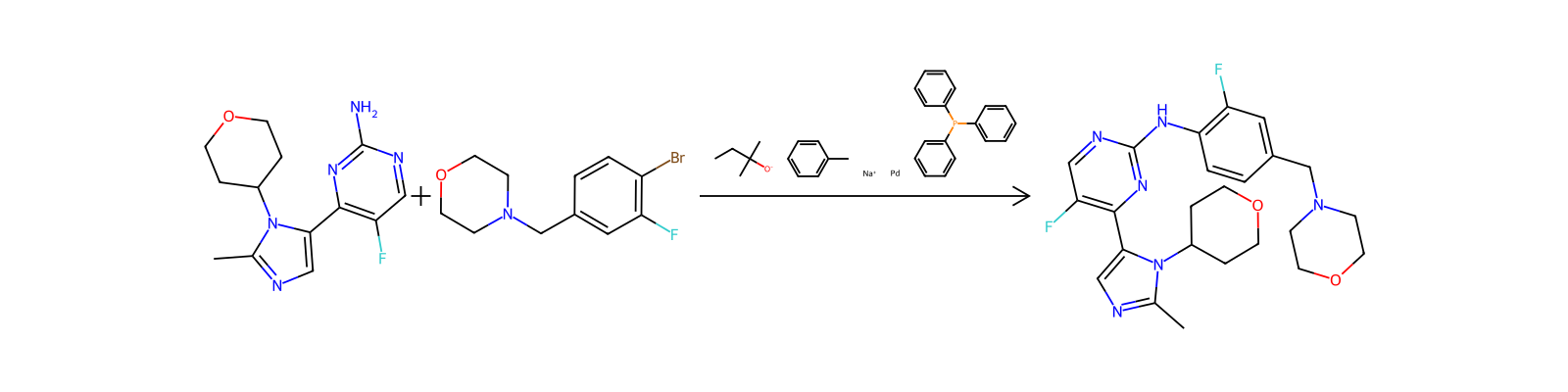

기본 정보
- 표준 SMILES
c1ccc(P(c2ccccc2)c2ccccc2)cc1- InChIKey
RIOQSEWOXXDEQQ-UHFFFAOYSA-N- 분자식
- C18H15P
- 평균 분자량
- 262.3 g/mol
- 단동위원소 질량
- 262.09113711
개요
Triphenyl phosphine appears as white crystals. (NTP, 1992)
이름 및 식별자
- 우선 이름
- Triphenylphosphine
- IUPAC
- triphenylphosphane
- 현지명
- 트리페닐포스핀
- 영어명
- Triphenylphosphine
- 분자식
- C18H15P
- 분자량
- 262.29
이름 및 동의어
TRIPHENYLPHOSPHINE603-35-0TriphenylphosphaneTriphenyl phosphinePhosphine, triphenyl-TriphenylphosphorusTriphenylphosphideTrifenylfosfinPP 360DTXSID5026251NSC-1026D26OA393
이름 더 보기
트라이페닐포스핀트라이페닐인(트리페닐인)트리페닐포스핀트라이(페닐)포스판트라이페닐 포스핀트라이페닐아인산PPh3TriphenylTriphenyphosphineriphenylphosphineTriphenyl phospinetptbp
NSC-215203DTXCID906251CHEBI:183318RefChem:6333210-036-0Triphenylphosphine resintriphenyl-phosphane39319-11-4
데이터베이스 식별자
- CAS
603-35-0- PubChem CID
- 11776
- DTXSID
DTXSID5026251- ChEMBL
CHEMBL1448331- ChEBI
CHEBI:183318- UNII
- 26D26OA393
- EC Number
- 210-036-0
- Nikkaji
- J1.652G
물성
구조 계산 물성
- XLogP
- 4.6
- 극성 표면적
- 0 Ų
- 수소 결합 공여자 수
- 0
- 수소 결합 수용자 수
- 0
- 회전 가능 결합 수
- 3
- 무거운 원자 수
- 19
- 형식 전하
- 0
- 복잡도
- 202
실험 및 물리화학적 성질
Chemical ClassesOther Classes -> Phosphorus Compounds
SpringerMaterials PropertiesSchoenflies notation
LogP5.69
OdorODORLESS
Density
1.194 at 77 °F (NTP, 1992) - Denser than water; will sink
1.075 @ 80 °C/4 °C
1.1 g/cm³
1.194 @25 °C
Color/Form
MONOCLINIC PLATELETS OR PRISMS FROM ETHER
WHITE CRYSTALLINE SOLID
Solubility
Insoluble (NTP, 1992)
FREELY SOL IN ETHER; SOL IN BENZENE, CHLOROFORM, GLACIAL ACETIC ACID; LESS SOL IN ALCOHOL; PRACTICALLY INSOL IN WATER
SOL IN CARBON TETRACHLORIDE
Solubility in water, mg/l at 25 °C: 0.09 (very poor)
Flash Point
356 °F (NTP, 1992)
180 °C OC.
182 °C c.c.
Endocrine DisruptorsPotential endocrine disrupting compound
Boiling Point
greater than 680 °F at 760 mmHg (NTP, 1992)
MORE THAN 360 °C
377 °C
Melting Point
176 °F (NTP, 1992)
80.5 °C
80 °C
79 °C
Vapor PressureVapor pressure, Pa at 50 °C: 0.017
물리화학적 성질
- 녹는점
- 79 · 79-81 °C(lit.)
- 끓는 점
- 377 °C · 377 °C(lit.)
- 밀도
- 1.132 · 1.132
- 증기 밀도
- 9 · 9 (vs air)
- 증기압
- 5 mm · 5 mm Hg ( 20 °C)
- 굴절률
- 1.6358 · 1.6358
- 인화점
- 181 °C · 181 °C
- 저장 조건
- 30 °C · Store below +30°C.
- 용해도
- 22 °C에서 · 물: 22°C에서 용해성0.00017g/L
- 물리적 상태
- 결정, 결정성 분말 또는 플레이크
- Specific Gravity
- 1.132 · 1.132
- 색상
- 하얀색
- 냄새
- 냄새 없는
- 수용성
- 불용성
- 비열
- 1.19 J/ · Cp(crystal): 1.19 J/(g·K), at 25℃
- Merck
- 14 · 14,9743
- BRN
- 610776 · 610776
- Henry's Law Constant
- 4.3 · 4.3×102 mol/(m3Pa) at 25℃, Zhang et al. (2010)
- 안정성
- 안정적인. 산화제, 산과 호환되지 않습니다.
- 화장품 원료 기능
- 손톱 컨디셔닝
- InChI
- 1S/C18H15P/c1-4-10-16(11-5-1)19(17-12-6-2-7-13-17)18-14-8-3-9-15-18/h1-15H
- InChIKey
- RIOQSEWOXXDEQQ-UHFFFAOYSA-N
- SMILES
- c1ccc(cc1)P(c2ccccc2)c3ccccc3
- NIST
- Phosphine, triphenyl-(603-35-0)
- EPA
- Triphenylphosphine (603-35-0)
화학적 성질
Triphenylphosphine is a white to light tan flaked solid. Insoluble inwater; slightly soluble in alcohol; soluble in benzene, acetone, carbon tetrachloride. Combustible.
안전 및 규제
GHS 분류
GHS Classification
This chemical does not meet GHS hazard criteria for 0.5% (6 of 1290) of reports.
Danger
H302 (97.1%): Harmful if swallowed [Warning Acute toxicity, oral]
P260, P261, P264, P264+P265, P270, P272, P273, P280, P301+P317, P302+P352, P305+P354+P338, P317, P319, P321, P330, P333+P317, P362+P364, and P501 (click each P-code to see the statement)
Aggregated GHS information provided per 1290 reports by companies from 56 notifications to the ECHA C&L Inventory. Each notification may be associated with multiple companies.
Danger
유해성 정보
Regulatory Information
Chemical: Phosphine, triphenyl-
Phosphine, triphenyl- is listed on the EPA's Chemical Data Reporting (CDR) system. Manufacturers and importers of Phosphine, triphenyl- are required to report information about their production and use of this chemical to the EPA under the Toxic Substances Control Act (TSCA). (40 eCFR Part 711)
Status: Active Update: 14-04-2023 https://echa.europa.eu/registration-dossier/-/registered-dossier/13659
Triphenylphosphine: Does not have an individual approval but may be used under an appropriate group standard
Other Safety InformationIMAP assessments - Phosphine, triphenyl-: Human health tier II assessment
DOT LabelClass 9
Fire Hazards
This compound is combustible. (NTP, 1992)
Combustible. Gives off irritating or toxic fumes (or gases) in a fire. Finely dispersed particles form explosive mixtures in air.
Health HazardsACUTE/CHRONIC HAZARDS: Toxic; when heated to decomposition, emits highly toxic fumes of phosphine and POx. (NTP, 1992)
Hazards Summary
Decomposed by heating forming phosphine and phosphorous oxides; A skin, eye, and respiratory tract irritant; [ICSC] Causes convulsions at lethal doses in animal experiments; [RTECS] A strong reducing agent; [CAMEO] Harmful if ingested; May cause skin sensitization; [Aldrich MSDS] See Phosphine.
Reactive GroupAmines, Phosphines, and Pyridines
Reactivity AlertsHighly Flammable
Reactivity ProfileTRIPHENYL PHOSPHINE reacts vigorously with oxidizing materials. (NTP, 1992).
Chemical DangersDecomposes on heating. This produces highly toxic fumes of phosphorus oxides and phosphine. Reacts with strong acids and strong oxidants.
Physical DangersDust explosion possible if in powder or granular form, mixed with air.
Air and Water ReactionsTriphenylphosphine is a flammable solid which slowly oxidizes in air to form triphenylphosphine oxide. It is insoluble in water.
안전 및 보호
Fire Fighting
Fires involving this chemical can be controlled with dry chemical, carbon dioxide, or Halon extinguisher. (NTP, 1992)
Use water spray, foam, powder, carbon dioxide.
First Aid Measures
Fresh air, rest. Refer for medical attention.
Wear protective gloves when administering first aid. Remove contaminated clothes. Rinse and then wash skin with water and soap. Refer for medical attention .
Rinse with plenty of water for several minutes (remove contact lenses if easily possible). Refer for medical attention.
Rinse mouth. Refer for medical attention .
First Aid
EYES: First check the victim for contact lenses and remove if present. Flush victim's eyes with water or normal saline solution for 20 to 30 minutes while simultaneously calling a hospital or poison control center. Do not put any ointments, oils, or medication in the victim's eyes without specific instructions from a physician. IMMEDIATELY transport the victim after flushing eyes to a hospital even if no symptoms (such as redness or irritation) develop.
Safe StorageSeparated from oxidants and acids. Keep in a well-ventilated room.
Exposure Control and Personal Protection2.0 [mg/m3], inhalable fraction[German Research Foundation (DFG)]
Fire Fighting ProceduresFOAM MAY CAUSE FROTHING.
Cleanup MethodsALKALINE WASTEWATER (PH 11.7) CONTAINING 10 PPM PH3 FROM MFR OF TRIPHENYLPHOSPHINE TREATED WITH 30 PPM OF 0.15% H2O2 SOLN @ 25 °C. ODOR WAS REMOVED IN 4 HR VS 8 @ PH 8.5.
Nonfire Spill ResponseExcerpt from ERG Guide 171 [Substances (Low to Moderate Hazard)]:
Spillage Disposal
Personal protection: particulate filter respirator adapted to the airborne concentration of the substance. Sweep spilled substance into sealable containers. If appropriate, moisten first to prevent dusting. Carefully collect remainder. Then store and dispose of according to local regulations.
Isolation and EvacuationExcerpt from ERG Guide 171 [Substances (Low to Moderate Hazard)]:
Eye PreventionWear safety goggles or face shield.
Fire PreventionNO open flames. Closed system, dust explosion-proof electrical equipment and lighting. Prevent deposition of dust.
독성 정보
Adverse EffectsNeurotoxin - Other CNS neurotoxin
Exposure RoutesThe substance can be absorbed into the body by inhalation of its aerosol and by ingestion.
Signs and Symptoms
Cough. Sore throat.
Redness.
Redness. Pain.
Cough.
ICSC Environmental DataBioaccumulation of this chemical may occur in the environment.
Non-Human Toxicity Excerpts
CNS EFFECTS: WEAKNESS & ATAXIA ONLY SYMPTOMS. IRRITANT EFFECTS: SLIGHT SKIN IRRITANT IN GUINEA PIG. /FROM TABLE/
DURING INHALATION EXPOSURE MALE CHR-CD RATS SHOWED MILD RESP IRRITATION; SEVERE WT LOSS OCCURRED IMMEDIATELY AFTER EXPOSURE, FOLLOWED BY NORMAL RATE OF WT GAIN. MILD WT LOSS OCCURRED DURING 10-DAY EXPOSURE PERIOD, FOLLOWED BY NORMAL WT GAIN.
Triphenylphosphine (TPP) was tested for mutagenicity in the Salmonella/microsome preincubation assay using a protocol approved by the National Toxicology Program. TPP was tested over a wide range of doses (0, 89, 285, 854, 2733 and 8200 ug/plate) in four Salmonella typhimurium strains (TA98, TA100, TA1535, and TA1537) in the presence and absence of Aroclor-induced rat or hamster liver S9. TPP was negative in these tests and the highest ineffective dose level tested (not causing formation of a precipitate) in any Salmonella tester strain was 89 ug/plate.
Toxicity DataLC50 (rat) = 1,135 ppm/4h
안전 데이터
- wgk
- 2
- tsca
- TSCA listed
- rtecs
- SZ3500000
- ridadr
- 3077
- 독성
- LD50 orally in Rabbit: 700 mg/kg LD50 dermal Rabbit > 4000 mg/kg
- HS 번호
- 29310095
- risk_code
- 22-43-53-50/53-48/20/22
- hazard_code
- Xn,N
- safety_code
- 36/37-60-61-36/37/39-26
- 기존화학 물질
- KE-34740
- F 고인화성물질
- 9
- 자연 발화 온도
- 425 °C
- Hazard Classifications
- Acute Tox. 4 OralEye Dam. 1Skin Sens. 1BSTOT RE 1 Inhalation
- 스토리지 클래스
- 6.1C - Combustible acute toxic Cat.3toxic compounds or compounds which causing chronic effects
- 유해 물질 데이터
- 603-35-0(Hazardous Substances Data)
- 함량 및 규제정보
- 물질구분: 유독물질; 혼합물(제품)함량정보: 트리페닐포스핀 및 이를 25% 이상 함유한 혼합물
- 유해화학물질 필터링
- 97-1-311
화학 및 산업
용도 및 제조
Uses
Used as a polymerization initiator and an intermediate to make pharmaceuticals, phosphonium salts, and other phosphorus compounds; [HSDB]
ORGANIC SYNTHESIS; POLYMERIZATION INITIATOR
SYNTHESIS OF PHOSPHONIUM SALTS, OTHER PHOSPHORUS COMPOUNDS
CHEMICAL INTERMEDIATE, EG, FOR PHARMACEUTICALS
U.S. Exports
(1977) No Data
(1979) No Data
U.S. Imports
(1977) 2.72X10+7 G (PRINCPL CUSTMS DISTS)
(1979) 7.58X10+7 G (PRINCPL CUSTMS DISTS)
U.S. Production
2023: 1,000,000 - <2,500,000 lb
(1977) No Data
(1979) No Data
Consumer UsesCatalyst
Industry UsesCatalyst
Methods of Manufacturing
REACTION OF PHENYLMAGNESIUM BROMIDE AND PHOSPHORUS TRICHLORIDE
FROM PHENYLMAGNESIUM BROMIDE & PHOSPHORUS TRICHLORIDE: PFEIFFER, PIETSCH, BER 37, 4621 (1904); SAUVAGE COMPT REND 139, 675 (1904); DODONON, MEDOX, BER 61, 910 (1928); DENNEY ET AL, J AM CHEM SOC 83, 1729 (1961).
BY A MODIFIED GRIGNARD SYNTHESIS.
General Manufacturing Information
Synthetic Rubber Manufacturing
Phosphine, triphenyl-: ACTIVE
응용 분야
용도트리 페닐 포스 핀 (TPP)은 중요한 약제 중간체이며, 주로 세 팔로 스포린, 라파 마이신, 클린다마이신 및 기타 의약 원료의 생산에 사용되지만, 액정 물질의 생산에도 사용됩니다. 중요한 유기 합성 촉매 리간드입니다. 트리 페닐 포스 핀은 로듐 포스 핀 착화합물 촉매의 기본 원료이며 국내외 석유 화학 산업에서 널리 사용되고 있습니다. 트리 페닐 포스 핀은 또한 제약 산업, 유기 합성, 분석 및 기타 분야에서 사용됩니다. 트리 페닐 포스 핀은 유기 합성을위한 촉매, 염료 공정의 안정제 및 분석 시약으로 사용될 수 있습니다. 따라서 트리 페닐 포스 핀은 석유 화학 산업, 유기 합성, 염료, 제약 산업 및 분석 분야의 발전에 대한 광범위한 전망을 가지고 있습니다.
개요Triphenylphosphine: a member of tertiary phosphines Triphenylphosphine (TPP) is a member of tertiary phosphines, which is phosphane, in which the three hydrogens are replaced by phenyl groups. It has a role as a reducing agent and an NMR chemical shift reference compound. It is a crucial ligand utilized in the Wittig reaction for alkene synthesis. This reaction involves the formation of alkyliden-etriphenylphosphoranes from the action of butyllithium or another base on the quarternary halide. Triphenylphosphine is used to synthesise organic compounds due to its nucleophilicity and reducing character.
제조 방법
생산 방법Triphenylphosphine is one of the most widely used phosphorus-containing reagents in organic synthesis for many types of transformations such as the Mitsunobu, the Wittig, and the Staudinger reaction. Triphenylphosphine can be prepared in the laboratory by treatment of phosphorus trichloride with phenylmagnesium bromide or phenyllithium. The industrial synthesis involves the reaction between phosphorus trichloride, chlorobenzene, and sodium. PCl3 + 3 PhCl + 6 Na → PPh3 + 6 NaCl
상·하류 제품 정보
상류 원료
하류 제품
공급사50 곳
国药集团化学试剂有限公司86-21-63210123 · [email protected]
梯希爱(上海)化成工业发展有限公司021-67121386 · [email protected]
衢州润东化工有限公司0570-8789886 18892685668 · [email protected]
上海阿拉丁生化科技股份有限公司400-6206333 13167063860 · [email protected]
南京一化生物科技有限公司13429882898; 13429882898
淮南市德瑞化工有限公司13906212933
上海煦邦医药科技有限公司13020239911 13020239911
爱斯特(成都)生物制药股份有限公司+86-28-85122536 85324413 · [email protected]
江苏能越新材料科技有限公司13376001577 · [email protected]
科瑞迪化学400-821-5857 021-64326257 · [email protected]
杭州瑞科化工有限公司+86 0571 88254703 · [email protected]
Syntechem Co.,Ltd[email protected]
Ark Pharm, Inc.847-367-3680 · [email protected]
上海迈瑞尔生化科技有限公司4006356688 18621169109 · [email protected]
武汉易泰科技有限公司上海分公司18930552037 · [email protected]
宁波亿诺化学品有限公司86-574-27787657 · [email protected]
天津中信凯泰化工有限公司022-66880623 · [email protected]
阿法埃莎(中国)化学有限公司400-6106006 · [email protected]
太原市瑞和丰科贸有限公司+86 351 7031519 · [email protected]
安耐吉化学&3A(安徽泽升科技股份有限公司)400-0056266 · [email protected]
武汉凯威斯科技有限公司86-027-67849912 · [email protected]
上海柏卡化学技术有限公司400-026-1533/(021) 6478-0600 · [email protected]
上海瀚鸿科技股份有限公司021-54306202 13764082696 · [email protected]
上海柯维化学技术有限公司021-64609169 18901607656 · [email protected]
上海景颜化工科技有限公司13817811078 · [email protected]
嘉兴市艾森化工有限公司0573-85285100 18627885956 · [email protected]
池州捷峰生物科技有限公司0566-8928158 · [email protected]
Pure Chemistry Scientific Inc.001-857-928-2050 or 1-888-588-9418 · [email protected]
上海忆嵘生物科技有限公司18049974220 · [email protected]
Beckmann-Kenko GmbH+49 4241 9308 88 · [email protected]
山东西亚化学有限公司13355009207 13355009207 · [email protected]
玛雅试剂+86 (573) 82222445 (0)18006601000 452520369 · [email protected]
四川库利南科技有限公司400-1166-196 18981987031 · [email protected]
天津希恩思生化科技有限公司400 638 7771 · [email protected]
南京维奥化工有限公司Please Send Email 18652950785 · [email protected]
上海乔木化学科技有限公司021-60451683 15021268886 · [email protected]
斯百全化学(上海)有限公司021-021-021-67601398-809-809-809 15221380277 · [email protected]
济南邦德化工技术有限公司86-531-88280989 · [email protected]
艾科试剂4008-755-333 18080918076 · [email protected]
上海思域化工科技有限公司86-21-34053660 · [email protected]
赛默飞世尔科技(中国)有限公司800-810-5118 · [email protected]
北京伊诺凯科技有限公司400-810-7969 010-59572699 · [email protected]
上海特伯化学科技有限公司+86-21-60341587 · [email protected]
上海遐瑞医药科技有限公司+86 21 61551611
江苏艾康生物医药研发有限公司025-66113011 13913916777 · [email protected]
TOKYO CHEMICAL INDUSTRY CO., LTD.03-36680489 · [email protected]
上海贤鼎生物科技有限公司4009209199 · [email protected]
深圳康特腾科技有限公司86-0755-86635001 · [email protected]
越林试剂021-62960152 · [email protected]
无锡市乾丰化工科技有限公司0510-82860650 · [email protected]
관련 반응
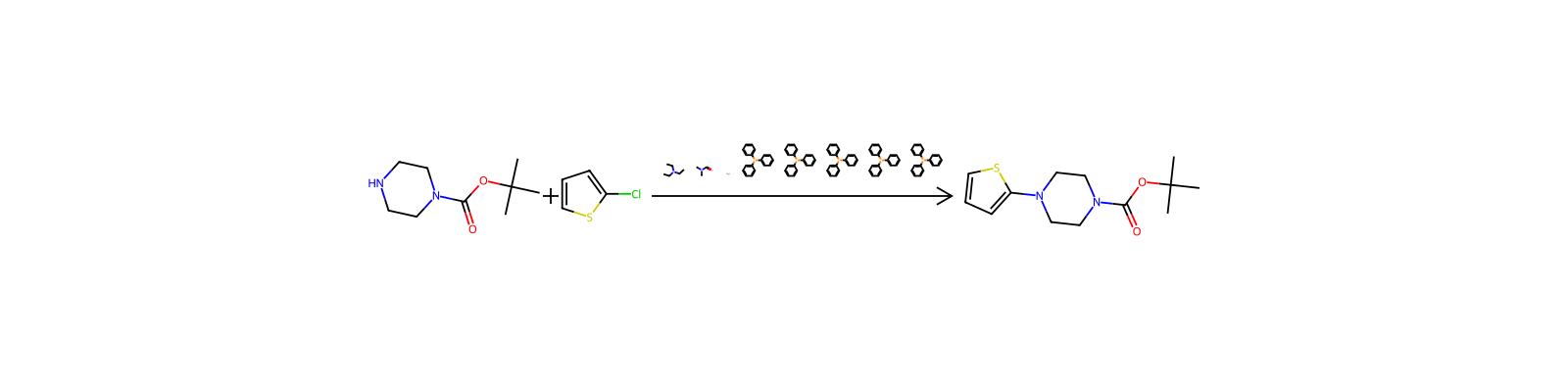
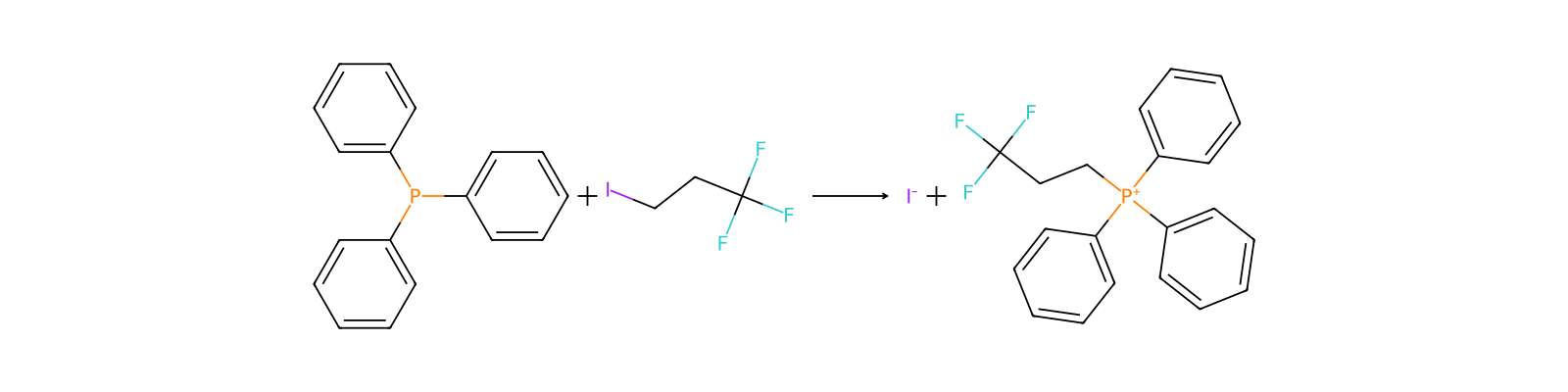
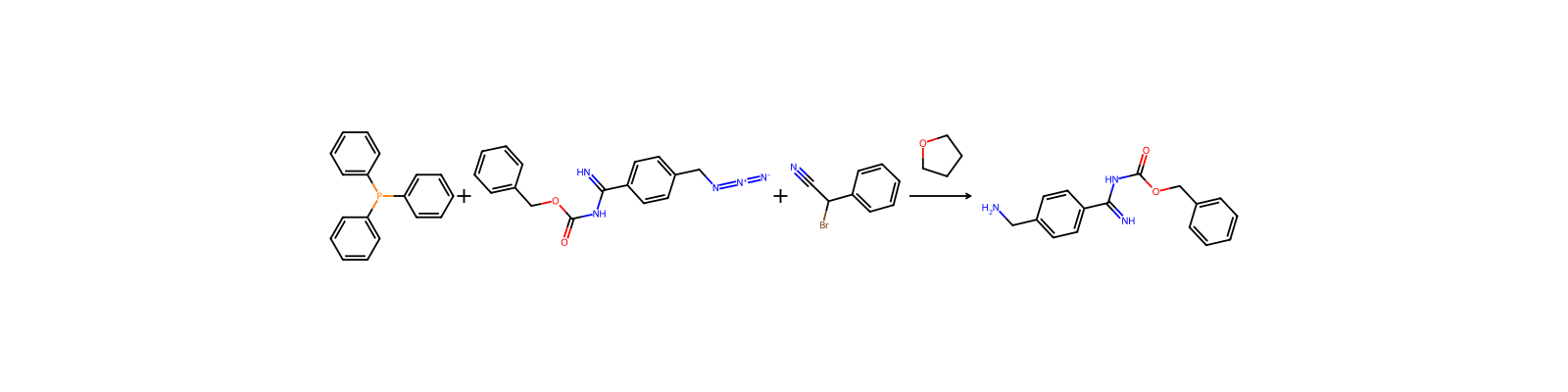
31,358건
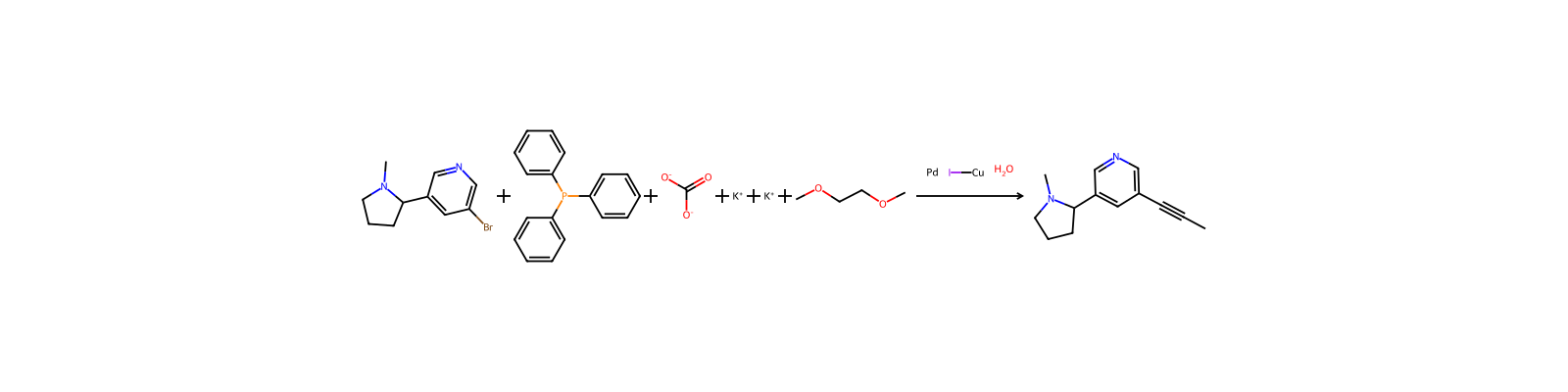

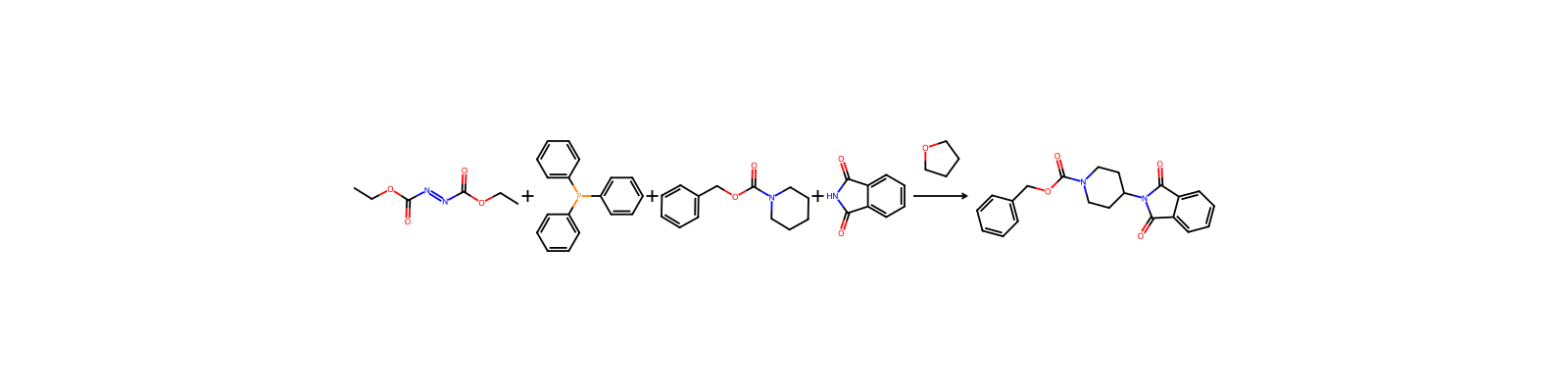
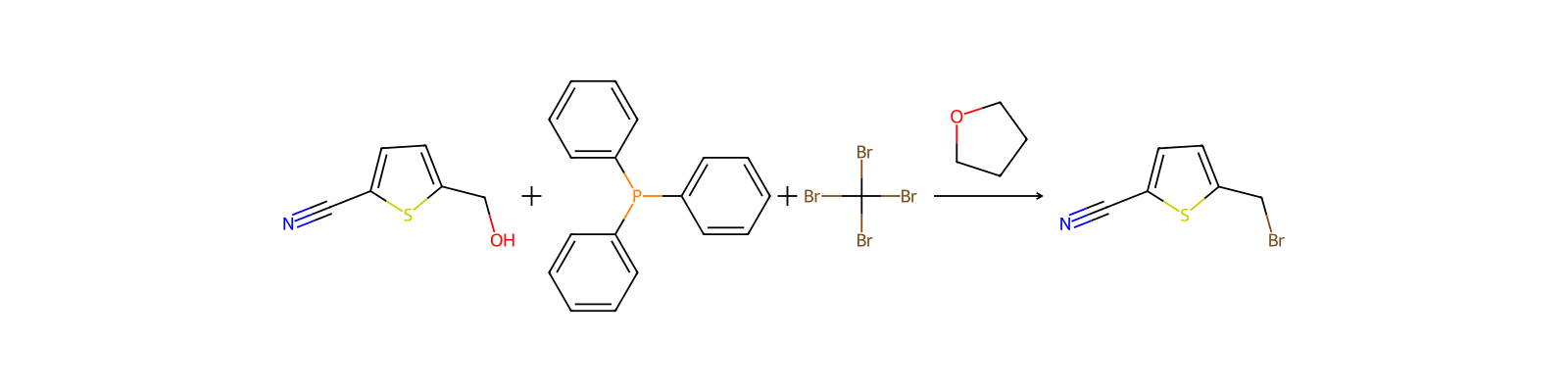
연결된 노트
불러오는 중…