
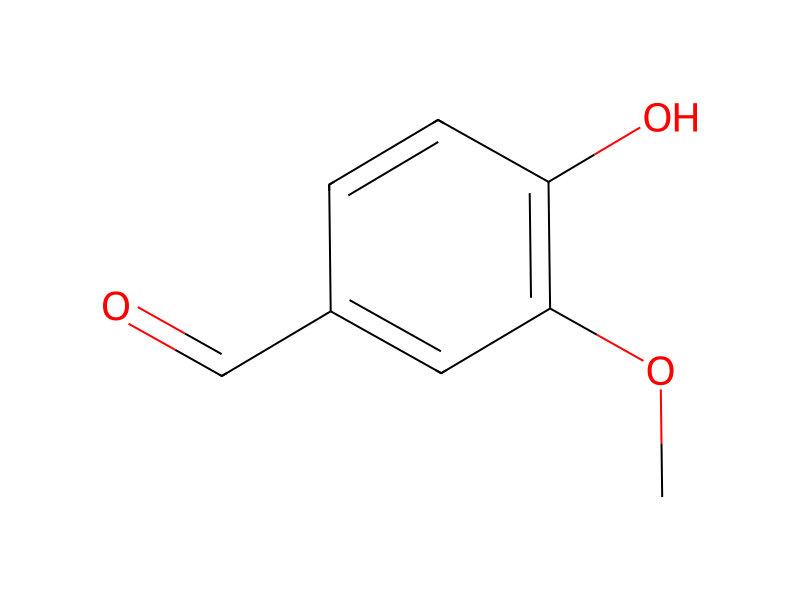
기본 정보
- 표준 SMILES
COc1cc(C=O)ccc1O- InChIKey
MWOOGOJBHIARFG-UHFFFAOYSA-N- 분자식
- C8H8O3
- 평균 분자량
- 152.15 g/mol
- 단동위원소 질량
- 152.04734411
이름 및 식별자
- 우선 이름
- Vanillin
- IUPAC
- 4-hydroxy-3-methoxybenzaldehyde
- 현지명
- 바닐린
- 영어명
- Vanillin
- 분자식
- C8H8O3
- 분자량
- 152.15
이름 및 동의어
vanillin4-Hydroxy-3-methoxybenzaldehyde121-33-5Vanillic aldehydeVanillaldehydep-VanillinVanillineLioxin3-Methoxy-4-hydroxybenzaldehyde4-Hydroxy-3-methoxy-benzaldehydeBenzaldehyde, 4-hydroxy-3-methoxy-4-Hydroxy-m-anisaldehyde
이름 더 보기
바닐린바닐알데히드4-히드록시-3-메톡시벤즈알데히드P-바닐린파라-바닐린3-메톡시-4-하이드록시벤즈알데하이드4-하이드록시-3-메톡시벤즈알데하이드4-하이드록시-m-아니스알데하이드메틸프록토카테쿠익 알데하이드바닐 알데하이드하이드록시-4-메톡시-3-벤즈알데하이드VanilinVANILLAVANILLINUMVanillin PowderFEMA 3107
2-Methoxy-4-formylphenolZimcop-Hydroxy-m-methoxybenzaldehyde4-Formyl-2-methoxyphenolMethylprotocatechuic aldehyde4-Hydroxy-5-methoxybenzaldehydem-Anisaldehyde, 4-hydroxy-Protocatechualdehyde, methyl-
데이터베이스 식별자
- CAS
121-33-5- PubChem CID
- 1183
- DTXSID
DTXSID0021969- ChEMBL
CHEMBL13883- ChEBI
CHEBI:18346- UNII
- CHI530446X
- EC Number
- 204-465-2、937-251-9
- Nikkaji
- J2.923H
물성
구조 계산 물성
- XLogP
- 1.2
- 극성 표면적
- 46.5 Ų
- 수소 결합 공여자 수
- 1
- 수소 결합 수용자 수
- 3
- 회전 가능 결합 수
- 2
- 무거운 원자 수
- 11
- 형식 전하
- 0
- 복잡도
- 135
실험 및 물리화학적 성질
pHSolutions are acid to litmus
LogP
log Kow = 1.37
1.21
1.21
Odor
Sweetish smell
Pleasant aromatic vanilla odor
TastePleasant vanilla taste
Density
1.056 at 68 °F (NTP, 1992) - Denser than water; will sink
1.056
1.06 g/cm³
Color/Form
White crystalline needles from water
White or off-white nonhygroscopic crystalline powder
Solubility
Slightly soluble (NTP, 1992)
In water, 1.102X10+4 mg/L at 25 °C
In water >2%; in ethanol is 1:2 vanillin:ethanol. Freely soluble in chloroform, ether, in solutions of fixed alkali hydroxides; solutions in glycerin and hot water.
Soluble in 125 parts water, 20 parts glycerin, 2 parts 95% alcohol, chloroform, ether.
Very soluble in ethanol, diethyl ether, acetone; soluble in benzene, ligroin
11 mg/mL at 25 °C
Flash Point
153 °C (307 °F) - closed cup
153 °C c.c.
Boiling Point
545 °F at 760 mmHg (NTP, 1992)
285 °C
285.00 to 286.00 °C. @ 760.00 mm Hg
285 °C
285 °C
DecompositionWhen heated to decomposition it emits acrid smoke and irritating fumes.
Melting Point
178 to 181 °F (NTP, 1992)
81-83 °C
81.5 °C
81-83 °C
Vapor Density
5.2 (Air = 1)
Relative vapor density (air = 1): 5.2
물리화학적 성질
- 녹는점
- 81 · 81-83 °C(lit.)
- 끓는 점
- 170 °C15 · 170 °C15 mm Hg(lit.)
- 밀도
- 1.06 · 1.06
- 증기 밀도
- 5.3 · 5.3 (vs air)
- 증기압
- 0.01 mm · >0.01 mm Hg ( 25 °C)
- 굴절률
- 1.485 · 1.4850 (estimate)
- FEMA
- 3107 · 3107 | VANILLIN
- 인화점
- 147 °C · 147 °C
- 저장 조건
- 2 · 2-8°C
- 용해도
- 0.1 g/mL, · 메탄올: 0.1 g/mL, 투명
- 산도 계수 (pKa)
- 7.396 · pKa 7.396±0.004(H2O I = 0.00 t = 25.0±1.0) (Reliable)
- 물리적 상태
- 결정성 분말
- 색상
- 흰색에서 연한 노란색
- 수소이온지수(pH)
- 4.3 · 4.3 (10g/l, H2O, 20℃)
- 냄새
- 100 %에서 · 100.00%에서. 바닐라
- 냄새 유형
- 바닐라
- 생물학적 소스
- synthetic
- 수용성
- 10 g/L · 10g/L(25℃)
- JECFA Number
- 889 · 889
- Merck
- 14 · 14,9932
- BRN
- 472792 · 472792
- Henry's Law Constant
- 1.7 · 1.7×103 mol/(m3Pa) at 25℃, Brockbank (2013)
- 안정성
- 안정적인. 빛에 노출되면 변색될 수 있습니다. 습기에 민감합니다. 강한 산화제인 과염소산과 호환되지 않습니다.
- 화장품 원료 기능
- 향기
- InChI
- 1S/C8H8O3/c1-11-8-4-6(5-9)2-3-7(8)10/h2-5,10H,1H3
- InChIKey
- MWOOGOJBHIARFG-UHFFFAOYSA-N
- SMILES
- COc1cc(C=O)ccc1O
- LogP
- 1.17 at · 1.17 at 25℃
- NIST
- 4 · Benzaldehyde, 4-hydroxy-3-methoxy-(121-33-5)
- EPA
- Vanillin (121-33-5)
화학적 성질
Vanillin is found in many essential oils and foods but is often not essential for their odor or aroma. However, it does determine the odor of essential oils and extracts from Vanilla planifolia and Vanilla tahitensis pods, in which it is formed during ripening by enzymatic cleavage of glycosides.Vanillin is a colorless, crystalline solid (mp 82–83°C) with a typical vanilla odor. Because it possesses aldehyde and hydroxy substituents, it undergoes many reactions. Additional reactions are possible due to the reactivity of the aromatic nucleus. Vanillyl alcohol and 2-methoxy-4-methylphenol are obtained by catalytic hydrogenation; vanillic acid derivatives are formed after oxidation and protection of the phenolic hydroxy group. Since vanillin is a phenol aldehyde, it is stable to autoxidation and does not undergo the Cannizzaro reaction. Numerous derivatives can be prepared by etherification or esterification of the hydroxy group and by aldol condensation at the aldehyde group. Several of these derivatives are intermediates, for example, in the synthesis of pharmaceuticals.
안전 및 규제
GHS 분류
GHS Classification
This chemical does not meet GHS hazard criteria for 1.8% (42 of 2387) of reports.
Warning
H317 (14.3%): May cause an allergic skin reaction [Warning Sensitization, Skin];H319 (83.5%): Causes serious eye irritation [Warning Serious eye damage/eye irritation]
P261, P264+P265, P272, P280, P302+P352, P305+P351+P338, P321, P333+P317, P337+P317, P362+P364, and P501 (click each P-code to see the statement)
Aggregated GHS information provided per 2387 reports by companies from 28 notifications to the ECHA C&L Inventory. Each notification may be associated with multiple companies.;Reported as not meeting GHS hazard criteria per 42 of 2387 reports by companies.;There are 27 notifications provided by 2345 of 2387 reports by companies with hazard statement code(s).;Information may vary between notifications depending on impurities, additives, and other factors. The percentage value in parenthesis indicates the notified classification ratio from companies that provide hazard codes. Only hazard codes with percentage values above 10% are shown. For more detailed information, please visit ECHA C&L website.
유해성 정보
Regulatory Information
Chemical: Benzaldehyde, 4-hydroxy-3-methoxy-
Hazard Traits - Fragrance Allergen;Authoritative List - Annex III of the EU Cosmetics Regulation No. 1223/2009 - Fragrance Allergens;Report - if present in a rinse-off cosmetic product at a concentration at or above 0.01 percent (100 parts per million) or in a leave-on cosmetic product at a concentration at or above 0.001 percent (10 parts per million)
Regulation (EC) No 178/2002 (amended)
Benzaldehyde, 4-hydroxy-3-methoxy- is listed on the EPA's Chemical Data Reporting (CDR) system. Manufacturers and importers of Benzaldehyde, 4-hydroxy-3-methoxy- are required to report information about their production and use of this chemical to the EPA under the Toxic Substances Control Act (TSCA). (40 eCFR Part 711)
Status: Active Update: 26-07-2022 https://echa.europa.eu/registration-dossier/-/registered-dossier/2209;Status: Active Update: 13-01-2022 https://echa.europa.eu/registration-dossier/-/registered-dossier/33162
Vanillin: Does not have an individual approval but may be used under an appropriate group standard
Other Safety InformationIMAP assessments - Benzaldehyde, 4-hydroxy-3-methoxy-: Human health tier I assessment
Fire Hazards
Flash point data for this chemical are not available, however it is probably combustible. (NTP, 1992)
Combustible. Finely dispersed particles form explosive mixtures in air.
Hazards Summary
The pure substance and concentrations up to 20% caused no skin irritation in closed patch test studies; No skin sensitization observed in patch tests of 25 volunteers at 2% and 5% in petrolatum; Occupational exposure to vanilla pods commonly produces vanillism, with symptoms including skin reactions (papular itching eruptions of the hands, face, and eyelids), headache, gastritis, vertigo, and occasionally asthma; Calcium oxalate crystals in the sap and mites may contribute to the skin reactions; [IUCLID] Three studies of volunteers and workers showed no signs of skin sensitization; Reports of positive sensitization reactions in patients sensitized to Balsam of Peru; [Reference #1] Safe when used as a flavoring agent in food; [JECFA] Included in list of established contact allergens in humans; [EC: Scientific Committee on Consumer Safety: Fragrance allergens in cosmetic products (2011)] A skin and strong eye irritant; May cause skin sensitization; Harmful by ingestion and skin absorption; [Sigma-Aldrich MSDS] See Vanillic acid.
FDA Requirements
Synthetic flavoring substances and adjuvants /for human consumption/ that are generally recognized as safe for their intended use, withn the meaning of section 409 of the Act. Vanillin is included on this list.
Substances migrating to food from paper and paperboard products used in food packaging that are generally recognized as safe for their intended use, within section 409 of the Act. Vanillin is included on this list.
Synthetic flavoring substances and adjuvants /for animal drugs, feeds, and related products/ that are generally recognized as safe for their intended use, within the meaning of section 409 of the Act. Vanillin is included on this list.
Reactive GroupAldehydes;Ethers;Phenols and Cresols
TSCA Requirements
Section 8(a) of TSCA requires manufacturers of this chemical substance to report preliminary assessment information concerned with production, exposure, and use to EPA as cited in the preamble in 51 FR 41329. Effective date: 9/30/91; Reporting date: 11/27/91.
Pursuant to section 8(d) of TSCA, EPA promulgated a model Health and Safety Data Reporting Rule. The section 8(d) model rule requires manufacturers, importers, and processors of listed chemical substances and mixtures to submit to EPA copies and lists of unpublished health and safety studies. Benzaldehyde, 4-hydroxy-3-methoxy- is included on this list. Effective date: 9/30/91; Sunset date: 6/30/98.
FIFRA Requirements
Unless specifically excluded, residues resulting from the use of the following substance as either an inert or an active ingredient in a pesticide chemical formulation, including antimicrobial pesticide chemicals, is exempted from the requirement of a tolerance under FFDCA section 408, if such use is in accordance with good agricultural or manufacturing practices. Vanillin is included on this list.
Reactivity Profile
VANILLIN can react violently with Br2, HClO4, potassium-tert-butoxide, (tert-chloro-benzene + NaOH), (formic acid + Tl(NO3)3). (NTP, 1992). VANILLIN is an aldehyde. Aldehydes are readily oxidized to give carboxylic acids. Flammable and/or toxic gases are generated by the combination of aldehydes with azo, diazo compounds, dithiocarbamates, nitrides, and strong reducing agents. Aldehydes can react with air to give first peroxo acids, and ultimately carboxylic acids. These autoxidation reactions are activated by light, catalyzed by salts of transition metals, and are autocatalytic (catalyzed by the products of the reaction).
Chemical DangersDecomposes on heating. This produces irritating fumes. Reacts violently with halogens, strong bases and strong oxidants.
Physical DangersDust explosion possible if in powder or granular form, mixed with air.
Air and Water ReactionsSlowly oxidizes on exposure to air. (NTP, 1992). Slightly water soluble.
안전 및 보호
Fire Fighting
Fires involving this material can be controlled with a dry chemical, carbon dioxide or Halon extinguisher. (NTP, 1992)
Use water spray, foam, powder, carbon dioxide.
First Aid Measures
Fresh air, rest.
Rinse and then wash skin with water and soap.
Rinse with plenty of water (remove contact lenses if easily possible).
Rinse mouth.
First Aid
EYES: First check the victim for contact lenses and remove if present. Flush victim's eyes with water or normal saline solution for 20 to 30 minutes while simultaneously calling a hospital or poison control center. Do not put any ointments, oils, or medication in the victim's eyes without specific instructions from a physician. IMMEDIATELY transport the victim after flushing eyes to a hospital even if no symptoms (such as redness or irritation) develop.;SKIN: IMMEDIATELY flood affected skin with water while removing and isolating all contaminated clothing. Gently wash all affected skin areas thoroughly with soap and water. If symptoms such as redness or irritation develop, IMMEDIATELY call a physician and be prepared to transport the victim to a hospital for treatment.;INHALATION: IMMEDIATELY leave the contaminated area; take deep breaths of fresh air. If symptoms (such as wheezing, coughing, shortness of breath, or burning in the mouth, throat, or chest) develop, call a physician and be prepared to transport the victim to a hospital. Provide proper respiratory protection to rescuers entering an unknown atmosphere. Whenever possible, Self-Contained Breathing Apparatus (SCBA) should be used; if not available, use a level of protection greater than or equal to that advised under Protective Clothing.;INGESTION: DO NOT INDUCE VOMITING. If the victim is conscious and not convulsing, give 1 or 2 glasses of water to dilute the chemical and IMMEDIATELY call a hospital or poison control center. Be prepared to transport the victim to a hospital if advised by a physician. If the victim is convulsing or unconscious, do not give anything by mouth, ensure that the victim's airway is open and lay the victim on his/her side with the head lower than the body. DO NOT INDUCE VOMITING. IMMEDIATELY transport the victim to a hospital. (NTP, 1992)
Safe StorageSeparated from strong oxidants, strong bases and halogens.
Fire Fighting Procedures
Advice for firefighters: Wear self-contained breathing apparatus for firefighting if necessary.
Suitable extinguishing media: Use water spray, alcohol-resistant foam, dry chemical or carbon dioxide.
Storage Conditions
Conditions for safe storage, including any incompatibilities: Keep container tightly closed in a dry and well-ventilated place. Air, light, and moisture sensitive.
PRESERVE IN TIGHT, LIGHT-RESISTANT CONTAINERS.
Cleanup Methods
Accidental release measures. Personal precautions, protective equipment and emergency procedures: Use personal protective equipment. Avoid dust formation. Avoid breathing vapors, mist or gas. Ensure adequate ventilation. Avoid breathing dust. Environmental precautions: Prevent further leakage or spillage if safe to do so. Do not let product enter drains. Discharge into the environment must be avoided. Methods and materials for containment and cleaning up: Pick up and arrange disposal without creating dust. Sweep up and shovel. Keep in suitable, closed containers for disposal.
SORPTION OCCURRED ON DISSOCIATED MG IONS, FORMING INSOL CHEMISORB PRODUCTS. SORPTION OF VANILLIN & VANILLIC ALC DIFFER DUE TO DIFFERENCE IN ELECTRON TRANSFERENCE.
Nonfire Spill Response
SMALL SPILLS AND LEAKAGE: Should a spill occur while you are handling this chemical, FIRST REMOVE ALL SOURCES OF IGNITION, then you should dampen the solid spill material with ethanol and transfer the dampened material to a suitable container. Use absorbent paper dampened with ethanol to pick up any remaining material. Seal the absorbent paper, and any of your clothes, which may be contaminated, in a vapor-tight plastic bag for eventual disposal. Solvent wash all contaminated surfaces with ethanol followed by washing with a soap and water solution. Do not reenter the contaminated area until the Safety Officer (or other responsible person) has verified that the area has been properly cleaned.;STORAGE PRECAUTIONS: You should protect this material from exposure to light, and store it in a refrigerator. (NTP, 1992)
Disposal Methods
SRP: Recycle any unused portion of the material for its approved use or return it to the manufacturer or supplier. Ultimate disposal of the chemical must consider: the material's impact on air quality; potential migration in air, soil or water; effects on animal, aquatic and plant life; and conformance with environmental and public health regulations. If it is possible or reasonable use an alternative chemical product with less inherent propensity for occupational harm/injury/toxicity or environmental contamination.
Product: Offer surplus and non-recyclable solutions to a licensed disposal company. Contact a licensed professional waste disposal service to dispose of this material. Contaminated packaging: Dispose of as unused product.
Spillage Disposal
Personal protection: particulate filter respirator adapted to the airborne concentration of the substance. Sweep spilled substance into covered containers. If appropriate, moisten first to prevent dusting. Carefully collect remainder. Then store and dispose of according to local regulations.
Preventive Measures
Precautions for safe handling: Avoid contact with skin and eyes. Avoid formation of dust and aerosols. Provide appropriate exhaust ventilation at places where dust is formed.
SRP: The scientific literature for the use of contact lenses by industrial workers is inconsistent. The benefits or detrimental effects of wearing contact lenses depend not only upon the substance, but also on factors including the form of the substance, characteristics and duration of the exposure, the uses of other eye protection equipment, and the hygiene of the lenses. However, there may be individual substances whose irritating or corrosive properties are such that the wearing of contact lenses would be harmful to the eye. In those specific cases, contact lenses should not be worn. In any event, the usual eye protection equipment should be worn even when contact lenses are in place.
Appropriate engineering controls: Handle in accordance with good industrial hygiene and safety practice. Wash hands before breaks and at the end of workday.
Gloves must be inspected prior to use. Use proper glove removal technique (without touching glove's outer surface) to avoid skin contact with this product. Dispose of contaminated gloves after use in accordance with applicable laws and good laboratory practices. Wash and dry hands.
Eye PreventionWear safety goggles.
독성 정보
Interactions
Methotrexate (MTX), a chemotherapeutic agent used to treat cancer, produces cytogenetic damage and has a cytostatic effect in a variety of test systems. Several antigenotoxic agents have been studied in various in vitro and in vivo systems. However, data are limited regarding their ability to modulate MTX-induced genotoxicity. In the present study, vanillin (VA) and chlorophyllin (CHL) were used as antigenotoxic agents to study their ability to minimize the DNA damage caused by MTX. Exponentially growing V79 Chinese hamster lung cells were treated with MTX at five different concentrations (5-100 ug/mL) with S9 activation for 6 h and post-treated with two concentrations of either VA (50 or 100 ug/mL) or CHL (50 or 100 ug/mL) for 40 h. Cytochalasin B was added for the micronucleus (MN) assay along with antigenotoxic agents to evaluate MN in binucleated cells. Chromosomal aberrations were also evaluated in parallel cultures. Results indicate that MTX alone induced a dose-dependent decrease in the nuclear division index (NDI) and the mitotic index (MI). A significant increase in percent micronucleated binucleated cells (MNBN) and percent aberrant cells (Abs) was observed. Studies using VA as an antigenotoxic agent showed a decrease in the number of MNBN (26.3-83.1%) and Abs (16.0-87.5%) with the addition of either 50 or 100 micrograms VA/ml. The addition of CHL also significantly reduced the number of MNBN (53.0-91.5%) at both concentrations tested. Chromosomal aberrations were also significantly reduced (41.0-83.0). These studies indicate that both VA and CHL are capable of effectively minimizing MTX-induced chromosomal damage.
Vanillin (VA), an anticlastogen, has been demonstrated to inhibit gene mutations in both bacterial and mammalian cells. However, the data on its effect against radiation-induced cytogenetic damage are limited. The aim of this study was to investigate the protective effect of on radiation-induced chromosomal damage in V79 cells. Exponentially growing cells were exposed to five doses of X-rays (1-12 Gy) and UV radiation (50-800 x 10(2)uJ/sq cm and posttreated with 3 concentrations of VA (5, 50 or 100 ug/mL for 16 hr for micronucleus (MN) and 18 h for structural chromosomal aberration (SCA) analyses. MN and SCA assays were performed concurrently according to standard procedures. Results indicate that there was a dose related increase in the percent of micronucleated binucleated cells (MNBN) (5.6 to 79.6) and percent of aberrant cells (Abs) (12 to 98) with X-ray treatment alone. Inhibition studies showed that the addition of VA at 100 VA ug/mL significantly reduced the percent of micronucleated binucleated cells (21 to 48) induced by X-ray at 1, 2, and 4 Gy. There was a slight decrease in percent micronucleated binucleated cells at 5 and 50 VA ug/mL. All three concentrations of VA decreased percent Abs (15.7 to 57.1) induced by X-rays at all doses. UV radiation alone significantly increased percent micronucleated binucleated cells (3.5 to 14.8) and percent Abs (17 to 29). Addition of 50 or 100 VA ug/mL, significantly decreased percent micronucleated binucleated cells (31.7 to 86.2) and percent Abs (54.5 to 90.9) at all doses of UV radiation. A decrease in percent micronucleated binucleated cells (2.8 to 72.4) and percent Abs (34.8 to 66.7) was also noted at 5 VA ug/mL. These data clearly indicate the protective effect of VA on radiation-induced chromosomal damage, suggesting that VA is an anticlastogenic agent.
The effects of dietary bioantimutagens (compounds which have been shown to inhibit mutagenesis via interaction with DNA repair processes) on spontaneous and heterocyclic amine (HCA)-induced micronucleus (MN) frequencies were studied in metabolically competent human hepatoma (Hep-G2) cells. All the compounds tested (coumarin, vanillin, caffeine, tannic acid and cinnamaldehyde) caused a moderate increase of micronucleus numbers in Hep-G2 cells at high concentrations (500 ug/ml); only tannic acid was also active at lower dose levels. In combination experiments with the heterocyclic amine 2-amino-3-methylimidazo-[3,4-f]quinoline (IQ), post-treatment of the cells with bioantimutagens resulted in a pronounced (75-90%) decrease in micronucleus. The most drastic effects were seen with vanillin, coumarin and caffeine which were active at concentrations < or = 5 ug/ml. Further experiments indicated that these compounds also attenuate the mutagenic effects of other HCAs (PhIP, MeIQ, MeIQx, Trp-P-1).
N-Methylnitrosourea (MNU) administered to pregnant mice at the stage of blastogenesis induces congenital anomalies probably by direct affection to the embryos. In this study, we examined whether several antimutagens, such as vanillin (VA) and CoCl2, modify the developmental toxicity of N-Methylnitrosourea given to pregnant mice at the preimplantation stage. ICR mice were treated with N-Methylnitrosourea at a single IP dose of 20 mg/kg on day 2.5 of gestation. A single IP dose of 50 mg/kg of vanillin or single IV dose of 10 mg/kg of CoCl2 was administered 1 hour after N-Methylnitrosourea treatment. Embryotoxicity and teratogenicity were examined on day 18 of gestation. N-Methylnitrosourea-induced embryonic/fetal mortality was remarkably decreased by CoCl2 and the incidence of N-Methylnitrosourea-induced external malformations was obviously decreased. These suppressing effects of vanillin and CoCl2 support the idea that embryotoxicity of N-Methylnitrosourea is caused by the direct action on embryos. Furthermore, the effects of vanillin and CoCl2 is considered to be a direct modifying action into the affected embryos after N-Methylnitrosourea treatment. ...
The modifying effects of vanillin on the cytotoxicity and 6-thioguanine (6TG)-resistant mutations induced by two different types of chemical mutagens, ethyl methanesulfonate (EMS) and hydrogen peroxide (H2O2), were examined using cultured Chinese hamster V79 cells. The effects of vanillin on hydrogen peroxide-induced chromosome aberrations were also examined. Vanillin had a dose-dependent enhancing effect on ethyl methanesulfonate-induced cytotoxicity and 6TG-resistant mutations, when cells were simultaneously treated with vanillin. The post-treatment with vanillin during the mutation expression time of cells after treatment with ethyl methanesulfonate also showed an enhancement of the frequency of mutations induced by ethyl methanesulfonate. However, vanillin suppressed the cytotoxicity induced by hydrogen peroxide when cells were post-treated with vanillin after hydrogen peroxide treatment. Vanillin showed no change in the absence of activity of hydrogen peroxide to induce mutations. Post-treatment with vanillin also suppressed the chromosome aberrations induced by hydrogen peroxide. The differential effects of vanillin were probably due to the quality of mutagen-induced DNA lesions and vanillin might influence at least two different kinds of cellular repair functions. The mechanisms by which vanillin enhances or suppresses chemical-induced cytotoxicity, mutations and chromosome aberrations are discussed.
Ecotoxicity Values
EC50; Species: Pimephales promelas (Fathead Minnow) age 29 days, length 20 mm, weight 0.131 g; Conditions: freshwater, flow through, 24.0 (23.0-25.1) °C, pH 7.0, hardness 51.0 mg/L CaCO3, alkalinity 40.5 mg/L CaCO3, dissolved oxygen 85.6% (66.9-95.6%); Concentration: 109000 ug/L for 24 hr; Effect: behavior, distance moved, change in direct movement, stopped schooling
EC50; Species: Pimephales promelas (Fathead Minnow) age 29 days, length 20 mm, weight 0.131 g; Conditions: freshwater, flow through, 24.0 (23.0-25.1) °C, pH 7.0, hardness 51.0 mg/L CaCO3, alkalinity 40.5 mg/L CaCO3, dissolved oxygen 85.6% (66.9-95.6%); Concentration: 65000 ug/L for 48 hr; Effect: behavior, distance moved, change in direct movement, stopped schooling
LC50; Species: Pimephales promelas (Fathead Minnow) age 29 days, length 20 mm, weight 0.131 g; Conditions: freshwater, flow through, 24.0 (23.0-25.1) °C, pH 7.0, hardness 51.0 mg/L CaCO3, alkalinity 40.5 mg/L CaCO3, dissolved oxygen 85.6% (66.9-95.6%); Concentration: 112000 ug/L for 24 hr
LC50; Species: Pimephales promelas (Fathead Minnow) age 29 days, length 20 mm, weight 0.131 g; Conditions: freshwater, flow through, 24.0 (23.0-25.1) °C, pH 7.0, hardness 51.0 mg/L CaCO3, alkalinity 40.5 mg/L CaCO3, dissolved oxygen 85.6% (66.9-95.6%); Concentration: 65000 ug/L for 48 hr
Environmental Fate
TERRESTRIAL FATE: Based on a classification scheme(1), an estimated Koc value of 10(SRC), determined from a structure estimation method(2), indicates that vanillin is expected to have very high mobility in soil(SRC). The pKa of vanillin is 7.4(3), indicating that this compound will exist partially in the anion form in the environment and anions generally do not adsorb more strongly to soils containing organic carbon and clay than their neutral counterparts(4). Volatilization of the neutral species from moist soil surfaces is not expected to be an important fate process(SRC) given an estimated Henry's Law constant of 2.2X10⁻⁹ atm-cu m/mole(SRC), based upon its vapor pressure, 1.18X10⁻⁴ mm Hg(5), and water solubility, 1.102X10+4 mg/L(6). Vanillin is not expected to volatilize from dry soil surfaces(SRC) based upon its estimated vapor pressure(5). A 97% of theoretical BOD using activated sludge in the Japanese MITI test(7) suggests that biodegradation is an important environmental fate process in soil(SRC).
AQUATIC FATE: Based on a classification scheme(1), an estimated Koc value of 10(SRC), determined from a structure estimation method(2), indicates that vanillin is not expected to adsorb to suspended solids and sediment(SRC). Volatilization from water surfaces is not expected(3) based upon an estimated Henry's Law constant of 2.2X10⁻⁹ atm-cu m/mole(4) derived from its vapor pressure, 1.18X10⁻⁴ mm Hg(4), and water solubility, 1.102X10+4 mg/L(5). According to a classification scheme(6), an estimated BCF of 3(SRC), from its log Kow of 1.37(7) and a regression-derived equation(2), suggests the potential for bioconcentration in aquatic organisms is low(SRC). A 97% of theoretical BOD using activated sludge in the Japanese MITI test(8) suggests that biodegradation is an important environmental fate process in water(SRC).
ATMOSPHERIC FATE: According to a model of gas/particle partitioning of semivolatile organic compounds in the atmosphere(1), vanillin, which has a vapor pressure of 1.18X10⁻⁴ mm Hg at 25 °C(2), will exist in both the vapor and particulate phases in the ambient atmosphere. Vapor-phase vanillin is degraded in the atmosphere by reaction with photochemically-produced hydroxyl radicals(SRC); the half-life for this reaction in air is estimated to be 14 hours(SRC), calculated from its rate constant of 2.7X10⁻¹¹ cu cm/molecule-sec at 25 °C(SRC) that was derived using a structure estimation method(3). Particulate-phase vanillin may be removed from the air by wet and dry deposition(SRC). Vanillin contains chromophores that absorb at wavelengths >290 nm(4) and, therefore, may be susceptible to direct photolysis by sunlight(SRC).
Food Survey Values
Vanillin has been identified in Spanish red wine at an initial concentration of 5.37 ug/L. Concentrations after aging for 12 months in oak barrels made of Spanish Quercus robur, Quercus petraea, Quercus pyrenaica, and Quercus faginea, French Quercus robur and Quercus petraea and American Quercus alba wood were reported as 15.5, 26.1, 10.5, 23.1, 10.5, 16.3, and 34.5 ug/L, respectively; concentrations after aging for 24 months in oak barrels made of Spanish Quercus robur, Quercus petraea, Quercus pyrenaica, and Quercus faginea, French Quercus robur and Quercus petraea and American Quercus alba wood were 59.1, 91.2, 77.5, 74.0, 84.0, 80.1, and 145 ug/L, respectively(1). Vanillin was detected at a concentration of 3,500 ug/kg in popcorn(2) and was identified but not quantified in popcorn volatiles(3). Vanillin was detected in roasted earth almonds (Cyperus esculentus L.) from Spain but not in the raw earth almond samples(4). Vanillin was detected in Rambutan fruit (Nephelium iappaceum L.) obtained from the Fruit Tree Center, Primary Production Department, Singapore at a concentration of 21.10 ug/L of juice(5). Vanillin was measured in the skin and pulp of Queen Anne's pocket melon (Cucumis melo var dudaim L. Naudin) at 18.3 and 2.1 ug/kg, respectively(6). Vanillin was identified in a commercial whole grain brown rice cake at a concentration of 120 ppb(7).
Vanillin was detected in 2 out of 8 samples from 5 powdered milk brands from a local supermarket in Xi'an, China(1).
Adverse EffectsSkin Sensitizer - An agent that can induce an allergic reaction in the skin.
Toxicity Summary
IDENTIFICATION: Small quantities of vanillin are used in perfumery to round and fix sweet, balsamic fragrances. Vanillin is also used as a brightener in galvanotechnical processes and is an important intermediate in, for example, the production of pharmaceuticals such as l-3,4-dihydroxyphenylalanine (l-DOPA) and methyldopa. For vanillin (USEPA/OPP Pesticide Code: 115801) there are 0 labels match. /Not registered for current use in the U.S., but approved pesticide uses may change periodically and so federal, state and local authorities must be consulted for currently approved uses./ Pharmaceutic aid (flavor). As a flavoring agent in confectionery, beverages, foods and animal feeds. Fragrance and flavor in cosmetics. Reagent for synthesis. HUMAN EXPOSURE AND TOXICITY: In closed-patch tests on human skin vanillin caused no primary irritation when tested at concentrations of 20% on 29 normal subjects, at 2% on 30 normal subjects, and at 0.4% on 35 subjects with dermatoses. Maximization tests were conducted on groups of 25 volunteers. The material was tested at concentrations of 2 and 5% in petrolatum and produced no sensitization reactions. Vanillin was considered to be a secondary allergen because sensitivity was found only in patients sensitive to vanilla, isoeugenol, and coniferyl benzoate. Drug interaction between vanillin/ethyl vanillin and drugs metabolized by CYP2E1/CYP1A2 might be possible. ANIMAL STUDIES: Vanillin injected intraperitoneally into strain A mice in total doses of 3.6-18.0 g/kg over a period of 24 weeks produced no excesses of lung tumors and was not considered to be carcinogenic. Groups of 16 rats were fed diets containing vanillin at levels to provide 20 mg/kg body weight/day for 18 week without any adverse effects, but 64 mg/kg/day for 10 week caused growth depression and damage to myocardium, liver, kidney, lung, spleen, and stomach. In experiments with yeast, vanillin acted as a co-mutagen. The modifying effects of vanillin on the cytotoxici
Ecotoxicity Excerpts
/OTHER TOXICITY INFORMATION/ The white-rot shiitake mushroom, Lentinula edodes, was used to degrade an environmentally hazardous compound, 2,4-dichlorophenol (DCP), using vanillin as an activator. Vanillin increased the mycelial growth from 74 to 118 mg/150 mL culture and accelerated laccase and Mn-peroxidase production from the maximum on days 24-28 without vanillin to days 10-14. It eliminated 92% of 100 mM DCP with 50 mg vanillin/L compared with only 15% without vanillin. GC-MS revealed that a diaryl ether dimer of DCP was formed in the culture without vanillin, whereas dimer formation was diminished with vanillin addition. This indicates that vanillin enhances the degradation of DCP and disrupts the formation of the toxic dimer. Therefore, lignin-derived phenol such as vanillin can be used as natural and eco-friendly activators to control white-rot mushrooms, thereby facilitating the effective degradation of environmentally hazardous compounds.
Plant Concentrations
Vanillin was detected in the fine particle emissions of the following northeastern wood species: red maple (concentration not quantified), Northern Red oak (2.050 mg/g), paper birch (7.205 mg/g), Eastern White pine (5.164 mg/g), Eastern Hemlock (5.088 mg/g), and balsam fir (5.710 mg/g)(1).
Vanillin detections in plants(1).[Table#2748]
Signs and Symptoms
Cough.
Redness.
Ongoing Test Status
EPA has released the first beta version (version 0.5) of the Interactive Chemical Safety for Sustainability (iCSS) Dashboard. The beta version of the iCSS Dashboard provides an interactive tool to explore rapid, automated (or in vitro high-throughput) chemical screening data generated by the Toxicity Forecaster (ToxCast) project and the federal Toxicity Testing in the 21st century (Tox21) collaboration. /The title compound was tested by ToxCast and/or Tox21 assays; Click on the "Chemical Explorer" button on the tool bar to see the data./[USEPA; ICSS Dashboard Application; Available from, as of April 22, 2015: http://actor.epa.gov/dashboard/]
Effluent Concentrations
Vanillin was identified, not quantified, in industrial wastewater at unspecified locations in the US(1). Vanillin was detected at concentrations of 13-44 ug/L in the discharge of a pulp and paper mill into the Nipigon River, Canada(2). Vanillin was detected in the effluent of a pulp and paper mill in Norway at concentrations of 0.3-1 g/ton(3). Vanillin was detected in the effluent of a pulp mill in Denmark at a concentration of 2,300 ug/L(4). Vanillin was detected in the effluent of a Kraft mill in Florida at a concentration of 10 ug/L(5). Vanillin was confirmed in the softwood chemical recovery condensates from a bleached kraft pulp and paper mill; concentrations were reported as not detected (LOQ = 15 ng/mL)(6).
ICSC Environmental DataThe substance is harmful to aquatic organisms.
규제 정보
Regulatory Information
Chemical: Benzaldehyde, 4-hydroxy-3-methoxy-
Hazard Traits - Fragrance Allergen;Authoritative List - Annex III of the EU Cosmetics Regulation No. 1223/2009 - Fragrance Allergens;Report - if present in a rinse-off cosmetic product at a concentration at or above 0.01 percent (100 parts per million) or in a leave-on cosmetic product at a concentration at or above 0.001 percent (10 parts per million)
Regulation (EC) No 178/2002 (amended)
Benzaldehyde, 4-hydroxy-3-methoxy- is listed on the EPA's Chemical Data Reporting (CDR) system. Manufacturers and importers of Benzaldehyde, 4-hydroxy-3-methoxy- are required to report information about their production and use of this chemical to the EPA under the Toxic Substances Control Act (TSCA). (40 eCFR Part 711)
Status: Active Update: 26-07-2022 https://echa.europa.eu/registration-dossier/-/registered-dossier/2209;Status: Active Update: 13-01-2022 https://echa.europa.eu/registration-dossier/-/registered-dossier/33162
Vanillin: Does not have an individual approval but may be used under an appropriate group standard
FDA Requirements
Synthetic flavoring substances and adjuvants /for human consumption/ that are generally recognized as safe for their intended use, withn the meaning of section 409 of the Act. Vanillin is included on this list.
Substances migrating to food from paper and paperboard products used in food packaging that are generally recognized as safe for their intended use, within section 409 of the Act. Vanillin is included on this list.
Synthetic flavoring substances and adjuvants /for animal drugs, feeds, and related products/ that are generally recognized as safe for their intended use, within the meaning of section 409 of the Act. Vanillin is included on this list.
TSCA Requirements
Section 8(a) of TSCA requires manufacturers of this chemical substance to report preliminary assessment information concerned with production, exposure, and use to EPA as cited in the preamble in 51 FR 41329. Effective date: 9/30/91; Reporting date: 11/27/91.
Pursuant to section 8(d) of TSCA, EPA promulgated a model Health and Safety Data Reporting Rule. The section 8(d) model rule requires manufacturers, importers, and processors of listed chemical substances and mixtures to submit to EPA copies and lists of unpublished health and safety studies. Benzaldehyde, 4-hydroxy-3-methoxy- is included on this list. Effective date: 9/30/91; Sunset date: 6/30/98.
FIFRA Requirements
Unless specifically excluded, residues resulting from the use of the following substance as either an inert or an active ingredient in a pesticide chemical formulation, including antimicrobial pesticide chemicals, is exempted from the requirement of a tolerance under FFDCA section 408, if such use is in accordance with good agricultural or manufacturing practices. Vanillin is included on this list.
안전 데이터
- wgk
- 1
- tsca
- TSCA listed
- rtecs
- YW5775000
- 독성
- LD50 orally in rats, guinea pigs: 1580, 1400 mg/kg (Jenner)
- HS 번호
- 29124100
- risk_code
- 22-36/37/38-36
- hazard_code
- Xi
- safety_code
- 26
- 기존화학 물질
- KE-20615
- 자연 발화 온도
- >400 °C
- Hazard Classifications
- Eye Irrit. 2
- 스토리지 클래스
- 11 - Combustible Solids
- 유해 물질 데이터
- 121-33-5(Hazardous Substances Data)
화학 및 산업
약리 정보
Metabolism/Metabolites
... Vanillin administered intraperitoneally to rats gave rise to a number of urinary products; chief among these was vanillic acid in both free and conjugated forms. Other metabolites were conjugated vanillin, conjugated vanillyl alcohol, and catechol.
YIELDS PROTOCATECHUALDEHYDE PROBABLY BY MICROORGANISMS; VANILLIN-4-BETA-D-GLUCOSIDE IN BEAN & JAPONICA; VANILLIN-4-BETA-D-GLUCURONIDE IN RABBITS. /FROM TABLE/
... When vanillin was fed to rats at doses of 100 mg/kg most metabolites were excreted in urine within 24 hr, chiefly as glucuronide and/or sulfate conjugates, although the acids formed were also excreted free and as their glycine conjugates. In 48 hr 94% of the dose was accounted for, 7% as vanillin, 19% as vanillyl alcohol, 47% as vanillic acid, 10% as vanilloyglycine, 8% as catechol, 2% as 4-methylcatechol, 0.5% as guaiacol , and 0.6% as 4-methylguaiacol.
YIELDS VANILLIC ACID IN MAN. /FROM TABLE/
FDA Pharmacological Classification
Q74T35078H
VANILLA
Established Pharmacologic Class [EPC] - Non-Standardized Food Allergenic Extract
Physiologic Effects [PE] - Increased Histamine Release
Physiologic Effects [PE] - Cell-mediated Immunity
Chemical Structure [CS] - Food Additives
MeSH Pharmacological Classification
Drugs used to prevent SEIZURES or reduce their severity.
Naturally occurring or synthetic substances that inhibit or retard oxidation reactions. They counteract the damaging effects of oxidation in animal tissues.
Agents that reduce the frequency or rate of spontaneous or induced mutations independently of the mechanism involved.
Absorption, Distribution and Excretion... When vanillin was fed to rats at doses of 100 mg/kg most metabolites were excreted in the urine within 24 hr....
용도 및 제조
Uses
Found in foods and plants; Used as a flavoring agent and fragrance; [Merck Index] Used as a chemical intermediate, fuel additive, odor agent, and anti-UV agent; [IUCLID] In the group of essential oils with active product registrations in the US for uses as insect feeding depressants, insecticides, and repellants; Used to control clothes moths and fleas; [EPA REDs] Used in attractants for the control of flies, roaches, and crickets; [HSDB]
Farming (Pesticides) [Category: Industry]
For vanillin (USEPA/OPP Pesticide Code: 115801) there are 0 labels match. /SRP: Not registered for current use in the U.S., but approved pesticide uses may change periodically and so federal, state and local authorities must be consulted for currently approved uses./
Pharmaceutic aid (flavor). As a flavoring agent in confectionery, beverages, foods and animal feeds. Fragrance and flavor in cosmetics. Reagent for synthesis.
Source of L-dopa.
The single largest use for vanillin is as a starting material for the manufacture of an antihypertensive drug having the chemical name of methyldopa or L-3-(3,4-dihydroxyphenyl)-2-methylalanine.
U.S. Exports(1984) 1.37X10+9 g /Vanillin and Ethyl Vanillin/
U.S. Imports
(1975) 1.33X10+9 GRAMS
(1972) 7.17X10+8 GRAMS
(1984) 1.57X10+9 g
U.S. Production
2023: 10,000,000 - <25,000,000 lb;2022: 10,000,000 - <25,000,000 lb;2021: 10,000,000 - <25,000,000 lb;2020: 10,000,000 - <25,000,000 lb
(1972) OVER 1.14X10+9 GRAMS (DEMAND)
Benzaldehyde, 4-hydroxy-3-methoxy- is listed as a High Production Volume (HPV) chemical (65FR81686). Chemicals listed as HPV were produced in or imported into the U.S. in >1 million pounds in 1990 and/or 1994. The HPV list is based on the 1990 Inventory Update Rule. (IUR) (40 CFR part 710 subpart B; 51FR21438).
Production volume for non-confidential chemicals reported under the 2006 Inventory Update Rule. Chemical: Benzaldehyde, 4-hydroxy-3-methoxy-. Aggregated National Production Volume: 1 to < 10 million pounds.
Non-confidential 2012 Chemical Data Reporting (CDR) information on the production and use of chemicals manufactured or imported into the United States. Chemical: Benzaldehyde, 4-hydroxy-3-methoxy-. National Production Volume: 1,000,000 - 10,000,000 lb/yr.
Consumer UsesFragrance
Industry UsesFlavoring and nutrient;Fragrance
Methods of Manufacturing
The starting material for vanillin production is the lignin present in sulfite wastes from the cellulose industry. The concentrated mother liquors are treated with alkali at elevated temperature and pressure in the presence of oxidants. The vanillin formed is separated from the byproducts, particularly acetovanillone (4-hydroxy-3-methoxyacetophenone), by extraction, distillation, and crystallization.
Several methods can be used to introduce an aldehyde group into an aromatic ring. Condensation of guaiacol with glyoxylic acid followed by oxidation of the resulting mandelic acid to the corresponding phenylglyoxylic acid and, finally, decarboxylation continues to be a competitive industrial process for vanillin synthesis.
In this route, still used in Asia, guaiacol is manufactured from ortho-chloronitrobenzene. Nitroanisole and anisidine are the main intermediate products. Vanillin is then produced by condensation of guaiacol with a dimethyl aniline, nitroso derivative, and urotropine. The reaction gives also para-amino dimethyl aniline 10 as side product. Purification of vanillin needs several steps of distillation and recrystallization.
Natural vanillin can be obtained by plant tissue culture, molecular biology and microbial biotransformation techniques. These techniques rely on natural vanillin precursor molecules (eugenol, isoeugenol, curcumin or ferulic acid) and various enzymatic pathways to produce natural vanillin. Of these techniques, microbial biotransformation (also referred to as fermentation) appears to be the most promising at producing large quantities of natural vanillin at high quality.
Occurs naturally in a wide variety of foods and plants such as orchids; major commercial source of natural vanillin is from vanilla bean extract. Synthetically produced in-bulk from lignin-based byproducts of paper processes or from guaicol.
Formulations/Preparations
Grades: Technical, USP, Food Chemical Codex.
Rhovanil Extra Pure is the standard mesh, multipurpose quality of food-grade extra pure vanillin. Its broad particle-size distribution shows a versatile granulometry, compatible with a wide range of granulometric profiles from any other ingredients, and allows a homogeneous powder mixability, even at low content in a given blend.
Rhovanil Fine Mesh, a specially calibrated extra pure vanillin that avoids demixing with other very fine dry ingredients, eg, sucrose, flour, and dextrose, provides a faster dissolution rate at lower stirring, at lower temperature, in low acidity medium, or in viscous liquids.
Rhovanil Free Flow is obtained by adding an anticaking agent (0.5% max) to the extra-pure vanillin. The flowability is increased, making it particularly suitable for self-dispensing equipment (instant beverage), while both mixability and dispersion/dissolution ratios remain as good as the standard Rhovanil Extra Pure vanillin.
Household Products
Cosmetics product ingredient: 4-Hydroxy-3-methoxybenz-aldehyde (Vanillin);Vanillin is a fragrance allergen. Fragrance allergens are hazardous only to individuals who suffer from fragrance allergies. The Cosmetic Fragrance and Flavor Ingredient Right to Know Act of 2020 requires fragrance allergens included in Annex III of the EU Cosmetics Regulation No. 1223/2009 be reported to the California Department of Public Health. Fragrance allergens are only required to be reported if present in a rinse-off cosmetic product at a concentration at or above 0.01 percent (100 parts per million) or in a leave-on cosmetic product at a concentration at or above 0.001 percent (10 parts per million).;For more information, you can visit the fragrance allergens webpage on the California Safe Cosmetics Program website:;https://www.cdph.ca.gov/Programs/CCDPHP/DEODC/OHB/CSCP/Pages/FragranceAllergens.aspx;Product count: 6069
Information on 115 consumer products that contain Vanillin in the following categories is provided:;• Auto Products;• Inside the Home;• Personal Care;• Pet Care
Use Classification
Fragrance Ingredients
Flavouring Agent -> FLAVOURING_AGENT -> JECFA Functional Classes
Flavouring Agent -> FLAVOURING_AGENT -> JECFA Functional Classes
Flavoring Agents -> JECFA Flavorings Index
Flavouring Agent -> FLAVOURING_AGENT -> JECFA Functional Classes
Flavouring Agent -> FLAVOURING_AGENT -> JECFA Functional Classes
General Manufacturing Information
Soap, Cleaning Compound, and Toilet Preparation Manufacturing;Not Known or Reasonably Ascertainable;All Other Chemical Product and Preparation Manufacturing;All Other Basic Organic Chemical Manufacturing;Food, beverage, and tobacco product manufacturing
Benzaldehyde, 4-hydroxy-3-methoxy-: ACTIVE
INCOMPATIBILITIES: ...COMBINES WITH GLYCERIN, FORMING A COMPOUND WHICH IS ALMOST INSOLUBLE IN ALCOHOL.
One part vanillin equals 400 parts vanilla pods; in mfr liqueurs, 2.5-3 parts vanillin replace 500 parts tincture vanilla.
Wastewater treatment is a concern, due to the toxic nature of the raw materials and side products. This process is the less environmental friendly, and would not be considered as sustainable. Furthermore, chlorinated impurities can be found in the final product prepared with this process, despite the purification steps.
응용 분야
용도그것은 화장품 것과 같이 그리고 고무, 플라스틱 및 다른 제품의 향수를 바르기에서 제과, 아이스크림, 음료, 케이크, 초콜렛, 빵, 건빵, 담배, 포도주 및 사료 우물에서 널리 이용됩니다. 그것은 또한 약에서 사용되고, 그리고 다른 기업 그리고 화학 시약으로 사용해 전기도금을 합니다.
개요Vanillin is found in many plants, such as the tuber of Rhizoma Gastrodiae (Tian Ma), the whole herb of Equisetum (Mu Zei), Ulva pertusa (Kong Shi Chun), and sugar beets, vanilla beans, Peru balsam, and so on .
출처Vanillin occurs widely in nature; it has been reported in the essential oil of Java citronella (Cymbopogon nardus Rendl.), in benzoin, Peru balsam, clove bud oil and chiefly vanilla pods (Vanilla planifolia, V. tahitensis, V. pompona); more that 40 vanilla varieties are cultivated; vanillin is also present in the plants as glucose and vanillin. Reported found in guava, feyoa fruit, many berries, asparagus, chive, cinnamon, ginger, Scotch spearmint oil, nutmeg, crisp and rye bread, butter, milk, lean and fatty fish, cured pork, beer, cognac, whiskies, sherry, grape wines, rum, cocoa, coffee, tea, roast barley, popcorn, oatmeal, cloudberry, passion fruit, beans, tamarind, dill herb and seed, sake, corn oil, malt, wort, elderberry, loquat, Bourbon and Tahiti vanilla and chicory root.
역사Vanillin is known as one of the first synthetic spices. In the perfume industry, it is known as vanillic aldehyde. As early as 1858, French chemist Gby (NicolasTheodore Gobley) obtained pure vanillin for the first time by the method of rectification. Due to less production yield of natural vanillin, it spurred the search for a chemical synthesis method of vanillin production. In 1874, German scientist M.Haarman and co-workers deduced the chemical structure of vanillin and discovered a new way to produce vanillin with abietene as the raw material . In 1965, Chinese scientists found that vanillin has antiepileptic effect and accomplished a study on the pharmacology and toxicology of vanillin from edible to officinal. They also found that vanillin has certain antibacterial activity, making it a suitable drug formulation for the treatment of skin disease. Vanillin can be used as intermediate for synthesis of a variety of drugs, such as berberine and antihypertensive drug L-methyldopa, methoxy-pyrimidine, and heart disease drug papaverine .
용도Labelled Vanillin. Occurs naturally in a wide variety of foods and plants such as orchids; major commercial source of natural vanillin is from vanilla bean extract. Synthetically produced in-bulk fro m lignin-based byproduct of paper processes or from guaicol.
일반 설명Certified pharmaceutical secondary standards for application in quality control provide pharma laboratories and manufacturers with a convenient and cost-effective alternative to pharmacopeia primary standards
제조 방법
생산 방법Vanillin occurs naturally in many essential oils and particularly in the pods of Vanilla planifolia and Vanilla tahitensis. Industrially, vanillin is prepared from lignin, which is obtained from the sulfite wastes produced during paper manufacture. Lignin is treated with alkali at elevated temperature and pressure, in the presence of a catalyst, to form a complex mixture of products from which vanillin is isolated. Vanillin is then purified by successive recrystallizations. Vanillin may also be prepared synthetically by condensation, in weak alkali, of a slight excess of guaiacol with glyoxylic acid at room temperature. The resultant alkaline solution, containing 4- hydroxy-3-methoxymandelic acid is oxidized in air, in the presence of a catalyst, and vanillin is obtained by acidification and simultaneous decarboxylation. Vanillin is then purified by successive recrystallizations.
상·하류 제품 정보
상류 원료
하류 제품
공급사50 곳
国药集团化学试剂有限公司86-21-63210123 · [email protected]
北京华美互利生物化工010-56205725 · [email protected]
梯希爱(上海)化成工业发展有限公司021-67121386 · [email protected]
上海阿拉丁生化科技股份有限公司400-6206333 13167063860 · [email protected]
上海如吉生物科技发展有限公司+86-21-65211385-8001 36031160 · [email protected]
韶远科技(上海)有限公司021-50795510 4000665055 · [email protected]
Syntechem Co.,Ltd[email protected]
上海迈瑞尔生化科技有限公司4006356688 18621169109 · [email protected]
北京华威锐科化工有限公司0757-86329057 18934348241 · [email protected]
武汉易泰科技有限公司上海分公司18930552037 · [email protected]
阿法埃莎(中国)化学有限公司400-6106006 · [email protected]
太原市瑞和丰科贸有限公司+86 351 7031519 · [email protected]
安耐吉化学&3A(安徽泽升科技股份有限公司)400-0056266 · [email protected]
石家庄斯迪亚诺精细化工有限公司0311-89250318 13582355795 · [email protected]
上海瀚鸿科技股份有限公司021-54306202 13764082696 · [email protected]
天津万象恒远科技有限公司15722085254 · [email protected]
吉良化学21-62165282 · [email protected]
上海景颜化工科技有限公司13817811078 · [email protected]
嘉兴市艾森化工有限公司0573-85285100 18627885956 · [email protected]
Pure Chemistry Scientific Inc.001-857-928-2050 or 1-888-588-9418 · [email protected]
上海泰坦科技股份有限公司400-6009262 15618770481 · [email protected]
上海隆盛化工有限公司58099637 13585536065 · [email protected]
武汉丰泰威远科技有限公司027-87465837 19945049750 · [email protected]
山东西亚化学有限公司13355009207 13355009207 · [email protected]
唐山默内德贸易有限公司0315-8309571 15633399667 · [email protected]
四川库利南科技有限公司400-1166-196 18981987031 · [email protected]
上海耐士化工科技有限公司400-188-0725 +86 21 34310725 13611771617
天津希恩思生化科技有限公司400 638 7771 · [email protected]
湖南汇百侍生物科技有限公司0731-85526065 13308475853 · [email protected]
南京维奥化工有限公司Please Send Email 18652950785 · [email protected]
斯百全化学(上海)有限公司021-021-021-67601398-809-809-809 15221380277 · [email protected]
北京泰亚杰科技有限公司021-33690831-8001 13552411790;18616022633 · [email protected]
上海源叶生物科技有限公司13636370518 · [email protected]
艾科试剂4008-755-333 18080918076 · [email protected]
成都锦然生物科技有限公司028-83311324 1278112614 · [email protected]
青岛保税区鲁联国际贸易有限公司0532-83893697 18561902820 · [email protected]
上海思域化工科技有限公司86-21-34053660 · [email protected]
赛默飞世尔科技(中国)有限公司800-810-5118 · [email protected]
北京伊诺凯科技有限公司400-810-7969 010-59572699 · [email protected]
Wuhan NCE Biomedical Co.,Ltd.4000-027-021 |24 +86-13986109188 | +86-15623472865 | +81-08033611988
江苏艾康生物医药研发有限公司025-66113011 13913916777 · [email protected]
TCI AMERICA800-4238616 · [email protected]
TOKYO CHEMICAL INDUSTRY CO., LTD.03-36680489 · [email protected]
TCI Europe320-37350700 · [email protected]
深圳振强药物研发有限公司0755-66853366 13670046396 · [email protected]
潍坊沃腾进出口有限公司0536-2456718
深圳康特腾科技有限公司86-0755-86635001 · [email protected]
南京杜莱生物技术有限公司025-84699383-8003;025-846993838003-8003 18013301590 · [email protected]
Hubei Datong Bio-Chemical Technology Co.,Ltd027-87666700 · [email protected]
陕西帕尼尔生物科技有限公司13720616393;029-84385017-8003 13720616393 · [email protected]
추가 설명
순도시험(1) 융점 : 이 품목의 융점은 81~83℃이어야 한다. (2) 용상 : 이 품목 1g에 물 20mL를 가하여 80℃에서 가열하여 녹일 때, 그 액은 징명하여야 한다. (3) 비소 : 이 품목을 비소시험법에 따라 시험할 때, 그 양은 4.0ppm 이하이어야 한다. (4) 납 : 이 품목 5.0g을 취하여 원자흡광광도법 또는 유도결합플라즈마발광광도법에 따라 시험할 때, 그 양은 2.0ppm 이하이어야 한다.
확인시험(1) 이 품목의 포화수용액 10mL에 염화제이철시액 3방울을 가하면 청자색을 나타낸다. 다음에 이를 약 80℃에서 5분간 가열하면 갈색이 되고 백~회백색의 침전이 생긴다. (2) 이 품목 1g에 아황산수소나트륨시액 5mL를 가하고 온탕 중에서 가온하면서 흔들어 섞어 녹이고 이에 묽은황산 10mL를 가하여 60~70℃에서 약 5분간 가온한 다음 방치하면 결정이 석출한다.
정량법이 품목 1g을 정밀히 달아 향료시험법 중 알데히드류 및 케톤류함량측정법 (3) 히드록실아민법 제2법에 따라 정량한다. 단, 방치시간은 15분간으로 한다.0.5N 염산 1mL = 76.07mg C8H8O3
정의ChEBI: A member of the class of benzaldehydes carrying methoxy and hydroxy substituents at positions 3 and 4 respectively.
관련 반응
587건


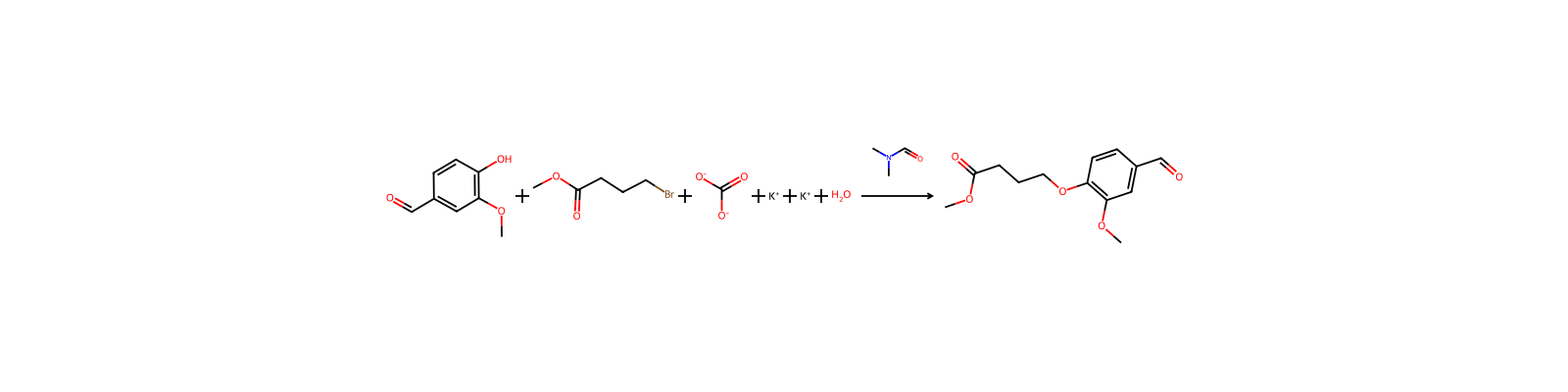


연결된 노트
불러오는 중…