
1,3- 벤젠, 2- 메틸
2-Methylresorcinol

기본 정보
- CAS
608-25-3- 표준 SMILES
Cc1c(O)cccc1O- InChIKey
ZTMADXFOCUXMJE-UHFFFAOYSA-N- 분자식
- C7H8O2
- 평균 분자량
- 124.14 g/mol
- 단동위원소 질량
- 124.05242949
이름 및 식별자
- 우선 이름
- 2-Methylresorcinol
- IUPAC
- 2-methylbenzene-1,3-diol
- 현지명
- 1,3- 벤젠, 2- 메틸
- 영어명
- 2-Methylresorcinol
- 분자식
- C7H8O2
- 분자량
- 124.14
이름 및 동의어
2-Methylresorcinol608-25-32-methylbenzene-1,3-diol2,6-Dihydroxytoluene1,3-Benzenediol, 2-methyl-2-Methyl-1,3-benzenediol2-Methyl-1,3-dihydroxybenzeneDTXSID0025571ORISTAR MRRODOL MRSNSC-6652432W7044A3T
이름 더 보기
1,3-벤젠,2-메틸1,3-벤젠다이올,2-메틸2-메틸레조시놀메틸레조신2-MR2-Methylresocinol2-methyl-3-benzenediolRodol MRP2,6-Dihydr
DTXCID005571RefChem:88387210-155-82-MethylresorcinResorcinol, 2-methyl-Toluene-2,6-diolMFCD000022711,3-DIHYDROXY-2-METHYLBENZENE
데이터베이스 식별자
- CAS
608-25-3- PubChem CID
- 11843
- DTXSID
DTXSID0025571- ChEMBL
CHEMBL2332773- UNII
- 32W7044A3T
- EC Number
- 210-155-8
- Nikkaji
- J71.615D
물성
구조 계산 물성
- XLogP
- 1.6
- 극성 표면적
- 40.5 Ų
- 수소 결합 공여자 수
- 2
- 수소 결합 수용자 수
- 2
- 회전 가능 결합 수
- 0
- 무거운 원자 수
- 9
- 형식 전하
- 0
- 복잡도
- 82.9
실험 및 물리화학적 성질
Chemical ClassesOther Classes -> Phenols
Cosmetics
Cosmetic ingredients (2-Methylresorcinol) -> CIR (Cosmetic Ingredient Review)
Hair dyeing
SpringerMaterials PropertiesBoiling point
Endocrine DisruptorsPotential endocrine disrupting compound
Physical DescriptionColorless to light brown solid; [EC: SCCP]
Collision Cross Section123.6 Ų [M-H]- [CCS Type: DT; Buffer gas: N2; Ionization: ESI-; Dataset: TOXCAST; Source Identifier: DTXSID0025571]
물리화학적 성질
- 녹는점
- 114 · 114-120 °C(lit.)
- 끓는 점
- 264 °C · 264 °C(lit.)
- 밀도
- 1.1006 · 1.1006 (rough estimate)
- 증기압
- 0.017 Pa · 0.017Pa at 20℃
- 굴절률
- 1.4922 · 1.4922 (estimate)
- 인화점
- 135 °C · 135°C
- 저장 조건
- Keep in dark place,Sealed in dry,Room Temperature
- 용해도
- 263 g/l · 263g/l
- 물리적 상태
- 유리질의 불규칙한 모양의 과립
- 산도 계수 (pKa)
- 1 · pK1:10.05;pK2:11.64 (25°C,μ=0.65)
- 색상
- 하얀색
- 수용성
- 물과 메탄올에 용해됩니다.
- BRN
- 2042177 · 2042177
- 화장품 원료 기능
- 머리 염색
- InChI
- 1S/C7H8O2/c1-5-6(8)3-2-4-7(5)9/h2-4,8-9H,1H3
- InChIKey
- ZTMADXFOCUXMJE-UHFFFAOYSA-N
- SMILES
- Cc1c(O)cccc1O
- LogP
- 1.58 at · 1.58 at 25℃
- NIST
- 1 · 1,3-Benzenediol, 2-methyl-(608-25-3)
- EPA
- 1 · 1,3-Benzenediol, 2-methyl- (608-25-3)
화학적 성질
White to off-white crystal powder
안전 및 규제
안전 정보는 참고용이며, 공급업체의 물질안전보건자료(SDS), 관련 법규 및 전문가 평가를 대체하지 않습니다.
GHS 분류
GHS Classification
This chemical does not meet GHS hazard criteria for 0.5% (1 of 192) of reports.
Danger
H301 (94.8%): Toxic if swallowed [Danger Acute toxicity, oral]
P261, P264, P264+P265, P270, P271, P272, P273, P280, P301+P316, P302+P352, P304+P340, P305+P351+P338, P305+P354+P338, P317, P319, P321, P330, P332+P317, P333+P317, P337+P317, P362+P364, P391, P403+P233, P405, and P501 (click each P-code to see the statement)
Aggregated GHS information provided per 192 reports by companies from 23 notifications to the ECHA C&L Inventory. Each notification may be associated with multiple companies.
Danger
유해성 정보
Regulatory Information
Chemical: 1,3-Benzenediol, 2-methyl-
REACH registered substance: 2-methylresorcinol (EC: 210-155-8)
1,3-Benzenediol, 2-methyl-: Does not have an individual approval but may be used as a component in a product covered by a group standard. It is not approved for use as a chemical in its own right.
Other Safety InformationIMAP assessments - 1,3-Benzenediol, 2-methyl-: Human health tier II assessment
Hazards Summary
Irritating to skin and corrosive to eyes in rabbits; Considered a moderate skin sensitizer based on results from a mouse local lymph node assay; No evidence of teratogenicity or developmental toxicity; [EC: SCCP] Causes weight loss in 13-week oral studies of rats; [RTECS] A skin and strong eye irritant; Toxic by ingestion; [Aldrich MSDS] See Resorcinol.
Hazard Classes and Categories
Acute Tox. 3 (94.8%)
Acute toxicity - category 4
독성 정보
Adverse EffectsSkin Sensitizer - An agent that can induce an allergic reaction in the skin.
Toxicity SummarySafe in the present practices of use and concentration. Ingredient, concentration, and use information are available in documents discoverable at https://cir-reports.cir-safety.org
안전 데이터
- wgk
- 3
- tsca
- TSCA listed
- rtecs
- VH2009500
- ridadr
- UN 2811 6.1/PG 3
- HS 번호
- 29072900
- risk_code
- 25-36/37/38-34-20/21/22
- hazard_code
- T,C
- safety_code
- 26-36-45-37/39-28A-36/37/39-27
- 포장분류
- III
- 위험 등급
- 6.1
- Hazard Classifications
- Acute Tox. 3 OralAquatic Acute 1Eye Dam. 1Skin Sens. 1B
- 스토리지 클래스
- 6.1C - Combustible acute toxic Cat.3toxic compounds or compounds which causing chronic effects
화학 및 산업
용도 및 제조
Uses
CIR ingredient: 2-Methylresorcinol
Used in oxidative and non-oxidative hair dye formulations; [EC: SCCP]
Dressing Hair [Category: Other]
Household ProductsInformation on 187 consumer products that contain 2-Methylresorcinol in the following categories is provided:
Use ClassificationCosmetics -> Hair dyeing
General Manufacturing Information1,3-Benzenediol, 2-methyl-: ACTIVE
응용 분야
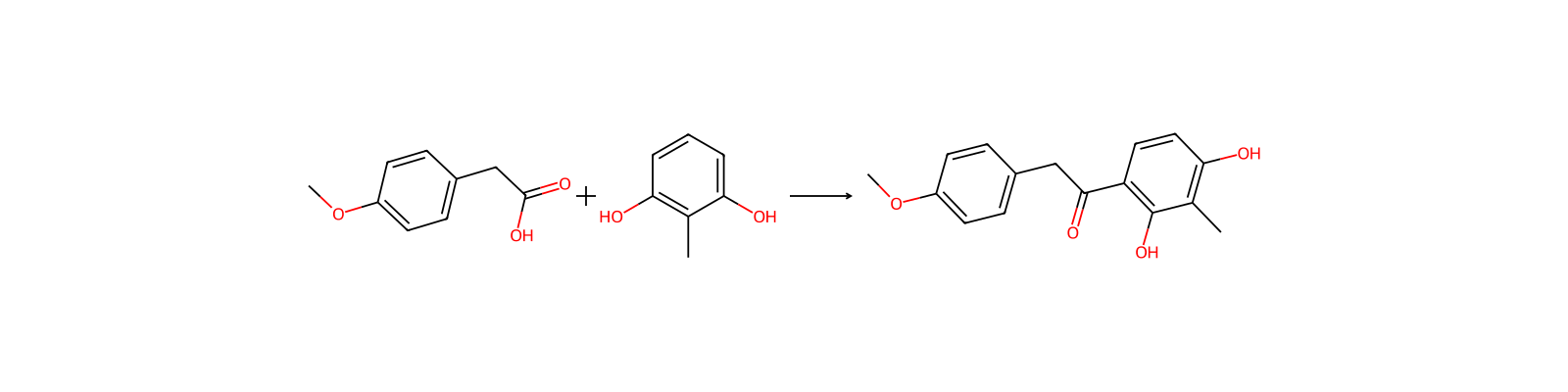
용도2-Methylresorcinol is used in the preparation of aromatic benziporphyrins, tripyrrane analogs and C-5-bromo-2-hydroxyphenylcalix[4]-2-methylresorcinarene. Further, it is employed in oxidative and non-oxidative hair dye formulations.
일반 설명The reaction between 2-methylresorcinol and 2-alkenals was studied to investigate the scavenging ability of m-diphenols for the 2-alkenals formed during lipid oxidation.
제조 방법
Synthesis of 2-methylresorcinol: The synthetic routes to an alkylresorcinol that is partially alkylated at a position other than the 4th position on the aromatic ring are multistep and give low overall yields. For example, a 50% yield of a 2-methylresorcinol is obtained by hydrogenation of resorcinol and methylation of the resulting dihydroresorcinol to 2-methylcyclohexane-1,3-dione which on treatment with bromine is converted into 4,6-dibromo-2-methylresorcinol and finally hydrogenolysis of the dibromo derivative to produce the 2-methylresorcinol. Another example is that 5-methylresorcinol can be prepared by a five-step synthesis starting with p-toluidine or a four-step synthesis starting from ethyl crotonate. The five-step synthesis involves acetylation, two-step nitration, reductive hydrogenation, and hydrolysis.Literature source US04086281
상·하류 제품 정보
하류 제품
관련 반응
88건






화합물 노트
불러오는 중…