홈MCP워크벤치Skills
홈워크벤치알림마이페이지
llms.txt · MCP 가이드개인정보처리방침 · 이용약관 · 지원v1.8.0
  1. 홈
  2. /화합물

디메틸 카보네이트

Dimethyl Carbonate

HCID 12021
새 노트새 반응견적 요청하기
인쇄 미리보기

데이터를 보충하는 중입니다. 잠시 후 페이지를 새로 고치면 최신 내용을 볼 수 있습니다
기본 정보개요이름 및 식별자물성안전 및 규제화학 및 산업관련 반응화합물 노트
부분 구조 검색유사 구조 찾기

기본 정보

CAS
616-38-6
표준 SMILES
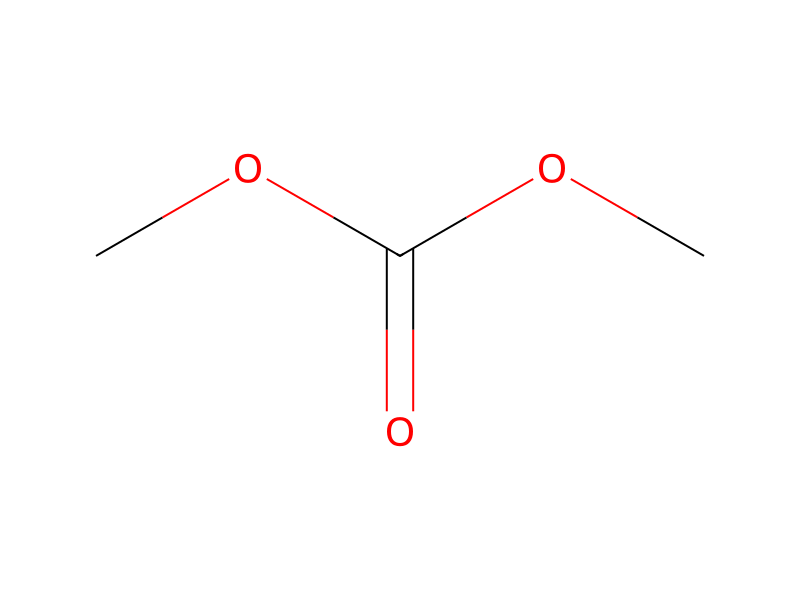
COC(=O)OC
InChIKey
IEJIGPNLZYLLBP-UHFFFAOYSA-N
분자식
C3H6O3
평균 분자량
90.08 g/mol
단동위원소 질량
90.03169405

개요

Dimethyl carbonate appears as a clear, colorless liquid with a pleasant odor. Denser than water and slightly soluble in water. Vapors are heavier than air. Used to make other chemicals and as a special purpose solvent.

이름 및 식별자

우선 이름
Dimethyl Carbonate
IUPAC
dimethyl carbonate
현지명
디메틸 카보네이트
영어명
Dimethyl carbonate
분자식
C3H6O3
분자량
90.08

이름 및 동의어

Dimethyl carbonate616-38-6Methyl carbonateCarbonic acid, dimethyl esterMethyl carbonate ((MeO)2CO)DTXSID9029192NSC 9371KE9J097SPNAI3-14705NSC-9371DTXCID609192CHEBI:36596
이름 더 보기
다이메틸카보네이트다이메틸카르보네이트디메틸카보네이트다이메틸카르보네이트다이메틸 카보네이트DMCmethylcarbonate((meo)2co)Dimethylcarbonatdimetyl carbonateDimethylcarbonate,99%
RefChem:5760210-478-4Carbonic Acid Dimethyl EsterDIMETHYLCARBONATELoxoprofen Impurity 21CH3OCOOCH3Dimethylcarbonate, 99%MFCD00008420

데이터베이스 식별자

CAS
616-38-6
PubChem CID
12021
DTXSID
DTXSID9029192
ChEMBL
CHEMBL3185216
ChEBI
CHEBI:36596
UNII
KE9J097SPN
EC Number
210-478-4
Nikkaji
J7.032G

물성

구조 계산 물성보충 중

XLogP
0.5
극성 표면적
35.5 Ų
수소 결합 공여자 수
0
수소 결합 수용자 수
3
회전 가능 결합 수
2
무거운 원자 수
6
형식 전하
0
복잡도
44

실험 및 물리화학적 성질

Chemical Classes · 2건

Other Classes -> Esters, Other

Flammable agents - 3rd degree

CosmeticsCosmetic ingredients (Dimethyl Carbonate) -> CIR (Cosmetic Ingredient Review)
SpringerMaterials PropertiesSchoenflies notation
OdorPleasant odor
Density · 3건

1.0636 g/cu cm at 25 °C

Relative density (water = 1): 1.07

1.065 @ 17°C

Viscosity0.664 mPa.s at 20 °C
Color/FormColorless liquid
Solubility · 4건

Miscible with alcohol and ether

Miscible with acids and alkalies; stable in the presence of water; soluble in most organic solvents

Soluble in oxygenated solvents

Solubility in water: none

Flash Point · 4건

31 °F (NFPA, 2010)

14 °C (Closed cup)

18 °C (Open cup)

18 °C o.c.

Boiling Point

안전 및 규제

안전 정보는 참고용이며, 공급업체의 물질안전보건자료(SDS), 관련 법규 및 전문가 평가를 대체하지 않습니다.

GHS 분류

GHS Classification · 6건

Danger

H225: Highly Flammable liquid and vapor [Danger Flammable liquids]

P210, P233, P240, P241, P242, P243, P280, P303+P361+P353, P370+P378, P403+P235, and P501 (click each P-code to see the statement)

This chemical does not meet GHS hazard criteria for 1.3% (11 of 868) of reports.

Danger

H225 (98.7%): Highly Flammable liquid and vapor [Danger Flammable liquids]

유해성 정보

Regulatory Information · 6건

Chemical: Carbonic acid, dimethyl ester

Regulation (EC) No 1935/2004 (amended)

Carbonic acid, dimethyl ester is listed on the EPA's Chemical Data Reporting (CDR) system. Manufacturers and importers of Carbonic acid, dimethyl ester are required to report information about their production and use of this chemical to the EPA under the Toxic Substances Control Act (TSCA). (40 eCFR Part 711)

Status: Active Update: 29-03-2023 https://echa.europa.eu/registration-dossier/-/registered-dossier/14944

Carbonic acid, dimethyl ester: HSNO Approval: HSR001252 Approved with controls

The New Jersey Worker and Community Right to Know Act requires public and private employers to provide information about hazardous substances at their workplaces. (N.J.S.A. 34:5A-1 et. seq.)

DOT LabelFlammable Liquid
Fire Hazards · 3건

Excerpt from ERG Guide 129 [Flammable Liquids (Water-Miscible / Noxious)]:

· HIGHLY FLAMMABLE: Will be easily ignited by heat, sparks or flames.

Highly flammable. Vapour/air mixtures are explosive.

Fire PotentialA very dangerous fire hazard when exposed to heat, open flames (sparks), or oxidizers.
Health Hazards · 2건

Excerpt from ERG Guide 129 [Flammable Liquids (Water-Miscible / Noxious)]:

화학 및 산업

약리 정보

Cellular LocationsCytoplasm

용도 및 제조

Uses · 6건

CIR ingredient: Dimethyl Carbonate

Used as a reagent for methylation and phosgenation and a cold sterilizing agent for beverages; [HSDB] Used in methylation reactions; [Merck Index] Used in organic synthesis and as a specialty solvent; [Hawley]

Using Disinfectants or Biocides [Category: Clean]

Organic synthesis, specialty solvent

DMC /dimethyl carbonate/ can be used in the synthesis of important pharmaceuticals, such as the antimicrobial ciprofloxacin (Cipro) where it is used in place of diethyl malonate, and in the preparation of guaifenesin, a precursor for the muscle relaxant, methocarbamol.

... Used primarily in the synthesis of bisphenol A polycarbonates.

U.S. Production · 4건

2023: 40,000,000 - <55,000,000 lb

Carbonic acid, dimethyl ester is listed as a High Production Volume (HPV) chemical (65FR81686). Chemicals listed as HPV were produced in or imported into the U.S. in >1 million pounds in 1990 and/or 1994. The HPV list is based on the 1990 Inventory Update Rule. (IUR) (40 CFR part 710 subpart B; 51FR21438).

Production volume for non-confidential chemicals reported under the 2006 Inventory Update Rule. Chemical: Carbonic acid, dimethyl ester. Aggregated National Production Volume: 1 to < 10 million lbs.

Production volume for non-confidential chemicals reported under the 2012 Chemical Data Reporting Rule. Chemical: Carbonic acid, dimethyl ester. Aggregated National Production Volume: 17,917,274 lb/yr.

Consumer UsesIntermediate
Industry UsesOther
Methods of Manufacturing · 2건

Dimethyl carbonate (DMC) is formed by the reaction of MeOH with phosgene or methyl chloroformate in the presence of a concentrated sodium hydroxide solution in a two-phase reaction in high yields and purity. Other alcohols can also be phosgenated. As DMC is now more easily accessible via the direct oxidative carbonylation of MeOH, phosgenation is losing its attractiveness in this application.

관련 반응

904건
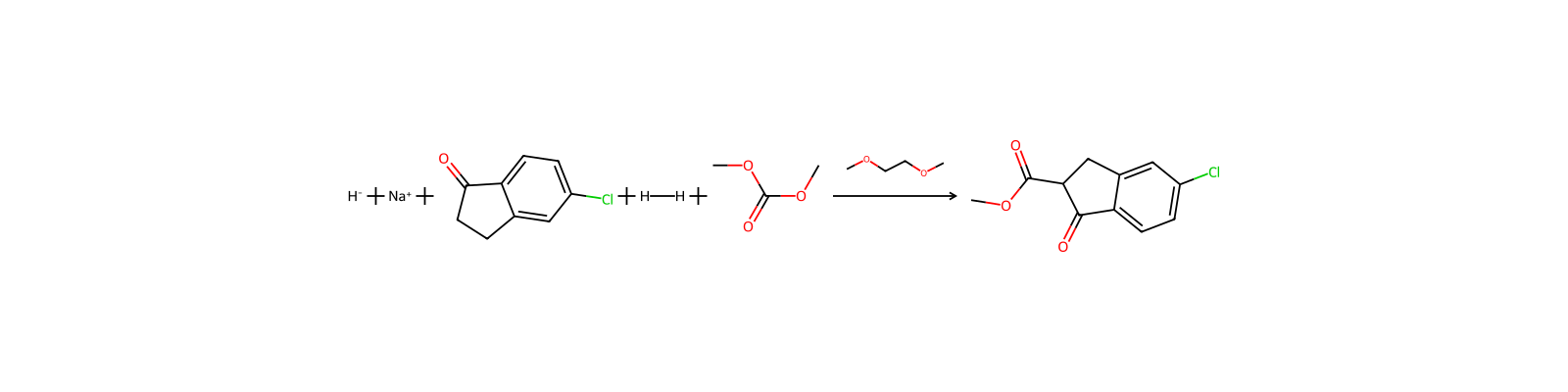
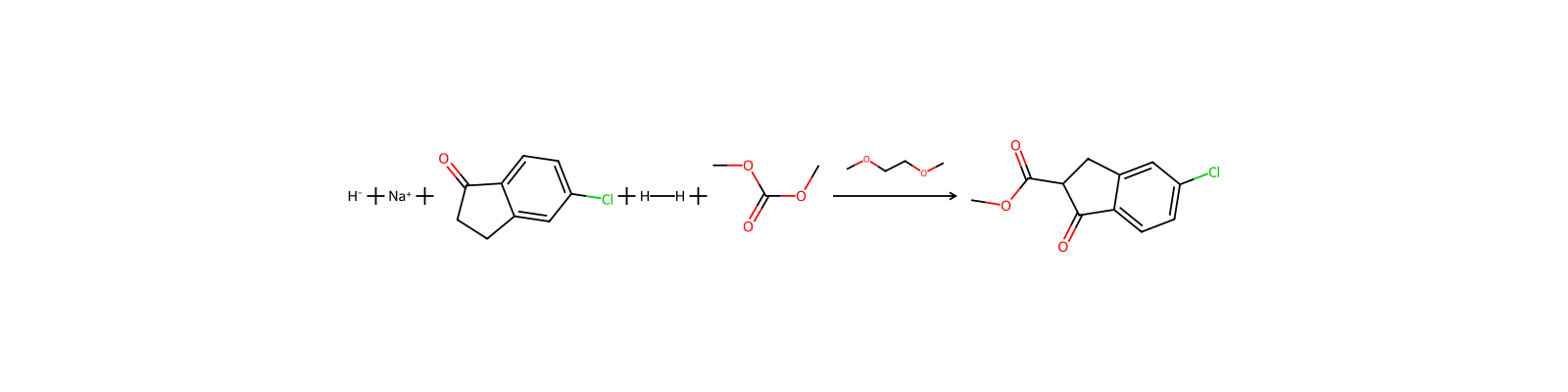
반응 기록 만들기
HRID 1503 반응식
HRID 1503반응물로uspto-grants-1998_03
HRID 1570 반응식
HRID 1570반응물로uspto-grants-1998_03
HRID 2075 반응식
HRID 2075반응물로uspto-grants-1998_03
HRID 2116 반응식
HRID 2116반응물로uspto-grants-1998_03
HRID 2174 반응식
HRID 2174반응물로uspto-grants-1998_03
HRID 7208 반응식
HRID 7208반응물로uspto-grants-2006_08
HRID 7222 반응식
HRID 7222반응물로uspto-grants-2006_08
HRID 7223 반응식
HRID 7223반응물로uspto-grants-2006_08
1 / 113 페이지

화합물 노트

불러오는 중…

이 페이지에서기본 정보개요이름 및 식별자물성안전 및 규제화학 및 산업관련 반응화합물 노트
더보기
새 노트새 반응견적 요청하기
· 4건

90.5 °C

90.00 to 91.00 °C. @ 760.00 mm Hg

90 °C

90.91 °C @760 [mm Hg]

DecompositionWhen heated to decomposition it emits acrid smoke and irritating fumes.
Melting Point · 4건

0.5 °C

0.5 °C

3 °C

0.5 °C

물리화학적 성질

녹는점
2 · 2-4 °C (lit.)
끓는 점
90 °C · 90 °C (lit.)
밀도
1.069 g/mL · 1.069 g/mL at 25 °C (lit.)
증기 밀도
3.1 · 3.1 (vs air)
증기압
18 mm · 18 mm Hg ( 21.1 °C)
굴절률
20 · n20/D 1.368(lit.)
인화점
65 °F · 65 °F
저장 조건
30 °C · Store below +30°C.
용해도
139 g/L · 139g/L
물리적 상태
액체
색상
50 · <50(APHA)
냄새
기분 좋은 냄새
폭발한계
4.22 · 4.22-12.87%(V)
수용성
139 g/L · 139g/L
Merck
14 · 14,3241
BRN
635821 · 635821
Henry's Law Constant
1.6 · 1.6×10-1 mol/(m3Pa) at 25℃, Burkholder et al. (2019)
Dielectric constant
3.17 · 3.1699999999999999
안정성
안정적인. 가연성이 높습니다. 강력한 산화제인 칼륨 t-부톡사이드와 호환되지 않습니다.
화장품 원료 기능
용제첨가물향기
InChI
1S/C3H6O3/c1-5-3(4)6-2/h1-2H3
InChIKey
IEJIGPNLZYLLBP-UHFFFAOYSA-N
SMILES
O=C(OC)OC
LogP
0.23 · 0.23-0.354 at 20-25℃
표면장력
28.08 mN/m · 28.08mN/m at 298.15K
NIST
Carbonic acid, dimethyl ester(616-38-6)
EPA
Carbonic acid, dimethyl ester (616-38-6)

· May cause toxic effects if inhaled or absorbed through skin.

Hazards SummaryA dangerous fire risk; [Hawley] A mild eye irritant; [ICSC] An irritant; [MSDSonline]
DOT ID and Guide1161 129
Reactive GroupEsters, Sulfate Esters, Phosphate Esters, Thiophosphate Esters, and Borate Esters
EC ClassificationSymbol: F; R: 11; S: (2)-9-16
UN ClassificationUN Hazard Class: 3; UN Pack Group: II
Reactivity AlertsHighly Flammable
Reactivity Profile · 1건

DIMETHYL CARBONATE reacts with acids to liberate heat along with methanol and carbon dioxide. Strong oxidizing acids may cause a vigorous reaction that is sufficiently exothermic to ignite the reaction products. Heat is also generated by the interaction with caustic solutions. Flammable hydrogen is generated by mixing with alkali metals and hydrides.

안전 및 보호

Fire Fighting · 2건

Excerpt from ERG Guide 129 [Flammable Liquids (Water-Miscible / Noxious)]:

Use water spray, alcohol-resistant foam, dry powder, carbon dioxide. In case of fire: keep drums, etc., cool by spraying with water.

First Aid Measures · 4건

Fresh air, rest.

Rinse and then wash skin with water and soap.

First rinse with plenty of water for several minutes (remove contact lenses if easily possible), then refer for medical attention.

Rinse mouth.

Accidental Release Measures · 2건

· CALL 911. Then call emergency response telephone number on shipping paper. If shipping paper not available or no answer, refer to appropriate telephone number listed on the inside back cover.

· ELIMINATE all ignition sources (no smoking, flares, sparks or flames) from immediate area.

First Aid · 2건

Excerpt from ERG Guide 129 [Flammable Liquids (Water-Miscible / Noxious)]:

General First Aid:

Safe StorageFireproof. Separated from strong oxidants. Well closed. Store in an area without drain or sewer access.
Exposure Control and Personal Protection· Wear positive pressure self-contained breathing apparatus (SCBA).
Fire Fighting Procedures · 2건

Explosion: In case of fire: keep drums, etc., cool by spraying with water.

Use water spray, dry chemical, foam, or carbon dioxide. Water may be ineffective. Use water spray to keep fire-exposed containers cool.

Storage Conditions · 3건

Keep container tightly closed in a dry and well-ventilated place. Containers which are opened must be carefully resealed and kept upright to prevent leakage. Air sensitive.

Store in a cool, dry, well-ventilated location. Outside or detached storage is preferred.

Fireproof. Separated from strong oxidants. Well closed. Store in an area without drain or sewer access.

Cleanup Methods · 2건

Use water spray to cool and disperse vapors and protect personnel. Control runoff and isolate discharged material for proper disposal.

Personal protection: filter respirator for organic gases and vapors adapted to the airborne concentration of the substance. Remove all ignition sources. Collect leaking and spilled liquid in sealable containers as far as possible. Absorb remaining liquid in sand or inert absorbent. Then store and dispose of according to local regulations. Do NOT wash away into sewer.

Nonfire Spill ResponseExcerpt from ERG Guide 129 [Flammable Liquids (Water-Miscible / Noxious)]:
Disposal Methods · 1건

SRP: The most favorable course of action is to use an alternative chemical product with less inherent propensity for occupational harm/injury/toxicity or environmental contamination. Recycle any unused portion of the material for its approved use or return it to the manufacturer or supplier. Ultimate disposal of the chemical must consider: the material's impact on air quality; potential migration in soil or water; effects on animal and plant life; and conformance with environmental and public health regulations.

Spillage Disposal · 1건

Personal protection: filter respirator for organic gases and vapours adapted to the airborne concentration of the substance. Remove all ignition sources. Collect leaking and spilled liquid in sealable containers as far as possible. Absorb remaining liquid in sand or inert absorbent. Then store and dispose of according to local regulations. Do NOT wash away into sewer.

독성 정보

Environmental Fate · 3건

TERRESTRIAL FATE: Based on a classification scheme(1), an estimated Koc value of 2.9 (SRC), determined from a structure estimation method(2), indicates that dimethyl carbonate is expected to have very high mobility in soil(SRC). Volatilization of dimethyl carbonate from moist soil surfaces may be expected to be an important fate process(SRC) given an estimated Henry's Law constant of 6.2X10⁻⁴ atm-cu m/mole(SRC), using a fragment constant estimation method(3). Dimethyl carbonate is expected to volatilize from dry soil surfaces(SRC) based upon a vapor pressure of 55.364 mm Hg at 25 °C(4). A >90% biodegradation using activated sludge in the OECD Modified MITI test(5) indicates that biodegradation may be an important environmental fate process in soil(SRC).

AQUATIC FATE: Based on a classification scheme(1), an estimated Koc value of 2.9(SRC), determined from a structure estimation method(2), indicates that dimethyl carbonate is not expected to adsorb to suspended solids and sediment(SRC). Volatilization from water surfaces may be expected(3) based upon an estimated Henry's Law constant of 6.2X10⁻⁴ atm-cu m/mole(SRC), developed using a fragment constant estimation method(4). Using this Henry's Law constant and an estimation method(3), volatilization half-lives for a model river and model lake are 1.9 hours and 4.2 days, respectively(SRC). According to a classification scheme(5), an estimated BCF of 3.2(SRC), from an estimated log Kow of 0.23(6) and a regression-derived equation(2), suggests the potential for bioconcentration in aquatic organisms is low(SRC). A >90% biodegradation using activated sludge in the OECD Modified MITI test(7) indicates that biodegradation may be an important environmental fate process in water(SRC).

ATMOSPHERIC FATE: According to a model of gas/particle partitioning of semivolatile organic compounds in the atmosphere(1), dimethyl carbonate, which has a vapor pressure of 55 mm Hg at 25 °C (2), is expected to exist solely as a vapor in the ambient atmosphere. Vapor-phase dimethyl carbonate is degraded in the atmosphere by reaction with photochemically-produced hydroxyl radicals(SRC); the half-life for this reaction in air is estimated to be 24.6 days(SRC), calculated from its rate constant of 0.44X10⁻¹² cu cm/molecule-sec at 25 °C(SRC) that was derived using a structure estimation method(3). Dimethyl carbonate does not contain chromophores that absorb at wavelengths >290 nm(4) and, therefore, is not expected to be susceptible to direct photolysis by sunlight(SRC).

Toxicity Summary · 2건

The CIR Expert Panel concluded that the following 6 dialkyl carbonates are safe in the present practices of use and concentration, as described in this safety assessment, when formulated to be non-irritating...Dimethyl Carbonate...

Safe for use in cosmetics, with qualifications

Signs and Symptoms · 2건

Cough.

Redness.

Soil Adsorption/Mobility · 1건

Using a structure estimation method based on molecular connectivity indices(1), the Koc of dimethyl carbonate can be estimated to be 2.9 (SRC). According to a classification scheme(2), this estimated Koc value suggests that dimethyl carbonate is expected to have very high mobility in soil.

Artificial Pollution SourcesDimethyl carbonate's production and use as an environmentally benign methylating agent(1,2) may result in its release to the environment through various waste streams(SRC).
Environmental BiodegradationAEROBIC: Dimethyl carbonate was >90% biodegraded in 28 days using an activated sludge inoculum in the OECD 301C test (Modified MITI)(1).
Environmental Bioconcentration · 1건

An estimated BCF of 3.2 was calculated in fish for dimethyl carbonate(SRC), using an estimated log Kow of 0.23(1) and a regression-derived equation(2). According to a classification scheme(3), this BCF suggests the potential for bioconcentration in aquatic organisms is low(SRC).

Volatilization from Water/Soil · 1건

The Henry's Law constant for dimethyl carbonate is estimated as 6.2X10⁻⁴ atm-cu m/mole(SRC) using a fragment constant estimation method(1). This Henry's Law constant indicates that dimethyl carbonate is expected to volatilize from water surfaces(2). Based on this Henry's Law constant, the volatilization half-life from a model river (1 m deep, flowing 1 m/sec, wind velocity of 3 m/sec)(2) is estimated as 1.9 hours(SRC). The volatilization half-life from a model lake (1 m deep, flowing 0.05 m/sec, wind velocity of 0.5 m/sec)(2) is estimated as 4.2 days(SRC). Dimethyl carbonate's Henry's Law constant indicates that volatilization from moist soil surfaces may occur(SRC). Dimethyl carbonate is expected to volatilize from dry soil surfaces(SRC) based upon a vapor pressure of 55.364 mm Hg at 25 °C(3).

Non-Human Toxicity Excerpts · 5건

/LABORATORY ANIMALS: Acute Exposure/ Exposure by inhalation appeared relatively hazardous, since 8000 ppm caused rapid onset of gasping, loss of coordination, frothing from the mouth and nose, and pulmonary edema with death of all rats in a period of 2 hours.

/LABORATORY ANIMALS: Acute Exposure/ The undiluted dimethyl carbonate liquid has an oral LD50 in the rat and the mouse between 6.4 and 12.8 g/kg and an intraperitoneal LD50 in the range of 800 to 1600 mg/kg. Symptoms were weakness, ataxia with gasping, and unconsciousness. A dermal LD50 in the guinea pig was found to be greater than 10 mL/kg. Some weight loss was noted, and minimal skin absorption was suspected. However, the degree of irritation was relatively slight.

/LABORATORY ANIMALS: Subchronic or Prechronic Exposure/ Groups of 20 male and 20 female Wistar (SPF) rats (4-5 weeks of age at the start of the experiment) received dimethylcarbonate (DMC) in their drinking water at doses of 0 (control group), 0.1, 0.3, or 1.0% for 3 months. Doses up to and including 1.0% DMC had no effect on behavior or mortality of male or female rats. Body weight gain was also not influenced by DMC. Clinical laboratory investigations were carried out 1 and 3 months after the start of the experiment in 5 male and 5 female rats of each group. Hematological investigations revealed no adverse effects of DMC at any dose levels. Clinical historical chemical determinations revealed no marked deviations from the values found in control groups and were all within the biological range. Urinalyses carried out on urines from 5 male and 5 female rats of each group at 1 and 3 months revealed no differences between control animals and dosed groups. Autopsies were performed on all animals which died during the study, as well as those which survived the 3 month treatment period. The following organs were weighed: heart, lungs, thymus, liver, spleen, kidneys, adrenals, testes, and ovaries. Treatment with DMC had no consistent effect on absolute or relative weights of these organs. Samples of 29 tissues and organs were fixed in Bouin's solution for histological examination. In addition, the left lobe of each liver was fixed in formol-calcium for fat detection. Histopathological investigations revealed that neither the males nor the females treated with doses up to and including 1.0% DMC showed any increased incidence of organ changes Also, no substance-related increase in hepatic fat content was observed. It was concluded that DMC was tolerated by rats for 3 months without damage up to and including a dosage of 1.0% in drinking water

/LABORATORY ANIMALS: Developmental or Reproductive Toxicity/ Pregnant female CD-1 mice were exposed by inhalation to 0, 300, 1000, or 3000 ppm dimethylcarbonate during gestational days (GD) 6-15. Maternal body weights, clinical observations, & food consumption were recorded throughout gestation. At scheduled euthanization on GD 18, fetuses were weighed, sexed, & examined for external, visceral, & skeletal alterations. There were no treatment-related deaths or clinical findings. Maternal body weights & body weight gains were significantly reduced at 3000 ppm. Food consumption was also significantly reduced in the 1000 & 3000 ppm groups. Gestational parameters affected at 3000 ppm included postimplantation loss due to increased resorptions, & altered sex ratio (decreased males). Fetal body weights/litter were reduced at 3000 ppm, with increased number of stunted fetuses (<1 g). Total incidences of fetal malformations (external, visceral, & skeletal) were significantly increased at 3000 ppm & included cleft palate, microtia, low set ears, multiple skull bone malformations, & fused vertebral arches. There was also a treatment-related incr in skeletal variations at 3000 ppm. The NOEL for maternal & developmental toxicity was 1000 ppm.

Environmental Abiotic Degradation · 1건

The rate constant for the vapor-phase reaction of dimethyl carbonate with photochemically-produced hydroxyl radicals has been estimated as 0.44X10⁻¹² cu cm/molecule-sec at 25 °C(SRC) using a structure estimation method(1). This corresponds to an atmospheric half-life of about 24.6 days at an atmospheric concentration of 5X10+5 hydroxyl radicals per cu cm(1). The alkyl carbonate esters hydrolyze very slowly in water when compared to the chloroformates. Under alkaline conditions, the rates of hydrolysis are similar to those of the corresponding acetic acid esters. The net result is the formation of hydroxy compounds and carbon dioxide(2). Dimethyl carbonate does not contain chromophores that absorb at wavelengths >290 nm(3) and, therefore, is not expected to be susceptible to direct photolysis by sunlight(SRC).

Probable Routes of Human Exposure · 2건

According to the 2006 TSCA Inventory Update Reporting data, the number of persons reasonably likely to be exposed in the industrial manufacturing, processing, and use of dimethyl carbonate is 100 to 999; the data may be greatly underestimated(1).

NIOSH (NOES Survey 1981-1983) has statistically estimated that 1,725 workers (0 of these were female) were potentially exposed to dimethyl carbonate in the US(1). Occupational exposure to dimethyl carbonate may occur through inhalation and dermal contact with this compound at workplaces where dimethyl carbonate is produced or used.

Environmental Fate/Exposure Summary · 1건

Dimethyl carbonate's production and use as an environmentally benign methylating agent may result in its release to the environment through various waste streams. If released to air, a vapor pressure of 55 mm Hg at 25 °C indicates dimethyl carbonate will exist solely as a vapor. Vapor-phase dimethyl carbonate will be degraded in the atmosphere by reaction with photochemically-produced hydroxyl radicals; the half-life for this reaction in air is estimated to be 24.6 days. Dimethyl carbonate does not contain chromophores that absorb at wavelengths >290 nm and, therefore, is not expected to be susceptible to direct photolysis by sunlight. If released to soil, dimethyl carbonate is expected to have very high mobility based upon an estimated Koc of 2.9. Volatilization from moist soil surfaces may be an important fate process based upon an estimated Henry's Law constant of 6.2X10⁻⁴ atm-cu m/mole. Dimethyl carbonate may volatilize from dry soil surfaces based upon its vapor pressure. A >90% biodegradation using activated sludge in the OECD Modified MITI test indicates that biodegradation may be an important environmental fate process in soil or water. If released into water, dimethyl carbonate is not expected to adsorb to suspended solids and sediment based upon the estimated Koc. Volatilization from water surfaces may be an important fate process based upon this compound's estimated Henry's Law constant. An estimated BCF of 3.2 suggests the potential for bioconcentration in aquatic organisms is low. Dimethyl carbonate may hydrolyze under alkaline conditions however no rate information was available. Occupational exposure to dimethyl carbonate may occur through inhalation and dermal contact with this compound at workplaces where dimethyl carbonate is produced or used. (SRC)

규제 정보

Atmospheric Standards · 1건

Air Quality: Revision to Definition of Volatile Organic Compounds--Exclusion of Propylene Carbonate and Dimethyl Carbonate. This action revises EPA's definition of volatile organic compounds (VOCs) for purposes of preparing state implementation plans (SIPs) to attain the national ambient air quality standard for ozone under Title I of the Clean Air Act (Act). This revision adds the compounds propylene carbonate and dimethyl carbonate to the list of compounds which are excluded from the definition of VOC on the basis that these compounds make a negligible contribution to tropospheric ozone formation.

안전 데이터

wgk
1
tsca
TSCA listed
rtecs
FG0450000
ridadr
UN 1161
독성
LD50 in rats (g/kg): 13.8 orally; 2.5 dermally; LC50 (4 hr) in rats (mg/l): 140 by inhalation (Ono)
HS 번호
2920 90 10
risk_code
11
hazard_code
F
safety_code
9-16-2017/9/16
포장분류
II
위험 등급
3
기존화학 물질
KE-11278
자연 발화 온도
458 °C
Hazard Classifications
Flam. Liq. 2
스토리지 클래스
3 - Flammable liquids
유해 물질 데이터
616-38-6(Hazardous Substances Data)

Dimethyl carbonate is also manufactured by carbonylation of methylnitrite through a catalytic redox process. The process is practiced commercially in the gas phase by Ube Industries, LTD., Japan using a palladium supported catalyst system.

Formulations/PreparationsGrade: Technical
Household ProductsInformation on 29 consumer products that contain dimethyl carbonate in the following categories is provided:
General Manufacturing Information · 3건

Furniture and Related Product Manufacturing

Carbonic acid, dimethyl ester: ACTIVE

DMCD was considered acceptable for use as a cold sterilizing agent for beverages when used in accordance with Good Manufacturing Practice up to a maximum of 25 mg/L.

응용 분야 · 5건

개요디메틸 카보네이트는 DMC로 약칭되며 실온에서 무색 투명한 자극성 액체입니다. 상대 밀도 (d204)는 1.0694, 융점은 4 ℃, 비등점은 90.3 ℃, 인화점은 21.7 ℃ (개구) 16.7 ℃ (폐쇄)), 굴절률 (nd20) 1.3687 , 인화성, 비 독성.

개요DMC는 무색 투명한 액체입니다. 알코올, 케톤, 에스테르와 같은 유기 용제와 혼합 될 수 있지만 물에 약간 용해됩니다. 완벽한 메틸화제, 카르 보 닐화 제, 메톡 실화제 및 활성 화학적 성질을 갖는 메틸 올 레이트 화제입니다. 그것은 폴리 프로필렌 탄산염 생산에 사용할 수 있습니다. 제약 및 살충제에서 DMC는 ciprofloxacin 및 carbadox를 생산하는 데 사용할 수 있습니다.

용도(1) 디메틸 카보네이트는 폴리 카보네이트 (PC) (소비량이 비교적 큼), 탄산 2 벤젠 에스테르, 이소시아네이트 등의 합성에 사용할 수 있습니다. (2) 제약 산업에서 디메틸 카보네이트는 항염제, 해열 및 진통제, 비타민제, 제약 산업과 같은 중추 신경계 약물의 합성에 사용할 수 있습니다. (3) 산업용 살충제에서 디메틸 카보네이트는 주로 메틸 이소시아네이트의 생산에 사용되고 특정 아미노산 에스테르 살충제, 살충제 (벤젠 에테르)의 생산에 사용됩니다. (4) 디메틸 카보네이트 는 또한 휘발유 첨가제 (메틸 tert 부틸 에테르 MTBE로 대체 될 수 있음), 전해액에 리튬 배터리 등으로 사용될 수 있습니다. (5) 디메틸 카보네이트는 독성이 낮은 새로운 유형의 솔벤트로서 도료 및 접착제 산업에서 톨루엔, 자일 렌, 에틸 아세테이트, 아세톤 또는 메틸 에틸 케톤 등을 대체 할 수 있습니다.

용도Environmentally benign substitute for dimethyl sulfate, q.v., and methyl halides in methylation reactions and for phosgene, q.v., in methylcarbonylation reactions.

일반 설명Dimethyl carbonate appears as a clear, colorless liquid with a pleasant odor. Denser than water and slightly soluble in water. Vapors are heavier than air. Used to make other chemicals and as a special purpose solvent.

제조 방법 · 1건

Dimethyl carbonate (DMC) is formed by the reaction of MeOH with phosgene or methyl chloroformate in the presence of a concentrated sodium hydroxide solution in a two-phase reaction in high yields and purity. Other alcohols can also be phosgenated. As DMC is now more easily accessible via the direct oxidative carbonylation of MeOH, phosgenation is losing its attractiveness in this application.

상·하류 제품 정보

상류 원료

일산화탄소(가스)Petrochemical에틸렌 카보네이트클로로탄산 메틸에스테르포스겐메틸알콜프로필렌 카보네이트산화프로필렌

하류 제품

Boron trifluoride-DiMethyl carbonate coMplex(1,3,5-트리메틸-1H-피라졸-4-일)메틸아민1-메틸이미다졸4-DIMETHOXYMETHYL-6-HYDROXYPYRIMIDINE-2-THIOLN-메틸-3-카보메톡시-4-피페리돈염산염메톡시말론산디메틸에스테르Asulam메틸 에틸 카보네이트7-Chloro-1-cyclopropyl-6-fluoro-1,4-dihydro-8-methoxy-4-oxoquinoline-3-carboxylic acid(S)-(-)-1,2,3,4-테트라히드로-나프토산1,3,5-트리메틸-1H-피라졸-4-카르복실산1H-아제핀-3-카르복실산,헥사히드로-,메틸에스테르(9CI)시프로플록사신1,3,5-트리메틸-1H-피라졸-4-카르복스알데히드4-브로모-1,3,5-트리메틸-1H-피라졸1,3,5-트리메틸피라졸1H-피라졸-4-카르보닐클로라이드,1,3,5-트리메틸-(9CI)디에틸 카보네이트3-메틸아니솔1,5-디페닐카보노히드라지드2-PHENYLMALONAMIDE
추가 설명 · 1건

정의ChEBI: Dimethyl carbonate is a carbonate ester that is carbonic acid in which both hydrogens are replaced by methyl groups. A flammable, colourless liquid (m.p. 2-4°C, b.p. 90°C) with a characterstic ester-like odour, it is used as a 'green' methylating agent and as a solvent. It has a role as a solvent and a reagent.

For more Non-Human Toxicity Excerpts (Complete) data for DIMETHYL CARBONATE (6 total), please visit the HSDB record page.