
Benzonitrile, 4-bromo-
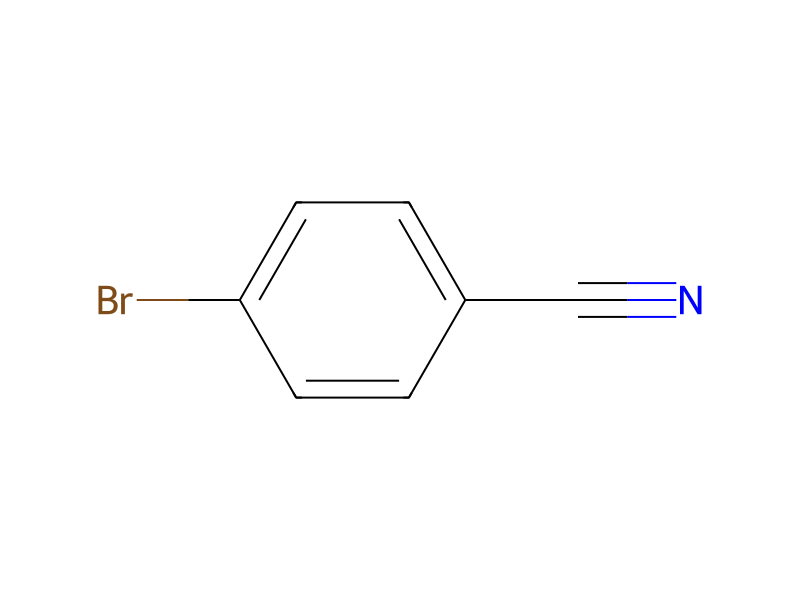
기본 정보
- CAS
623-00-7- 표준 SMILES
N#Cc1ccc(Br)cc1- InChIKey
HQSCPPCMBMFJJN-UHFFFAOYSA-N- 분자식
- C7H4BrN
- 평균 분자량
- 182.02 g/mol
- 단동위원소 질량
- 180.95271123
이름 및 식별자
- 우선 이름
- Benzonitrile, 4-bromo-
- IUPAC
- 4-bromobenzonitrile
- 영어명
- 4-Bromobenzonitrile
- 분자식
- C7H4BrN
- 분자량
- 182.02
이름 및 동의어
4-BROMOBENZONITRILE623-00-7Benzonitrile, 4-bromo-p-BromobenzonitrileBenzonitrile, p-bromo-1-Bromo-4-cyanobenzeneAI3-00488NSC 3978EINECS 210-764-9DTXSID60211352RefChem:566238Benzonitrile, p-bromo-(8CI)
이름 더 보기
4-bromobenzoic acid nitrilePBBNOf broMoxynil4-Brombenzonitril4-bromo-benzonitrilp-CyanobromobenzeneBROMOBENZONITRILE-4
DTXCID60133843210-764-9InChI=1/C7H4BrN/c8-7-3-1-6(5-9)2-4-7/h1-44-BromocyanobenzeneMFCD000018114-CYANOBROMOBENZENE4-bromo-benzonitrile4-cyano-bromobenzene
데이터베이스 식별자
- CAS
623-00-7- PubChem CID
- 12162
- DTXSID
DTXSID60211352- ChEMBL
CHEMBL3248210- UNII
- 32L8XG37J4
- EC Number
- 210-764-9
- Nikkaji
- J42.017D
물성
구조 계산 물성
- XLogP
- 2.6
- 극성 표면적
- 23.8 Ų
- 수소 결합 공여자 수
- 0
- 수소 결합 수용자 수
- 1
- 회전 가능 결합 수
- 0
- 무거운 원자 수
- 9
- 형식 전하
- 0
- 복잡도
- 127
실험 및 물리화학적 성질
SpringerMaterials Properties13C nuclear magnetic resonance spectrum
LogP2.42
물리화학적 성질
- 녹는점
- 110 · 110-115 °C(lit.)
- 끓는 점
- 235 · 235-237 °C(lit.)
- 밀도
- 1 · 1,562 g/cm3
- 굴절률
- 1.5999 · 1.5999 (estimate)
- 인화점
- 130 °C · 130°C
- 저장 조건
- Sealed in dry,Room Temperature
- 용해도
- 0.2 g/L · 0.2g/L
- 물리적 상태
- 분말 또는 플레이크
- 색상
- 흰색에서 연한 노란색 또는 조각
- 수용성
- 물(0.2g/L)에 아주 약간 용해됩니다. 알코올과 에테르에 용해됩니다.
- BRN
- 2041518 · 2041518
- InChI
- 1S/C7H4BrN/c8-7-3-1-6(5-9)2-4-7/h1-4H
- InChIKey
- HQSCPPCMBMFJJN-UHFFFAOYSA-N
- SMILES
- Brc1ccc(cc1)C#N
- LogP
- 2.3 at · 2.3 at 22.5℃ and pH7
안전 및 규제
안전 정보는 참고용이며, 공급업체의 물질안전보건자료(SDS), 관련 법규 및 전문가 평가를 대체하지 않습니다.
GHS 분류
GHS Classification
Danger
H301 (91.2%): Toxic if swallowed [Danger Acute toxicity, oral]
P261, P264, P264+P265, P270, P271, P273, P280, P301+P316, P302+P352, P304+P340, P305+P351+P338, P317, P319, P321, P330, P332+P317, P337+P317, P362+P364, P403+P233, P405, and P501 (click each P-code to see the statement)
Aggregated GHS information provided per 57 reports by companies from 12 notifications to the ECHA C&L Inventory. Each notification may be associated with multiple companies.
유해성 정보
Regulatory Information
Status: Active Update: 04-05-2018 https://echa.europa.eu/registration-dossier/-/registered-dossier/25590
4-Bromobenzonitrile: Does not have an individual approval but may be used under an appropriate group standard
Hazard Classes and CategoriesAcute Tox. 3 (91.2%)
안전 데이터
- wgk
- 2
- rtecs
- DI2460000
- ridadr
- UN 3439 6.1/PG 3
- HS 번호
- 29269095
- risk_code
- 22-36/37/38-20/21/22
- hazard_code
- Xn,T,Xi
- safety_code
- 61-36/37/39-26-24/25
- 포장분류
- III
- 위험 등급
- 6.1
- 위험 참고 사항
- Toxic/Irritant
- Hazard Classifications
- Acute Tox. 4 DermalAcute Tox. 4 OralAquatic Chronic 3Eye Irrit. 2
- 스토리지 클래스
- 6.1C - Combustible acute toxic Cat.3toxic compounds or compounds which causing chronic effects
화학 및 산업
응용 분야
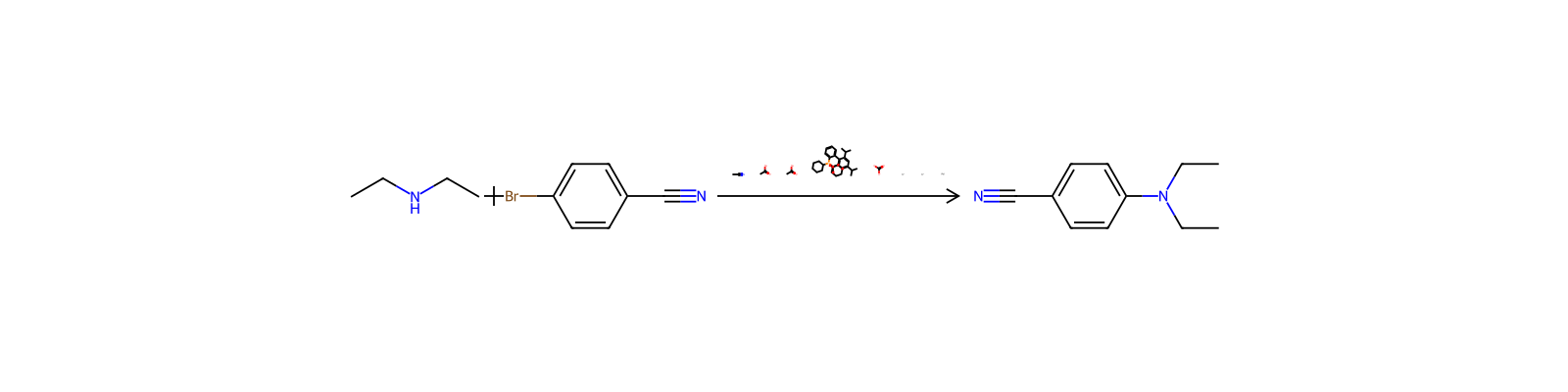
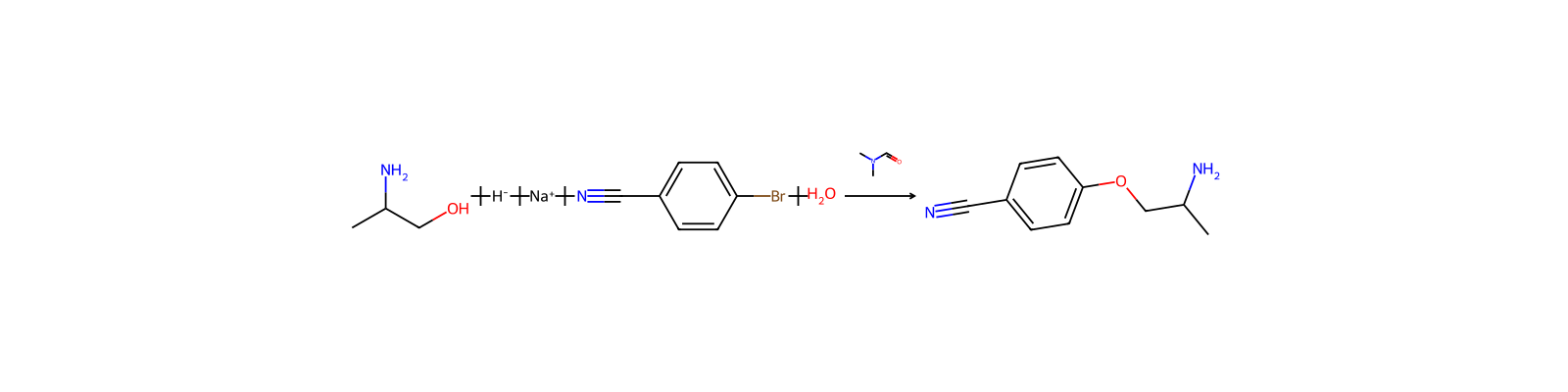
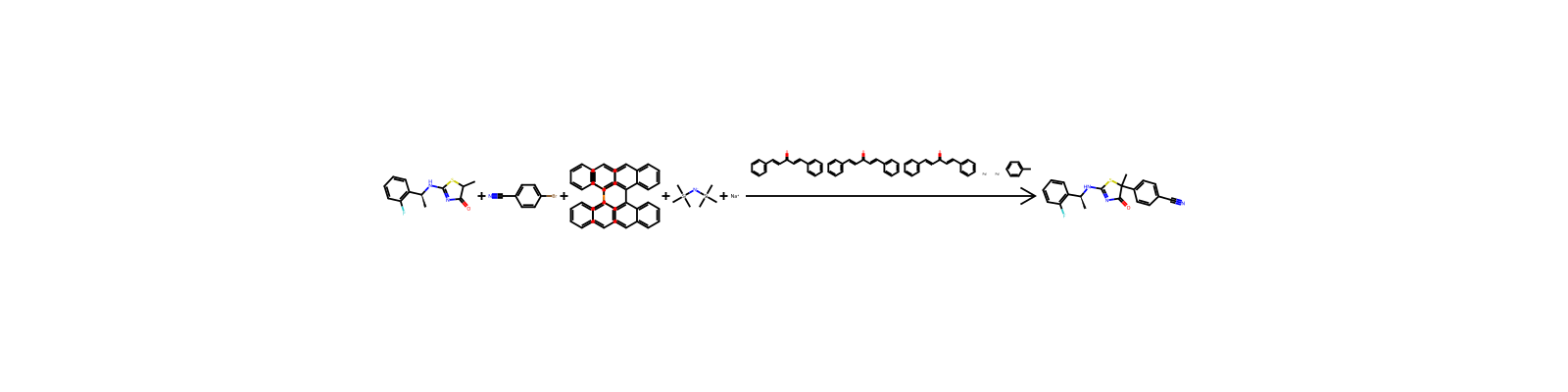
용도4-Bromobenzonitrile is used as reagents and solvents. Reaction of 2-propanol, 4-bromobenzonitrile, and NaH in the presence of 1.5 mol % Pd2(dba)3 and 3 mol % (S)-(-)2,2-bis(di-p-tolylphosphino)- 1,1-binaphthyl at 50°C afforded 4-isopropoxy- benzonitrile in 80% isolated yield. The synthesis of 4-cyanobiphenyl at room temperature in a flow injection microreactor, using a supported catalyst, without the addition of a base gave a product yield of 67±7% (n=6). This was achieved by injecting 4-bromobenzonitrile. The 3-arylation of 2,5-dimethylthiophene with 4-bromopropiophenone, 4-trifluoromethylbromobenzene or 4-bromobenzonitrile gave 3-5 in only 38-50% yields in Palladium-catalysed direct 3-or 4-arylation of thiophene derivatives using aryl bromides.
상·하류 제품 정보
하류 제품
관련 반응
315건




화합물 노트
불러오는 중…