홈MCP워크벤치Skills
홈워크벤치알림마이페이지
llms.txt · MCP 가이드개인정보처리방침 · 이용약관 · 지원v1.8.0
  1. 홈
  2. /화합물

메틸 이소시아네이트

Methyl Isocyanate

HCID 12228
새 노트새 반응견적 요청하기
인쇄 미리보기
기본 정보개요이름 및 식별자물성안전 및 규제화학 및 산업관련 반응화합물 노트
부분 구조 검색유사 구조 찾기

기본 정보

CAS
624-83-9
표준 SMILES
CN=C=O
InChIKey
HAMGRBXTJNITHG-UHFFFAOYSA-N
분자식
C2H3NO
평균 분자량
57.05 g/mol
단동위원소 질량
57.02146372

개요

Methyl isocyanate is a colorless highly flammable liquid that evaporates quickly when exposed to the air. It has a sharp, strong odor. Methyl isocyanate is used in the production of pesticides, polyurethane foam, and plastics.

이름 및 식별자

우선 이름
Methyl Isocyanate
IUPAC
methylimino(oxo)methane
현지명
메틸 이소시아네이트
영어명
METHYLISOCYANATE 1 X 500MG NEAT
분자식
C2H3NO
분자량
57.05

이름 및 동의어

METHYL ISOCYANATEIsocyanatomethane624-83-9Methane, isocyanato-methylisocyanateMethyl carbonimideMethylcarbylamineIsocyanate de methyleIso-cyanatomethaneMethylisocyanaatIsocyanic acid, methyl esterMethyl isocyanat
이름 더 보기
메틸아이소사이아네이트메탄,이소시안아토메틸탄호이미드메틸이소시아네이트이소시안산메틸에스테르메틸이소시아네이트메틸아이소시아네이트메틸 아이소사이아네이트메테인, 아이소사이아네이토-메틸이미노-옥소메테인아이소사이아네이토메테인아이소사이아네이트, 메틸아이소사이안산, 메틸 에스터아이소사이안산의 메틸 에스터CH3NCOtl1450WLN: OCN1Isocyanamethanemethylisocyanatmetilisocianato
Metil isocianatoMethylisokyanatRCRA waste number P064DTXSID1023786TL 1450C588JJ4BV9methylimino-oxomethaneCHEBI:59059

데이터베이스 식별자

CAS
624-83-9
PubChem CID
12228
DTXSID
DTXSID1023786
ChEMBL
CHEMBL1608558
ChEBI
CHEBI:59059
UNII
C588JJ4BV9
EC Number
210-866-3
Nikkaji
J1.680B

물성

구조 계산 물성

XLogP
1.1
극성 표면적
29.4 Ų
수소 결합 공여자 수
0
수소 결합 수용자 수
2
회전 가능 결합 수
0
무거운 원자 수
4
형식 전하
0
복잡도
44

실험 및 물리화학적 성질

Chemical Classes · 3건

Hazardous Air Pollutants (HAPs)

Toxic Gases & Vapors -> Monoisocyanates

Flammable agents - 3rd degree

DrugsPharmaceuticals -> Listed in ZINC15
SpringerMaterials Properties15N nuclear magnetic resonance spectrum
PesticidesPesticide -> EPA IRIS
OdorSharp, unpleasant odor
Density · 6건

0.9599 at 68 °F (EPA, 1998) - Less dense than water; will float

0.9230 g/cu cm at 27 °C

Isocyanates...are highly reactive and undergo addition reactions across the carbon-nitrogen double bond of the NCO group. Reactions with alcohols, carboxylic acids, and amines have been widely exploited...The basis for the high reactivity of the isocyanates is the low electron density of the central carbon...Electron withdrawing or donating substituents alter the electrophilic nature of the isocyanate... /Isocyanates/

Relative density (water = 1): 0.96

0.96

0.9588 @ 20°C

Color/FormColorless liquid
Solubility · 4건

Decomposes (NTP, 1992)

10 G/100 ML WATER AT 15 °C

안전 및 규제

안전 정보는 참고용이며, 공급업체의 물질안전보건자료(SDS), 관련 법규 및 전문가 평가를 대체하지 않습니다.

GHS 분류

GHS Classification · 6건

Danger

H225: Highly Flammable liquid and vapor [Danger Flammable liquids]

P203, P210, P233, P240, P241, P242, P243, P260, P261, P262, P264, P264+P265, P270, P271, P272, P280, P284, P301+P316, P302+P352, P303+P361+P353, P304+P340, P305+P354+P338, P316, P317, P318, P319, P320, P321, P330, P332+P317, P333+P317, P342+P316, P361+P364, P362+P364, P370+P378, P403, P403+P233, P403+P235, P405, and P501 (click each P-code to see the statement)

Danger

H225 (94.4%): Highly Flammable liquid and vapor [Danger Flammable liquids]

P203, P210, P233, P240, P241, P242, P243, P260, P261, P262, P264, P264+P265, P270, P271, P272, P280, P284, P301+P316, P302+P352, P303+P361+P353, P304+P340, P305+P354+P338, P316, P317, P318, P319, P320, P321, P330, P332+P317, P333+P317, P342+P316, P361+P364, P362+P364, P370+P378, P403, P403+P233, P403+P235, P405, and P501 (click each P-code to see the statement)

유해성 정보

Hazards IdentificationToxic/poison by inhalation (TIH/PIH)
Regulatory Information · 3건

Chemical: Methane, isocyanato-

Hazard Traits - Developmental Toxicity; Ocular Toxicity; Reproductive Toxicity; Respiratory Toxicity

The New Jersey Worker and Community Right to Know Act requires public and private employers to provide information about hazardous substances at their workplaces. (N.J.S.A. 34:5A-1 et. seq.)

Other Safety InformationIMAP assessments - Methane, isocyanato-: Human health tier II assessment
DOT LabelPoison Inhalation Hazard Flammable Liquid
Fire Hazards · 3건

Reacts violently with water. Extremely flammable; may be ignited by heat, sparks, or flames. Vapors may travel to a source of ignition and flash back. Container may explode violently in heat of fire. Vapor explosion and poison hazard indoors, outdoors, or in sewers. Runoff to sewer may create fire or explosion hazard. When heated to decomposition, it emits toxic fumes of nitrogen oxides. Avoid water, acids, alkali, amines, iron, tin, copper, and other catalysts. Avoid heat, flame, oxidizers, water. Hazardous polymerization may occur. Methyl isocyanate (MIC) will react with water, or in the presence of catalysts (such as sodium hydroxide, sodium methoxide, triphenylarsine, triethyl phosphine, metallic chlorides) to form either a cyclic trimer (trimethyl isocyanurate) or a gummy, resinous polymer. These reactions are exothermic, producing about 540 Btu per pound of MIC. Heat produced in these reactions may result in pressure build up and rupturing of tanks. (EPA, 1998)

화학 및 산업

약리 정보

Mechanism of Action · 3건

... In this study, /the authors/ characterized the adducts formed in human globin upon treatment with 100-fold molar excess of MIC. The globin was subject to enzymatic hydrolysis with pronase, and the hydrolysate was analysed by high performance liquid chromatography with positive atmospheric pressure chemical ionization mass spectrometric detection (HPLC/APCI-MS). The two major MIC adducts were those with N-terminal Val and side-chain of Lys, as confirmed by comparison with the synthetic standards. About 20 other adducts were observed, and several of them were tentatively identified using their MS and MS/MS spectra. Whereas detection of the adducts with Tyr and His was expected, the adducts with Trp and Phe, and a Lys adduct containing two MIC moieties, were probably analytical artifacts resulting from the transcarbamoylation during globin hydrolysis rather than products of direct carbamoylation. The other detected products were MIC-Val-His, derived from the N-terminal dipeptide of globin beta-chain, and dipeptides consisting of MIC-Lys attached to Gly, Val, Leu, Thr, and Glu. Failure to detect the corresponding non-modified dipeptides suggests that the pronase action may be hampered by the amino acid modification. MIC is known as a metabolic intermediate of the industrial solvents N,N-dimethylformamide (DMF) and N-methylformamide (MF) in humans and rats. The HPLC/APCI-MS analysis of globin from rats injected with DMF or MF, 1000 mg/kg, revealed the presence of the MIC adducts with both Val and Lys. The level of the Val adduct in globin from the DMF-dosed rats, determined using Edman degradation and GC/MS, was ca. 40 nmol/g, which is a level common in workers occupationally exposed to DMF. This suggests that also the Lys adduct in such human globin samples can be feasible to analysis and is therefore considered for further studies as a potential biomarker of exposure to DMF.

The present study describes the effect of methyl isocyanate (MIC) on rabbit cardiac microsomal Na+, K(+)-ATPase. Addition of MIC in vitro resulted in dose-dependent inhibition of Na+, K(+)-ATPase, Mg(2+)-ATPase and K(+)-activated p-nitrophenyl phosphatase (K(+)-PNPPase). Activation of Na+, K(+)-ATPase by ATP in the presence of MIC showed a decrease in Vmax with no change in Km. Similarly, activation of K+ PNPPase by PNPP in the presence of MIC showed a decrease in Vmax with no change in Km. The circular dichroism spectral studies revealed that MIC interaction with Na+, K(+)-ATPase led to a conformation of the protein wherein the substrates Na+ and K+ were no longer able to bind at the Na(+)- and K(+)-activation sites. The data suggest that the inhibition of Na+, K(+)-ATPase was non-competitive and occurred by interference with the dephosphorylation of the enzyme-phosphoryl complex.

관련 반응

1,950건
반응 기록 만들기
HRID 1464 반응식
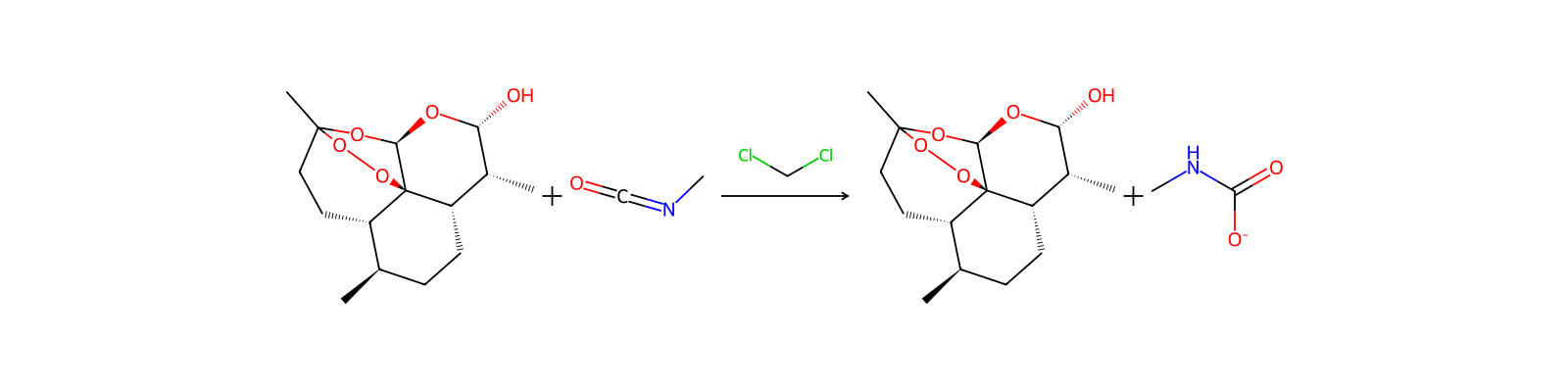
HRID 1464반응물로uspto-grants-1998_03
HRID 1604 반응식
HRID 1604반응물로uspto-grants-1998_03
HRID 1644 반응식
HRID 1644반응물로uspto-grants-1998_03
HRID 3794 반응식
HRID 3794반응물로uspto-grants-1988_02
HRID 4343 반응식
HRID 4343반응물로uspto-grants-1988_02
HRID 4609 반응식
HRID 4609반응물로uspto-grants-1988_02
HRID 4619 반응식
HRID 4619반응물로uspto-grants-1988_02
HRID 5445 반응식
HRID 5445반응물로uspto-grants-1993_09
1 / 244 페이지

화합물 노트

불러오는 중…

이 페이지에서기본 정보개요이름 및 식별자물성안전 및 규제화학 및 산업관련 반응화합물 노트
더보기
새 노트새 반응견적 요청하기

Solubility in water at 20 °C: reaction

(59 °F): 10%

Corrosivity · 1건

Methyl isocyanate diffuses through polyethylene and attacks most elastomers (fluorocarbon resins are resistant). It is dangerous to use materials other than stainless steel, nickel, or glass/ceramic in contact with methyl isocyanate. In particular, do not use iron, steel, zinc, tin, copper, or their alloys.

Flash Point · 6건

19 °F (EPA, 1998)

-7 °C

19 °F (-7 °C) (Closed cup)

-7 °C c.c.

19 °F

19 °F

Boiling Point · 6건

102 °F at 760 mmHg (EPA, 1998)

39.5 °C

39 °C

102 °F

38.3 °C @760 [mm Hg]

102-104 °F

Decomposition · 2건

The substance decomposes on contact with water. The substance decomposes rapidly on contact with acids and bases producing toxic gases (hydrogen cyanide, nitrogen oxides, carbon monoxide).

When heated to decomposition it emits toxic fumes of /nitrogen oxides and hydrogen cyanide/.

물리화학적 성질

녹는점
-45 ℃ · -45℃
끓는 점
59.6 ℃ · 59.6℃
밀도
0.923 · 0.9230
증기압
348 at · 348 at 20 °C (NIOSH, 1997)
굴절률
1.3419 · 1.3419
인화점
-7 °C · -7 °C
물리적 상태
액체; 에어로졸
수용성
15 °C에서 · 15°C에서 10wt%(NIOSH, 1997)
Merck
13 · 13,6112
Henry's Law Constant
1.3 · 1.3×10-2 mol/(m3Pa) at 25℃, Roberts and Liu (2019)
Dielectric constant
29.4 · 29.4(21℃)
안정성
안정적이지만 반응성이 매우 높습니다. 가연성이 높습니다. 공기와 쉽게 폭발성 혼합물을 형성합니다. 낮은 끓는점, 낮은 인화점에 유의하세요.
NIST
Methane, isocyanato-(624-83-9)
EPA
Methyl isocyanate (624-83-9)

화학적 성질

colourless liquid

· HIGHLY FLAMMABLE: Will be easily ignited by heat, sparks or flames.

Extremely flammable. Many reactions may cause fire or explosion. Gives off irritating or toxic fumes (or gases) in a fire. Vapour/air mixtures are explosive.

Fire Potential · 2건

... Flammable liquid ...

Dangerous when exposed to heat or flame oxidizers.

Health Hazards · 2건

This compound is a skin irritant and can cause permanent eye damage. A concentration of 2 ppm has been reported toxic in humans. Methyl isocyanate attacks the respiratory system, eyes and skin. It can injure the lungs and bronchial airways, cause permanent eye damage, and death. Death has been attributed to various forms of respiratory distress. (EPA, 1998)

· TOXIC and/or CORROSIVE; inhalation, ingestion or contact (skin, eyes) with vapors, dusts or substance may cause severe injury, burns or death.

Hazards Summary · 3건

Methyl isocyanate is a colorless highly flammable liquid that evaporates quickly when exposed to the air. It has a sharp, strong odor. Methyl isocyanate is used in the production of pesticides, polyurethane foam, and plastics.

Methyl isocyanate is used to produce carbamate pesticides. Methyl isocyanate is extremely toxic to humans from acute (short-term) exposure. In Bhopal, India, accidental acute inhalation exposure to methyl isocyanate resulted in the deaths of about 3,800 people and adverse health effects in greater than 170,000 survivors. Pulmonary edema was the probable cause of death in most cases, with many deaths resulting from secondary respiratory infections. Survivors continue to exhibit damage to the lungs and eyes. Reproductive effects and increased number of stillbirths and spontaneous abortions were noted in the survivors of the Bhopal, India accident. EPA has classified methyl isocyanate as a Group D, not classifiable as to human carcinogenicity.

Methyl isocyanate can cause eye and skin injuries, pulmonary edema, and possibly immunological asthma. Skin sensitivity to methyl isocyanate developed in all sixteen guinea pigs tested. [ACGIH] Causes second and third degree burns after short skin exposures; [CHRIS] In high-dose reproductive studies of animals, methyl isocyanate decreases fertility and increases fetal losses and birth defects. Women exposed in the Bhopal disaster had higher rates of spontaneous abortions than controls. [Frazier, p. 344-5] A lachrymator; [HSDB] Methyl isocyanate is fibrogenic to the lungs in the context of an acute inhalation exposure complicated by bronchiolitis obliterans.

DOT ID and Guide · 2건

2480 155P

2480 155

Reactive GroupIsocyanates and Isothiocyanates
EC ClassificationSymbol: F+, T+; R: 12-24/25-26-37/38-41-42/43-63; S: (1/2)-26-27/28-36/37/39-45-63
UN ClassificationUN Hazard Class: 6.1; UN Subsidiary Risks: 3; UN Pack Group: I

안전 및 보호

Fire Fighting · 2건

Material is extremely hazardous to health but areas may be entered with extreme care. Full protective clothing, including self-contained breathing apparatus (coat, pants, gloves, boots, and bands around legs, arms and waist) should be provided. No skin surface should be exposed. Stay away from ends of tanks. Do not get water inside container. Spray cooling water on containers that are exposed to flames until well after fire is out. Withdraw immediately in case of rising sound from venting safety device or any discoloration of tank due to fire.

Use alcohol-resistant foam, dry sand, powder, carbon dioxide. NO hydrous agents. In case of fire: keep drums, etc., cool by spraying with water. NO direct contact with water. Combat fire from a sheltered position.

First Aid Measures · 4건

Fresh air, rest. Half-upright position. Artificial respiration may be needed. Refer for medical attention.

Remove contaminated clothes. Rinse skin with plenty of water or shower. Refer for medical attention .

First rinse with plenty of water for several minutes (remove contact lenses if easily possible), then refer for medical attention.

Rinse mouth. Do NOT induce vomiting. Give one or two glasses of water to drink. Refer for medical attention .

Accidental Release Measures · 2건

· CALL 911. Then call emergency response telephone number on shipping paper. If shipping paper not available or no answer, refer to appropriate telephone number listed on the inside back cover.

· ELIMINATE all ignition sources (no smoking, flares, sparks or flames) from immediate area.

First Aid · 3건

Warning: Effects may be delayed for up to 15 hours. Caution is advised.

General First Aid:

(General first aid procedures)

Safe StorageFireproof. See Chemical Dangers. Cool. Dry. Store only if stabilized. Store in an area without drain or sewer access.
Firefighting Hazards · 2건

A harmful contamination of the air can be reached very quickly on evaporation of this substance at 20 °C ... Reacts violently with fire extinguishing agents such as water and hydrated agents.

... Vapors are heavier than air and may travel to a source of ignition and flash vack. Closed containers may rupture violently when heated ... Reacts with water, which may cause runaway reaction ...

Exposure Control and Personal Protection · 3건

· Wear positive pressure self-contained breathing apparatus (SCBA).

TIH (Toxic Inhalation Hazard) - Term used to describe gases and volatile liquids that are toxic when inhaled. Some are TIH materials themselves, e.g., chlorine, and some release TIH gases when spilled in water, e.g., chlorosilanes. [ERG 2016].

0.01 [ppm]

Fire Fighting Procedures · 4건

Evacuation: If fire becomes uncontrollable or container is exposed to direct flame - consider evacuation of one-third (1/3) mile radius.

If material on fire or involved in fire: Do not extinguish the fire unless flow can be stopped. Use water in flooding quantities as fog. Solid streams of water may in ineffective. Cool all affected containers with flooding quantities of water. Apply water from as far a distance as possible. Use "alcohol" foam, dry chemical or carbon dioxide.

... Approach fire from upwind to avoid hazardous vapors and toxic decomposition products ...

Alcohol-resistant foam, dry sand, powder, carbon dioxide. NO hydrous agents ... Cool drums, etc., by spraying with water but avoid contact of the substance with water ...

Storage Conditions · 2건

Fireproof ... Store only if stabilized.

Store in a cool, dry, well-ventilated location. Store away from heat, oxidizing materials, and sunlight. Separate from acids, bases, amines, oxidizing materials, water, iron, tin, and copper. Outside or detached storage is preferred.

Cleanup Methods · 4건

Activated alumina is used as sorbent for hydrolytic removal of methyl isocyanate from waste gases.

Remove all ignition sources. Ventilate area of spill or leak. For small quantities, absorb on paper towels. Evaporate into safe place (such as fume hood). Allow sufficient time for evaporating vapors to completely clear the hood ductwork. Burn the paper in suitable location away from combustible materials. Large quantities can be reclaimed or collected and atomized in a suitable combustion chamber equipped with appropriate effluent gas cleaning device. Methyl isocyanate should not be allowed to enter a confined space, such as a sewer, because of the possibility of explosion.

Releases may require isolation or evacuation. Eliminate all ignition sources. Stop of control the leak, if this can be done without undue risk. Use water spray to cool and disperse vapors and protect personnel. Approach release from upwind. Absorb in non-combustible material for proper disposal.

Evacuate danger area! Consult an expert! Ventilation. Remove all ignition sources. Collect leaking liquid in sealable containers. Cautiously neutralize spilled liquid with caustic soda. Absorb remaining liquid in dry sand or inert absorbent and remove to safe place. Chemical protection suit including self-contained breathing apparatus. Do NOT let this chemical enter the environment.

Nonfire Spill ResponseExcerpt from ERG Guide 155 [Substances - Toxic and/or Corrosive (Flammable / Water-Sensitive); polymerization hazard]:
Disposal Methods · 4건

Generators of waste (equal to or greater than 100 kg/mo) containing this contaminant, EPA hazardous waste number P064, must conform with USEPA regulations in storage, transportation, treatment and disposal of waste.

A good candidate for liquid injection incineration at a temperature range of 650 to 1,600 °C and a residence time of 0.1 to 2 seconds. A good candidate for rotary kiln incineration at a temperature range of 820 to 1,600 °C and residence times of seconds for liquids and gases, and hours for solids. A good candidate for fluidized bed incineration at a temperature range of 450 to 980 °C and residence times of seconds for liquids and gases, and longer for solids.

Methyl isocyanate may be disposed of by atomizing in a suitable combustion chamber equipped with an appropriate effluent gas cleaning device.

Incineration: Spray into the furnace. Incineration will become easier by mixing with a more flammable solvent.

독성 정보

Treatment · 1건

Antidotes to cyanide poisoning include hydroxocobalamin and sodium nitrite, which release the cyanide from the cytochrome system, and rhodanase, which is an enzyme occurring naturally in mammals that combines serum cyanide with thiosulfate, producing comparatively harmless thiocyanate. Oxygen therapy can also be administered. (L97)

Interactions · 1건

... Male Swiss Webster mice were exposed to methyl isocyanate vapor ... by whole body exposure for 3 hours at 40 ppm with and without prior food deprivation for 24 or 48 hours. Dexamethasone, atropine, ethanol, and sodium thiosulfate were administered by ip injection either 3 hours before or 1 hour after MIC treatment. Mice were sacrificed at the end of either 2 or 3 week observation periods. Methyl isocyanate exposure induced immediate nasal irritation and lacrimation and produced listlessness following initial brisk activity. Significant protection against the lethal effects of methyl isocyanate vapor was afforded by administration of dexamethasone prior to methyl isocyanate exposure and 24 hour prestarvation. The percent surviving 8 days after methyl isocyanate exposure were 56, 100, and 90 for the untreated, dexamethasone pretreated, and 24 hours prestarved groups. The percent surviving at post treatment day 21 was 10, 50, and 20 for the same respective treatment groups. Sodium thiosulfate provided some protection against methyl isocyanate poisoning with 50% of the treated animals surviving to day eight and 30% to day 21. The other treatment groups had survival rates comparable to the untreated animals.

Target OrgansEyes, skin, respiratory system
Health Effects · 1건

Exposure to high levels of cyanide for a short time harms the brain and heart and can even cause coma, seizures, apnea, cardiac arrest and death. Chronic inhalation of cyanide causes breathing difficulties, chest pain, vomiting, blood changes, headaches, and enlargement of the thyroid gland. Skin contact with cyanide salts can irritate and produce sores. (L96, L97)

Environmental Fate · 3건

TERRESTRIAL FATE: If methyl isocyanate is released to soil, it is expected to hydrolyze rapidly based on aqueous hydrolysis half-lives of 20 min at 15 °C and 9 min at 25 °C, calculated from measured rate constants of 5.9X10⁻⁴ sec-1 and 1.34X10⁻³ sec-1, respectively(1). Soil adsorption effects, volatilization, and biodegradation are not expected to be competing processes since hydrolysis proceeds so quickly. Methyl isocyanate is expected to volatilize from dry soil surfaces(SRC) based upon a vapor pressure of 348 mm Hg(2).

AQUATIC FATE: If methyl isocyanate is released to water, it is expected to hydrolyze rapidly based on half-lives of 20 min at 15 °C and 9 min at 25 °C, calculated from measured hydrolysis rate constants of 5.9X10⁻⁴ sec-1 and 1.34X10⁻³ sec-1, respectively(1). The products of hydrolysis may include N-carboxymethylamine, methylamine, carbon dioxide, and N,N'-dimethylurea(1,2). Bioconcentration, volatilization, adsorption to sediment and suspended solids, and biodegradation are not expected to be important fate processes(SRC) since hydrolysis proceeds so quickly.

ATMOSPHERIC FATE: According to a model of gas/particle partitioning of semivolatile organic compounds in the atmosphere(1), methyl isocyanate, which has a vapor pressure of 348 mm Hg at 20 °C(2), is expected to exist solely as a vapor in the ambient atmosphere. Vapor-phase methyl isocyanate is degraded in the atmosphere by reaction with photochemically-produced hydroxyl radicals(SRC); the half-life for this reaction in air is estimated to be 118 days(SRC), calculated from its rate constant of 1.4X10⁻¹³ cu cm/molecule-sec at 25 °C(SRC), that was derived using a structure estimation method(3). Methyl isocyanate does not contain chromophores that absorb at wavelengths >290 nm and therefore is not expected to be susceptible to direct photolysis by sunlight(4).

Adverse Effects · 1건

Reproductive Toxin - A chemical that is toxic to the reproductive system, including defects in the progeny and injury to male or female reproductive function. Reproductive toxicity includes developmental effects. See Guidelines for Reproductive Toxicity Risk Assessment.

Exposure Routes · 3건

The substance can be absorbed into the body by inhalation, through the skin and by ingestion.

inhalation, skin absorption, ingestion, skin and/or eye contact

Oral (L96) ; inhalation (L96) ; dermal (L96)

Toxicity Summary · 1건

Cyanide is an inhibitor of cytochrome c oxidase in the fourth complex of the electron transport chain (found in the membrane of the mitochondria of eukaryotic cells). It complexes with the ferric iron atom in this enzyme. The binding of cyanide to this cytochrome prevents transport of electrons from cytochrome c oxidase to oxygen. As a result, the electron transport chain is disrupted and the cell can no longer aerobically produce ATP for energy. Tissues that mainly depend on aerobic respiration, such as the central nervous system and the heart, are particularly affected. Cyanide is also known produce some of its toxic effects by binding to catalase, glutathione peroxidase, methemoglobin, hydroxocobalamin, phosphatase, tyrosinase, ascorbic acid oxidase, xanthine oxidase, succinic dehydrogenase, and Cu/Zn superoxide dismutase. Cyanide binds to the ferric ion of methemoglobin to form inactive cyanmethemoglobin. (L97)

Signs and Symptoms · 6건

Cough. Laboured breathing. Shortness of breath. Sore throat. Vomiting.

MAY BE ABSORBED! Redness. Pain. Burning sensation.

Pain. Redness. Loss of vision.

Abdominal pain. Burning sensation. Shock or collapse.

irritation eyes, skin, nose, throat; resp sensitization, cough, pulmonary secretions, chest pain, dyspnea (breathing difficulty); asthma; eye, skin damage; In Animals: pulmonary edema

Cyanide poisoning is identified by rapid, deep breathing and shortness of breath, general weakness, giddiness, headaches, vertigo, confusion, convulsions/seizures and eventually loss of consciousness. (L96, L97)

Ongoing Test Status · 1건

The following link will take the user to the National Toxicology Program (NTP) Test Agent Search Results page, which tabulates all of the "Standard Toxicology & Carcinogenesis Studies", "Developmental Studies", and "Genetic Toxicity Studies" performed with this chemical. Clicking on the "Testing Status" link will take the user to the status (i.e., in review, in progress, in preparation, on test, completed, etc.) and results of all the studies that the NTP has done on this chemical.[Available from: http://ntp-apps.niehs.nih.gov/ntp_tox/index.cfm?fuseaction=ntpsearch.searchresults&searchterm=624-83-9]

ICSC Environmental DataThis substance may be hazardous to the environment. Special attention should be given to aquatic organisms.
EPA IRIS InformationMethyl isocyanate

규제 정보

RCRA Requirements · 1건

P064; As stipulated in 40 CFR 261.33, when methyl isocyanate, as a commercial chemical product or manufacturing chemical intermediate or an off-specification commercial chemical product or a manufacturing chemical intermediate, becomes a waste, it must be managed according to federal and/or state hazardous waste regulations. Also defined as a hazardous waste is any container or inner liner used to hold this waste or any residue, contaminated soil, water, or other debris resulting from the cleanup of a spill, into water or on dry land, of this waste. Generators of small quantities of this waste may qualify for partial exclusion from hazardous waste regulations (40 CFR 261.5(e)).

TSCA Requirements · 3건

Section 8(a) of TSCA requires manufacturers of this chemical substance to report preliminary assessment information concerned with production, exposure, and use to EPA as cited in the preamble in 51 FR 41329.

Pursuant to section 8(d) of TSCA, EPA promulgated a model Health and Safety Data Reporting Rule. The section 8(d) model rule requires manufacturers, importers, and processors of listed chemical substances and mixtures to submit to EPA copies and lists of unpublished health and safety studies. Methane, isocyanato- is included on this list.

Manufacturers and processors of methyl isocyanate are required to conduct physical/chemical properties and aquatic toxicity testing under TSCA section 4.

Atmospheric Standards · 1건

Listed as a hazardous air pollutant (HAP) generally known or suspected to cause serious health problems. The Clean Air Act, as amended in 1990, directs EPA to set standards requiring major sources to sharply reduce routine emissions of toxic pollutants. EPA is required to establish and phase in specific performance based standards for all air emission sources that emit one or more of the listed pollutants. Methyl isocyanate is included on this list.

CERCLA Reportable Quantities · 2건

Persons in charge of vessels or facilities are required to notify the National Response Center (NRC) immediately, when there is a release of this designated hazardous substance, in an amount equal to or greater than its reportable quantity of 10 lb or 4.54 kg. The toll free number of the NRC is (800) 424-8802. The rule for determining when notification is required is stated in 40 CFR 302.4 (section IV. D.3.b).

Releases of CERCLA hazardous substances are subject to the release reporting requirement of CERCLA section 103, codified at 40 CFR part 302, in addition to the requirements of 40 CFR part 355. Methyl isocyanate is an extremely hazardous substance (EHS) subject to reporting requirements when stored in amounts in excess of its threshold planning quantity (TPQ) of 500 lbs.

DHS Chemicals of Interest (COI) · 4건

Methyl isocyanate

1

10000

Toxic chemical that can be released at a facility.

안전 데이터

OEB
D
OEL
TWA: 0.02 ppm (0.05 mg/m3) [skin]
IDLA
0.12 ppm (0.28 mg/m3)
tsca
TSCA listed
rtecs
NQ9450000
ridadr
UN 2480
독성
LD50 in male rats (mg/kg): 140 single oral dose (Vernot); LC50 in rats (4 hours exposure to vapor): 5 ppm (Kimmerle, Eben)
risk_code
12-24/25-26-37/38-41-42/43-63
hazard_code
F+,T+
safety_code
26-27/28-36/37/39-45-63-28-27
포장분류
I
위험 등급
6.1
기존화학 물질
KE-05-0836
유해 물질 데이터
624-83-9(Hazardous Substances Data)

The subcutaneous administration of methyl isocyanate (MIC) in 1.0 LD50 dose in rats caused a significant effect on hepatic mitochondrial function only at complex I region of the respiratory chain. MIC administration at 1.0 LD50 dose also resulted in significant increases in malondialdehyde and ferrous ion concentration in liver mitochondria. It is suggested that the augmented lipid peroxidation in hepatic mitochondria, catalyzed by iron, possibly mobilized from intracellular stores leads to the inhibition of enzymes of mitochondrial respiration at complex I region, in vivo, in rats receiving a lethal dose of MIC subcutaneously.

Metabolism/Metabolites · 6건

S-(N-methylcarbamoyl)glutathione, a chemically-reactive glutathione conjugate, has been isolated from the bile of rats administered methyl isocyanate ... . The ability of this glutathione adduct to donate an N-methylcarbamoyl moiety to the free sulfhydryl group of cysteine was evaluated in vitro... . The glutathione adduct reacted readily with cysteine in buffered aqueous media (pH 7.4, 37 degrees C) and after 2 hr, 42.5% of the substrate existed in the form of S-(N-methylcarbamoyl)cysteine. The reverse reaction, ie between the cysteine adduct and free glutathione, also took place readily under these conditions. It is concluded that conjugation of methyl isocyanate with glutathione in vivo affords a reactive S-linked product which displays the potential to carbamoylate nucleophilic amino acids.

S-(N-Methylcarbamoyl)-N-acetylcysteine, a chemically labile mercapturic acid conjugate, was identified ... in the urine of rats dosed ip with methyl isocyanate (45.2 umol). The corresponding cysteine conjugate, however, was not detected in urine. ... The fraction of the injected dose of methyl isocyanate which appeared in 24 hr urine as S-(N-Methylcarbamoyl)-N-acetylcysteine ... was 24.8 +/- 1.9% (mean +/- SD, N=4). Thus, conjugation of methyl isocyanate with glutathione, followed by metabolism of the resulting S-(N-Methylcarbamoyl)-N-acetylcysteine adduct ... appears to represent a quantitatively important pathway of biotransformation of methyl isocyanate in the rat. However, in view of the known carbamoylating properties and in vitro cytotoxicity of S-linked conjugates of methyl isocyanate, it seems unlikely that the glutathione pathway of metabolism fulfills a conventional detoxification role in the case of methyl isocyanate. In contrast, it is proposed that carbamate thioester conjugates of methyl isocyanate, which can revert spontaneously to free methyl isocyanate under physiological conditions may actually contribute to the multisystem adverse effects of this highly toxic isocyanate in vivo.

... Methylisocyanate readily forms a glutathione conjugate in the lung after inhalation. From there, the conjugate is distributed to other tissues, where the reactive electrophilic parent cmpd may be regenerated. Such conjugates are considered transport forms of toxicants.

Monomethylamine, dimethylamine, and trimethylamine are endogenous substances as well as metabolites of methyl isocyanate, the /cmpd/ involved in the 1984 accident at Bhopal, India.

For more Metabolism/Metabolites (Complete) data for METHYL ISOCYANATE (6 total), please visit the HSDB record page.

Methyl Isocyanate is a known human metabolite of n-methylformamide.

MeSH Pharmacological ClassificationAgents used to prevent or reverse the pathological events leading to sickling of erythrocytes in sickle cell conditions.
Absorption, Distribution and Excretion · 4건

... Female Wistar rats were given (14)C labeled /methyl isocyanate/ by ip injection or inhalation exposure, and free and protein bound radioactivity was determined in blood, brain, liver, kidney and lung samples. ... Free and protein bound radioactivity were present in all tissues within 30 minutes of the injection of methyl isocyanate at doses of 15 and 30 mg/kg. The relative order of activity in the tissues for both forms of radioactivity from highest to lowest was kidneys, liver, lung, brain, blood hemolysate. Brain radioactivity remained constant over a 10 day period during which the activity of the other tissues decreased. Radioactivity was present in the globin fractions of blood proteins and the hydantoin fractions of blood and tissue proteins. Methyl isocyanate exposure by inhalation produced comparable results.

The uptake and distribution of methyl isocyanate were studied in guinea pigs and mice. Male English guinea pigs ... were exposed to 0.5 to 15 ppm of (14)C labeled methyl isocyanate vapor for 1 to 6 hours. ... . Male and pregnant female Swiss Webster mice were exposed to 2.10 ppm of (14)C labeled methyl isocyanate for 6 hours. ... Methyl isocyanate derived (14)C activity was detected in venous and arterial blood within minutes of exposure; however, blood methyl isocyanate concentrations in animals exposed by way of the tracheal cannula were much lower than in those which breathed normally. Methyl isocyanate was cleared slowly from the blood; most of it was cleared within 3 days. Methyl isocyanate was cleared more rapidly from the urine than from bile. The highest concentrations of methyl isocyanate in male mice 2 hours after exposure were found in the lung, sternum, gastrointestinal tract, spleen, and kidney. Twenty four hours after exposure, highest methyl isocyanate concentrations were in the blood and lung. In female mice the highest concentrations at 2 hours after exposure were found in the lung, fetus, spleen, uterus, and kidney. After 24 hours the highest concentrations were in the lung, spleen, and fetus. /It was/ concluded that inhaled methyl isocyanate is taken up rapidly in the blood. This uptake is much higher in normal animals than in those breathing through a tracheal tube.

The substance can be absorbed into the body by inhalation, through the skin and by ingestion.

Through the use of radioactively labeled methyl isocyanate (MIC), the deposition, penetration, and clearance of this highly reactive compound in the airway at the tissue and cellular levels have been directly examined. Guinea pigs were exposed to 14C-MIC vapors at concentrations ranging from 0.38 to 15.2 ppm for periods of 1-6 hr. Solubilization of tissues from these animals showed the airway tissues to have the highest level of radioactivity. In the nasal region, 14C deposition, as monitored by histoautoradiography, was limited to the epithelial layer, was related to dose, and was dependent on the specific epithelial cell type. The squamous epithelium was minimally labeled on the surface and the label did not penetrate the cell layer. However, radioactivity was detected throughout the entire nasal respiratory epithelial layer. The lack of nasal deposition in tracheotomized animals demonstrated that the 14C accumulation at this site was due to the scrubbing action of the nasal region with no contribution from blood recirculation. Cellular localization in the tracheobronchial region showed epithelial and subepithelial deposition in a dose-dependent manner with accumulation of the label at the subepithelial region. Radioactivity penetrated to the level of the terminal bronchiole but was not detected in the alveolar region. The persistence of airway radioactivity over the 48-hr postexposure period monitored suggests the covalent modification of airway macromolecules. Despite its broad specificity and high reactivity, MIC undergoes selective reactions in the airways which are dependent on respiratory region and cell type.

용도 및 제조

Uses · 6건

Methyl isocyanate is used as a chemical intermediate for the production of carbamate insecticides and herbicides.

Used in the production of insecticides, herbicides, polyurethanes, and other plastics; [ACGIH] Released from a pesticide factory in Bhopal India in 1984, killing about 2.500 people and leaving many survivors with chronic lung disease; [Rom, p. 503-4]

Intermediate

In organic synthesis; in manufacture of carbamate pesticides.

Chemical intermediate in syntheses particularly of insecticides and herbicides.

Methyl isocyanate ... is used in industry primarily as a chemical intermediate in the production of a wide variety of insecticides and herbicides and to a lesser extent in the production of polyurethane foams and plastics. Methyl isocyanate is reacted with 1-naphthol to produce the carbamate insecticide carbaryl and with -methylthioisobutyrladoxime in the industrial synthesis of aldicarb.

U.S. Production · 3건

This chemical is listed as a High Production Volume (HPV) (65FR81686). Chemicals listed as HPV were produced in or imported into the U.S. in >1 million pounds in 1990 and/or 1994. The HPV list is based on the 1990 Inventory Update Rule. (IUR) (40 CFR part 710 subpart B; 51FR21438).

(1975) 1.23-1.36X10+10 G

Production volumes for non-confidential chemicals reported under the Inventory Update Rule. [Table#2915]

Consumption PatternsAS AN INTERMEDIATE: 60% FOR CARBARYL; 25% FOR CARBOFURAN; 10% FOR METHOMYL; 4% FOR ALDICARB AND ITS SULFONE; 1% FOR THE INSECTICIDES BPMC, CPMC, MIPC (FOR EXPORT) AND EXPERIMENTAL PESTICIDES (1985)
Methods of Manufacturing · 4건

BY HEATING N,N-DIPHENYL-N'-METHYLUREA; ... BY PHOSGENATION OF BIS(TRIMETHYLSILYL) METHYLAMINE

METAL CYANATES ARE CONVERTED TO METHYL ISOCYANATE OR ETHYL ISOCYANATE IN HIGH YIELDS BY HEATING THE MIXTURES

Methylisocyanate (MIC) is prepared industrially by reacting methylamine with phosgene, oxidizing monomethylformamide at high temperatures (> 550 °C), or heating metal methylisocyanates.

The reaction of phosgene with amines or amine salts and the thermal cleavage of urethanes, preformed from the appropriate amine, urea, and an alcohol, are used commercially on a large scale. /Isocyanates/.

General Manufacturing Information · 3건

Methane, isocyanato-: ACTIVE

DUPONT IS USING A PROCESS TO CONVERT METHYL ISOCYANATE /IMMEDIATELY/ TO METHOMYL, ELIMINATING THE NECESSITY OF STORING MIC AT ITS LA PORTE, TX PLANT

... Usually contains inhibitors to prevent polymerization ...

응용 분야 · 2건

개요Methyl isocyanate (MIC) is an organic compound with the molecular formula CH3NCO. MIC is an extremely toxic, colorless, highly flammable liquid that evaporates quickly when exposed to the air and has a sharp, strong odor. It is hazardous to human health, and was involved in the Bhopal disaster in December 1984, which resulted in the deaths of more than 2250 individuals, with another 50 000 incapacitated, and about 100 000 treated in area hospitals.

용도In organic synthesis; in manufacture of carbamate pesticides.

제조 방법

생산 방법Methyl isocyanate is reacted with 1-naphthol to produce the carbamate insecticide carbaryl and with α-methylthioisobutyrladoxime in the industrial synthesis of aldicarb.

상·하류 제품 정보

상류 원료

산화칼슘(생석회)메틸아민Methylaminoformyl chloride석유벤진시안산칼륨시안산염1,2-디클로로벤젠디메틸설페이트1,2,4-Dithiazolidine-3,5-dione, 4-methyl-Carbamic acid, N-methyl-N-(trimethylsilyl)-, trimethylsilyl esterSilanamine, 1,1,1-trimethyl-N-(methylcarbonimidoyl)-아세토히드록삼 산N-메틸벤젠설폰아미드3-메틸-1,1-디페닐우레아

하류 제품

에티오펜캅메토밀프로폭서메트올카르브Temozolomide시노설푸론카보퓨란이사조포스알디카브메타벤즈싸이아주론카비릴옥사밀

추가 설명

정의ChEBI: The isocyanate that is methane modified by a single isocyanato substituent.