디페닐포스포릴아지드
Diphenylphosphoryl azide
데이터를 보충하는 중입니다. 잠시 후 페이지를 새로 고치면 최신 내용을 볼 수 있습니다

기본 정보
- CAS
26386-88-9- 표준 SMILES
[N-]=[N+]=NP(=O)(Oc1ccccc1)Oc1ccccc1- InChIKey
SORGEQQSQGNZFI-UHFFFAOYSA-N- 분자식
- C12H10N3O3P
- 평균 분자량
- 275.2 g/mol
개요
reagent for racemization-free peptide synthesis; structure
이름 및 식별자
- 우선 이름
- Diphenylphosphoryl azide
- IUPAC
- [azido(phenoxy)phosphoryl]oxybenzene
- 현지명
- 디페닐포스포릴아지드
- 영어명
- Diphenylphosphoryl azide
- 분자식
- C12H10N3O3P
- 분자량
- 275.2
이름 및 동의어
Diphenylphosphoryl azide26386-88-9Diphenyl azidophosphateDiphenylphosphorazidatediphenyl phosphorazidatePhosphorazidic acid, diphenyl esterPhosphoric acid diphenyl ester azideGXM91165AVDTXSID10949274RefChem:588944DTXCID10909772247-644-0
이름 더 보기
디페닐포스포릴아지드디페닐포스포릴 아자이드DPPADiphenyl azide phosphatePS-DPPAdiphenylphophoryl azideDiphenylphosphorazindate(DPPA)(PHO)2PO-N3Diphenylazidophosphat
Diphenyl phosphoryl azideDiphenylphosphonic azide{[azido(phenoxy)phosphoryl]oxy}benzene[azido(phenoxy)phosphoryl]oxybenzeneMFCD00001987diphenyl phosphoryl azide (dppa)phosphorazidic acid diphenyl esterDiphenyl phosphonyl azide
데이터베이스 식별자
- CAS
26386-88-9- PubChem CID
- 123414
- DTXSID
DTXSID10949274- UNII
- GXM91165AV
- EC Number
- 247-644-0
- Nikkaji
- J87.297K
물성
구조 계산 물성보충 중
- XLogP
- 4.4
- 극성 표면적
- 49.9 Ų
- 수소 결합 공여자 수
- 0
- 수소 결합 수용자 수
- 5
- 회전 가능 결합 수
- 5
- 무거운 원자 수
- 19
- 형식 전하
- 0
- 복잡도
- 348
실험 및 물리화학적 성질
Chemical ClassesOther Uses -> Biochemical Research
Physical DescriptionColorless odorless liquid; [Alfa Aesar MSDS]
물리화학적 성질
- 끓는 점
- 157 °C/0.17 · 157 °C/0.17 mmHg (lit.)
- 밀도
- 1.277 g/mL · 1.277 g/mL at 25 °C (lit.)
- 굴절률
- 20 · n20/D 1.551(lit.)
- 인화점
- 230 °F · >230 °F
- 저장 조건
- 2 · 2-8°C
- 용해도
- Acetonitrile (Slightly), Chloroform (Slightly), Ethyl Acetate (Sparingly)
- 물리적 상태
- 액체
- Specific Gravity
- 1.277 · 1.277
- 색상
- 약간 노란색
- 수용성
- 불용성
- BRN
- 2058967 · 2058967
- 안정성
- 안정적인. 산, 강한 산화제와 호환되지 않습니다.
- InChI
- 1S/C12H10N3O3P/c13-14-15-19(16,17-11-7-3-1-4-8-11)18-12-9-5-2-6-10-12/h1-10H
- InChIKey
- SORGEQQSQGNZFI-UHFFFAOYSA-N
안전 및 규제
안전 정보는 참고용이며, 공급업체의 물질안전보건자료(SDS), 관련 법규 및 전문가 평가를 대체하지 않습니다.
GHS 분류
GHS Classification
Danger
H301 (97.5%): Toxic if swallowed [Danger Acute toxicity, oral]
P260, P261, P262, P264, P264+P265, P270, P271, P280, P284, P301+P316, P302+P352, P304+P340, P305+P351+P338, P316, P319, P320, P321, P330, P332+P317, P337+P317, P361+P364, P362+P364, P403+P233, P405, and P501 (click each P-code to see the statement)
Aggregated GHS information provided per 81 reports by companies from 18 notifications to the ECHA C&L Inventory. Each notification may be associated with multiple companies.
유해성 정보
Regulatory Information
Status: Active Update: 11-06-2019 https://echa.europa.eu/registration-dossier/-/registered-dossier/20608
Diphenyl azidophosphate: Does not have an individual approval but may be used under an appropriate group standard
Hazards SummaryA skin and strong eye irritant; Toxic by ingestion, inhalation, and skin absorption; [Alfa Aesar MSDS]
Hazard Classes and CategoriesAcute Tox. 3 (97.5%)
안전 및 보호
Exposure Control and Personal Protection
TIH (Toxic Inhalation Hazard) - Term used to describe gases and volatile liquids that are toxic when inhaled. Some are TIH materials themselves, e.g., chlorine, and some release TIH gases when spilled in water, e.g., chlorosilanes. [ERG 2016].
안전 데이터
- wgk
- 3
- tsca
- No
- ridadr
- UN 3278 6.1/PG 2
화학 및 산업
용도 및 제조
UsesReagent for racemization-free peptide synthesis. [ChemIDplus]
응용 분야
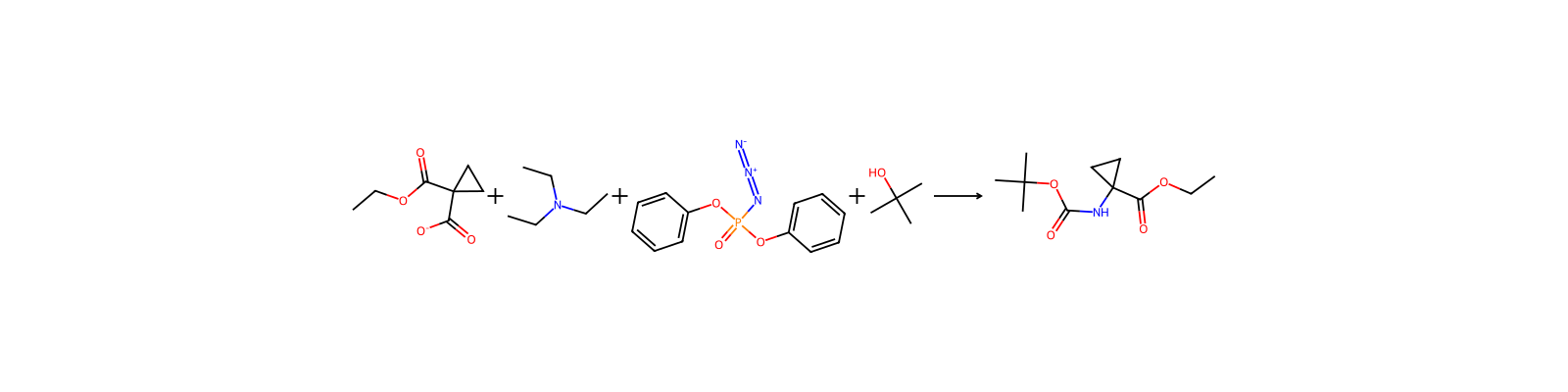
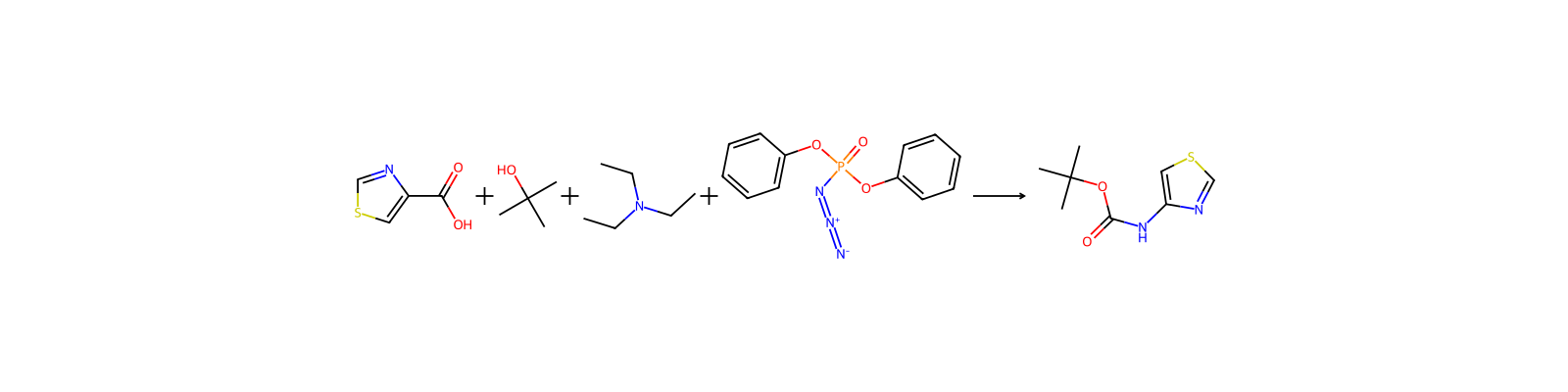
용도Diphenylphosphoryl azide (DPPA or diphenyl phosphorazidate, (PhO)2P(O)N3) is a very toxic and potentially explosive organic compound. DPPA has been found to be effective for a variety of organic reactions as a versatile synthetic reagent. It is widely used in synthesis of other organic compounds especially as a reagent for the synthesis of peptides by virtue of its reactions with carboxylic acids leading to either the urethane or the amide.
제조 방법
Diphenylphosphoryl azide (DPPA) is easily prepared in high yield by the reaction of the corresponding chloride with sodium azide in acetone. Combination of sodium azide and 18-crown-6 in the same reaction was reported, and the use of a quaternary ammonium salt as a phase-transfer catalyst in a biphasic phase of water and an organic solvent was also reported to be effective, as shown in Scheme 3.Diphenyl Phosphorazidate (DPPA) - More Than Three Decades LaterTakayuki ShioiriGraduate School of Environmental and Human Sciences, Meijo University
상·하류 제품 정보
상류 원료
하류 제품
관련 반응
271건


화합물 노트
불러오는 중…