홈MCP워크벤치Skills
홈워크벤치알림마이페이지
llms.txt · MCP 가이드개인정보처리방침 · 이용약관 · 지원v1.8.0
  1. 홈
  2. /화합물

트리부틸 보레이트

Tributyl borate
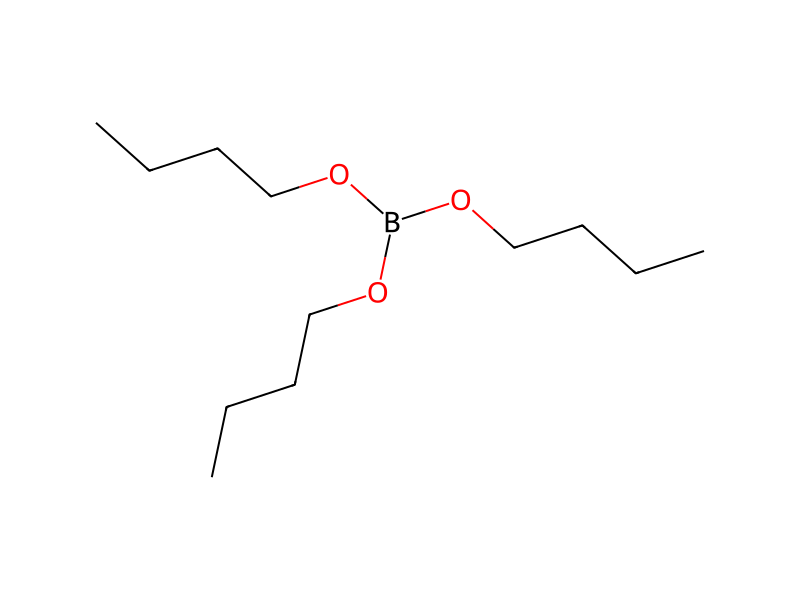
HCID 12712
새 노트새 반응견적 요청하기
인쇄 미리보기
기본 정보개요이름 및 식별자물성안전 및 규제화학 및 산업관련 반응화합물 노트
부분 구조 검색유사 구조 찾기

기본 정보

CAS
688-74-4
표준 SMILES
CCCCOB(OCCCC)OCCCC
InChIKey
LGQXXHMEBUOXRP-UHFFFAOYSA-N
분자식
C12H27BO3
평균 분자량
230.15 g/mol
단동위원소 질량
230.2053249

개요

Tributyl borate is a water-white liquid. (NTP, 1992)

이름 및 식별자

우선 이름
Tributyl borate
IUPAC
tributyl borate
현지명
트리부틸 보레이트
영어명
Tributyl borate
분자식
C12H27BO3
분자량
230.16

이름 및 동의어

TRIBUTYL BORATE688-74-4Tri-n-butyl borateTributoxyboranen-Butyl borateTributoxyboronButyl borateTri-n-butoxyboraneBoron tributoxideBorester 2Tris(butoxy)boraneBorane, tributoxy-
이름 더 보기
트리부틸보레이트트라이뷰틸 붕산n-ButoxideAI311060borester2AI3 11060AI3-11060(n-C4H9O)3BButy borate
Tributyl orthoborateButyl borate, tri-Boric acid, tributyl esterTributoxyborineBoric acid (H3BO3), tributyl esterBoric Acid Tributyl EsterButyl borate, (BuO)3BNSC 779

데이터베이스 식별자

CAS
688-74-4
PubChem CID
12712
DTXSID
DTXSID9026184
UNII
X3UQ8D0UED
EC Number
211-706-5
Nikkaji
J24.006K

물성

구조 계산 물성

극성 표면적
27.7 Ų
수소 결합 공여자 수
0
수소 결합 수용자 수
3
회전 가능 결합 수
12
무거운 원자 수
16
형식 전하
0
복잡도
110

실험 및 물리화학적 성질

Chemical ClassesMetals -> Metalloid Compounds (Boron)
OdorLike n-butanol
Density · 3건

0.8567 at 68 °F (NTP, 1992) - Less dense than water; will float

0.8567 g/cu cm at 20 °C

0.847 @ 20°C

Viscosity1.601 centipoise at 25 °C
Color/Form · 2건

Water-white liquid

Colorless, mobile, moisture sensitive liquid

Solubility · 3건

Decomposes (NTP, 1992)

Soluble in ethanol, benzene; very soluble in ethyl ether, methanol

Miscible with common organic liquids

Flash Point200 °F (open cup)
Boiling Point · 3건

446 to 448 °F at 760 mmHg (NTP, 1992)

234 °C

230 °C @760 [mm Hg]

DecompositionWhen heated to decomposition or on contact with acid or acid fumes it can emit toxic fumes.
Melting Point · 2건

less than -94 °F (NTP, 1992)

Freezing point below -70 °C

안전 및 규제

안전 정보는 참고용이며, 공급업체의 물질안전보건자료(SDS), 관련 법규 및 전문가 평가를 대체하지 않습니다.

GHS 분류

GHS Classification · 4건

Danger

H302 (92.2%): Harmful if swallowed [Warning Acute toxicity, oral]

P203, P261, P264, P264+P265, P270, P271, P280, P301+P317, P302+P352, P304+P340, P305+P351+P338, P305+P354+P338, P317, P318, P319, P321, P330, P332+P317, P337+P317, P362+P364, P403+P233, P405, and P501 (click each P-code to see the statement)

Aggregated GHS information provided per 629 reports by companies from 13 notifications to the ECHA C&L Inventory. Each notification may be associated with multiple companies.

유해성 정보

Regulatory Information · 4건

Chemical: Boric acid (H3BO3), tributyl ester

Boric acid (H3BO3), tributyl ester is listed on the EPA's Chemical Data Reporting (CDR) system. Manufacturers and importers of Boric acid (H3BO3), tributyl ester are required to report information about their production and use of this chemical to the EPA under the Toxic Substances Control Act (TSCA). (40 eCFR Part 711)

REACH registered substance: Tributyl borate (EC: 211-706-5)

Boric acid (H3BO3), tributyl ester: Does not have an individual approval but may be used as a component in a product covered by a group standard. It is not approved for use as a chemical in its own right.

DOT LabelCombustible Liquid
Fire HazardsExcerpt from ERG Guide 128 [Flammable Liquids (Water-Immiscible)]:
Fire PotentialCombustible
Health HazardsACUTE/CHRONIC HAZARDS: Toxic; may emit toxic fumes when heated to decomposition or on contact with acid or acid fumes, local irritant. (NTP, 1992)
Hazards Summary · 1건

An eye and respiratory tract irritant; Oral LD50 (mouse) =2150 mg/kg; Decomposes in the presence of water to boric acid and n-butanol; [HSDB] Decomposed quickly by water; [CAMEO] Hydrolyzed by water; An irritant; [MSDSonline] See Boric acid. See Triethyl borate.

화학 및 산업

용도 및 제조

Uses · 4건

Used in welding fluxes, flame retardants for textiles, and curing systems for metal coatings; [HSDB]

Welding [Category: Weld]

Welding fluxes, intermediate in preparation of borohydrides, flame retardant for textiles (with boric acid).

Provides a fast curing system suitable for metal coating.

U.S. Production2023: 75,000 - <500,000 lb
Industry UsesLubricating agent
Methods of Manufacturing · 2건

Reaction of n-butyl alcohol with boron trichloride

From butyl alcohol and boric acid.

General Manufacturing Information · 2건

Petroleum Lubricating Oil and Grease Manufacturing

Boric acid (H3BO3), tributyl ester: ACTIVE

응용 분야

용도Welding fluxes, intermediate in preparation of borohydrides, flame retardant for textiles (with boric acid).

상·하류 제품 정보

상류 원료

붕산n-부탄올

하류 제품

4-((N,N-Dimethylamino)methyl)phenylboronic acid pinacol ester hydrochlorideQuinoline-4-boronic acidBenzofuran-5-boronic acid

관련 반응

142건
반응 기록 만들기
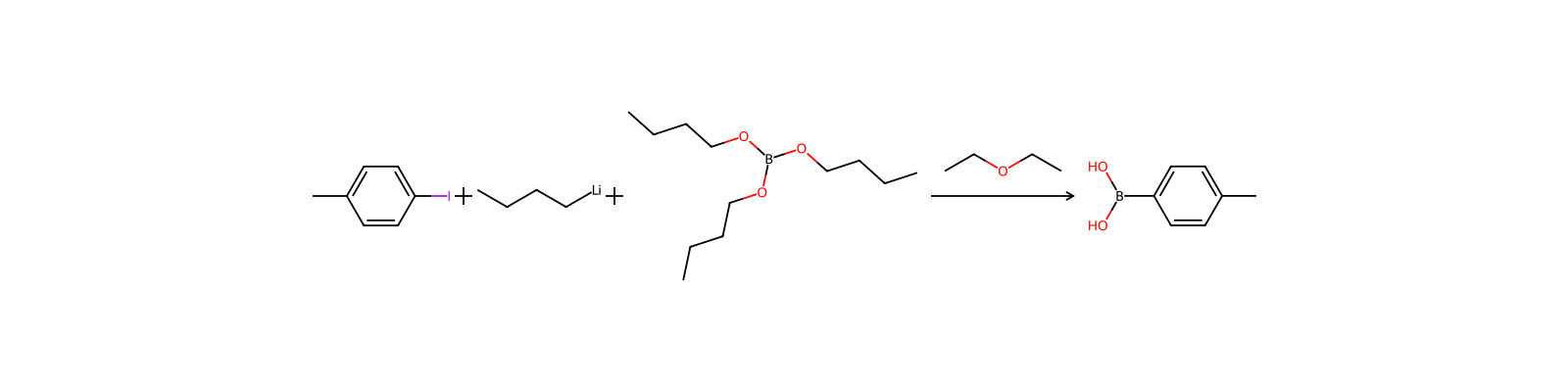
HRID 17165 반응식
HRID 17165반응물로uspto-grants-2010_06
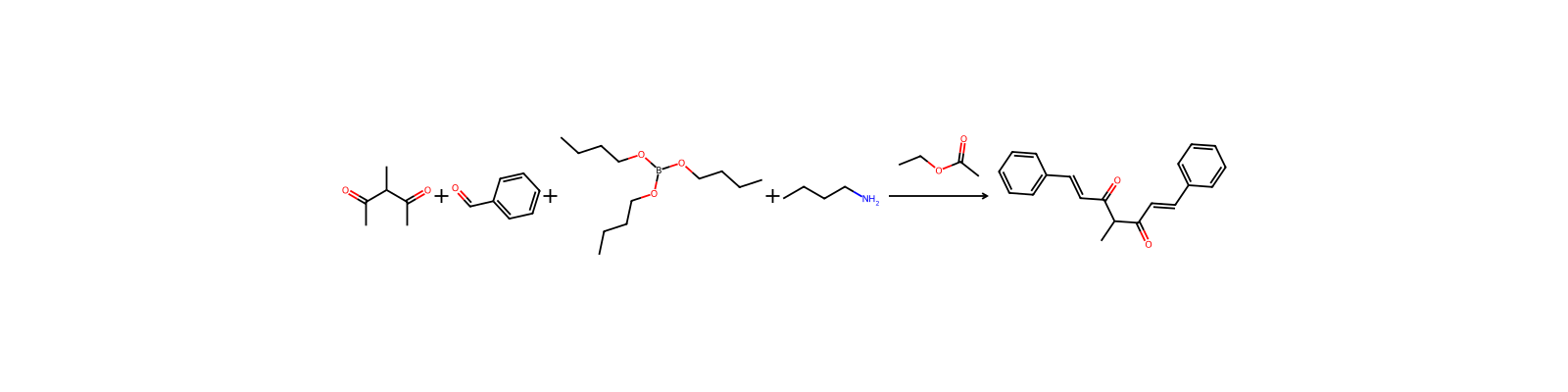
HRID 49420 반응식
HRID 49420반응물로uspto-grants-2004_03
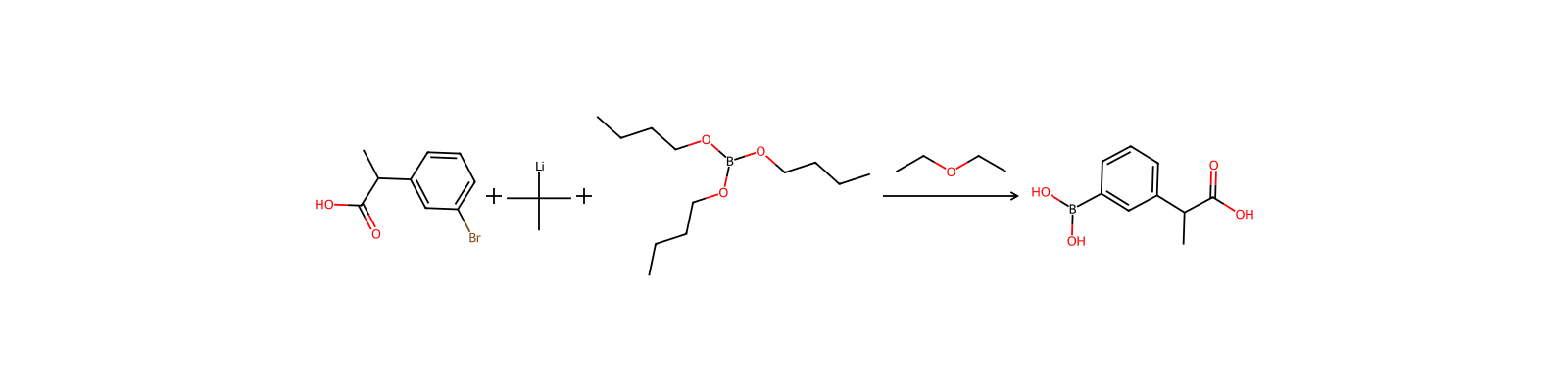
HRID 77635 반응식
HRID 77635반응물로uspto-grants-2014_09
HRID 77636 반응식
HRID 77636반응물로uspto-grants-2014_09
HRID 77639 반응식
HRID 77639반응물로uspto-grants-2014_09
HRID 175050 반응식
HRID 175050반응물로Training data from https://doi.org/10.1039/C8SC04228D (6/10)
HRID 187289 반응식
HRID 187289반응물로Training data from https://doi.org/10.1039/C8SC04228D (6/10)
HRID 216177 반응식
HRID 216177반응물로uspto-grants-2012_06
1 / 18 페이지

화합물 노트

불러오는 중…

이 페이지에서기본 정보개요이름 및 식별자물성안전 및 규제화학 및 산업관련 반응화합물 노트
더보기
새 노트새 반응견적 요청하기
Vapor Density · 2건

7.95 (NTP, 1992) - Heavier than air; will sink (Relative to Air)

7.94 (Air = 1)

Vapor Pressure · 2건

0.52 [mmHg]

0.526 mm Hg at 25 °C

물리화학적 성질

녹는점
-70 °C · -70 °C (lit.)
끓는 점
114 · 114-115 °C/12 mmHg (lit.) 230-235 °C (lit.)
밀도
0.853 g/mL · 0.853 g/mL at 25 °C (lit.)
증기 밀도
7.95 · 7.95 (vs air)
증기압
3.79 hPa · 3.79hPa at 25℃
굴절률
20 · n20/D 1.409(lit.)
인화점
200 °F · 200 °F
저장 조건
Inert atmosphere,Room Temperature
용해도
soluble in Methanol,Benzene,Ethanol
물리적 상태
액체
Specific Gravity
0.853 · 0.853
색상
무색의
수용성
물에서 분해되다
BRN
1703865 · 1703865
안정성
안정적이지만 수분, 물과 빠르게 반응합니다. 산화제와 격렬하게 반응함. 강산과 호환되지 않습니다.
InChI
1S/C12H27BO3/c1-4-7-10-14-13(15-11-8-5-2)16-12-9-6-3/h4-12H2,1-3H3
InChIKey
LGQXXHMEBUOXRP-UHFFFAOYSA-N
SMILES
CCCCOB(OCCCC)OCCCC
LogP
1 at · 1 at 25℃
NIST
Boric acid, tributyl ester(688-74-4)
EPA
Tributyl borate (688-74-4)

화학적 성질

Water-white liquid. Distillation range, 85% distills between 135C and 140C (40 mm Hg). Hydrolyzes rapidly; miscible with common organic liquids. Combustible.

Reactive GroupEsters, Sulfate Esters, Phosphate Esters, Thiophosphate Esters, and Borate Esters
Special ReportsUSEPA/OWRS; Quality Criteria for Water 1986 Boron (1986) EPA 440/5-86-001
Reactivity AlertsWater-Reactive
Reactivity Profile · 1건

Borates behave similarly to esters in that they react with acids to liberate heat along with alcohols and acids. Strong oxidizing acids may cause a vigorous reaction that is sufficiently exothermic to ignite the reaction products. Heat is also generated by the interaction of esters with caustic solutions. Flammable hydrogen is generated by mixing esters/borates with alkali metals and hydrides. Reacts vigorously with oxidizing materials. (NTP, 1992).

Air and Water ReactionsRapidly decomposes in water(NTP, 1992).
NFPA Hazard Classification · 3건

2 - Materials that, under emergency conditions, can cause temporary incapacitation or residual injury.

2 - Materials that must be moderately heated or exposed to relatively high ambient temperatures before ignition can occur. Materials would not under normal conditions form hazardous atmospheres with air, but under high ambient temperatures or under moderate heating could release vapor in sufficient quantities to produce hazardous atmospheres with air.

1 - Materials that in themselves are normally stable but that can become unstable at elevated temperatures and pressures.

안전 및 보호

Fire FightingExcerpt from ERG Guide 128 [Flammable Liquids (Water-Immiscible)]:
First Aid · 1건

EYES: First check the victim for contact lenses and remove if present. Flush victim's eyes with water or normal saline solution for 20 to 30 minutes while simultaneously calling a hospital or poison control center. Do not put any ointments, oils, or medication in the victim's eyes without specific instructions from a physician. IMMEDIATELY transport the victim after flushing eyes to a hospital even if no symptoms (such as redness or irritation) develop.

Fire Fighting ProceduresTo fight fire, use foam, CO2, dry chemical.
Nonfire Spill ResponseSTORAGE PRECAUTIONS: Store in a refrigerator and protect from moisture. Keep away from oxidizing materials. (NTP, 1992)
Disposal Methods · 1건

SRP: The most favorable course of action is to use an alternative chemical product with less inherent propensity for occupational exposure or environmental contamination. Recycle any unused portion of the material for its approved use or return it to the manufacturer or supplier. Ultimate disposal of the chemical must consider: the material's impact on air quality; potential migration in soil or water; effects on animal, aquatic, and plant life; and conformance with environmental and public health regulations.

Preventive Measures · 1건

SRP: The scientific literature for the use of contact lenses in industry is conflicting. The benefit or detrimental effects of wearing contact lenses depend not only upon the substance, but also on factors including the form of the substance, characteristics and duration of the exposure, the uses of other eye protection equipment, and the hygiene of the lenses. However, there may be individual substances whose irritating or corrosive properties are such that the wearing of contact lenses would be harmful to the eye. In those specific cases, contact lenses should not be worn. In any event, the usual eye protection equipment should be worn even when contact lenses are in place.

Isolation and EvacuationExcerpt from ERG Guide 128 [Flammable Liquids (Water-Immiscible)]:
Protective Action Criteria (PAC) · 3건

3.5 [mg/m3]

39 [mg/m3]

230 [mg/m3]

Personal Protective Equipment (PPE) · 1건

RECOMMENDED RESPIRATOR: Where the neat test chemical is weighed and diluted, wear a NIOSH-approved half face respirator equipped with an organic vapor/acid gas cartridge (specific for organic vapors, HCl, acid gas and SO2) with a dust/mist filter. (NTP, 1992)

Other Standards Regulations and Guidelines · 3건

1-5 mg/cu m (USSR) /Borates/

Limit for livestock is 5 ug/ml boron in water. /Boron/

0.5 mg/L maximum (USSR) /Boron in drinking water/

독성 정보

Environmental Fate · 3건

TERRESTRIAL FATE: Tributyl borate is rapidly hydrolyzed to boric acid and n-butanol in the presence of water(1,2). Hydrolysis would be expected to be the dominate fate process for tributyl borate in the environment(SRC).

AQUATIC FATE: Tributyl borate is rapidly hydrolyzed to boric acid and n-butanol in the presence of water(1,2). Hydrolysis would be expected to be the dominate fate process for tributyl borate in the environment(SRC).

ATMOSPHERIC FATE: According to a model of gas/particle partitioning of semivolatile organic compounds in the atmosphere(1), tributyl borate, which has a vapor pressure of 0.526 mm Hg at 25 °C(2), is expected to exist solely as a vapor in the ambient atmosphere. Tributyl borate is rapidly hydrolyzed to boric acid and n-butanol in the presence of water(3,4). Hydrolysis would be expected to be the dominate fate process for tributyl borate in the environment(SRC).

Medical SurveillanceNo specific considerations are needed for boric acid or borates except for general health and liver and kidney function. /Boric acid and borates/
Soil Adsorption/Mobility · 1건

Tributyl borate is rapidly hydrolyzed to boric acid and n-butanol in the presence of water(1,2). Hydrolysis would be expected to be the dominate fate process for tributyl borate in the environment(SRC). Adsorption to soil or suspended particles in water is not considered an important environmental fate for tributyl borate(SRC).

Natural Pollution SourcesBorates are found in ocean water, sedimentary rocks, coal, shale, and soils(1).
Artificial Pollution SourcesTributyl borate's production and use in welding flux, as a flame retardant for textiles, and its use in the preparation of borohydrides(1) may result in its release to the environment through various waste streams(SRC).
Environmental BiodegradationTributyl borate is rapidly hydrolyzed to boric acid and n-butanol in the presence of water(1,2). Biodegradation in not considered an important environmental fate for tributyl borate(SRC).
Environmental Bioconcentration · 1건

Tributyl borate is rapidly hydrolyzed to boric acid and n-butanol in the presence of water(1,2). Hydrolysis would be expected to be the dominate fate process for tributyl borate in the environment(SRC). Bioconcentration is not considered an important environmental fate for tributyl borate(SRC).

Volatilization from Water/Soil · 1건

Tributyl borate is rapidly hydrolyzed to boric acid and n-butanol in the presence of water(1,2). Hydrolysis would be expected to be the dominate fate process for tributyl borate in the environment(SRC). Volatilization from water or soil is not considered an important environmental fate for tributyl borate(SRC).

Environmental Abiotic DegradationTributyl borate is rapidly hydrolyzed to boric acid and n-butanol in the presence of water(1,2). Hydrolysis would be expected to be the dominate fate process for tributyl borate in the environment(SRC).
Probable Routes of Human Exposure · 1건

Occupational exposure to tributyl borate may occur through inhalation and dermal contact with this compound at workplaces where tributyl borate is produced or used. Exposure to the general population may occur via dermal contact with flame retardant textiles treated with tribultyl borate; however, this exposure could be compromised due to the rapid decomposition of tributyl borate upon contact with water. (SRC)

Environmental Fate/Exposure Summary · 1건

Tributyl borate's production and use in welding flux, as a flame retardant for textiles, and its use in the preparation of borohydrides may result in its release to the environment through various waste streams. If released to air, a vapor pressure of 0.526 mm Hg at 25 °C indicates tributyl borate will exist solely as a vapor in the ambient atmosphere. Tributyl borate is rapidly hydrolyzed to boric acid and n-butanol in the presence of water. Hydrolysis would be expected to be the dominate fate for tributyl borate in the environment. Tributyl borate is expected to have a very short existence in the environment. Occupational exposure to tributyl borate may occur through inhalation and dermal contact with this compound at workplaces where tributyl borate is produced or used. Exposure to the general population may occur via dermal contact with flame retardant textiles treated with tribultyl borate; however, this exposure could be compromised due to the rapid decomposition of tributyl borate upon contact with water. (SRC)

Antidote and Emergency Treatment · 5건

Maintain an open airway and assist ventilation if nescessary. treat coma, seizures, hypotension, and renal failure if they occur. There is no specific antidote. Administer activated charcoal (although boric acid is not well absorbed). Consider gastric lavage for large ingestions. /Boric acid, Borates, and Boron/

Hemodialysis is effective and is indicated after massive ingestions and for supportive care of renal failure. Peritoneal dialysishas not proved effective in enhancing elimination in infants. /Boric acid, Borates, and Boron/

In acute poisonings, if a large amount has been ingested and the patient is seen within one hour of exposure, gastrointestinal decontamination should be considered ... .It is important to keep in mind that vomiting and diarrhea are common, and severe poisoning may be associated with seizures. Therefore induction of emesis by syrup of ipecac is probably contraindicated in these exposures. Catharsis is not indicated if diarrhea is present. /Boric acid and Borates/

If ingestion of borate has been massive (several grams), or has extended over several days, administer intravenous glucose and electrolyte solutions to sustain urinary excretion of borate. Monitor fluid balance and serum electrolytes (including bicarbonate capacity ) regularly. Monitor cardiac status by ECG. Test the urine for proteins and cells to detect renal injury, and monitor serum concentration of borate. Metabolic acidosis may be treated with sodium bicarbonate. If shock develops, it may be necessary to infuse plasma or whole blood. Administer oxygen continuously. If oliguria (less than 25 to 30 mL urine per hour) occurs, intravenous fluids must be slowed or stopped to avoid overloading the circulation. Such patients should be referred to a center capable of providing intensive care for critically ill patients. /Boric acid and Borates/

For more Antidote and Emergency Treatment (Complete) data for TRIBUTYL BORATE (7 total), please visit the HSDB record page.

규제 정보

State Drinking Water Guidelines · 5건

(CA) CALIFORNIA 1000 ug/L /Boron/

(NH) NEW HAMPSHIRE 630 ug/L /Boron/

(ME) MAINE 1,400 ug/L /Boron/

(MN) MINNESOTA 1,000 ug/L /Boron/

(WI) WISCONSIN 960 ug/L /Boron/

Federal Drinking Water GuidelinesEPA 600 ug/L /Boron/

안전 데이터

wgk
3
tsca
TSCA listed
rtecs
ED4900000
ridadr
3272
HS 번호
29209090
risk_code
22-36/37/38-36/38
hazard_code
Xn,Xi
safety_code
26-36/37/39-37/39
포장분류
III
위험 등급
3
기존화학 물질
2002-3-2205
F 고인화성물질
21
Hazard Classifications
Eye Irrit. 2Skin Irrit. 2STOT SE 3
스토리지 클래스
10 - Combustible liquids
유해 물질 데이터
688-74-4(Hazardous Substances Data)
2-포르밀티오펜-3-보론산
2-Ethoxyphenylboronic acid
2-Aminoethoxydiphenyl borate
크루크민
3-Furanboronic acid
Indole-4-boronic acid
L-Selenomethionine
6-(2-Thienyl)-2-pyridinecarboxaldehyde
5-메틸푸란-2-보론산
4-Phenoxyphenylboronic acid
2,6-Dichlorophenylboronic acid
이소프로필붕산
2-Fluoropyridine-4-boronic acid