

기본 정보
- 표준 SMILES
O=C(O)CCCCCCCCCCC(=O)O- InChIKey
TVIDDXQYHWJXFK-UHFFFAOYSA-N- 분자식
- C12H22O4
- 평균 분자량
- 230.3 g/mol
- 단동위원소 질량
- 230.15180918
이름 및 식별자
- 우선 이름
- Dodecanedioic Acid
- IUPAC
- dodecanedioic acid
- 현지명
- 도데칸이산
- 영어명
- Dodecanedioic acid
- 분자식
- C12H22O4
- 분자량
- 230.3
이름 및 동의어
DODECANEDIOIC ACID693-23-21,12-Dodecanedioic acid1,10-Decanedicarboxylic acidDecamethylenedicarboxylic acid1,10-DicarboxydecaneDTXSID3027297978YU42Q6INSC-400242CHEBI:4676DTXCID607297dodecandioic acid
이름 더 보기
데카메틸렌디카본산1,10-데칸디카본사도데칸디오산도데칸이산도데칸디오산(DODECANDIOICACID)도데케인다이오익애씨드1,10-다이카복실데칸1,10-데칸다이카복실산n-도데칸디온산SL-AH데카메틸렌디카복실산도데칸다이오산DODECANEDDADDDADODECANEDIOICNylon powderTwelve alkyl acidDC12SL-AH
RefChem:7336211-746-3MFCD00002735n-Dodecanedioic acid1.10-DecanedicNSC400242Dodecanedioicacid53037-60-8
데이터베이스 식별자
- CAS
693-23-2- PubChem CID
- 12736
- DTXSID
DTXSID3027297- ChEMBL
CHEMBL3182356- ChEBI
CHEBI:4676- UNII
- 978YU42Q6I
- EC Number
- 211-746-3
- Nikkaji
- J43.533C
물성
구조 계산 물성
- XLogP
- 3.2
- 극성 표면적
- 74.6 Ų
- 수소 결합 공여자 수
- 2
- 수소 결합 수용자 수
- 4
- 회전 가능 결합 수
- 11
- 무거운 원자 수
- 16
- 형식 전하
- 0
- 복잡도
- 179
실험 및 물리화학적 성질
Solubility
SOL IN HOT TOLUENE, ALC, HOT ACETIC ACID; SLIGHTLY SOL IN HOT WATER
0.04 mg/mL
Melting Point
130-132 °C
127 - 129 °C
Physical Description
Liquid; Other Solid; Dry Powder; CBI
White solid; [Hawley]
Solid
물리화학적 성질
- 녹는점
- 127 · 127-129 °C (lit.)
- 끓는 점
- 245 °C/10 · 245 °C/10 mmHg (lit.)
- 밀도
- 1 · 1,15 g/cm3
- 증기압
- 21 mm · 21 mm Hg ( 222 °C)
- 굴절률
- 1.4437 · 1.4437 (estimate)
- 인화점
- 220 °C · 220 °C
- 저장 조건
- Sealed in dry,Room Temperature
- 용해도
- 0.1 g/mL, · 에탄올: 0.1 g/mL, 투명
- 물리적 상태
- 펠릿 또는 분말
- 산도 계수 (pKa)
- 4.48 · 4.48±0.10(Predicted)
- 색상
- 하얀색
- 수소이온지수(pH)
- 5 · 5 (H2O, 20℃)(aqueous suspension)
- 수용성
- 0.1 g/L · < 0.1g/L(20℃)
- BRN
- 1782580 · 1782580
- Henry's Law Constant
- 9.9 · 9.9×105 mol/(m3Pa) at 25℃, Ebert et al. (2023)
- 안정성
- 안정적인. 강한 산화제, 환원제와 호환되지 않습니다. 타기 쉬운.
- 화장품 원료 기능
- 피부 컨디셔닝
- InChI
- 1S/C12H22O4/c13-11(14)9-7-5-3-1-2-4-6-8-10-12(15)16/h1-10H2,(H,13,14)(H,15,16)
- InChIKey
- CXMXRPHRNRROMY-UHFFFAOYSA-N
- SMILES
- OC(=O)CCCCCCCCCCC(O)=O
- LogP
- 3.2 at · 3.2 at 25℃
- NIST
- Dodecanedioic acid(693-23-2)
- EPA
- Dodecanedioic acid (693-23-2)
화학적 성질
white crystalline powder
안전 및 규제
GHS 분류
GHS Classification
This chemical does not meet GHS hazard criteria for 2.7% (13 of 481) of reports.
Warning
H315 (10.2%): Causes skin irritation [Warning Skin corrosion/irritation];H319 (97.3%): Causes serious eye irritation [Warning Serious eye damage/eye irritation]
P264, P264+P265, P280, P302+P352, P305+P351+P338, P321, P332+P317, P337+P317, and P362+P364 (click each P-code to see the statement)
Aggregated GHS information provided per 481 reports by companies from 15 notifications to the ECHA C&L Inventory. Each notification may be associated with multiple companies.;Reported as not meeting GHS hazard criteria per 13 of 481 reports by companies.;There are 14 notifications provided by 468 of 481 reports by companies with hazard statement code(s).;Information may vary between notifications depending on impurities, additives, and other factors. The percentage value in parenthesis indicates the notified classification ratio from companies that provide hazard codes. Only hazard codes with percentage values above 10% are shown. For more detailed information, please visit ECHA C&L website.
유해성 정보
Regulatory Information
Chemical: Dodecanedioic acid
Dodecanedioic acid is listed on the EPA's Chemical Data Reporting (CDR) system. Manufacturers and importers of Dodecanedioic acid are required to report information about their production and use of this chemical to the EPA under the Toxic Substances Control Act (TSCA). (40 eCFR Part 711)
Status: Active Update: 15-06-2022 https://echa.europa.eu/registration-dossier/-/registered-dossier/14886
Dodecanedioic acid: Does not have an individual approval but may be used under an appropriate group standard
Other Safety InformationIMAP assessments - Dodecanedioic acid: Human health tier I assessment
Hazards SummaryAn eye irritant; [eChemPortal: SIDSUNEP] An irritant; [MSDSonline]
Hazard Classes and CategoriesSkin Irrit. 2 (10.2%);Eye Irrit. 2A (97.3%)
독성 정보
Interactions
AT 1.0 MMOL, DICARBOXYLIC ACIDS DECR THE NEUROMUSCULAR INHIBITION PRODUCED BY 10-6 MOL D-TUBOCURARINE IN ISOLATED PHRENIC NERVE HEMIDIAPHRAGM PREPN FROM RATS.
THE BETA-OXIDATION RATE OF DODECANEDIOIC ACID IN RAT LIVER HOMOGENATES WAS DETERMINED BY SIMULTANEOUS MEASUREMENTS OF THE C6-C12 DICARBOXYLIC ACID IN RELATION TO TIME IN ASSAYS INCUBATED WITH DODECANEDIOIC ACID. THE BETA-OXIDN RATE OF C8-C12-DICARBOXYLIC ACIDS WAS INCREASED MANY TIMES IN HOMOGENATES FROM CLOFIBRATE-TREATED RATS. 2.0 MMOL CYANIDE WAS UNABLE TO INHIBIT THE BETA-OXIDN RATE BUT CAUSED MINOR INCREASE IN THE RATE OF BETA-OXIDN IN HOMOGENATES FROM BOTH NORMAL & CLOFIBRATE-TREATED RATS. RESULTS STRONGLY INDICATE THE EXISTENCE OF A PEROXISOMAL BETA-OXIDN OF DICARBOXYLIC ACIDS.
Toxicity SummarySafe in the present practices of use and concentration. Ingredient, concentration, and use information are available in documents discoverable at https://cir-reports.cir-safety.org
Human Toxicity Excerpts
DODECANEDIOIC ACID WAS ADDED TO DISPERSED CULTURES. HUMAN EPIDERMAL CELLS & MELANOCYTES WERE EXAMINED BY ELECTRON MICROSCOPY AFTER 7, 10, 15, & 30 DAYS. APART FROM A STIMULATION OF MELANOGENESIS, DICARBOXYLIC ACIDS CAUSED NO DETECTABLE DAMAGE TO MELANOCYTES, NOR DID THEY PREVENT GROWTH OF A 2ND GENERATION OF CELLS.
Non-Human Toxicity Excerpts
THE SIGNIFICANCE OF THE LIPID METABOLIC SITUATION WAS INVESTIGATED IN WISTAR RATS (STARVED, UNSTARVED & DIABETIC KETOTIC) ADMIN DODECANEDIOIC ACID INTRAGASTRICALLY. STARVED AND DIABETIC KETOTIC RATS HAD LARGER EXCRETIONS OF ADIPIC ACID THAN UNSTARVED RATS. THE SUBERIC ACID EXCRETION DID NOT DIFFER SIGNIFICANTLY IN THE THREE GROUPS, BUT THE EXCRETION OF SEBACIC ACID WAS LOWER IN THE DIABETIC GROUP COMPARED WITH THE UNSTARVED AND STARVED RATS.
규제 정보
Regulatory Information
Chemical: Dodecanedioic acid
Dodecanedioic acid is listed on the EPA's Chemical Data Reporting (CDR) system. Manufacturers and importers of Dodecanedioic acid are required to report information about their production and use of this chemical to the EPA under the Toxic Substances Control Act (TSCA). (40 eCFR Part 711)
Status: Active Update: 15-06-2022 https://echa.europa.eu/registration-dossier/-/registered-dossier/14886
Dodecanedioic acid: Does not have an individual approval but may be used under an appropriate group standard
안전 데이터
- wgk
- -
- tsca
- TSCA listed
- HS 번호
- 29171990
- risk_code
- 36/37/38-36
- hazard_code
- Xi
- safety_code
- 26-36-24/25
- 기존화학 물질
- KE-09401
- Hazard Classifications
- Eye Irrit. 2
- 스토리지 클래스
- 11 - Combustible Solids
- 유해 물질 데이터
- 693-23-2(Hazardous Substances Data)
화학 및 산업
약리 정보
Cellular LocationsMembrane
용도 및 제조
Uses
CIR ingredient: Dodecanedioic Acid
Used as intermediate for plasticizers, lubricants, adhesives, polyesters, and others; [Hawley]
INTERMEDIATE
U.S. Production2023: 5,500,000 - <7,000,000 lb;2022: 10,000,000 - <50,000,000 lb;2021: 5,000,000 - <10,000,000 lb;2020: 1,000,000 - <2,500,000 lb
Consumer UsesAnti-freeze agent
Industry UsesIntermediate;Corrosion inhibitor;Not Known or Reasonably Ascertainable;Plasticizer;Monomers;Lubricating agent;Wetting agent (non-aqueous);Binder;Anti-freeze agent
General Manufacturing Information
Fabricated Metal Product Manufacturing;Plastics Material and Resin Manufacturing;Paint and Coating Manufacturing;Not Known or Reasonably Ascertainable;Adhesive Manufacturing;All Other Chemical Product and Preparation Manufacturing;Other (requires additional information);All Other Basic Organic Chemical Manufacturing;Petroleum Lubricating Oil and Grease Manufacturing;Plastics Product Manufacturing;Wholesale and Retail Trade
Dodecanedioic acid: ACTIVE
DIBASIC ACID ESTERS ARE BETTER COSMETIC MATERIALS THAN CONVENTIONALLY USED LANOLIN OR PETROLATUM IN TERMS OF ODOR, COLOR, STABILITY, AND HOMOGENEITY.
응용 분야
개요This acid is used in the production of nylon (nylon - 6,12), polyamides, coatings, adhesives, greases, polyesters, dyestuffs, detergents, flame retardants, and fragrances. It is now produced by fermentation of long-chain alkanes with a specific strain of Candida tropicalis. Its monounsaturated analogue (traumatic acid) is described below.
용도Induced mutation of dodecanedioic acid producing Candida tropicalis.
제조 방법
Dodecanedioic acid is prepared from cyc1ododecene (obtained from butadiene) by methods which are entirely analogous to those used to prepare adipic acid from benzene. The cyclododecene is reduced to cyclododecane, which is oxidized firstly to a mixture of cyc1ododecanol and cyclododecanone and then to dodecanedioic acid. Dodecanedioic acid is a colourless crystalline solid, m.p. 129°C.
상·하류 제품 정보
상류 원료
하류 제품
공급사50 곳
国药集团化学试剂有限公司86-21-63210123 · [email protected]
梯希爱(上海)化成工业发展有限公司021-67121386 · [email protected]
上海阿拉丁生化科技股份有限公司400-6206333 13167063860 · [email protected]
宜昌众意泰贸易有限公司0717-6449896 13886658719 · [email protected]
北京安司莫森技术有限公司010-82954736 13391601435 · [email protected]
韶远科技(上海)有限公司021-50795510 4000665055 · [email protected]
科瑞迪化学400-821-5857 021-64326257 · [email protected]
上海将来实业股份有限公司400-0066400 13621662912 · [email protected]
Syntechem Co.,Ltd[email protected]
上海迈瑞尔生化科技有限公司4006356688 18621169109 · [email protected]
阿法埃莎(中国)化学有限公司400-6106006 · [email protected]
安耐吉化学&3A(安徽泽升科技股份有限公司)400-0056266 · [email protected]
上海瀚鸿科技股份有限公司021-54306202 13764082696 · [email protected]
上海比阳实业有限公司+86-15021878111 · [email protected]
南京蓝白化工有限公司025-85499326 15366059326;13813836665 · [email protected]
Beckmann-Kenko GmbH+49 4241 9308 88 · [email protected]
山东西亚化学有限公司13355009207 13355009207 · [email protected]
玛雅试剂+86 (573) 82222445 (0)18006601000 452520369 · [email protected]
四川库利南科技有限公司400-1166-196 18981987031 · [email protected]
上海耐士化工科技有限公司400-188-0725 +86 21 34310725 13611771617
天津希恩思生化科技有限公司400 638 7771 · [email protected]
Connect Chemicals GmbH+49 2102 2077 19 · [email protected]
广州科瑞生物技术有限公司20-66003216 18666003216 · [email protected]
河南多贝化工有限公司0370-2785118 17550508557 · [email protected]
斯百全化学(上海)有限公司021-021-021-67601398-809-809-809 15221380277 · [email protected]
北京泰亚杰科技有限公司021-33690831-8001 13552411790;18616022633 · [email protected]
艾科试剂4008-755-333 18080918076 · [email protected]
上海思域化工科技有限公司86-21-34053660 · [email protected]
赛默飞世尔科技(中国)有限公司800-810-5118 · [email protected]
北京伊诺凯科技有限公司400-810-7969 010-59572699 · [email protected]
TCI AMERICA800-4238616 · [email protected]
TOKYO CHEMICAL INDUSTRY CO., LTD.03-36680489 · [email protected]
TCI Europe320-37350700 · [email protected]
上海贤鼎生物科技有限公司4009209199 · [email protected]
上海将来实业股份有限公司400-0066400 13621662912 · [email protected]
上海将来实业股份有限公司021-61552785 · [email protected]
安徽科迪达化工有限公司0554-2106669 · [email protected]
HBCChem, Inc.+1-510-219-6317 · [email protected]
成都零六生物科技有限公司400-1166-196 13458535857 · [email protected]
上海创赛科技有限公司400-6087598 15021221957 · [email protected]
上海麦克林生化科技股份有限公司15221275939 15221275939 · [email protected]
杭州杰恒化工有限公司0571-87396432 · [email protected]
上海嵩爰化工科技有限公司010-1234567 18521000990 · [email protected]
上海有朋化工有限公司021-69005955 13701776567 · [email protected]
北京海力扬化学科技有限公司13718199399 · [email protected]
北京欣赛维化学科技有限公司010-56218822 13717722232 · [email protected]
四川海诺威科技有限公司13708085536 13708085536 · [email protected]
江苏艾康生物医药研发有限公司025-66028182 17714375163 · [email protected]
上海凯赛化工有限公司021-33516722 13701817765 · [email protected]
上海彤源化工有限公司021-021-69182866 13701855675 · [email protected]
추가 설명
정의ChEBI: An alpha,omega-dicarboxylic acid that is dodecane in which the methyl groups have been oxidised to the corresponding carboxylic acids.
관련 반응
28건
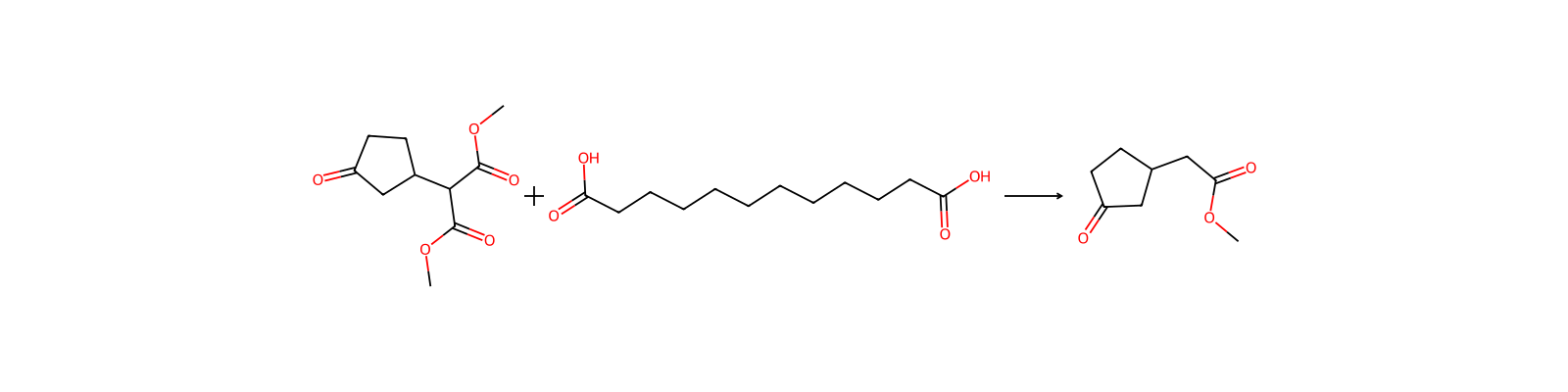


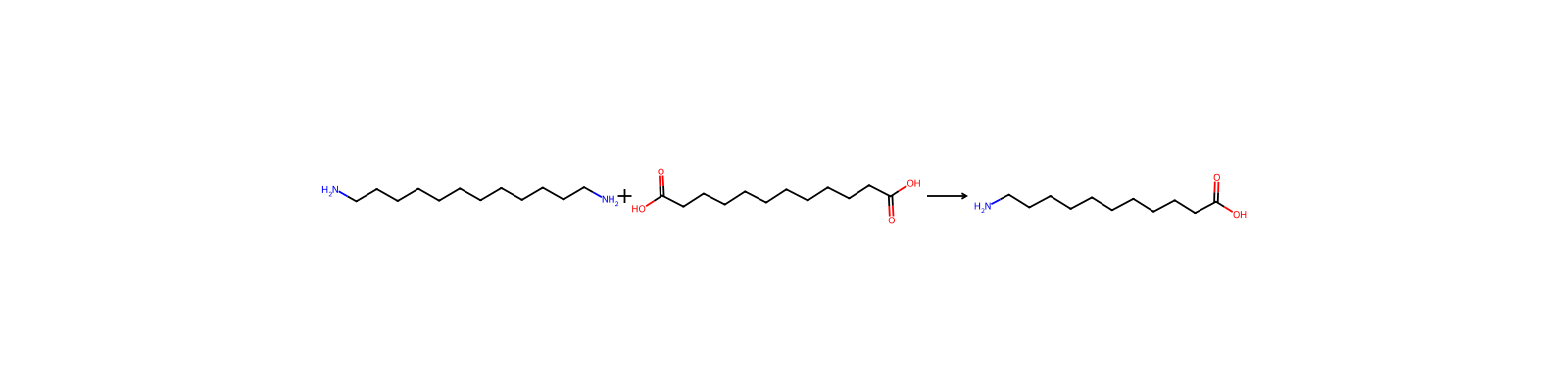

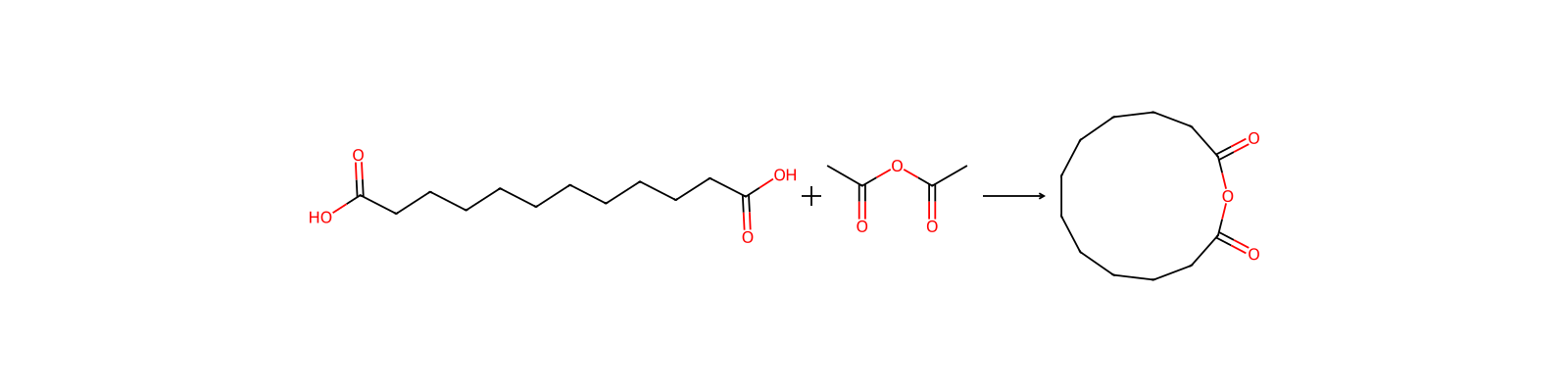
연결된 노트
불러오는 중…