기본 정보
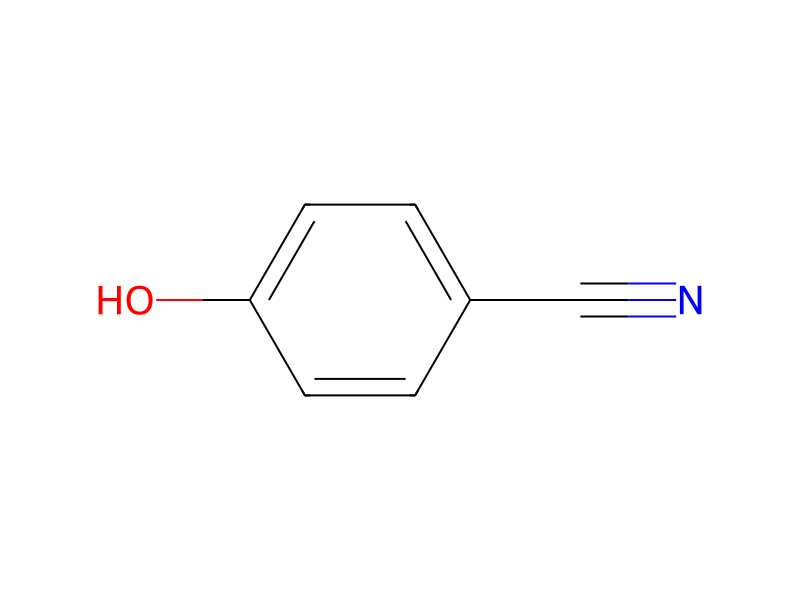
- 표준 SMILES
N#Cc1ccc(O)cc1- InChIKey
CVNOWLNNPYYEOH-UHFFFAOYSA-N- 분자식
- C7H5NO
- 평균 분자량
- 119.12 g/mol
- 단동위원소 질량
- 119.03711378
이름 및 식별자
- 우선 이름
- 4-Cyanophenol
- IUPAC
- 4-hydroxybenzonitrile
- 현지명
- 4-사이아노페놀
- 영어명
- 4-Cyanophenol
- 분자식
- C7H5NO
- 분자량
- 119.12
이름 및 동의어
4-Hydroxybenzonitrile4-Cyanophenol767-00-0p-HydroxybenzonitrileP-CYANOPHENOLBenzonitrile, 4-hydroxy-Benzonitrile, p-hydroxy-DTXSID90525094-hydroxycyanobenzene1S13529YJUNSC-400524DTXCID7031082
이름 더 보기
4-사이아노페놀하이드록시벤조타이트릴4-HYDROXYBENZOHYDRAZIDEHydroxybenzonitrilePARA-CYANOPHENOLPHBNP-nitrileAKOS 217-25AKOS B004225
CHEBI:38622RefChem:98654212-175-24-CYANO PHENOL4-Hydroxy benzonitrile4-hydroxy-benzonitrile4-Hydroxybenzoic acid nitrileMFCD00002312
데이터베이스 식별자
- CAS
767-00-0- PubChem CID
- 13019
- DTXSID
DTXSID9052509- ChEMBL
CHEMBL66381- ChEBI
CHEBI:38622- UNII
- 1S13529YJU
- EC Number
- 212-175-2
- Nikkaji
- J36.035J
물성
구조 계산 물성
- XLogP
- 1.6
- 극성 표면적
- 44 Ų
- 수소 결합 공여자 수
- 1
- 수소 결합 수용자 수
- 2
- 회전 가능 결합 수
- 0
- 무거운 원자 수
- 9
- 형식 전하
- 0
- 복잡도
- 127
실험 및 물리화학적 성질
Vapor Pressure0.00665 [mmHg]
Physical DescriptionMostly soluble in water (8.98 g/L at 25 deg C); [ChemIDplus] White crystalline chips; [MSDSonline]
Collision Cross Section118.1 Ų [M-H]- [CCS Type: DT; Buffer gas: N2; Ionization: ESI-; Dataset: TOXCAST; Source Identifier: DTXSID9052509]
물리화학적 성질
- 녹는점
- 110 · 110-113 °C(lit.)
- 끓는 점
- 146 °C · 146 °C / 2mmHg
- 밀도
- 1.1871 · 1.1871 (rough estimate)
- 굴절률
- 1.58 · 1.5800 (estimate)
- 저장 조건
- Inert atmosphere,Room Temperature
- 용해도
- 0.1 g/mL, · 메탄올: 0.1 g/mL, 투명
- 물리적 상태
- 결정성 분말
- 산도 계수 (pKa)
- 7.97 · 7.97(at 25℃)
- 색상
- 미색~베이지 그레이
- 수용성
- 약간 용해됨
- BRN
- 386130 · 386130
- Henry's Law Constant
- 1.4 · 1.4×104 mol/(m3Pa) at 25℃, Hilal et al. (2008)
- 안정성
- 안정적인. 강한 산화제와 호환되지 않습니다.
- InChI
- 1S/C7H5NO/c8-5-6-1-3-7(9)4-2-6/h1-4,9H
- InChIKey
- CVNOWLNNPYYEOH-UHFFFAOYSA-N
- SMILES
- Oc1ccc(cc1)C#N
- NIST
- 4 · 4-Hydroxybenzoic acid nitrile(767-00-0)
- EPA
- 4 · Benzonitrile, 4-hydroxy- (767-00-0)
화학적 성질
white crystalline powder or chips. 4-Hydroxybenzonitrile [767-00-0], 4-cyanophenol, 1-cyano-4-hydroxybenzene, Mr 119.2, forms colorless crystals of mp 113℃. 4-Hydroxybenzonitrile is produced by reaction of 4-bromophenol with copper (I) cyanide, by ammoxidation of p-cresol, by reaction of 4-chlorobenzonitrile with sodium methoxide, or by the catalyzed gas phase reaction of ethyl 4-hydroxybenzoate with ammonia. The nitrile is used for the production of the herbicides 3,5-dibromo- and 3,5-diiodo-4- hydroxybenzonitrile (Bromoxynil, Ioxynil, May & Baker).
안전 및 규제
GHS 분류
GHS Classification
Warning
H302 (96.8%): Harmful if swallowed [Warning Acute toxicity, oral];H315 (96.8%): Causes skin irritation [Warning Skin corrosion/irritation];H319 (96.8%): Causes serious eye irritation [Warning Serious eye damage/eye irritation];H335 (95.2%): May cause respiratory irritation [Warning Specific target organ toxicity, single exposure; Respiratory tract irritation]
P261, P264, P264+P265, P270, P271, P280, P301+P317, P302+P352, P304+P340, P305+P351+P338, P319, P321, P330, P332+P317, P337+P317, P362+P364, P403+P233, P405, and P501 (click each P-code to see the statement)
Aggregated GHS information provided per 62 reports by companies from 13 notifications to the ECHA C&L Inventory. Each notification may be associated with multiple companies.;Information may vary between notifications depending on impurities, additives, and other factors. The percentage value in parenthesis indicates the notified classification ratio from companies that provide hazard codes. Only hazard codes with percentage values above 10% are shown. For more detailed information, please visit ECHA C&L website.
유해성 정보
Regulatory Information
Chemical: Benzonitrile, 4-hydroxy-
Status: Active Update: 24-05-2019 https://echa.europa.eu/registration-dossier/-/registered-dossier/18169
4-Hydroxybenzonitrile: Does not have an individual approval but may be used under an appropriate group standard
Hazards SummaryA skin and eye irritant; [eChemPortal: ERMA] An irritant; [MSDSonline] See NITRILES.
Hazard Classes and CategoriesAcute Tox. 4 (96.8%);Skin Irrit. 2 (96.8%);Eye Irrit. 2 (96.8%);STOT SE 3 (95.2%)
규제 정보
Regulatory Information
Chemical: Benzonitrile, 4-hydroxy-
Status: Active Update: 24-05-2019 https://echa.europa.eu/registration-dossier/-/registered-dossier/18169
4-Hydroxybenzonitrile: Does not have an individual approval but may be used under an appropriate group standard
안전 데이터
- wgk
- 3
- tsca
- TSCA listed
- rtecs
- DI4375000
- HS 번호
- 29269095
- risk_code
- 22-36/37/38
- hazard_code
- Xn,Xi
- safety_code
- 26-36-45-24/25
- 기존화학 물질
- KE-20401
- 위험 참고 사항
- Irritant
- Hazard Classifications
- Eye Irrit. 2Skin Irrit. 2STOT SE 3
- 스토리지 클래스
- 11 - Combustible Solids
화학 및 산업
용도 및 제조
UsesUsed in the production of herbicides; [Ullmann]
General Manufacturing InformationBenzonitrile, 4-hydroxy-: ACTIVE
응용 분야
용도4-Cyanophenol is a precursor for the synthesis of a vasodilator, Levcromakalim. Bromination of 4-cyanophenol results in bromoxynil, a commercial herbicide. It can also be used as a component of deep eutectic solvent (DES) mixture.
제조 방법
4-Cyanophenol is produced by reaction of 4-bromophenol with copper (I) cyanide, by ammoxidation of p-cresol, by reaction of 4-chlorobenzonitrile with sodium methoxide, or by the catalyzed gas phase reaction of ethyl 4-hydroxybenzoate with ammonia.
상·하류 제품 정보
상류 원료
하류 제품
공급사50 곳
国药集团化学试剂有限公司86-21-63210123 · [email protected]
北京华美互利生物化工010-56205725 · [email protected]
梯希爱(上海)化成工业发展有限公司021-67121386 · [email protected]
衢州润东化工有限公司0570-8789886 18892685668 · [email protected]
上海阿拉丁生化科技股份有限公司400-6206333 13167063860 · [email protected]
INTATRADE GmbH+49 3493/605464 · [email protected]
韶远科技(上海)有限公司021-50795510 4000665055 · [email protected]
科瑞迪化学400-821-5857 021-64326257 · [email protected]
上海将来实业股份有限公司400-0066400 13621662912 · [email protected]
Syntechem Co.,Ltd[email protected]
Ark Pharm, Inc.847-367-3680 · [email protected]
上海迈瑞尔生化科技有限公司4006356688 18621169109 · [email protected]
阿法埃莎(中国)化学有限公司400-6106006 · [email protected]
太原市瑞和丰科贸有限公司+86 351 7031519 · [email protected]
安耐吉化学&3A(安徽泽升科技股份有限公司)400-0056266 · [email protected]
石家庄斯迪亚诺精细化工有限公司0311-89250318 13582355795 · [email protected]
武汉凯威斯科技有限公司86-027-67849912 · [email protected]
上海瀚鸿科技股份有限公司021-54306202 13764082696 · [email protected]
上海景颜化工科技有限公司13817811078 · [email protected]
Pure Chemistry Scientific Inc.001-857-928-2050 or 1-888-588-9418 · [email protected]
武汉丰泰威远科技有限公司027-87465837 19945049750 · [email protected]
孝感深远化工有限公司15527621225; 15527621225 · [email protected]
苏州施亚生物科技有限公司86(512)5235 8471 17715136450 · [email protected]
山东西亚化学有限公司13355009207 13355009207 · [email protected]
玛雅试剂+86 (573) 82222445 (0)18006601000 452520369 · [email protected]
四川库利南科技有限公司400-1166-196 18981987031 · [email protected]
上海耐士化工科技有限公司400-188-0725 +86 21 34310725 13611771617
天津希恩思生化科技有限公司400 638 7771 · [email protected]
南京维奥化工有限公司Please Send Email 18652950785 · [email protected]
斯百全化学(上海)有限公司021-021-021-67601398-809-809-809 15221380277 · [email protected]
北京泰亚杰科技有限公司021-33690831-8001 13552411790;18616022633 · [email protected]
艾科试剂4008-755-333 18080918076 · [email protected]
上海思域化工科技有限公司86-21-34053660 · [email protected]
武汉泰凯塞科技有限公司027-86697669 13986148687 · [email protected]
赛默飞世尔科技(中国)有限公司800-810-5118 · [email protected]
北京伊诺凯科技有限公司400-810-7969 010-59572699 · [email protected]
上海特伯化学科技有限公司+86-21-60341587 · [email protected]
上海健超生物科技有限公司150-2103-5486 18017383231 · [email protected]
TCI AMERICA800-4238616 · [email protected]
TOKYO CHEMICAL INDUSTRY CO., LTD.03-36680489 · [email protected]
TCI Europe320-37350700 · [email protected]
上海贤鼎生物科技有限公司4009209199 · [email protected]
深圳振强药物研发有限公司0755-66853366 13670046396 · [email protected]
深圳康特腾科技有限公司86-0755-86635001 · [email protected]
越林试剂021-62960152 · [email protected]
苏州安尼康药物研发有限公司0512-69369885 · [email protected]
上海洪创医药科技有限公司18151128828 · [email protected]
北京环宇世纪化学科技有限公司hysj_bj.com
苏州丽品化学有限公司0512-0512-67509664 19888480046
上海湄水化工科技有限公司021-60549325 18616193163
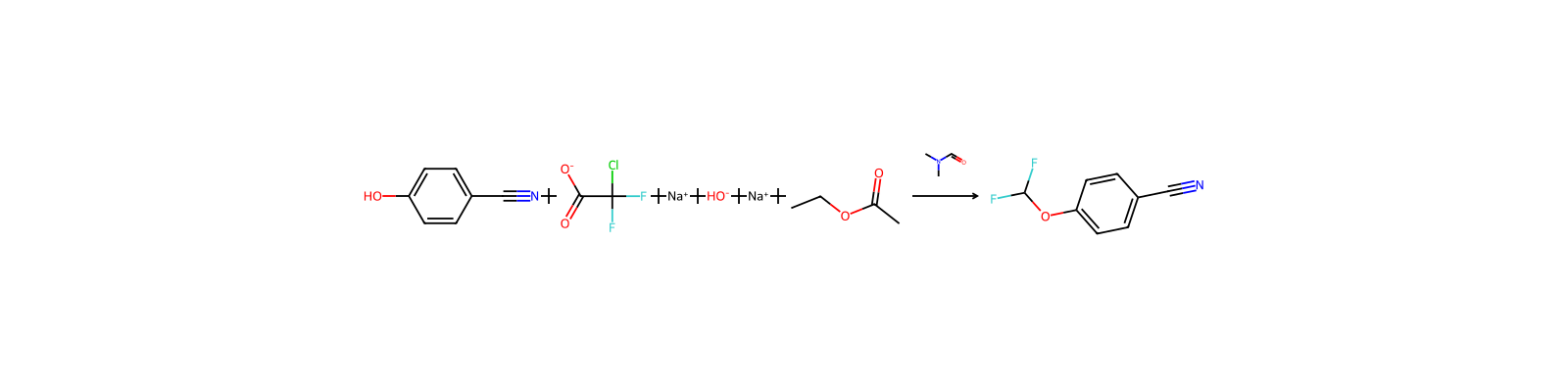
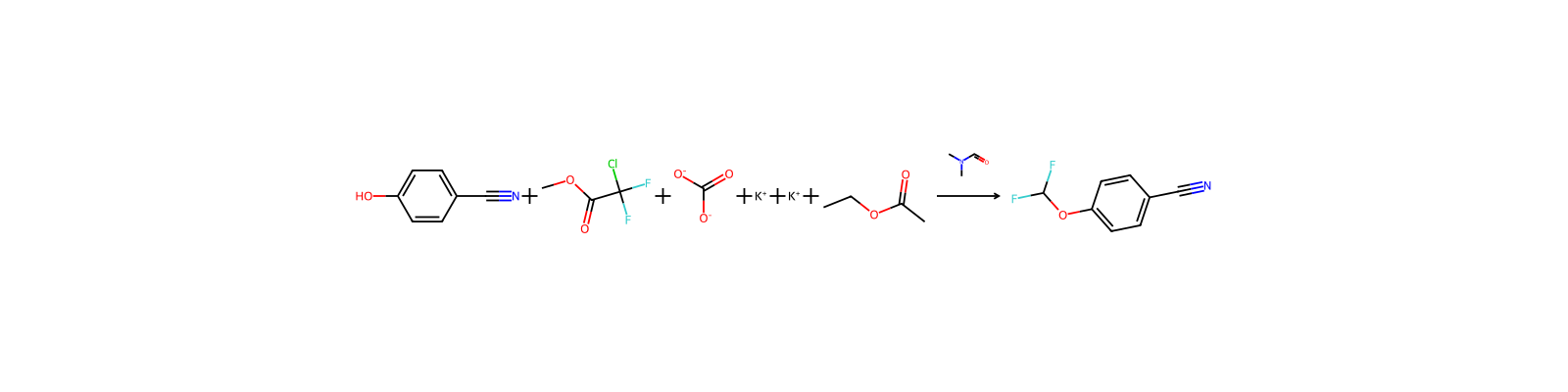
관련 반응
516건






연결된 노트
불러오는 중…