
HRID 88142반응물로

826-81-3Cc1ccc2cccc(O)c2n1NBYLBWHHTUWMER-UHFFFAOYSA-N2-Methylquinolin-8-ol is a hydroxyquinoline.
826-81-3DTXSID3061184CHEMBL316892CHEBI:180510안전 정보는 참고용이며, 공급업체의 물질안전보건자료(SDS), 관련 법규 및 전문가 평가를 대체하지 않습니다.
Warning
H317 (56.2%): May cause an allergic skin reaction [Warning Sensitization, Skin]
P261, P272, P273, P280, P302+P352, P321, P333+P317, P362+P364, P391, and P501 (click each P-code to see the statement)
Aggregated GHS information provided per 185 reports by companies from 11 notifications to the ECHA C&L Inventory. Each notification may be associated with multiple companies.
REACH registered substance: 2-methylquinolin-8-ol (EC: 212-562-6)
2-Methyl-8-quinolinol: Does not have an individual approval but may be used under an appropriate group standard
0.99 [mg/m3]
11 [mg/m3]
66 [mg/m3]
용도8-Hydroxyquinaldine is mainly used as metal ion extractant and metal ion determination, also used in the synthesis of dyes and pigments and the preparation of pharmaceutical intermediates.
일반 설명2-Methyl-8-quinolinol is a methyl substituted quinolinol derivative that shows fungicidal property. It can also undergo complexation with transition metal complexes.
8-hydroxyquinaldine is obtained from the reaction of 2-aminophenol with crotonaldehyde. Mix 2-aminophenol and 2-Nitrophenol homogeneously and add hydrochloric acid. Add crotonaldehyde under stirring. Heat for 6h and leave overnight. Distill the reacted o-nitrophenol by water distillation, and add sodium hydroxide solution to the residual solution to make it weakly basic. Then add powdered carbonyls for saturation, and distill 8-Hydroxyquinaldine by water distillation, and then distill the crude product under reduced pressure and recrystallize it with ethanol to obtain 8-hydroxyquinaldine.


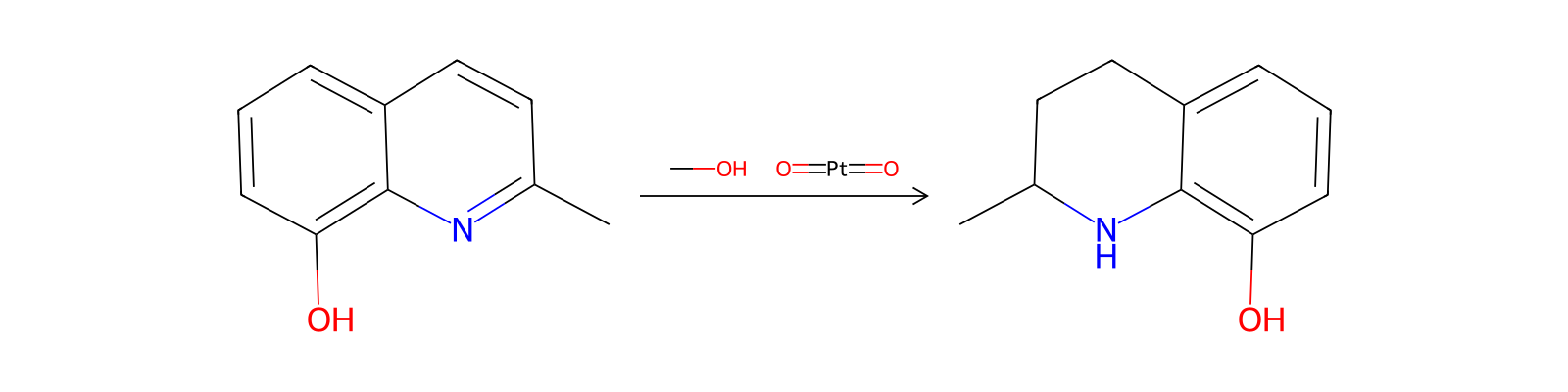
beige to brown crystalline powder. Soluble in hot alcohol, ether and benzene, insoluble in water. Can volatilize with water vapor and sublimate at 100℃. With phenol odor.