4-나이트로디페닐아민
4-Nitrodiphenylamine
HCID 13271
데이터를 보충하는 중입니다. 잠시 후 페이지를 새로 고치면 최신 내용을 볼 수 있습니다

기본 정보
- CAS
836-30-6- 표준 SMILES
O=[N+]([O-])c1ccc(Nc2ccccc2)cc1- InChIKey
XXYMSQQCBUKFHE-UHFFFAOYSA-N- 분자식
- C12H10N2O2
- 평균 분자량
- 214.22 g/mol
- 단동위원소 질량
- 214.07422756
이름 및 식별자
- 우선 이름
- 4-Nitrodiphenylamine
- IUPAC
- 4-nitro-N-phenylaniline
- 현지명
- 4-나이트로디페닐아민
- 영어명
- 4-Nitrodiphenylamine
- 분자식
- C12H10N2O2
- 분자량
- 214.22
이름 및 동의어
4-NITRODIPHENYLAMINE836-30-64-Nitro-N-phenylanilinep-Nitrodiphenylamine(4-nitrophenyl)phenylamineBenzenamine, 4-nitro-N-phenyl-Diphenylamine, 4-nitro-p-Nitrophenylphenylamine4-Nitrodifenylamin4-NdpaN-(4-Nitrophenyl)benzenamineAmine, diphenyl, 4-nitro-
이름 더 보기
4-나이트로디페닐아민4-나이트로다이페닐아민4NDPAp-나이트로페닐아민벤젠아민, 4-나이트로-N-페닐NSC 33836TIMTEC-BB SBB0080554-nitro-diphenylaminGlycerol Impurity 77diphenyl,4-nitro-aminLABOTEST-BB LT01487848
4-Nitro-diphenylamineMFCD000073014-nitro-N-phenyl-anilineEINECS 212-646-2BRN 2051910MLS000584664DTXSID8027323AI3-02915
데이터베이스 식별자
- CAS
836-30-6- PubChem CID
- 13271
- DTXSID
DTXSID8027323- ChEMBL
CHEMBL1323785- UNII
- 5ZOC179N5D
- EC Number
- 212-646-2
- Nikkaji
- J38.267A
물성
구조 계산 물성보충 중
- XLogP
- 3.7
- 극성 표면적
- 57.9 Ų
- 수소 결합 공여자 수
- 1
- 수소 결합 수용자 수
- 3
- 회전 가능 결합 수
- 2
- 무거운 원자 수
- 16
- 형식 전하
- 0
- 복잡도
- 226
실험 및 물리화학적 성질
Chemical ClassesNitrogen Compounds -> Other Aromatics (Nitrogen)
SpringerMaterials PropertiesBoiling point
LogP
3.82
3.74
Color/FormYELLOW NEEDLES OR TABLETS FROM CARBON TETRACHLORIDE
Solubility
INSOL IN WATER; VERY SOL IN ALCOHOL, ACETIC ACID
SOL IN CONCN SULFURIC ACID
Solubility in water: none
Flash Point
190 °C
190 °C o.c.
Boiling Point
211 °C AT 30 MM HG
343 °C
Melting Point
133.5 °C
132-135 °C
Vapor Pressure
0.0000166 [mmHg]
Vapor pressure at 25 °C: negligible
Physical Description
Yellow solid; [ICSC] Darkens upon exposure to light; [CHEMINFO] Yellow crystalline powder; [Alfa Aesar MSDS]
안전 및 규제
안전 정보는 참고용이며, 공급업체의 물질안전보건자료(SDS), 관련 법규 및 전문가 평가를 대체하지 않습니다.
GHS 분류
GHS Classification
This chemical does not meet GHS hazard criteria for 3.6% (3 of 83) of reports.
Warning
H315 (91.6%): Causes skin irritation [Warning Skin corrosion/irritation]
P261, P264, P264+P265, P271, P273, P280, P302+P352, P304+P340, P305+P351+P338, P319, P321, P332+P317, P337+P317, P362+P364, P391, P403+P233, P405, and P501 (click each P-code to see the statement)
Aggregated GHS information provided per 83 reports by companies from 5 notifications to the ECHA C&L Inventory. Each notification may be associated with multiple companies.
Danger
유해성 정보
Regulatory InformationChemical: Benzenamine, 4-nitro-N-phenyl-
Fire HazardsCombustible. Gives off irritating or toxic fumes (or gases) in a fire.
Hazards SummaryCan induce methemoglobinemia; [ICSC] Emergency treatment: Methemoglobinemia; [HSDB] An irritant; [Alfa Aesar MSDS]
UN ClassificationUN Hazard Class: 4.1; UN Pack Group: III
Chemical DangersDecomposes on heating and on burning. This produces toxic fumes of nitrogen oxides. Reacts with strong oxidants.
Hazard Classes and Categories
Skin Irrit. 2 (91.6%)
Specific target organ toxicity - Repeated exposure - Category 1 (blood system), Category 2 (kidney)
안전 및 보호
Fire FightingUse water spray, powder, foam, carbon dioxide.
화학 및 산업
용도 및 제조
UsesUsed as a chemical intermediate; [OECD SIDS: Benzenamine, 4-nitro-N-phenyl - 1998]
General Manufacturing InformationBenzenamine, 4-nitro-N-phenyl-: ACTIVE
응용 분야
용도4-Nitrodiphenylamine was used to study reduction of nitrated diphenylamine derivatives in sediment water batch enrichments and dense cell suspensions of anaerobic, aromatic-compound-mineralizing pure bacterial cultures.
일반 설명4-Nitrodiphenylamine undergoes heterogeneous catalytic transfer hydrogenation to form p-phenylenediamines. 4-Nitrodiphenylamine is used as stabilizer for propellants and explosives.
상·하류 제품 정보
상류 원료
하류 제품
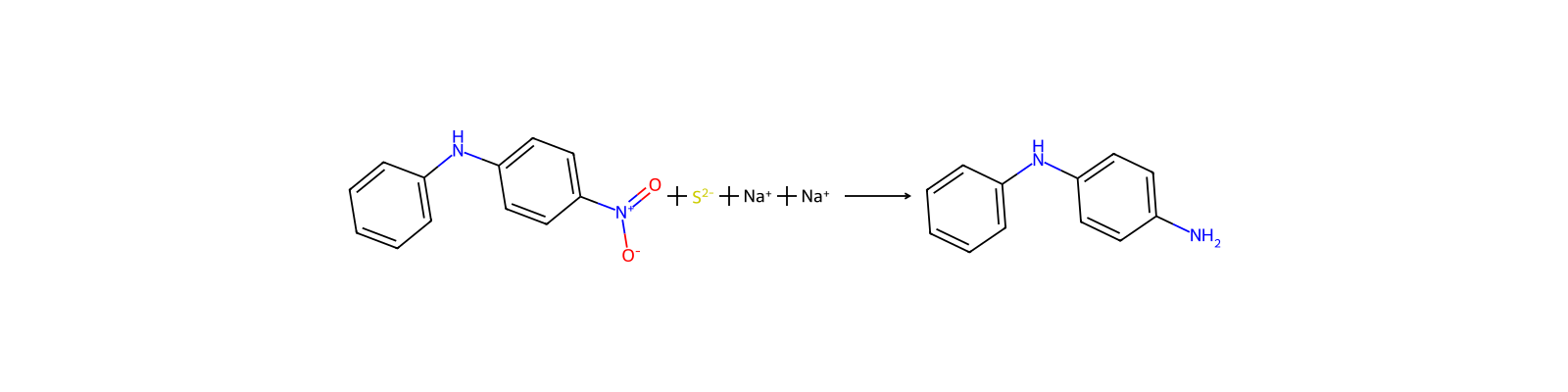
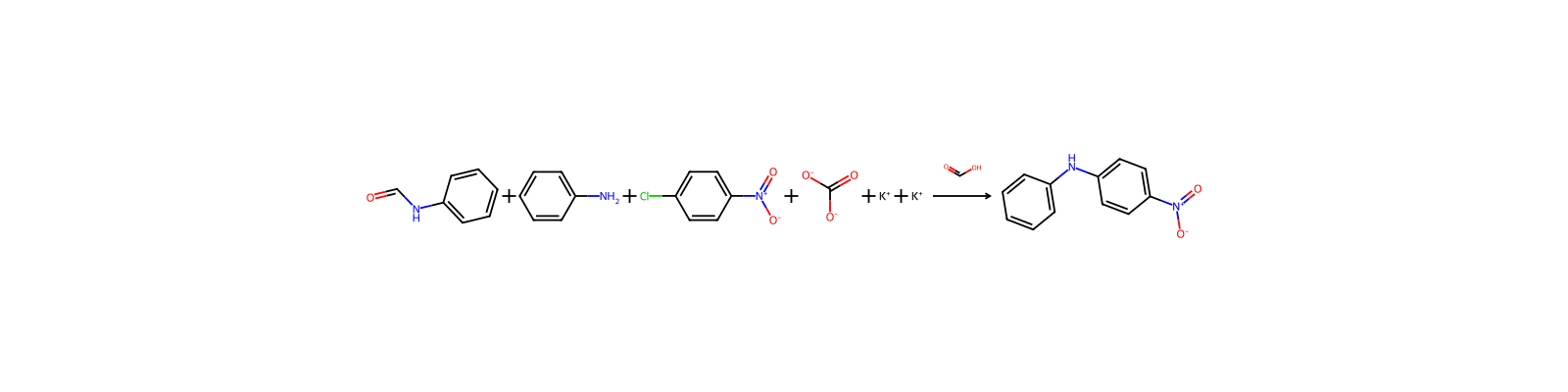
관련 반응
46건