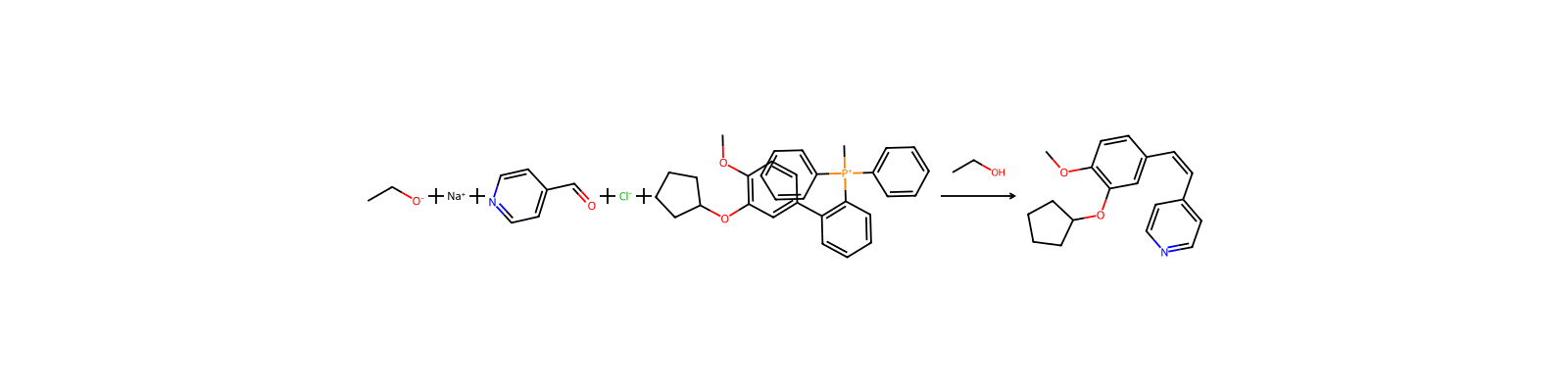
이소니코틴알데하이드
4-Pyridinecarboxaldehyde
데이터를 보충하는 중입니다. 잠시 후 페이지를 새로 고치면 최신 내용을 볼 수 있습니다
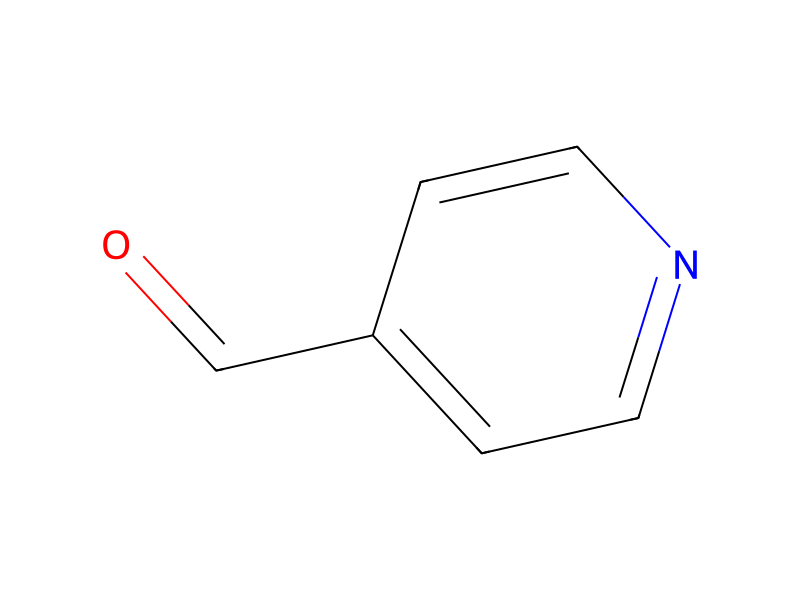
기본 정보
- CAS
872-85-5- 표준 SMILES
O=Cc1ccncc1- InChIKey
BGUWFUQJCDRPTL-UHFFFAOYSA-N- 분자식
- C6.H5.N.O
- 평균 분자량
- 107.11 g/mol
- 단동위원소 질량
- 107.03711378
이름 및 식별자
- 우선 이름
- 4-Pyridinecarboxaldehyde
- IUPAC
- pyridine-4-carbaldehyde
- 현지명
- 이소니코틴알데하이드
- 영어명
- 4-Pyridinecarboxaldehyde
- 분자식
- C6H5NO
- 분자량
- 107.11
이름 및 동의어
4-PyridinecarboxaldehydeIsonicotinaldehydePyridine-4-carbaldehyde4-FORMYLPYRIDINEIsonicotinic aldehyde4-Pyridinealdehydep-Pyridinealdehydep-Formylpyridine4-Pyridylaldehyde4-PyridinecarbaldehydeNSC 8953Pyridine-4-aldehyde
이름 더 보기
이소니코틴알데하이드PYRIDINE-4-CARBOXALDEHYDEISONICOTINEALDEHYDE4-pyrdine aldehydePyridine-4-aldehylde
EINECS 212-832-3AI3-33232NSC-8953EC 212-832-3pyridin-4-ylcarboxaldehydeDTXSID1061237P5775574924formylpyridine
데이터베이스 식별자
- CAS
872-85-5- PubChem CID
- 13389
- DTXSID
DTXSID1061237- ChEMBL
CHEMBL2251606- UNII
- P577557492
- EC Number
- 212-832-3
- Nikkaji
- J28.013E
물성
구조 계산 물성보충 중
- XLogP
- 0.4
- 극성 표면적
- 30 Ų
- 수소 결합 공여자 수
- 0
- 수소 결합 수용자 수
- 2
- 회전 가능 결합 수
- 1
- 무거운 원자 수
- 8
- 형식 전하
- 0
- 복잡도
- 76.6
실험 및 물리화학적 성질
Chemical ClassesNitrogen Compounds -> Pyridines
SpringerMaterials PropertiesCoriolis coupling
LogP0.23
Density1.137 @25 °C
Vapor Pressure0.56 [mmHg]
Physical DescriptionYellow liquid; [Alfa Aesar MSDS]
물리화학적 성질
- 녹는점
- -4 · -4--2°C
- 끓는 점
- 71 · 71-73 °C/10 mmHg (lit.)
- 밀도
- 1.137 g/mL · 1.137 g/mL at 20 °C (lit.)
- 증기압
- 0.02 hPa · 0.02 hPa (20 °C)
- 굴절률
- 20 · n20/D 1.544(lit.)
- 인화점
- 130 °F · 130 °F
- 저장 조건
- 2 °C · Store at +2°C to +8°C.
- 용해도
- 20 g/L · 20g/L
- 산도 계수 (pKa)
- 12.05 · 12.05(at 30℃)
안전 및 규제
안전 정보는 참고용이며, 공급업체의 물질안전보건자료(SDS), 관련 법규 및 전문가 평가를 대체하지 않습니다.
GHS 분류
GHS Classification
Danger
H314 (11.1%): Causes severe skin burns and eye damage [Danger Skin corrosion/irritation]
P260, P261, P264, P264+P265, P271, P272, P280, P301+P330+P331, P302+P352, P302+P361+P354, P304+P340, P305+P351+P338, P305+P354+P338, P316, P319, P321, P332+P317, P333+P317, P337+P317, P362+P364, P363, P403+P233, P405, and P501 (click each P-code to see the statement)
Aggregated GHS information provided per 54 reports by companies from 12 notifications to the ECHA C&L Inventory. Each notification may be associated with multiple companies.
유해성 정보
Regulatory Information
REACH registered substance: Isonicotinaldehyde (EC: 212-832-3)
Isonicotinaldehyde: Does not have an individual approval but may be used under an appropriate group standard
Hazards SummaryA skin and strong eye irritant; May cause skin sensitization; [Alfa Aesar MSDS] See Pyridine-2-carbaldehyde. Search for (872-85-5[EC/RN Number]) AND (allergic OR dermatitis OR sensitizer OR sensitization): no results; [PubMed]
Hazard Classes and CategoriesSkin Corr. 1B (11.1%)
안전 및 보호
Protective Action Criteria (PAC)
7.1 [mg/m3]
78 [mg/m3]
470 [mg/m3]
안전 데이터
- wgk
- 1
- tsca
- TSCA listed
- rtecs
- NR9400000
- ridadr
- UN 1989
화학 및 산업
용도 및 제조
General Manufacturing Information4-Pyridinecarboxaldehyde: ACTIVE
응용 분야
용도4-Pyridinecarboxaldehyde, is an heterocyclic building block used for the synthesis of various pharmaceutical compounds, such as new 1,4-dihydropyridin-4-yl-phenoxyacetohydrazones, having anticonvulsant and anti-inflammatory properties.
제조 방법
4-Pyridinecarbaldehyde is synthesized by oxidation of 4-picoline. The mixed gas of 4-picoline and air is passed through the vanadium-molybdenum catalyst layer heated to 400°C, and oxidized to generate 4-pyridinecarbaldehyde.
상·하류 제품 정보
하류 제품
관련 반응
602건




화합물 노트
불러오는 중…