4-아세틸피리딘
4-Acetylpyridine
데이터를 보충하는 중입니다. 잠시 후 페이지를 새로 고치면 최신 내용을 볼 수 있습니다

기본 정보
- CAS
1122-54-9- 표준 SMILES
CC(=O)c1ccncc1- InChIKey
WMQUKDQWMMOHSA-UHFFFAOYSA-N- 분자식
- C7H7NO
- 평균 분자량
- 121.14 g/mol
- 단동위원소 질량
- 121.05276385
개요
4-acetylpyridine is a dark amber liquid. (NTP, 1992)
이름 및 식별자
- 우선 이름
- 4-Acetylpyridine
- IUPAC
- 1-pyridin-4-ylethanone
- 현지명
- 4-아세틸피리딘
- 영어명
- 4-Acetylpyridine
- 분자식
- C7H7NO
- 분자량
- 121.14
이름 및 동의어
4-Acetylpyridine1122-54-91-pyridin-4-ylethanoneMethyl 4-pyridyl ketoneEthanone, 1-(4-pyridinyl)-Pyridine, 4-acetyl-Ketone, methyl 4-pyridyl4-Pyridyl methyl ketone1-(4-PYRIDINYL)ETHANONENSC-111G47437IOW7DTXSID0022147
이름 더 보기
4-아세틸피리딘1-pyridin-4-yl-ethanoneNSC 1114-Acetylpyridi4-acetyl-pyridin4-Acttylpyridine4-acetyl pyrdineAKOS BBS-00003233Acetylpyridine,4-
RefChem:517351DTXCID402147214-350-91-(pyridin-4-yl)ethan-1-one4-Acetyl pyridine1-(4-pyridyl)ethanone1-(pyridin-4-yl)ethanoneMFCD00006433
데이터베이스 식별자
- CAS
1122-54-9- PubChem CID
- 14282
- DTXSID
DTXSID0022147- ChEMBL
CHEMBL445953- UNII
- G47437IOW7
- EC Number
- 214-350-9
- Nikkaji
- J41.571E
물성
구조 계산 물성보충 중
- XLogP
- 0.5
- 극성 표면적
- 30 Ų
- 수소 결합 공여자 수
- 0
- 수소 결합 수용자 수
- 2
- 회전 가능 결합 수
- 1
- 무거운 원자 수
- 9
- 형식 전하
- 0
- 복잡도
- 105
실험 및 물리화학적 성질
SpringerMaterials Properties15N nuclear magnetic resonance spectrum
LogP0.4
Density1.111 at 74.1 °F (NTP, 1992) - Denser than water; will sink
Flavoring AgentsEU Flavoring substances
Solubilitygreater than or equal to 100 mg/mL at 66 °F (NTP, 1992)
Flash Pointgreater than 200 °F (NTP, 1992)
Boiling Point414 °F at 760 mmHg (NTP, 1992)
Vapor Pressure4.9 mmHg at 77 °F ; 6.1 mmHg at 94.1 °F (NTP, 1992)
Physical Description4-acetylpyridine is a dark amber liquid. (NTP, 1992)
물리화학적 성질
- 녹는점
- 13 · 13-16 °C(lit.)
- 끓는 점
- 212 °C · 212 °C(lit.)
안전 및 규제
안전 정보는 참고용이며, 공급업체의 물질안전보건자료(SDS), 관련 법규 및 전문가 평가를 대체하지 않습니다.
GHS 분류
GHS Classification
This chemical does not meet GHS hazard criteria for 63.6% (89 of 140) of all reports.
Warning
H315 (36.4%): Causes skin irritation [Warning Skin corrosion/irritation]
P261, P264, P264+P265, P271, P280, P302+P352, P304+P340, P305+P351+P338, P319, P321, P332+P317, P337+P317, P362+P364, P403+P233, P405, and P501 (click each P-code to see the statement)
Aggregated GHS information provided per 140 reports by companies from 11 notifications to the ECHA C&L Inventory. Each notification may be associated with multiple companies.
유해성 정보
Regulatory Information
Commission Regulation (EC) No 1565/2000 (Repealed by Com. Implementing Reg. (EU) No 872/2012)
Methyl 4-pyridyl ketone: Does not have an individual approval but may be used under an appropriate group standard
DOT LabelPoison
Fire HazardsThis chemical is probably combustible. (NTP, 1992)
Health HazardsSYMPTOMS: Symptoms of exposure to this compound may include irritation of the skin, eyes, mucous membranes and upper respiratory tract.
Reactive GroupAmines, Phosphines, and Pyridines
Reactivity Profile
4-ACETYLPYRIDINE is incompatible with strong oxidizing agents and strong reducing agents. (NTP, 1992). Amines are chemical bases. They neutralize acids to form salts plus water. These acid-base reactions are exothermic. The amount of heat that is evolved per mole of amine in a neutralization is largely independent of the strength of the amine as a base. Amines may be incompatible with isocyanates, halogenated organics, peroxides, phenols (acidic), epoxides, anhydrides, and acid halides. Flammable gaseous hydrogen is generated by amines in combination with strong reducing agents, such as hydrides.
화학 및 산업
용도 및 제조
General Manufacturing InformationEthanone, 1-(4-pyridinyl)-: ACTIVE
응용 분야
용도4-Acetylpyridine is a acetylated pyridine used in the preparation of nitrogen containing bicyclic heterocycles and other organic compounds. 4-Acetylpyridine is also present in mainstream cigarette smo ke.
일반 설명Dark amber liquid.
상·하류 제품 정보
하류 제품
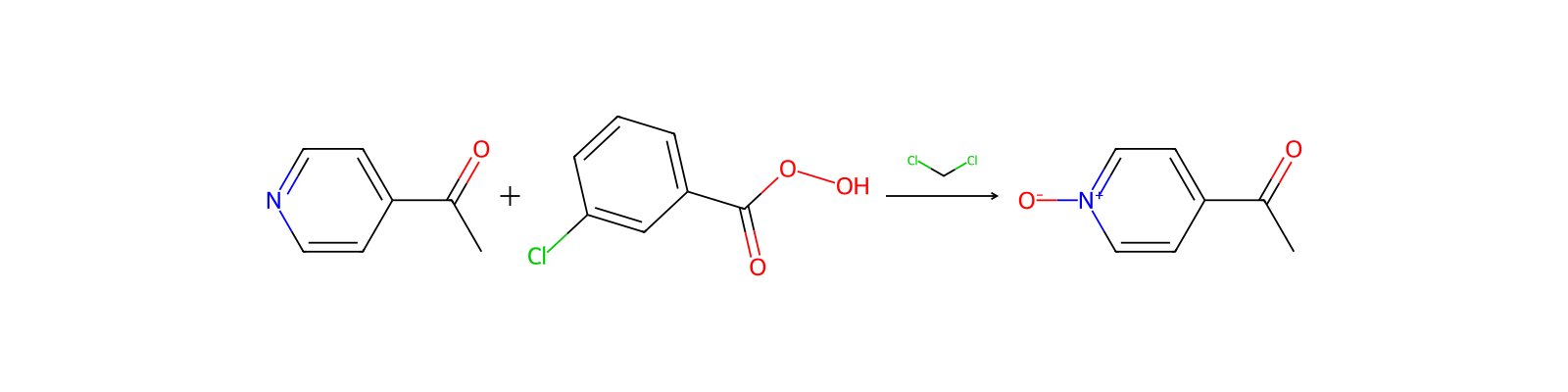
관련 반응
188건


화합물 노트
불러오는 중…