
4-다이메틸아미노피리딘
4-(Dimethylamino)pyridine

기본 정보
- CAS
1122-58-3- 표준 SMILES
CN(C)c1ccncc1- InChIKey
VHYFNPMBLIVWCW-UHFFFAOYSA-N- 분자식
- C7H10N2
- 평균 분자량
- 122.17 g/mol
- 단동위원소 질량
- 122.08439833
개요
4-Dimethylaminopyridine is a dialkylarylamine and a tertiary amino compound.
이름 및 식별자
- 우선 이름
- 4-(Dimethylamino)pyridine
- IUPAC
- N,N-dimethylpyridin-4-amine
- 현지명
- 4-다이메틸아미노피리딘
- 영어명
- 4-Dimethylaminopyridine
- 분자식
- C7H10N2
- 분자량
- 122.17
이름 및 동의어
4-Dimethylaminopyridine1122-58-3N,N-Dimethylpyridin-4-aminedmap4-(Dimethylamino)pyridine4-Pyridinamine, N,N-dimethyl-DTXSID00443694-DMAPPFP1R6P0S8DTXCID80243694-[dimethylamino]pyridineRefChem:98776
이름 더 보기
N,N-디메틸피리딘-4-아민4-다이메틸아미노피리딘4-디메틸아미노피리딘N,N-디메틸-4-피리딘아민4-다이메틸아미노피리딘(4-DIMETHYLAMINOPYRIDINE)4,4-dimethylaminopyridine4-(Dimethylamino)pyridine, 99%, prilled4-(N,N-dimethlyamino)pyridine26DCLPYAURORA KA-64954-DiMethylaMin
214-353-5p-DimethylaminopyridineN,N-DIMETHYL-4-PYRIDINAMINEN-(4-Pyridyl)dimethylamineN,N-Dimethyl-4-aminopyridinePyridine, 4-(dimethylamino)-MFCD00006418887925-31-7
데이터베이스 식별자
- CAS
1122-58-3- PubChem CID
- 14284
- DTXSID
DTXSID0044369- ChEMBL
CHEMBL3561645- ChEBI
CHEBI:182593- UNII
- PFP1R6P0S8
- EC Number
- 214-353-5
- Nikkaji
- J1.582.952D、J31.394G
물성
구조 계산 물성
- XLogP
- 1.3
- 극성 표면적
- 16.1 Ų
- 수소 결합 공여자 수
- 0
- 수소 결합 수용자 수
- 2
- 회전 가능 결합 수
- 1
- 무거운 원자 수
- 9
- 형식 전하
- 0
- 복잡도
- 75
실험 및 물리화학적 성질
Chemical ClassesNitrogen Compounds -> Pyridines
SpringerMaterials Properties15N nuclear magnetic resonance spectrum
LogP1.34
Vapor Pressure1.0 [mmHg]
Physical Description
Large Crystals
Colorless solid; [Merck Index] Beige crystalline solid; [Sigma-Aldrich MSDS]
Collision Cross Section120.6 Ų [M+H]+ [CCS Type: DT; Buffer gas: N2; Ionization: APCI+; Dataset: TOXCAST; Source Identifier: DTXSID0044369]
물리화학적 성질
- 녹는점
- 112 °C · 112 °C
- 끓는 점
- 162 °C · 162 °C
- 밀도
- 0.906 g/mL · 0.906 g/mL at 25 °C
- 증기압
- 0.169 hPa · 0.169 hPa at 20 °C
- 굴절률
- 20 · n20/D 1.431
- 인화점
- 110 °C · 110 °C
- 저장 조건
- 30 °C · Store below +30°C.
- 용해도
안전 및 규제
안전 정보는 참고용이며, 공급업체의 물질안전보건자료(SDS), 관련 법규 및 전문가 평가를 대체하지 않습니다.
GHS 분류
GHS Classification
This chemical does not meet GHS hazard criteria for 1.1% (6 of 522) of reports.
Danger
H301 (98.9%): Toxic if swallowed [Danger Acute toxicity, oral]
P260, P261, P262, P264, P264+P265, P270, P271, P273, P280, P301+P316, P301+P330+P331, P302+P352, P302+P361+P354, P304+P340, P305+P351+P338, P305+P354+P338, P308+P316, P316, P317, P319, P321, P330, P332+P317, P337+P317, P361+P364, P362+P364, P363, P391, P403+P233, P405, and P501 (click each P-code to see the statement)
Aggregated GHS information provided per 522 reports by companies from 53 notifications to the ECHA C&L Inventory. Each notification may be associated with multiple companies.
유해성 정보
Regulatory Information
Chemical: 4-Pyridinamine, N,N-dimethyl-
4-Pyridinamine, N,N-dimethyl- is listed on the EPA's Chemical Data Reporting (CDR) system. Manufacturers and importers of 4-Pyridinamine, N,N-dimethyl- are required to report information about their production and use of this chemical to the EPA under the Toxic Substances Control Act (TSCA). (40 eCFR Part 711)
REACH registered substance: N,N-dimethylpyridin-4-amine (EC: 214-353-5)
4-(Dimethylamino) pyridine: Does not have an individual approval but may be used under an appropriate group standard
Hazards SummaryA skin and strong eye irritant; Toxic by ingestion; Highly toxic by skin absorption; [Sigma-Aldrich MSDS] See 4-Aminopyridine.
Hazard Classes and CategoriesAcute Tox. 3 (98.9%)
CSL Reaction Information
CSL00204
2-Methoxyprop-2-yl Hydroperoxide + Dicyclohexylcarbodiimide + 4-(Dimethylamino)pyridine + Dichloromethane + Cesium hydroxide + Dimethylformamide
"We would like to draw attention to a potential hazard associated with a procedure reported from our laboratories, "2-Methoxyprop-2-yl Hydroperoxide: A Convenient Reagent for the Synthesis of Hydroperoxides and Peracids," P. H. Dussault and A. Sahli [J. Org. Chem., 57, 1009 (1992). DOI: 10.1021/jo00029a043]. The procedure, which calls for room-temperature concentration of the ozonolysis-derived reagent before redissolution in an appropriate solvent, has been performed uneventfully on numerous occasions. Recently, however, several concentrated samples were observed to undergo rapid exothermic decomposition. In one case, an open vial containing a 2-g sample emitted a pillar of flame several feet high. We are currently investigating alternative procedures, including concentration of the reagent at 0 C. Extreme caution, including the rigorous use of safety shields, is warranted. The reagent should not be stored, but should be generated only as needed. Dilute solutions of excess reagent can be safely quenched with dimethyl sulfide, triphenylphosphine, or aqueous sodium sulfite." (reprint of full text)
화학 및 산업
용도 및 제조
UsesA catalyst used in organic syntheses; [Merck Index]
U.S. Production2023: 50,000 - <250,000 lb
Industry UsesCatalyst
General Manufacturing Information
Pharmaceutical and Medicine Manufacturing
4-Pyridinamine, N,N-dimethyl-: ACTIVE
응용 분야
용도그것은 유기 합성에서 보편적 인 초 친핵 성의 아 실화 촉매 다.
용도DMAP은 염기성 때문에 무수물과의 에스테르 화, Baylis-Hillman 반응, 하이드로 실릴 화, 트리 틸 레이션, Steglich 재 배열, 베타 - 락탐의 Staudinger 합성 및 기타 여러 가지 반응에 유용한 친 핵성 촉매입니다. 키랄성 DMAP 유사체는 주로 2 급 알콜 및 에반스 보조 유형 아미드의 동 역학적 분석 실험에 사용된다.
용도4-Dimethylaminopyridine (Valaciclovir EP Impurity G; Valacyclovir USP Related Compound G) is a highly efficient catalyst for acylation reactions.
일반 설명Valacyclovir Related Compound G, also called as 4-(Dimethylamino)pyridine (DMAP) is an excellent catalyst for acylation of hindered alcohols and in chemical transformations. It is highly nucleophilic in nature.
상·하류 제품 정보
상류 원료
하류 제품
관련 반응
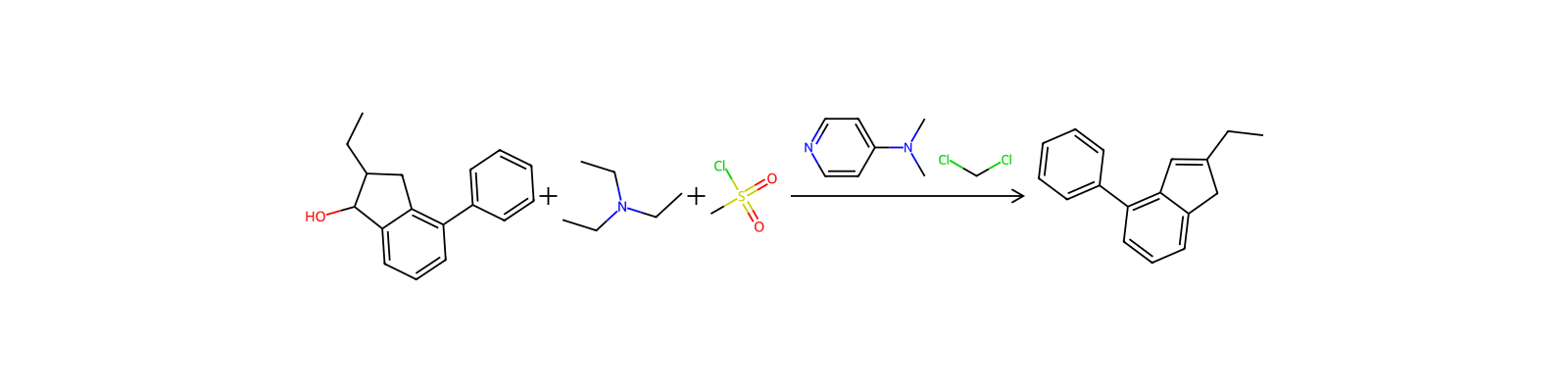
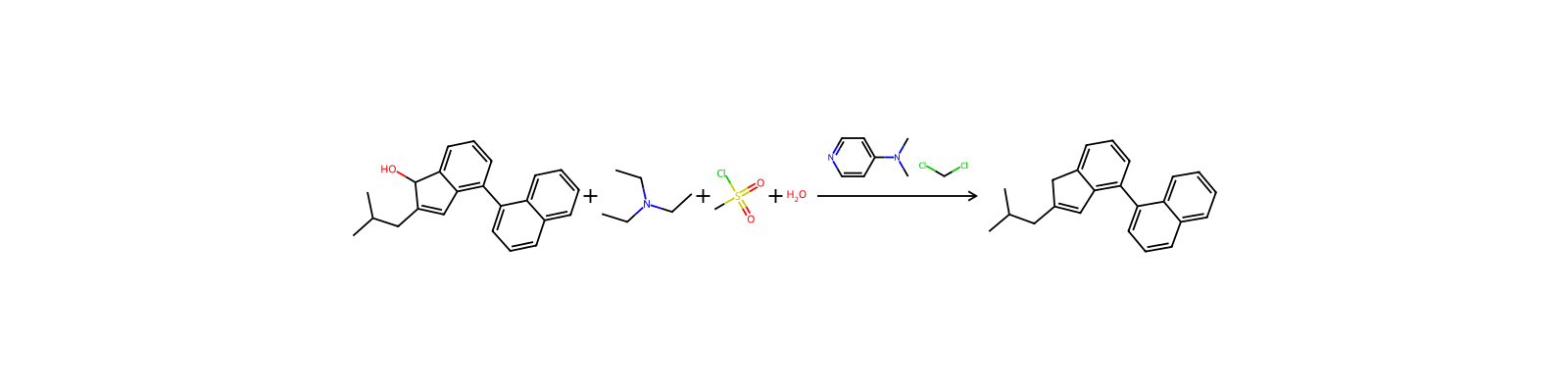
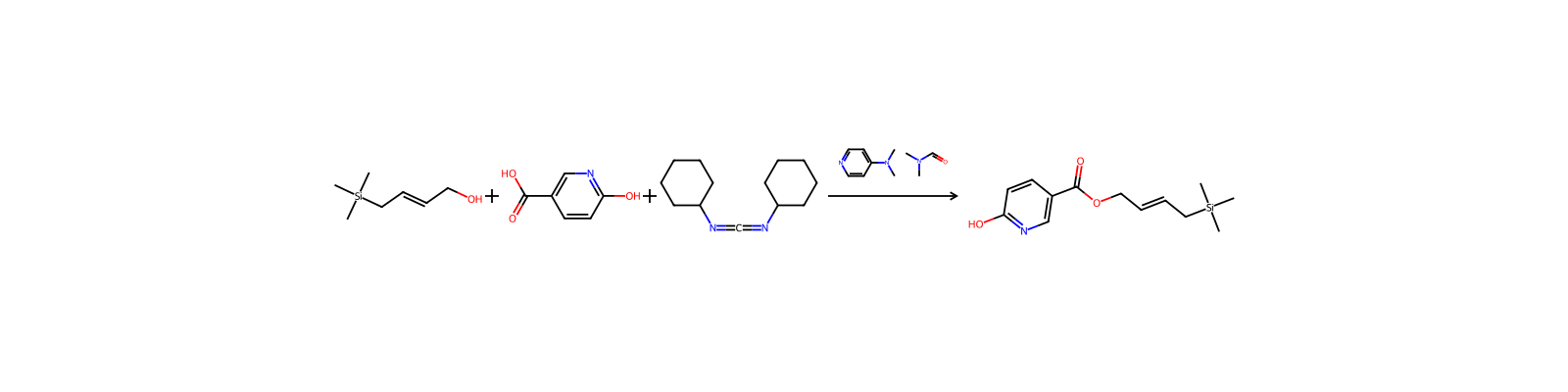
24,121건




화합물 노트
불러오는 중…